
Appetizers
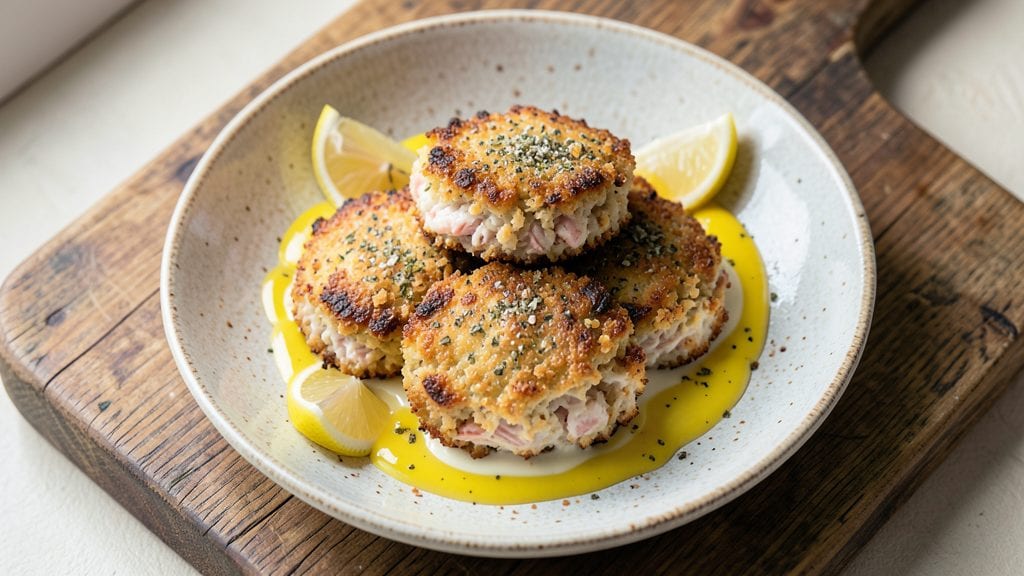
This traditional Maryland crab cake recipe delivers the iconic Chesapeake Bay flavor you crave—crispy golden crowns with juicy centers that melt in your mouth.
The secret lies in using fresh lump crab meat, Old Bay seasoning, and a light, crispy breadcrumb coating that stays true to the classic Maryland style. I've perfected this recipe over years of testing, ensuring every bite captures the essence of Baltimore's waterfront tradition.
The key to authentic Maryland crab cakes is balancing texture and flavor without overpowering the sweet crab. You'll work with just a few simple ingredients—crab meat, breadcrumbs, eggs, and Old Bay—but the technique makes all the difference.
A proper 350°F fry ensures that crispy exterior while keeping the centers tender, and the absence of heavy sauces lets the natural sweetness of the crab shine through.
What you'll end up with is a plate of restaurant-quality crab cakes that are traditional in every sense—golden, crispy, and packed with that signature Maryland flavor.
Serve them with lemon wedges and a side of remoulade for the full Chesapeake experience, or enjoy them as-is for a taste of the East Coast's most beloved appetizer.
This recipe is designed to be pescatarian-friendly and delivers the same bold flavors you'd find at a waterfront seafood shack. Whether you're hosting a summer gathering or treating yourself to a taste of Maryland, these crab cakes are worth every minute of preparation.
Let's get started on creating your own Chesapeake Bay masterpiece.
Ingredients for traditional maryland crab cake
Fresh crab meat and Old Bay seasoning. Simple ingredients for Maryland's iconic crispy crab cakes.
| Ingredient | Amount | Notes |
|---|---|---|
| Fresh Lump Crab Meat 🦀 | 1 ½ lb | Backfin preferred, no shell pieces |
| Old Bay Seasoning 🌶️ | 1 tbsp | Original blend for authentic flavor |
| Panko Breadcrumbs 🍞 | ¾ cup | Light and crispy, not fine |
| Large Eggs 🥚 | 2 whole | Cold for best binding |
| Mayonnaise 🥛 | 2 tbsp | Duck egg preferred for richness |
| Lemon Juice 🍋 | 1 tbsp | Freshly squeezed, not bottled |
| Extra-Virgin Olive Oil 🫒 | 2 tbsp | For frying, not cooking oil |
| Salt 🧂 | ½ tsp | Kosher or sea salt |
| Black Pepper 🌶️ | ¼ tsp | Freshly cracked preferred |
| All-Purpose Flour 🌾 | 2 tbsp | For dredging, not baking |
| Fresh Chives 🌿 | 2 tbsp | Finely chopped, for garnish |
| Lemon Wedges 🍋 | 4 whole | For serving, not cooking |
The crab meat is everything here. Backfin lump is the gold standard—Costco or local seafood markets usually carry it fresh. If you can't find it, jumbo lump works, but pick out any shell pieces. Old Bay seasoning? Original blend only—the pre-mixed stuff with other spices isn't the same. I buy mine in bulk from Penzeys because it lasts for years, and a little goes a long way. The key is to keep everything cold until you're ready to fry—crab meat gets rubbery fast if it warms up.
No Old Bay? Mix 1/2 tsp each paprika, celery salt, and black pepper for a close substitute. Running out of panko? Crushed cornflakes work in a pinch—they're lighter than regular breadcrumbs. The mayo and lemon juice are about moisture balance—don't skip them, but don't overdo it either. For extra crispiness, double the panko and add 1 tbsp cornstarch to the flour. And if you're worried about the crab cakes falling apart, chill the mixture for 30 minutes before frying—trust me on that.
These are best served immediately, but you can hold them in a 200°F oven for up to 20 minutes if you're prepping ahead. Store leftovers in an airtight container with a paper towel on top to keep them crispy for 2 days. Freezing? Flash-freeze on a tray first, then transfer to a bag—they'll keep for 3 months. I always make a double batch because they disappear fast at gatherings, and the second round always tastes better.
Why You'll Love This Recipe
- No Fuss Assembly: Honestly, this is one of those recipes where you’re not doing much—just mixing, shaping, and frying. The magic happens in the chilling step (30 minutes, tops), and honestly, that’s the only "wait" time you’ll have. Wet your hands, scoop the crab, and let the pan do the heavy lifting.
- Old Bay Magic: That single tablespoon of Old Bay isn’t just seasoning—it’s the soul of these cakes. The lemon juice and duck egg mayo keep it moist while the panko crust locks in that spicy-savory kick. Trust me, the flavor is spot-on, no shortcuts needed.
- Leftover Hack: I make these on a Saturday and freeze half for Tuesday night dinners. Reheat in the oven (no microwave!) and they’re crispy as day one. The paper towel trick keeps them from turning soggy—game changer for busy weeks.
- Weeknight Hero: Between the chilling time and frying batches, it’s not instant, but it’s still my go-to when I want something special without spending the whole evening in the kitchen. Plus, the kids love helping shape the cakes—minimal mess, maximum bonding.
Step-by-step instructions for traditional Maryland crab cakes
Here's how to build crab cakes with that signature crispy exterior and melt-in-your-mouth texture.
Prepare the Crab Mixture
In a large mixing bowl, gently combine the 1.5 lb fresh lump crab meat with the 2 tbsp mayonnaise and 1 tbsp lemon juice. The mayonnaise acts as a binder while keeping the crab moist—don't skip this step. Using your hands, fold the mixture just until everything is evenly distributed, being careful not to overwork the crab, which can make the cakes dense.
Next, add the 1 tbsp Old Bay seasoning, 0.5 tsp salt, and 0.25 tsp black pepper. Sprinkle the 0.75 cup panko breadcrumbs over the top and mix lightly with a rubber spatula. The breadcrumbs will create that classic crispy crown, but we don't want to fully incorporate them yet. The goal is to keep the texture light and airy. Taste the mixture and adjust seasoning if needed—this is where the authentic Maryland flavor comes together.
Shape and Chill the Cakes
Using a lightly oiled measuring cup or small scoop, portion the crab mixture into 4 equal portions, each about 3 inches in diameter. I like to use my hands for this—wet them slightly to prevent sticking. Shape each portion into a smooth, round patty about 1 inch thick. The edges should be slightly tapered to help them hold their shape during frying.
Place the shaped crab cakes on a plate and cover them with plastic wrap. Refrigerate for at least 30 minutes—this is crucial for two reasons. First, it allows the mixture to firm up slightly so it holds together when frying. Second, it prevents the cakes from falling apart when they hit the hot oil. Don't skip this chilling step, even if you're eager to cook them immediately.
Create the Crispy Crust
Set up your frying station by heating 2 tbsp of the extra-virgin olive oil in a large skillet over medium heat. You want the oil to be hot enough so it shimmers when you add the cakes, but not smoking—this ensures a perfect sear without burning. While the oil heats, place the 2 tbsp all-purpose flour in a shallow dish.
Working in batches if needed, lightly dredge each chilled crab cake in the flour, pressing gently to adhere. This creates that signature crispy crust we're after. Carefully place one cake in the hot oil and cook for 3 to 4 minutes on each side, until golden brown. You'll know it's ready when the edges are crisp and the center feels firm to the touch. Transfer to a paper towel-lined plate to drain excess oil and keep warm.
Finish and Serve
Repeat the frying process with the remaining crab cakes, adding more olive oil as needed—about 2 tbsp per batch. The cakes should maintain their shape and develop that beautiful golden crust. Here's the thing—don't overcrowd the pan. Cooking them in batches ensures even browning and proper heat control.
Once all cakes are cooked, sprinkle them with the 2 tbsp finely chopped fresh chives. The chives add a bright, fresh finish that cuts through the richness of the crab. Serve immediately with the 4 whole lemon wedges on the side. The acidity of the lemon helps balance the richness, and it's traditional for Maryland crab cakes. Each bite should deliver that perfect combination of crispy exterior and juicy, flavorful center.
Pro Tips For Making Traditional Maryland Crab Cake
- Drain That Crab: You’ve picked fresh lump crab meat—now squeeze out every last drop of that brine. I used to skip this step and ended up with soggy cakes that fell apart. Lay a towel on your colander and press gently; you’ll lose some meat, but gain a perfect crumbly texture that holds together.
- Whisk the Mayo: Don’t just dump mayo into the mix—whisk it with the eggs first. This creates a silky, cohesive base that binds the crab and breadcrumbs better. I tried cold mayo once and nearly ruined a batch. Use room-temperature mayo and eggs for that velvety consistency.
- Chill the Batter: Let the mixture sit for 15 minutes before shaping. I learned this the hard way—skipping this step meant my cakes spread like pancakes on the grill. Cold batter holds its shape, and the Old Bay flavors meld with the mayo. Trust me, it’s worth the wait.
- Press, Don’t Pack: Use your hands to gently press the batter into the pan, not smash it like taco meat. Overworking it turns the cakes dense and chewy. A light touch keeps them airy inside while locking in that golden crust. Yes, they’ll look a little messy—perfectly messy.
Serving suggestions for this traditional maryland crab cake
Classic Lemon Remoulade
No Maryland crab cake plate is complete without a dollop of lemon remoulade. This creamy, tangy sauce balances the richness of the crab perfectly.
Mix ½ cup mayonnaise with 1 tbsp Dijon mustard, 1 tbsp lemon juice, 1 tsp capers (chopped), and ½ tsp Old Bay seasoning. I add a pinch of paprika for color and a touch of heat.
The acidity cuts through the oiliness of the crab cakes, making every bite sing. 🍋
Crispy Potato Wedges
For a heartier meal, serve your crab cakes with crispy oven-baked potato wedges. Toss 1 lb baby potatoes in 1 tbsp olive oil, ½ tsp salt, and ¼ tsp black pepper, then roast at 425°F for 25-30 minutes until golden and crispy.
The starchy contrast makes the crab cakes even more indulgent. I like to sprinkle them with rosemary flakes before baking for extra aroma.
Fresh Side Salad
A light arugula salad with a citrus vinaigrette keeps the meal balanced. Toss 4 cups baby arugula with 2 tbsp olive oil, 1 tbsp lemon juice, ½ tsp honey, and a pinch of salt.
Add ¼ cup thinly sliced red onion and 2 tbsp toasted almonds for crunch. The peppery bite of arugula cuts through the richness of the crab cakes beautifully. ✨
Buttery Cornbread
For a Southern twist, serve your crab cakes with homemade cornbread. I use 1 cup cornmeal, ½ cup self-rising flour, ½ cup buttermilk, and 2 tbsp melted butter.
Bake at 375°F for 18-20 minutes until golden. The sweetness of the cornbread contrasts nicely with the savory crab, creating a perfect balance. A drizzle of honey butter makes it even better.
Cold Beer or Sparkling Water
Pair your crab cakes with a light lager like Peroni or Blue Moon to cleanse your palate. The carbonation helps cut through the oil, while the mild bitterness complements the Old Bay seasoning.
For a non-alcoholic option, try sparkling lemon water with a splash of simple syrup—it’s refreshing and keeps the meal light. 🍺
Nutrition facts
Frequently asked questions
Why do Maryland crab cakes need to chill before frying?
Chilling the shaped cakes for at least 30 minutes is essential—it firms up the mixture so they hold their shape during frying and prevents them from falling apart in the hot oil. This step also lets the flavors meld together for that authentic Maryland taste. Skipping it often leads to messy, crumbly results!
Can I use regular breadcrumbs instead of panko?
While you can, panko is the secret to that signature crispy crown. Regular breadcrumbs absorb oil and get soggy, ruining the texture. If you're out of panko, crushed cornflakes work in a pinch—they stay lighter and crispier. Just don't expect the same restaurant-quality result!
How do I keep my crab cakes crispy after cooking?
Transfer cooked cakes to a wire rack instead of a plate—the air circulation keeps them crispier longer. For leftovers, store in an airtight container with a paper towel on top to absorb moisture. Reheat briefly in a 350°F oven to restore crispness. Freezing? Flash-freeze first for best texture!
What's the best way to handle leftover crab meat?
Use it within 2 days or freeze it in an airtight container for up to 3 months. Thaw in the fridge overnight before using. If the meat starts to dry out, add a splash of fresh lemon juice and a little mayo to restore moisture. Never refreeze thawed crab!