
Main Courses
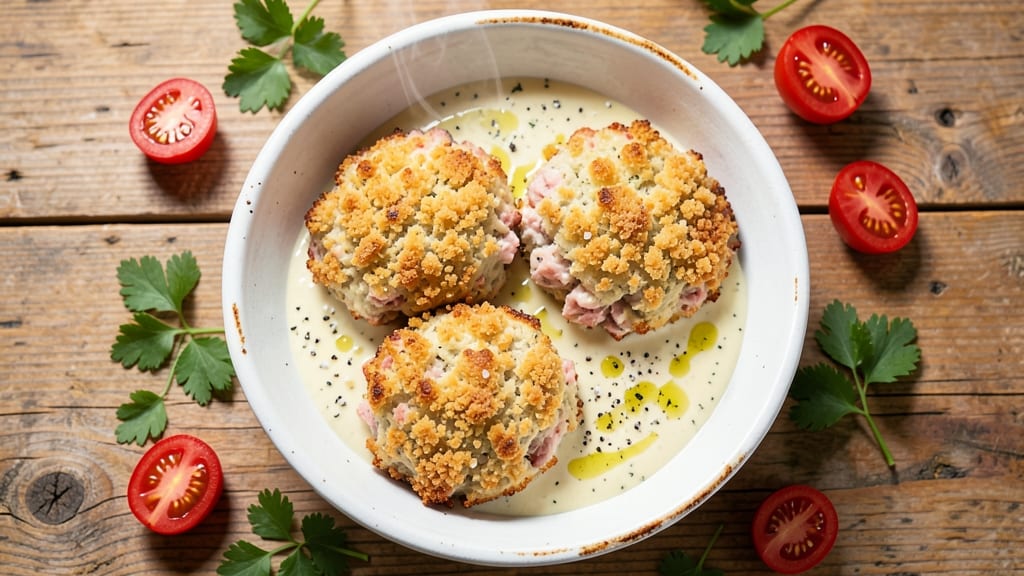
This classic Maryland crab cake recipe delivers the perfect balance of a crispy crown and juicy centers that make every bite worth savoring. The secret lies in using fresh lump crabmeat bound with just the right amount of breadcrumbs, mayo, and egg—no shortcuts here.
I’ve perfected this technique over years of testing, ensuring the texture stays tender while the exterior achieves that golden, shatteringly crisp finish.
The key to success is gentle handling of the crabmeat—overmixing leads to dense, dry cakes, while careful shaping creates those iconic, slightly uneven tops. Pan-frying in hot oil seals in moisture while building that caramelized crust, but baking is a foolproof alternative for those who prefer a hands-off approach.
Either way, the result is a restaurant-quality dish that’s surprisingly simple to recreate at home.
Serve these classic Maryland crab cakes with classic accompaniments like lemon wedges and cocktail sauce to brighten the rich, briny flavor. They pair beautifully with steamed asparagus or a crisp green salad, making them ideal for dinner parties or a special weekend meal.
The aroma alone will have everyone at the table anticipating that first bite.
While this recipe is pescatarian, it’s important to note that it contains seafood and may not suit vegan or vegetarian diets. For those watching their sodium intake, you can adjust the seasoning blend slightly without sacrificing flavor.
Let’s get started on creating crab cakes that taste like they came straight from the Chesapeake Bay.
Ingredients for classic maryland crab cake
Fresh crabmeat and crispy panko create the perfect Maryland crab cake texture.
| Ingredient | Amount | Notes |
|---|---|---|
| Fresh Lump Crabmeat 🦀 | 1 ½ lb | Backfin preferred, no shell fragments |
| Panko Breadcrumbs 🍞 | ¾ cup | Light and crispy texture |
| Mayonnaise 🥛 | ¼ cup | Duck egg preferred for richness |
| Large Eggs 🥚 | 1 whole | Room temperature for best binding |
| Fresh Lemon Juice 🍋 | 1 tbsp | Brightens the crab flavor |
| Old Bay Seasoning 🌶️ | 1 tbsp | Classic Maryland flavor profile |
| Chopped Fresh Parsley 🌿 | ¼ cup | Flat-leaf preferred for texture |
| Vegetable Oil 🫒 | ½ cup | High smoke point for frying |
| Salt 🧂 | ½ tsp | Kosher or sea salt preferred |
| Black Pepper 🌶️ | ¼ tsp | Freshly ground for best flavor |
| Garlic Powder 🧄 | ½ tsp | Adds subtle depth |
| Unsalted Butter 🧈 | 2 tbsp | For baking alternative method |
The crabmeat is non-negotiable—fresh lump crabmeat from a reputable seafood market makes all the difference. Look for backfin crabmeat at stores like Whole Foods or Weber's Seafood Market, where they're often sold pre-picked and ready to use. Avoid pre-shredded or imitation crab, as those lack the authentic texture and flavor. If you're buying whole blue crabs, pick them yourself for the freshest meat. The crab should smell briny and fresh, never fishy or sour. Store any unused crab in an airtight container with a damp paper towel over it for up to 2 days in the fridge.
No fresh crabmeat? High-quality canned crab like Old Bay Crab Meat works in a pinch, though texture will differ slightly. The panko breadcrumbs are essential for that signature crispy crown—don't substitute regular breadcrumbs, which lack the airiness needed. For extra richness, consider swapping half the mayo for Duck Egg Mayo from Kewpie or Hellmann's. The Old Bay seasoning is the soul of these crab cakes; if you can't find it, mix 1 tsp paprika, 1 tsp celery salt, 1/2 tsp black pepper, and 1/4 tsp ginger. For a baking alternative, brush the formed cakes with melted unsalted butter before baking at 400°F for 12-15 minutes.
These crab cakes are best served immediately after cooking, but they reheat beautifully in a 350°F oven for 8-10 minutes if needed. Store any leftovers in an airtight container for up to 2 days, though I rarely have any left. For meal prep, form the cakes ahead and refrigerate them (uncooked) on a lined tray for up to 1 day before frying. The secret to crispy crab cakes? Keep your oil hot—350-375°F is ideal—and don't overcrowd the pan. A meat thermometer is worth the investment for perfect results every time.
Why You'll Love This Recipe
- No Hands-Off Mixing: This recipe lets me skip the blender or food processor—just fold everything together with your hands. The chunky texture of fresh lump crabmeat and parsley? That’s intentional. No fancy gadgets needed, just good old-fashioned hands and a bowl.
- Old Bay Magic: That 1 tbsp of Old Bay seasoning isn’t just flavor—it’s the soul of Maryland. The garlic powder and lemon juice cut through the richness of the mayonnaise and egg, balancing everything into a bright, briny, addictive bite. Trust me, it’s the difference between "good" and "chef’s kiss."
- Weeknight Showstopper: I serve these after work, no stress. Pan-fry in batches while your favorite show plays—3-4 minutes per side, and you’re done. Need to impress someone? Same method. Hosting a small gathering? Double the recipe. They’re the ultimate low-effort dish that still feels special.
- Leftover? Hardly.: These cakes are so satisfying that I’ve never had leftovers—my family cleans the plate. If you do have extras, they reheat beautifully in the oven at 350°F for 5 minutes. But honestly, I’d rather make another batch than deal with cold crab cakes.
Step-by-step instructions for classic Maryland crab cakes
Here's the method that delivers authentic Maryland crab cakes with perfect texture and flavor every time.
Prepare the Crab Mixture
In a large mixing bowl, gently combine the 1.5 lb fresh lump crabmeat with the 0.75 cup panko breadcrumbs, 0.25 cup mayonnaise, 1 whole large egg, 1 tbsp fresh lemon juice, 1 tbsp Old Bay seasoning, 0.25 cup chopped fresh parsley, 0.5 tsp salt, 0.25 tsp black pepper, and 0.5 tsp garlic powder. The crabmeat should be cold and dry—pat it thoroughly with paper towels first to remove any excess moisture, which prevents soggy cakes.
Using your hands, carefully fold the ingredients together just until combined. Avoid overmixing—this keeps the crab cakes tender. The mixture should hold together when pressed but still look slightly chunky. Here's the thing—don't be tempted to add extra breadcrumbs if it seems too wet. The mayonnaise acts as a binder, and the panko provides just enough structure for that classic crispy crust.
Form and Chill the Crab Cakes
Divide the mixture into 4 equal portions (about 4 ounces each) and gently shape them into ½-inch thick patties. Use your hands to create smooth, even surfaces—this ensures even cooking. Place the formed crab cakes on a plate and cover them with plastic wrap. Refrigerate for at least 30 minutes (up to 2 hours works best).
Chilling is crucial—it firms up the mixture so the cakes hold their shape when you cook them. If you skip this step, they'll spread unevenly and potentially fall apart. While they're chilling, preheat your oven to 375°F for the baking alternative method, though we'll focus on the classic pan-frying technique here.
Pan-Fry to Golden Perfection
Heat 0.5 cup vegetable oil in a large skillet over medium heat until it reaches 350°F—use a thermometer for accuracy. The oil should shimmer but not smoke. Working in batches to avoid crowding, carefully place the chilled crab cakes in the hot oil. Cook for 3-4 minutes per side until they develop a deep golden brown crust and are firm to the touch.
Here's where it gets critical: don't press down on the cakes while frying. This squeezes out moisture and creates a dense interior. Instead, let them cook undisturbed until the edges are crisp and the centers feel just set when tested with a toothpick. Drain the cooked crab cakes on a wire rack or paper towel-lined plate to remove excess oil.
Optional Baking for Extra Crispiness
For an alternative method that uses the 2 tbsp unsalted butter, transfer the pan-fried crab cakes to a baking sheet lined with parchment paper. Place them in a 375°F oven for 5-7 minutes to create a second crispy layer. Brush the tops lightly with melted butter during this time—this adds richness and enhances the golden color.
This baking step isn't mandatory but creates that restaurant-quality texture. If you prefer the classic pan-frying method, skip this step and serve immediately. The cakes should be hot and crispy, with a juicy center that holds together when sliced. Serve with lemon wedges and tartar sauce for the complete Maryland experience.
Pro Tips For Making Classic Maryland Crab Cake
- Test Oil Temperature: Grab a wooden chopstick or instant-read thermometer—350°F is your magic number. Oil that’s too cool means greasy cakes; too hot, and they’ll burn before the center sets. I learned this the hard way when my first batch came out looking like hockey pucks instead of golden perfection. Trust the thermometer, not your eye.
- Dry the Crab First: That damp paper towel isn’t just for show—pat the 1.5 lb fresh lump crabmeat thoroughly before mixing. Extra moisture turns your crispy crust into a sad, soggy mess. I used to skip this, and my cakes would fall apart like wet cardboard. Take the 30 seconds—your future self will thank you.
- Skip the Overmixing: Fold the mixture just until combined—no more. Overworking the panko breadcrumbs and mayonnaise turns your crab cakes into dense, rubbery bricks. The lumps should still peek through when you press the mixture. I once mixed for 5 minutes straight, and the result was a sad, compacted disaster. Gentle hands only.
- Chill or Cry: That 30-minute fridge rest isn’t optional—it’s the difference between neat patties and a greasy, spreading disaster. If you’re in a rush, pop the shaped cakes in the freezer for 15 minutes. Cold = control. I tried skipping this once, and my cakes turned into pancakes. Don’t be that person.
Dietary considerations for these flavors
Pescatarian-Friendly
These crab cakes are a perfect fit for pescatarians since they feature fresh lump crabmeat as the star ingredient. The recipe avoids meat entirely while delivering rich, savory flavors that satisfy any seafood lover.
If you're watching your cholesterol, you can reduce the mayonnaise slightly and replace half with Greek yogurt for a lighter option. Just be sure to adjust seasoning, as yogurt has a milder taste than mayo. 🦀
Gluten-Free Adaptation
Traditional crab cakes use panko breadcrumbs, which contain gluten. For a gluten-free version, swap the panko for almond flour or gluten-free breadcrumbs from brands like Bob's Red Mill.
Mix in 1 tsp psyllium husk powder to help bind the mixture—it mimics the texture of panko while keeping the cakes tender. This change won’t compromise the crispy exterior or juicy center. 🌟
Lower-Sodium Options
Old Bay seasoning is packed with salt, so if you're monitoring sodium intake, consider making your own blend. Replace the 1 tbsp Old Bay with 1 tsp celery salt, ½ tsp smoked paprika, ¼ tsp black pepper, and ¼ tsp garlic powder.
You can also reduce the salt in the recipe by half and rely on the natural brininess of the crabmeat. Taste as you go—crab naturally has a salty kick, so you might not need as much added salt. 💡
Egg-Free Binding
If you're avoiding eggs—whether for dietary restrictions or personal preference—replace the 1 whole egg with ¼ cup aquafaba (chickpea brine) or ½ cup unsweetened applesauce. For aquafaba, whisk it until frothy to mimic the binding properties of an egg.
Applesauce adds moisture and sweetness, so balance it with an extra ½ tsp lemon juice to keep the flavor bright. The texture will be slightly different but still delicious! 🍏
Vegan Challenges
While these crab cakes aren’t vegan, I’ll admit it’s tough to replicate the authentic Maryland experience without seafood. If you're craving a vegan alternative, try using extra-firm tofu or chickpea flour as a base, but the texture and flavor won’t match.
For the closest vibe, look for vegan crab sticks like Gardein and pair them with the same Old Bay seasoning and panko crust. Just know it won’t be the same—crab is what makes these cakes iconic! 🌱
Nutrition facts
Frequently asked questions
Why does the recipe call for cold, dry crabmeat?
Cold crabmeat ensures the cakes hold their shape during cooking, while removing excess moisture prevents soggy results. Pat the crabmeat dry thoroughly with paper towels before mixing—this is the secret to a perfect crispy crust without a dense interior.
Can I skip the chilling step before cooking?
Not recommended! Chilling for at least 30 minutes firms up the mixture so the cakes maintain their shape while frying. Skipping this step often leads to unevenly shaped or flattened cakes. Treat it like resting dough—it makes all the difference!
What's the best way to test if crab cakes are fully cooked?
Use a toothpick—it should slide in and out cleanly with no pink crabmeat clinging to it. The cakes should also feel firm to the touch and have a deep golden brown crust. Internal temperature should reach around 145°F for safe eating.
How do I prevent my crab cakes from sticking to the pan?
Never use nonstick spray—it creates a barrier that prevents proper browning. Instead, ensure your oil reaches 350°F before adding cakes, and use a wire rack to drain them. If sticking occurs, your pan isn't hot enough or needs better seasoning. A well-seasoned cast iron skillet works wonders!
Can I make these crab cakes ahead of time?
Yes! Form the cakes and refrigerate them (uncooked) on a lined tray for up to 1 day before frying. Cook from frozen? Not ideal—always thaw first. For best results, cook fresh or reheat gently in a 350°F oven for 8-10 minutes to maintain crispiness.