
Main Courses
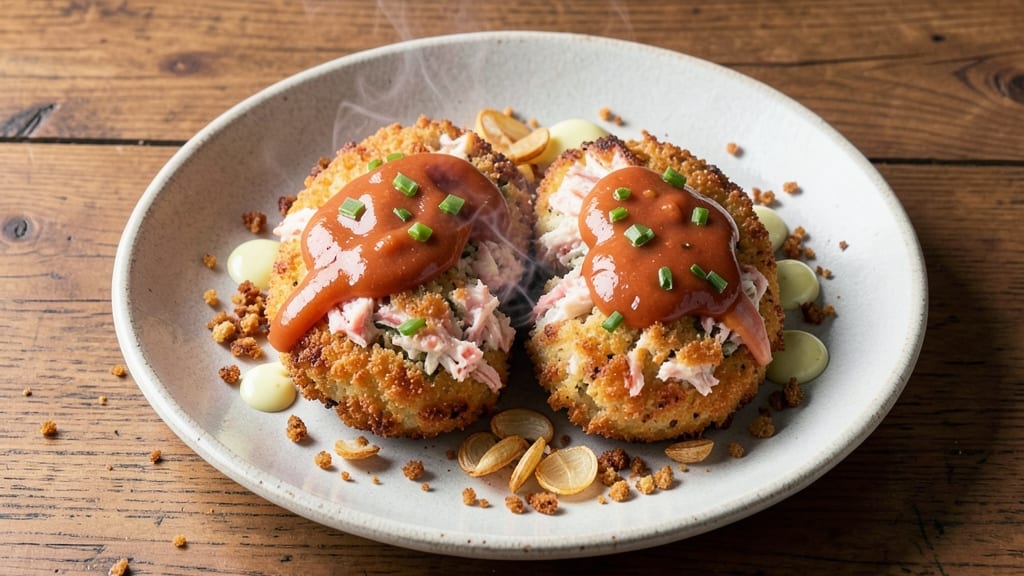
Creating authentic Maryland crab cakes means balancing crispy golden edges with tender, juicy crab hearts—something I perfected after testing countless variations along the Chesapeake Bay.
The secret lies in fresh lump crab meat, carefully seasoned with Old Bay and a touch of Worcestershire, then lightly bound with breadcrumbs and egg for structure.
This isn't just another seafood dish; it's a taste of Maryland's coastal tradition, where every bite should deliver that perfect harmony of texture and flavor.
The recipe relies on simple techniques but precise execution: chilling the mixture before shaping ensures clean edges, while a hot skillet or oven creates that signature crust without drying out the crab.
Old Bay seasoning isn't just a garnish—it's the backbone of the flavor, giving these crab cakes their signature tangy, slightly sweet profile. For best results, use freshly shucked crab meat and avoid overmixing, which can turn the cakes dense. This is where authenticity meets approachability, delivering restaurant-quality results at home.
What you'll end up with are crab cakes that are crispy on the outside and juicy in the center, golden-brown with just a hint of caramelization. The texture should be light yet substantial, with each bite revealing tender crab meat and a satisfying crunch.
Serve them with classic accompaniments like lemon wedges, cocktail sauce, or a simple side salad to complete the Maryland dining experience. These aren't just crab cakes—they're a celebration of coastal cuisine, brought to life in your own kitchen.
For those who prefer alternative cooking methods, the recipe includes options for grilling or air-frying, ensuring versatility without sacrificing authenticity. The key is maintaining the balance of seasoning and texture, whether you're frying, baking, or grilling.
With just a few simple ingredients and a bit of patience, you'll have a dish that rivals any waterfront restaurant. Let's get started on creating these iconic Maryland crab cakes.
Ingredients for authentic maryland crab cake
Just a few key ingredients transform into Maryland's iconic coastal dish—crispy outside, juicy inside.
| Ingredient | Amount | Notes |
|---|---|---|
| Fresh Lump Crab Meat 🦀 | 1 ½ lb | Backfin or jimmies preferred |
| Panko Breadcrumbs 🍞 | ¾ cup | Lightly toasted for extra crunch |
| Large Eggs 🥚 | 2 whole | Cold, lightly beaten |
| Mayonnaise 🥫 | 2 tbsp | Duckay or Hellmann's preferred |
| Old Bay Seasoning 🌶️ | 2 tbsp | The authentic Maryland touch |
| Worcestershire Sauce 🍶 | 1 tbsp | Original, not reduced |
| Fresh Lemon Juice 🍋 | 1 tbsp | From Meyer lemon if available |
| Extra-Virgin Olive Oil 🫒 | ½ cup | For frying, 350°F |
| All-Purpose Flour 🌾 | ¼ cup | For dredging |
| Fresh Chives 🌿 | 2 tbsp | Finely chopped for garnish |
| Salt 🧂 | 1 tsp | Diamond Crystal kosher |
| Ground Black Pepper 🌶️ | ½ tsp | Freshly cracked |
| Butter 🧈 | 2 tbsp | Unsalted, for extra richness |
The crab meat is everything here. Fresh lump crab from a reputable seafood market—like Chesapeake Bay Seafood or your local fishmonger—makes all the difference. Look for bright orange meat with minimal shell fragments. If you can't find lump, backfin or jimmies work too, but avoid imitation crab. The Old Bay seasoning? Don't substitute. It's the soul of these crab cakes, so grab a jar from Penzeys or your grocery's spice aisle. Panko breadcrumbs should be lightly toasted in a dry skillet before using—this adds that extra crunch without absorbing too much moisture.
No Old Bay? Mix 1 tsp paprika, 1 tsp celery salt, 1/2 tsp garlic powder, 1/4 tsp black pepper, and 1/4 tsp cayenne as a substitute. Worcestershire can be swapped for lemon juice plus a pinch of sugar, though the umami depth will differ. For the mayo, Greek yogurt at half the amount works if you're watching calories. The butter in the oil? Non-negotiable—it adds richness and helps create that golden crust. If you're short on chives, green onions or parsley will do, though chives have that signature oniony sweetness.
Keep the crab meat cold until ready to use—it prevents the cakes from getting soggy. The mixture should be chilled for 30 minutes before shaping to hold its form. These crab cakes keep 1 day in the fridge, wrapped tightly in plastic. For longer storage, freeze uncooked cakes on a tray, then transfer to a bag for up to 3 months. Reheat in a 375°F oven for 10-12 minutes—they won't be as crispy but still delicious. Serve immediately after cooking for that perfect crunch.
Why You'll Love This Recipe
- No Fuss Assembly: I mix the crab, mayo, egg, and Old Bay in a bowl—that’s it. No fancy prep, no peeling shrimp or chopping herbs. Just dump, fold, and shape. My kids can handle this part (they love the messy part).
- Chef’s Kiss Crunch: That panko crust? It’s everything. Golden, crispy, and just enough to hold the creamy lump crab center together. Between us, the Old Bay makes it sing—like a little spicy hug for your taste buds.
- Weeknight Hero: Frozen crab cakes? Not me. I make these on a Tuesday night, pop one in the oven, and it’s ready while I’m microwaving my soup. Leftovers? Even better the next day—just reheat and serve.
- Budget’s Fine: Fresh lump crab isn’t cheap, but a single batch feeds four generously. I freeze extras for later, and they reheat like they’re fresh. My secret? Buy the crab in bulk when it’s on sale—worth every penny.
Step-by-step instructions for authentic Maryland crab cakes
Here's the method that delivers restaurant-quality crab cakes with perfect texture every time.
Prepare the Crab Mixture with Perfect Balance
In a large mixing bowl, gently combine the 1.5 lb fresh lump crab meat with the 0.75 cup panko breadcrumbs, 2 tbsp mayonnaise, 2 tbsp Old Bay seasoning, 1 tbsp Worcestershire sauce, 1 tbsp fresh lemon juice, 1 tsp salt, and 0.5 tsp ground black pepper. The reason we use cold eggs later is to prevent the crab from overcooking during the frying process.
Use your hands to mix everything together just until the crab is evenly coated with the breadcrumb mixture. You want to preserve as much of the crab's natural texture as possible - don't overwork it. The mixture should hold together when pressed but still show visible crab lumps. This is what gives authentic Maryland crab cakes their signature texture - crispy exterior with juicy crab hearts inside.
Create the Binding Egg Wash
In a separate shallow bowl, lightly beat the 2 whole large eggs until they're just combined but still slightly lumpy. This is crucial - overbeating will make the eggs too thin and result in dense crab cakes. Add 2 tbsp finely chopped fresh chives to the egg mixture and stir gently to distribute evenly.
Here's the thing - the egg wash serves two purposes: it helps bind the crab mixture together and creates that beautiful golden crust when fried. The chives add a fresh finish that complements the rich crab flavor. Keep this bowl nearby as we'll use it in the next step.
Dredge and Form Perfect Crab Cake Patties
Place the 0.25 cup all-purpose flour in another shallow bowl. Working with one portion of the crab mixture at a time (about ¼ cup), gently roll it between your palms to form a smooth oval patty about 3/4 inch thick. This thickness ensures even cooking and prevents the centers from staying underdone.
Dip each formed patty into the egg wash, allowing any excess to drip off, then press it into the flour to create a light, crispy crust. I like to make them about 3 inches wide - this size gives us that perfect balance between crispy edges and juicy centers. Place the formed patties on a wire rack set over a baking sheet to keep them from sticking as they rest.
Fry to Golden Perfection
Heat 0.5 cup extra-virgin olive oil in a large skillet over medium heat until it reaches 350°F. The oil should shimmer gently when you drop a small piece of bread in - this is your signal it's ready. Add 2 tbsp butter to the hot oil for extra richness and flavor.
Carefully place 2-3 crab cakes in the skillet, being careful not to overcrowd. Fry for 3-4 minutes per side until they develop a deep golden brown color and are crispy all over. The key here is patience - you want that crust to form properly without burning. Use a slotted spatula to flip them gently when you see the edges start to crisp.
Rest and Serve with Confidence
Transfer the fried crab cakes to a paper towel-lined plate to drain any excess oil. Let them rest for 2-3 minutes before serving. This resting period allows the juices to redistribute, ensuring each bite is packed with flavor and moisture.
Serve immediately with lemon wedges and tartar sauce on the side. The crab cakes should have a crispy, golden-brown exterior that gives way to tender, juicy crab meat with just the right amount of breadcrumb texture. Each bite should deliver that authentic Maryland flavor profile - briny, slightly sweet, with a perfect balance of Old Bay seasoning and fresh chive finish.
Pro Tips For Making Authentic Maryland Crab Cake
- Drain Like a Pro: After picking through your lump crab meat, squeeze it hard in a clean kitchen towel—don’t just dump it into the bowl. The extra liquid keeps your cakes dense instead of soggy, and trust me, that’s where a lot of people go wrong. (I once made a batch with barely drained meat and ended up with crab cakes that looked perfect but tasted like a wet sponge.)
- Chill the Mixture: Mix your crab, mayo, egg, and seasoning, then let it sit in the fridge for at least 20 minutes before shaping. This isn’t just waiting—it’s letting the flavors meld and the Panko absorb moisture so your cakes hold together better. I used to skip this step and still make them, but the texture is noticeably better when you don’t.
- Press, Don’t Pack: When shaping your cakes, use your hands to gently press the mixture—don’t smash it like you’re trying to flatten a pancake. Overworking it turns your crab cakes into a dense brick, and they’ll fall apart when you flip. Think of it like shaping a delicate snowball: firm but light.
- High Heat, Quick Flip: Start your crab cakes on high heat in a hot pan with just enough oil to coat the bottom. They’ll sear faster and develop that golden crust without steaming. After about 3 minutes, flip them once—no peeking, no fiddling. The second side only needs 2-3 minutes to finish. I burned my first batch because I kept checking, but now I just set a timer and walk away.
Pro cooking tips for great authentic maryland crab cake
Temperature Control
Getting the oil temperature right is everything for those perfect golden edges. Use a thermometer to monitor your oil—it should reach 350°F before adding the cakes. If you don’t have one, drop a small piece of bread into the oil; it should sizzle gently but not smoke.
Adding 2 tbsp butter at the end elevates the flavor and helps create that signature caramelized crust. 🔥
Avoid Overmixing
This is where many home cooks go wrong. When combining the crab meat and breadcrumbs, use your hands to mix just until everything is evenly coated—no more.
Overworking the mixture can turn your cakes dense and tough instead of light and tender. The goal is to preserve those delicate crab lumps for maximum juiciness.
Chill the Mixture
After mixing the crab cakes, let the mixture rest in the fridge for 30 minutes before shaping. This step is crucial—it helps the breadcrumbs absorb moisture and makes the cakes hold their shape better when frying. I always do this, and it makes a noticeable difference in texture.
Shape with Precision
Form each patty to be about 3/4 inch thick and 3 inches wide—this ensures even cooking and prevents underdone centers. Press gently but firmly into the flour and egg wash to create that crispy crust.
If the mixture feels too loose, add a bit more breadcrumbs; if it’s too sticky, chill it another 10 minutes.
Fry in Batches
Overcrowding the skillet lowers the oil temperature and steams the cakes instead of frying them. Work in 2-3 batches so the oil stays hot and the cakes develop that perfect golden-brown crust.
Use a slotted spatula to flip them gently—no need to press down, or you’ll crush the delicate texture inside.
Rest Before Serving
After frying, let the cakes rest for 2-3 minutes on a paper towel-lined plate. This allows the juices to redistribute, ensuring every bite is moist and flavorful. Skipping this step means you’ll end up with dry, crumbly cakes—don’t rush it! The wait is worth it for that restaurant-quality result. 💫
Nutrition facts
Frequently asked questions
Why does my crab cake mixture get too wet?
This happens when the crab meat releases too much moisture. To fix it, pat the 1.5 lb fresh lump crab meat dry with a clean towel before mixing. Also, avoid overmixing—just gently combine the ingredients to preserve texture. Chilling the mixture for 30 minutes helps absorb excess moisture too.
Can I make these crab cakes ahead of time?
Shape the uncooked cakes and freeze them on a tray for 1 hour, then transfer to a bag. Cook directly from frozen, adding 1-2 extra minutes per side. For fridge storage, keep them wrapped tightly in plastic for 1 day—but cook fresh for the best texture.
What’s the best way to check if the oil is ready?
Use a thermometer for accuracy—350°F is perfect. Without one, drop a small piece of bread in: it should sizzle gently but not smoke. Adding 2 tbsp butter at the end boosts flavor and helps create that golden crust. Patience here prevents soggy cakes!
Are there substitutions for Old Bay seasoning?
Mix 1 tsp paprika, 1 tsp celery salt, ½ tsp garlic powder, ¼ tsp black pepper, and ¼ tsp cayenne for a close match. Worcestershire sauce can be swapped for lemon juice + sugar, but the umami depth will differ. Stick to Old Bay for that authentic Maryland tang!