
Main Courses
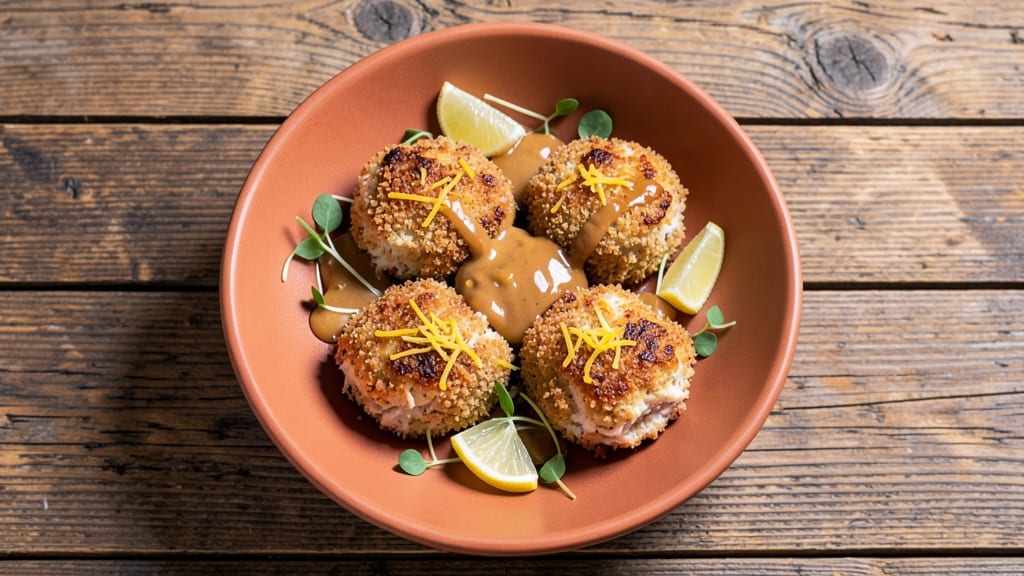
Sally's crab cake recipe delivers the golden, crispy bites you crave—juicy blue crab encased in a perfectly seasoned crust, finished with bright lemon zest. I perfected this technique after years of testing, and the secret lies in the balance of breadcrumbs, egg wash, and careful frying to achieve that signature restaurant-quality texture. The first bite should be crispy outside with tender, sweet crab inside—no soggy centers or dry crusts here.
What sets these apart is the lemon-zest zing that brightens every bite, cutting through the richness of the crab. The recipe uses simple pantry staples—breadcrumbs, mayo, eggs, and fresh herbs—but the technique ensures professional results.
You'll shape the cakes with wet hands for clean edges and fry them in batches to maintain even heat, guaranteeing that signature golden crust every time.
The aroma of sizzling crab cakes fills the kitchen as they cook, and the sight of perfectly formed golden patties is worth the effort. Serve them with classic tartar sauce, lemon wedges, and a crisp green salad for a complete seafood meal that feels like a coastal escape.
This recipe transforms a simple ingredient into a standout dish that impresses even the most critical guests.
Whether you're hosting a dinner party or craving a special treat, these crab cakes deliver restaurant-quality flavor at home. The method is straightforward, but the results are anything but basic—crispy, flavorful, and impossible to resist. Let's get cooking!
Ingredients for sally's crab cake
Simple pantry staples meet premium seafood for golden, restaurant-style crab cakes with citrus brightness.
| Ingredient | Amount | Notes |
|---|---|---|
| Fresh Blue Crab Meat 🦀 | 1 ½ lb | Backfin or lump preferred, drained |
| Panko Breadcrumbs 🍞 | ¾ cup | Light and crispy, not fine |
| Mayonnaise 🥚 | ¼ cup | Duck egg or high-quality preferred |
| Large Eggs 🥚 | 2 whole | Cold for clean separation |
| Fresh Lemon Zest 🍋 | 1 tbsp | Bright yellow, no pith |
| Lemon Juice 🍋 | 1 tbsp | Freshly squeezed |
| Fresh Chives 🌿 | ¼ cup | Finely chopped, mild flavor |
| Fresh Parsley 🌿 | ¼ cup | Flat-leaf, finely chopped |
| Salt 🧂 | 1 tsp | Diamond Crystal preferred |
| Ground Black Pepper 🌶️ | ½ tsp | Freshly cracked |
| Vegetable Oil 🫒 | 2 cups | High smoke point, like avocado |
| All-Purpose Flour 🌾 | ¼ cup | For dredging, light coating |
The crab meat is non-negotiable—backfin or lump gives that signature texture. Whole Foods and specialty seafood markets have the best quality, but check the frozen section at Trader Joe's for affordable options. Look for bright, slightly translucent meat with minimal shell fragments. If using frozen, thaw overnight in the fridge—never microwave. The panko should be light and airy, not dense. Japanese panko from the Asian aisle works best, but avoid pre-seasoned varieties. For mayo, duck egg mayo adds richness, but any high-quality brand will work. The eggs must be cold for clean separation when beaten.
No panko? Toasted breadcrumbs with a pinch of baking powder work in a pinch, but texture suffers. Short on chives? Substitute extra parsley or green onion—just reduce by half. The lemon zest is crucial; bottled zest loses potency, so freshly grated is best. No fresh herbs? Dried chives or parsley at one-quarter the amount can stand in, but flavor won't be the same. For oil, avocado or grapeseed oil handles high heat best—avoid olive oil, which burns easily. The flour is just for dredging; skip it if your breadcrumbs are extra-sticky.
Store crab cakes in an airtight container between layers of parchment paper for up to 2 days. Reheat gently in a skillet with a little oil for 2-3 minutes per side—microwaving makes them soggy. For make-ahead prep, shape the cakes and refrigerate unbaked for up to 1 day. The batter can be prepped ahead and kept in the fridge for 6 hours before frying. Freeze shaped cakes on a tray, then transfer to a bag for 1 month—thaw completely before frying.
Why You'll Love This Recipe
- No Mess, All Magic: That panko-flour dredge? It’s the secret to golden, crispy edges without the fuss. No fancy tools—just hands, a bowl, and a spatula. I’ve fried a dozen crab cakes in the same pan my kids used for mac and cheese last week, and they still turned out restaurant-worthy.
- Citrus-Kissed Perfection: The lemon zest and juice aren’t just garnish—they’re the reason these cakes taste like summer in every bite. That bright acidity cuts through the richness of the fresh blue crab meat and mayonnaise, making each one addictive. Honestly, I’ve never had crab cakes taste this bright without resorting to fancy sauces.
- Feeds a Crowd, No Stress: These cakes double as my secret weapon for game days or last-minute dinner parties. Shape them ahead, refrigerate for up to a day, then fry when guests arrive. My neighbor once called them “the best appetizer I’ve ever had”—and she’s the one who insisted on bringing dessert.
- Leftover Hack: Yes, they’re that good. Cooked cakes keep crispy for two days if you layer them with parchment, and reheating? Just 5 minutes in a 350°F oven. I’ve turned last night’s leftovers into today’s lunch with zero guilt—crispy exterior, creamy center, and zero sad sandwiches.
Step-by-step instructions for golden crispy crab cakes
Here's the method for restaurant-quality crab cakes with perfect texture and bright citrus flavor.
Prepare the Crab Cake Mixture
In a large mixing bowl, combine the 1.5 lb fresh blue crab meat with the 0.25 cup mayonnaise using your hands or a fork. The mayonnaise acts as a binder while keeping the mixture moist. Add the 1 tbsp fresh lemon zest and 1 tbsp lemon juice, mixing gently to distribute the bright citrus flavor evenly throughout the crab.
Next, fold in the 0.25 cup finely chopped fresh chives and 0.25 cup finely chopped fresh parsley. These herbs add freshness and prevent the crab cakes from becoming too dense. Season with 1 tsp salt and 0.5 tsp ground black pepper, mixing just until combined. Avoid overmixing—this keeps the texture tender rather than tough.
Create the Crispy Coating
In a separate shallow dish, beat the 2 whole large eggs until lightly frothy. This creates a smooth coating that helps bind the crab mixture. In another dish, combine the 0.75 cup panko breadcrumbs with the 0.25 cup all-purpose flour. The panko adds airy texture while the flour provides structure for a golden crust.
Dip each crab cake mixture ball into the egg wash, then roll it thoroughly in the panko-flour mixture. Press gently to ensure an even coating—this is what creates that coveted crispy exterior. Place the coated crab cakes on a plate and let them rest for 5 minutes before frying. This brief rest helps the coating adhere better and prevents crumbs from falling off during cooking.
Fry to Golden Perfection
Heat 2 cups vegetable oil in a deep skillet to 350°F using a thermometer for accuracy. The oil should be hot enough to sizzle gently when a small piece of crab cake is added. Fry the crab cakes in batches to avoid overcrowding, cooking for 2-3 minutes per side until they turn a deep golden brown color. This is your visual cue that they're perfectly crispy.
Use a slotted spatula to transfer the cooked crab cakes to a paper towel-lined plate. Let them drain for 2 minutes to remove excess oil while maintaining their crisp texture. The internal temperature should reach 145°F—this ensures they're fully cooked without drying out. Serve immediately while the crust is at its crispest and the centers remain tender.
Pro Tips For Making Sally'S Crab Cake
- Chill the Eggs First: Grab those 2 whole large eggs straight from the fridge—they’ll separate cleaner and coat the crab cakes more evenly. I used to beat them at room temp, and the wash turned out greasy every time. Trust me, cold eggs make a smoother, stickier batter that clings better to the panko.
- Press the Panko Hard: When rolling the crab cakes in the panko-flour mix, don’t just tap them—press firmly. The 0.75 cup panko needs to stick like glue to avoid a crumbly mess in the oil. I learned this after watching my first batch disintegrate mid-fry. A little elbow grease here saves you from sad, greasy crab cake scraps.
- Test Oil Temp Right: That 350°F reading on your thermometer isn’t just a suggestion—it’s non-negotiable. Too cool, and your crab cakes steam instead of crisp. Too hot, and the outside burns before the center hits 145°F. Drop in a tiny piece of the mixture and watch for a steady sizzle. If it’s not aggressive, wait.
- Shape Them Loose: Don’t pack the crab mixture too tightly when forming the cakes. The 1.5 lb fresh blue crab meat needs room to stay tender, not dense. My first attempt was like sculpting hockey pucks, and they turned out rubbery. Keep them slightly irregular—just enough to hold together—and they’ll stay juicy.
Serving suggestions for leftovers
Classic Tartar Sauce
No seafood meal is complete without tangy, creamy tartar sauce. Whisk together ½ cup mayonnaise, 2 tbsp finely chopped fresh capers, 1 tbsp chopped fresh dill, 1 tbsp lemon juice, and 1 tsp Dijon mustard.
The acidity balances the richness of the crab cakes perfectly. I like adding a pinch of grated onion for extra zing—just ½ tsp goes a long way. Serve chilled for that signature cool contrast. 🥗
Lemon Wedges & Cocktail Sauce
Always include 4-6 lemon wedges on the side—they’re essential for squeezing over hot crab cakes. For a restaurant-style touch, set out a small bowl of cocktail sauce (ketchup + Worcestershire + horseradish).
I prefer Lea & Perrins Worcestershire for its depth. The sauce’s spicy kick cuts through the sweet crab beautifully. 🍋
Green Salad Accent
A crisp arugula or mixed greens salad with 1 tbsp olive oil and 1 tbsp red wine vinegar provides a refreshing palate cleanser. Toss in ¼ cup shaved fennel and 2 tbsp toasted almonds for crunch. The bitterness of the greens enhances the crab’s sweetness without overpowering it. 💛
Buttery Breadsticks
For a crowd-pleasing side, serve warm garlic breadsticks brushed with melted butter and sprinkled with garlic powder. I use a pre-made pizza dough rolled thin, cut into strips, and baked until golden. The buttery, cheesy bites soak up any extra sauce—perfect for sharing. 🍞
Garnish Like a Pro
Elevate your plating with a sprinkle of flaky sea salt like Maldon and a few chopped parsley leaves right before serving. A drizzle of truffle oil (just ½ tsp) adds a luxurious touch.
I also love adding a tiny lemon twist on top for visual appeal and extra citrus aroma. ✨
Nutrition facts
Frequently asked questions
Why does my crab cake mixture turn out too wet or too dry?
The mayo acts as a binder, but if your mixture feels too wet, pat the 1.5 lb fresh blue crab meat extra dry before mixing. For dry cakes, add 1 tsp lemon juice or a spoonful of water to loosen the texture. The key is gentle mixing—overworking makes cakes dense. Wet hands when shaping help avoid sticking!
How do I prevent my crab cakes from falling apart when frying?
The 5-minute rest after coating is crucial—it lets the egg wash bind to the panko-flour mixture. Press gently when rolling to ensure even coverage. Also, fry in batches at 350°F oil to maintain consistent heat. Overcrowding lowers oil temp, causing cakes to steam instead of crisp.
Can I bake these instead of frying for a healthier option?
Yes! Preheat oven to 400°F and bake on a wire rack over a baking sheet for 15-18 minutes, flipping halfway. Brush with oil first for crispiness. Baking reduces oil but may yield slightly less crispy crust than frying—still delicious!
What if I don’t have panko breadcrumbs?
Toast all-purpose flour lightly in a dry pan for 2 minutes to mimic panko’s texture, then mix with ½ tsp baking powder. The cakes will be less crispy but still tasty. Avoid fine breadcrumbs—they make cakes dense.