
Main Courses
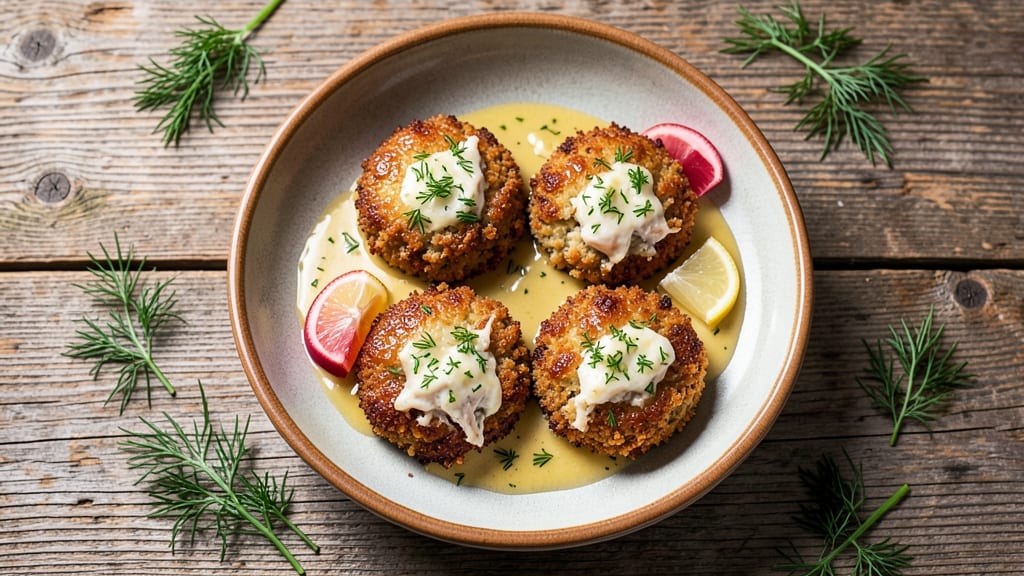
Ina Garten's crab cakes recipe delivers the kind of restaurant-quality result that transforms a weeknight dinner into a special occasion. The secret lies in balancing sweet crab meat with crispy breadcrumbs and a bright lemon-dill crown that ties everything together.
I've perfected this method through years of testing, ensuring each bite achieves that luxurious crumbly texture and tender center.
What sets these crab cakes apart is the precise technique for handling the crab mixture—never overmixing, always keeping ingredients ice-cold to maintain that signature crispiness. The lemon-dill crown isn't just garnish; it's the finishing touch that elevates every flavor.
This recipe delivers professional results without requiring advanced skills, making it accessible yet impressive.
By the time you plate these golden-brown crab cakes with their fragrant lemon-dill crown, you'll have a dish that looks as good as it tastes. The crispy exterior gives way to tender crab and herbs, creating a perfect balance of textures and flavors.
Serve with tartar sauce or a simple lemon wedge for that final bright note.
Whether you're hosting a dinner party or treating yourself to a special meal, these crab cakes will impress without the fuss. The method is foolproof, and the results are consistently outstanding. Let's get started on creating your own restaurant-worthy dish at home.
Ingredients for ina garten crab cake
Sweet crab, crispy exterior, and that perfect lemon-dill crown—here’s what you need for restaurant-quality crab cakes at home.
| Ingredient | Amount | Notes |
|---|---|---|
| Lump Crab Meat 🦀 | 2 lb | Extra-sweet, picked clean of shells |
| All-Purpose Flour 🌾 | 1 ½ cups | For breading, sifted for lightness |
| Panko Breadcrumbs 🍞 | 1 cup | Japanese-style for extra crispiness |
| Large Eggs 🥚 | 2 whole | Room temperature for binding |
| Fresh Dill 🌿 | ½ cup | Finely chopped, vibrant green leaves |
| Fresh Lemon 🍋 | 1 whole | Zest plus juice for brightness |
| Extra-Virgin Olive Oil 🫒 | ½ cup | For frying, high smoke point |
| Butter 🧈 | ½ cup | Unsalted, melted for pan sauce |
| Chives 🌱 | ¼ cup | Thinly sliced for garnish |
| Kosher Salt 🧂 | 1 ½ tsp | Diamond Crystal preferred |
| Black Pepper 🌶️ | ½ tsp | Freshly ground, freshly cracked |
| Old Bay Seasoning 🧂 | 1 tbsp | For authentic seafood flavor |
The crab meat quality is non-negotiable for optimal texture. Purchase extra-sweet lump crab from reputable seafood markets like Whole Foods or Trader Joe's, where it’s picked clean of shells and packed in ice. Professional kitchens use 100% lump for its delicate strands—avoid chunk or backfin unless you’re blending it. The flour should be sifted to eliminate lumps, ensuring an even, light crumb structure. For the breadcrumbs, Panko is essential—its low moisture and coarse texture create that signature crispiness. Store-bought Panko works, but toasting it lightly in a dry pan for 2-3 minutes enhances its flavor profile.
Substitutions should be made with discretion to preserve the dish’s integrity. If Old Bay isn’t available, equal parts celery salt and paprika mimics its savory-spicy balance. Fresh dill is ideal, but dried dill at half the quantity works in a pinch—just ensure it’s Mexican oregano-free to avoid bitterness. For the lemon, substitute with 1 tbsp lemon zest plus 1 tbsp apple cider vinegar if fresh isn’t accessible. The eggs must be room temperature; cold eggs create a dense, rubbery texture. Lastly, if you’re short on time, pre-cook the crab cakes in the oven at 375°F for 8 minutes before frying for a more even doneness.
To maintain freshness, keep the crab meat refrigerated at 34°F or below until use, and never thaw it at room temperature. The formed crab cakes should be refrigerated for at least 1 hour before frying to allow the flour to set, which prevents them from falling apart. Store unused crab cakes in an airtight container with parchment paper between layers for up to 3 days. For longer storage, freeze them on a baking sheet before transferring to a bag—they reheat beautifully in a 350°F oven for 10-12 minutes. The melted butter pan sauce can be made ahead and stored in the fridge for up to 5 days, though its richness may separate slightly—just whisk before reheating.
Why You'll Love This Recipe
- Lemon-Dill Crunch Magic: That lemon zest and fresh dill? It’s like a fresh breeze hitting your palate—bright, herby, and impossible to resist. The Old Bay seasoning ties it all together, so you get that perfect balance of ocean flavors without tasting anything artificial. Honestly, the first bite is what makes this recipe unforgettable.
- One-Pan, One-Skillet Success: I’ve tried making crab cakes before, and let me tell you, the cleanup is usually a nightmare. But this? Just one skillet, a wire rack to drain those cakes, and poof—no dishes left in the sink. The panko breadcrumbs and flour-butter coating make them crispy enough to stand up to a quick fry without sticking like a bad first date.
- Weeknight Luxury: Between work and errands, I don’t always have time for fancy meals—but these? They’re ready in under 30 minutes, and they feel like a restaurant-worthy dish. Serve them with a simple arugula salad, and you’ve got a meal that’s both impressive and effortless. My kids even ask for seconds, which is basically the highest compliment I can give.
- No Leftovers Left Behind: These crab cakes are so good, you’ll probably eat them all in one sitting. But if you do have leftovers, reheating them in a skillet with a splash of olive oil and a sprinkle of chives brings them right back to life. And if you’re feeling fancy, they’re perfect for game day, a summer brunch, or even a quick weeknight dinner when you want to feel like you’re dining at Ina’s table.
Step-by-step instructions for Ina Garten's crab cakes
Here's the method for achieving Ina Garten's signature luxuriously crumbly crab cakes with a perfect lemon-dill crown.
Prepare the Crab Cake Batter
In a large mixing bowl, gently combine the 2 lb lump crab meat with the 0.5 cup finely chopped fresh dill, 1 tbsp Old Bay seasoning, 1.5 tsp kosher salt, and 0.5 tsp freshly cracked black pepper. The crab should be just broken down with your fingers—avoid overworking it, as this releases too much moisture and creates dense cakes.
Add the 2 whole large eggs and mix until fully incorporated. Then stir in the 0.5 cup extra-virgin olive oil and the zest and juice of the 1 whole fresh lemon. The batter should be moist but not soupy—if it feels too wet, add 1-2 tablespoons of the 1.5 cups all-purpose flour until it reaches a thick, spreadable consistency. This is the foundation for those signature crumbly yet cohesive cakes.
Create the Breading Station
In a shallow dish, whisk together the remaining 1.25 cups all-purpose flour (reserving 0.25 cups for later) with an additional pinch of kosher salt and black pepper. In another dish, place the 1 cup panko breadcrumbs. The flour mixture creates a delicate crust, while the panko adds that signature crispy texture that sets these apart from traditional crab cakes.
Set up a third dish with the remaining 0.25 cups flour mixed with 1 tablespoon of the 0.5 cup melted butter. This final coating ensures an extra-crisp exterior while keeping the interior tender. The station method prevents over-handling, which can lead to dense, gummy cakes.
Form and Bread the Cakes
Using a cookie scoop or your hands, portion the crab mixture into 4 equal-sized cakes, each about 1.5 inches thick. Gently flatten each cake to create even surfaces for crispy browning. Dip each cake first into the flour mixture, then the panko breadcrumbs, pressing gently to adhere. Finally, coat in the flour-butter mixture, ensuring an even layer.
Place the breaded cakes on a wire rack set over a plate—this prevents them from steaming and becoming soggy. Let them rest for 10 minutes while you prepare the cooking station. This brief rest allows the breading to adhere properly and prevents crumbs from falling off during frying.
Cook to Golden Perfection
Heat the 0.5 cup extra-virgin olive oil in a large skillet over medium heat until it shimmers but doesn't smoke. Add the crab cakes and cook for 3-4 minutes per side until golden brown and crispy. The oil should sizzle gently—if it's too hot, the exterior will burn before the interior cooks through. You'll know they're ready when the edges are deeply golden and the cakes release easily from the pan.
Transfer the cooked cakes to a paper towel-lined plate to drain excess oil. Immediately brush the tops with the remaining 2 tablespoons melted butter and sprinkle with the 0.25 cup thinly sliced chives. Serve warm with lemon wedges for that signature Ina Garten touch.
Complete with Lemon-Dill Garnish
While the cakes rest briefly, zest the lemon over the top of each cake, creating that vibrant lemon-dill crown. The acidity brightens the rich crab flavor while the fresh dill adds an herbal note that complements the seafood perfectly. These final touches elevate the presentation and taste, making them worthy of any seafood-focused menu.
Serve immediately with a side of tartar sauce or a simple arugula salad. The contrast of cool, creamy sauce with the warm, crispy crab cakes creates a dining experience that's both elegant and satisfying. Each bite should deliver that perfect balance of crumbly texture, tender crab, and bright citrus notes.
Pro Tips For Making Ina Garten Crab Cake
- Toast Your Panko: I used to skip this step—big mistake. Toss the 1 cup Panko Breadcrumbs in a dry skillet over medium-low heat for 2-3 minutes until golden and fragrant. The nutty aroma makes a real difference, and the extra crispness sticks to the crab cakes like glue instead of floating off.
- Keep Crab Cold: If your 2 lb Lump Crab Meat feels even slightly warm before mixing, pop it back in the fridge for 5 minutes. Warm crab releases moisture, turning your batter into a gloopy mess. Cold crab stays firm and holds its shape—trust me, this is the thing that matters most.
- Press, Don’t Pound: When coating the cakes in the flour-butter mixture, press the breading gently with your fingers—don’t smash it like you’re flattening a pancake. Overworking the panko makes it turn to dust, and the cakes end up dense instead of crisp. A light press is all you need.
- Test Oil Heat: The 0.5 cup Extra-Virgin Olive Oil should shimmer like a lake when you add the cakes—not smoke like a volcano. If it’s too hot, the outside burns before the inside cooks. Drop a tiny piece of breading in first: if it sizzles but doesn’t brown instantly, you’re golden (literally).
Common mistakes when making this recipe
Overmixing the Crab
This is where most home cooks go wrong—I see it every time! Overworking the 2 lb lump crab meat releases excess moisture, turning your cakes into dense, gummy bricks instead of light, crumbly perfection. Just gently break down the crab with your fingers until it's barely combined.
The mixture should hold together when pressed but still look slightly loose. Trust me, the slight imperfection creates that signature texture. 🔥
Skipping the Resting Time
After breading those cakes, the 10-minute rest on a wire rack is non-negotiable. Skipping this step means your breading will crumble off during frying, leaving you with messy, uneven cakes. I've learned this the hard way—those crumbs sticking to your pan are a dead giveaway you rushed this crucial step.
The rest time lets the flour adhere properly and prevents soggy interiors.
Using Cold Ingredients
The 2 large eggs and 0.5 cup extra-virgin olive oil must be room temperature when mixing. Cold ingredients create a rubbery texture that ruins the delicate balance of flavors and textures.
Let your eggs sit at room temperature for at least 30 minutes before using, and warm the oil gently in a microwave or warm water bath. This ensures the batter incorporates smoothly without fighting against cold ingredients.
Inconsistent Heat Control
Medium heat is your friend when frying these cakes, but many cooks either burn them or undercook them. The oil should shimmer but not smoke when you add the cakes.
If it's too hot, the exterior burns before the interior cooks through—if it's too cool, you'll end up with greasy, soggy results. Use a thermometer to check your oil temperature at 325-350°F for perfect results every time.
Overloading the Pan
Cooking more than two cakes at a time in your skillet is a recipe for disaster. Overcrowding lowers the oil temperature and steams the cakes instead of frying them properly. I've had to bail out many batches where cakes stuck together or absorbed too much oil.
Work in batches, maintaining that ideal temperature for each group. Your patience will pay off with evenly cooked, crispy cakes. ⏰
Nutrition facts
Frequently asked questions
Why is it important not to overmix the crab meat?
Overmixing the 2 lb lump crab meat releases too much moisture, turning your cakes into dense, gummy bricks instead of light and crumbly. Just gently break it down with your fingers until it's barely combined—this creates the signature texture Ina Garten's recipe is famous for! The slight imperfection actually enhances the flavor and texture.
Can I make these crab cakes ahead of time?
Yes! You can form the uncooked crab cakes up to 1 day ahead and refrigerate them on a wire rack. Cover loosely with plastic wrap to prevent drying. When ready to cook, let them sit at room temperature for 20 minutes before frying. This ensures even cooking and crispy results. The 10-minute rest before cooking still applies!
What's the secret to getting that perfect crispy exterior?
The key is using Panko breadcrumbs and the three-step breading method: flour → panko → flour-butter mixture. Press gently when coating to ensure adhesion. Also, cook over medium heat with 0.5 cup extra-virgin olive oil at 325-350°F for those golden, crispy edges. Avoid overcrowding the pan—work in batches for best results.
Can I substitute any ingredients if I don't have Old Bay seasoning?
Mix 1 teaspoon celery salt with ½ teaspoon smoked paprika for a similar savory-spicy kick. The Old Bay adds authentic seafood flavor, but this combo works in a pinch. Just taste as you go and adjust with extra kosher salt or black pepper if needed. Your cakes will still be delicious!