
Desserts
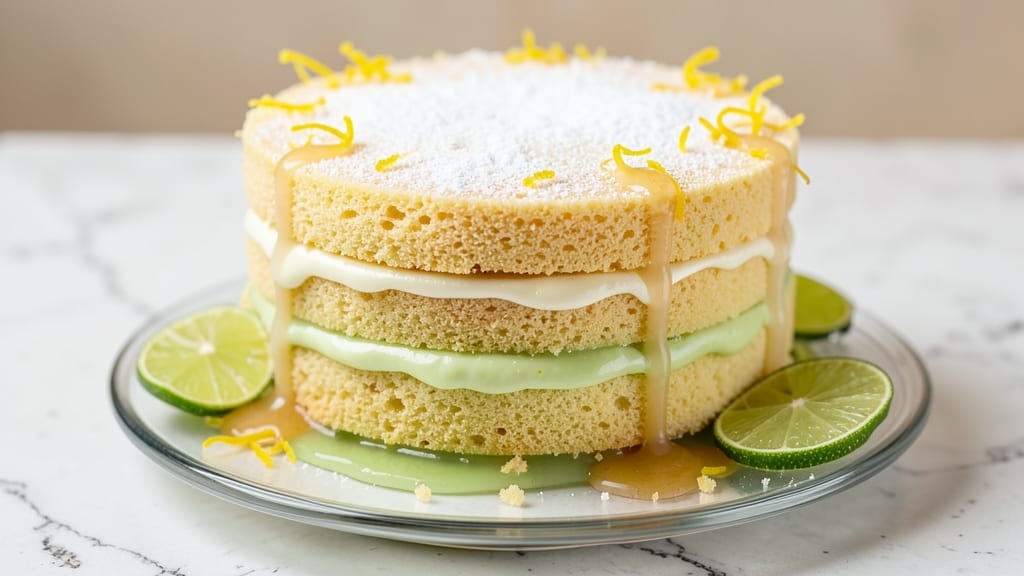
This aloe vera cake recipe transforms traditional baking with its uniquely moist, lightweight texture and subtle tropical notes—perfect for those seeking a healthier dessert option. 🌿 The secret lies in fresh aloe vera gel, which replaces eggs and butter while adding a refreshing, slightly citrusy flavor that pairs beautifully with coconut and citrus zest.
What makes this recipe stand out is how effortlessly it achieves a tender crumb without dense heaviness, making every slice feel like a breath of fresh air.
The cake’s magic comes from blending aloe vera gel with coconut milk and applesauce, creating a rich yet airy batter that bakes up fluffy and golden. Unlike traditional cakes, this version requires no special equipment—just a mixing bowl and a standard oven.
The tropical zing from lime zest and pineapple compote elevates the flavor profile, making it taste like a vacation in every bite.
By the time it emerges from the oven, you’ll have a moist, slightly springy cake with a delicate crumb that practically melts in your mouth. The natural sweetness of the aloe vera balances the tangy citrus, while the coconut milk adds a subtle richness.
This isn’t just a cake—it’s a revelation for anyone craving a lighter, more vibrant dessert experience.
Whether you’re serving it at a brunch, potluck, or simply treating yourself, this aloe vera cake delivers restaurant-quality results without the guilt. The recipe scales easily, so you can adjust the size to fit any occasion. Ready to bake something truly special?
Ingredients for aloe vera cake
Lightweight ingredients that bake up fluffy and tropical—no butter or eggs needed.
| Ingredient | Amount | Notes |
|---|---|---|
| Fresh Aloe Vera Gel 🌱 | ½ cup | Pure, no additives, from inner leaf |
| Unsweetened Coconut Milk 🥥 | 13 ½ oz | Full-fat canned version preferred |
| Unsweetened Applesauce 🍎 | ½ cup | No sugar added, smooth texture |
| All-Purpose Flour 🌾 | 1 ½ cups | Gluten-free blend if needed |
| Granulated Sugar 🍚 | ¾ cup | Or coconut sugar for deeper flavor |
| Lime Zest 🍋 | 1 tbsp | Freshly grated, vibrant color |
| Lemon Juice 🍋 | 2 tbsp | Freshly squeezed, no pulp |
| Vanilla Extract 🌸 | 1 tsp | Pure, high-quality preferred |
| Baking Powder 🍞 | 1 ½ tsp | Aluminum-free recommended |
| Salt 🧂 | ½ tsp | Fine sea salt preferred |
| Pineapple Compote 🍍 | ¾ cup | Homemade or store-bought |
| Coconut Oil 🥥 | ¼ cup | Melted, not butter substitute |
| Ground Flaxseed 🌾 | 1 tbsp | For egg replacement |
| Water 💧 | 3 tbsp | For flax egg mixture |
The aloe vera gel is your secret weapon here—look for fresh inner leaf gel at health food stores or Asian markets. Trader Joe's carries it pre-packaged, but the fresh stuff tastes even better. If you're buying a whole aloe leaf, slice it lengthwise and scoop out the clear gel, discarding the green outer layer. The coconut milk should be full-fat canned—no cartons. For the applesauce, grab the unsweetened kind, preferably with no additives. The pineapple compote can be homemade (simmer diced pineapple with a touch of sugar) or store-bought—Maui brand is my go-to.
No fresh aloe? Store-bought gel works in a pinch, but it lacks that bright, citrusy freshness. Swap coconut milk for cashew milk or oat milk if needed, though texture will be slightly different. The flax egg (ground flaxseed + water) is non-negotiable for binding—no substitutions here. For the citrus zest, lime is ideal, but lemon zest works too. If you're using a gluten-free flour blend, check the baking powder isn't included—you'll need to add an extra half teaspoon. The sugar can be swapped for maple syrup or agave, but reduce by two tablespoons since they're sweeter.
Store the aloe gel in an airtight container in the fridge for up to 1 week, though fresh is always best. The cake itself keeps well in the fridge for 4-5 days, wrapped tightly in plastic. For longer storage, slice and freeze portions on a tray before transferring to a bag—3 months max. The compote can be made ahead and stored in the fridge for 10 days. Pro tip: Brush the warm cake with a little extra coconut oil before serving—it adds a glossy finish and extra moisture.
Why You'll Love This Recipe
- No Mixer Needed: I swear by this recipe when my kitchen gadgets are on strike. Just fold the aloe gel into the coconut milk, stir in the applesauce, and whisk the dry ingredients—no electric help required. The batter’s so forgiving, even my toddler could "help" (read: make a mess) and still end up with cake.
- Tropical Comfort Bite: That first moist, slightly sweet crumb? It’s like a hug from a Hawaiian sunset. The aloe gel keeps it tender without gummy aftertaste, while the applesauce adds natural sweetness that lets the coconut milk shine—like a creamy, subtly floral vanilla but with a tropical twist. (Yes, even my coffee-drinking husband asks for seconds.)
- Weekday Magic: Between us, this is my go-to for "I have zero energy but need cake" days. Bake one pan, slice it, and store the rest in the fridge for up to 5 days—perfect for breakfast, a snack, or when you suddenly remember it’s your partner’s birthday. (Pro tip: Warm a slice in the microwave for 10 seconds, and it’s like fresh-baked again.)
- Pocketbook Perk: Honestly, the ingredient list won’t break the bank. Aloe vera grows in my backyard (or you can snag a pot from a grocery store), coconut milk’s a pantry staple, and applesauce stretches the batter further than most recipes. For under $5, I get a cake that tastes like a fancy dessert—without the fancy price tag. My book club calls it "the cake that lets us splurge guilt-free."
Step-by-step instructions for aloe vera cake
Here's how to bake a wonderfully moist, tropical cake that's light as a cloud.
👨🍳 Step 1: Make the Flax Egg and Mix Wet Ingredients
First, let's create our flax egg by whisking together 1 tablespoon ground flaxseed and 3 tablespoons water in a small bowl. Let it sit for 5 minutes until it thickens into a gel-like consistency—this is your egg substitute. Meanwhile, in a large mixing bowl, combine the 0.5 cup fresh aloe vera gel, 13.5 oz unsweetened coconut milk, 0.5 cup unsweetened applesauce, 0.75 cup granulated sugar, 1 tablespoon lime zest, 2 tablespoons lemon juice, 1 teaspoon vanilla extract, and the thickened flax egg.
Use a hand mixer to blend everything until smooth and fully incorporated. The aloe vera gel will give the batter a slightly translucent quality, and the coconut milk will create a rich, creamy texture. This is where the magic of moisture begins—don't skip this step, as it ensures your cake stays tender and fluffy.
👨🍳 Step 2: Combine Dry Ingredients and Fold Gently
In a separate bowl, whisk together the 1.5 cups all-purpose flour, 1.5 teaspoons baking powder, and 0.5 teaspoon salt. Sift the mixture directly into the wet ingredients to aerate the flour and prevent lumps. Then, gently fold in the 0.75 cup pineapple compote using a spatula, being careful not to overmix. You want to maintain as much air as possible in the batter for that light, cloud-like texture.
Here's the thing—this batter will look thinner than traditional cake batter, but that's exactly what we want. The aloe vera gel and coconut milk create a unique moisture profile that keeps the cake tender without needing extra liquid. Give it one final stir to ensure the pineapple compote is evenly distributed throughout.
🔥 Step 3: Prepare the Pan and Bake
Preheat your oven to 350°F and grease an 8-inch round cake pan or line it with parchment paper. Pour the batter into the prepared pan and smooth the top with a spatula. Bake for 35-40 minutes or until a toothpick inserted into the center comes out clean. The cake should have a golden top but still look slightly underbaked on the outside—it continues cooking as it cools.
I know it seems weird to pull it out when it still looks a little soft, but trust me—this is how you get that perfectly moist texture. The aloe vera and coconut milk work together to create a cake that stays tender even after cooling. Let the cake cool in the pan for 10 minutes before transferring it to a wire rack to cool completely.
⏰ Step 4: Add the Coconut Oil Layer (Optional but Recommended)
While the cake is still warm, melt the 0.25 cup coconut oil in a small saucepan over low heat. Once melted, brush it generously over the top and sides of the cooled cake. This creates a beautiful sheen and adds extra moisture that keeps the cake tender for days. If you're feeling fancy, you can also sprinkle a little extra lime zest on top for that tropical zing.
The coconut oil layer isn't just for show—it creates a barrier that helps the cake stay moist longer, which is especially important since this recipe doesn't include butter. This step is what takes this cake from good to absolutely divine. Let the cake cool completely before slicing and serving.
Pro Tips For Making Aloe Vera Cake
- BLEND ALOE GEL FIRST: Run the aloe gel through a blender or food processor before mixing with wet ingredients—this breaks down the fibers and keeps the batter smooth. I used to just chop it and stir, and the cake turned out gummy. Two minutes in the blender makes all the difference.
- WHISK DRY INGREDIENTS: Sift the flour and sugar together, then whisk them in the bowl for 30 seconds before adding liquids. This prevents lumps from forming when you mix in the coconut milk and applesauce. Lazy whisking = dense cake.
- DON’T OVERMIX THE BATTER: Stop folding in the wet ingredients as soon as they’re just combined—overmixing develops gluten and turns your cake into a tough, chewy brick. Drop spoonfuls of batter in the pan and give it a gentle stir with a spatula instead.
- BAKE UNTIL TOOTHPICK COMES OUT CLEAN: Aloe cakes can look done before they are—insert a toothpick in the center and wait until it slides out with no wet batter clinging to it. I’ve pulled cakes out too early, and they kept sinking for hours. Better to bake 2-3 minutes longer than risk a gummy middle.
Serving suggestions for aloe vera cake
Tropical Garnishes
Top your cake with fresh pineapple slices and lime wheels for a vibrant, resort-worthy presentation. I like arranging them in a circular pattern around the edges, then sprinkling with toasted coconut flakes for extra texture.
The contrast between the golden coconut and the bright citrus creates a stunning visual that matches the cake’s tropical flavor profile. 🍍
Creamy Drizzles
A mango or passionfruit coulis drizzled over the top adds a luxurious finish and complements the cake’s natural sweetness. For a quick version, blend 1 cup frozen mango chunks with 2 tablespoons lime juice and strain.
Alternatively, white chocolate ganache (melted white chocolate + coconut cream) gives a rich, velvety contrast. Keep the drizzle light—just enough to enhance without overwhelming.
Fresh Fruit Platter
Serve the cake alongside a fruit platter featuring kiwi, papaya, and dragon fruit for a refreshing, balanced dessert spread. The acidity of the citrus in the cake pairs beautifully with the sweetness of these tropical fruits.
Arrange them on a large platter with the cake at the center, and add mint leaves for a pop of color and freshness. This works especially well for brunch or summer gatherings.
Coffee or Tea Pairings
For a sophisticated touch, serve slices with chilled hibiscus tea or coconut milk chai. The floral notes of hibiscus tea enhance the cake’s citrusy brightness, while the spiced warmth of chai balances the aloe vera’s mild sweetness.
If you prefer coffee, a lightly sweetened cold brew with a splash of coconut milk keeps the tropical theme intact. Avoid heavy syrups—the cake’s natural moisture holds up beautifully on its own. ☕
Mini Cake Bites
For parties or events, cut the cake into 1-inch cubes and serve on a tiered stand with mini coconut macaroons and edible flowers for an elegant bite-sized option. Brush the tops with a little coconut oil glaze (melted coconut oil + a pinch of salt) for extra shine.
These make a stunning dessert table centerpiece and are perfect for guests who love to graze. 🌸
Seasonal Adaptations
In fall, swap the pineapple compote for spiced apple compote (add cinnamon and nutmeg) and garnish with candied pecans. For winter, a cranberry-orange drizzle adds festive color and tartness.
In spring, use strawberry compote and top with basil leaves for a lighter, brighter twist. The cake’s versatility makes it perfect for any season with just a few simple swaps. 🍂
Nutrition facts
Frequently asked questions
Why does this aloe vera cake stay so moist without butter?
The secret lies in the combination of aloe vera gel and coconut milk, which naturally bind moisture. The aloe vera acts like a humectant, drawing and retaining water, while the coconut milk adds richness without heaviness. The applesauce also contributes to a tender crumb by replacing traditional fats.
Can I substitute aloe vera gel with something else?
Fresh aloe vera gel is ideal, but you can use store-bought aloe gel in a pinch—just avoid products with additives. For a similar texture, try 1/4 cup unsweetened applesauce + 1/4 cup mashed banana, though the flavor will differ slightly. The key is maintaining moisture, so avoid dry substitutes like yogurt or sour cream.
How do I prevent the cake from tasting soapy?
Soapy flavors usually come from overripe aloe vera or coconut milk. Always use fresh aloe gel (no green outer layer) and full-fat canned coconut milk (not cartons). If the flavor is still off, add a pinch of salt or a splash of lemon juice to balance it. The pineapple compote also helps mask any unwanted tastes.
Is this cake gluten-free?
This recipe uses all-purpose flour, but you can easily make it gluten-free by substituting a 1:1 gluten-free flour blend. Just ensure your blend includes xanthan gum for proper structure. Check that your baking powder isn't gluten-free (some blends include it), and add an extra 1/2 teaspoon if needed. The texture will be slightly denser but still delicious.
Can I make this cake ahead of time?
Yes! Bake the cake 1 day ahead and store it in an airtight container at room temperature. For longer storage (up to 5 days), refrigerate. Reheat slices in the microwave for 10-15 seconds to restore moisture. The flavors actually improve as the cake rests, allowing the aloe vera and citrus to meld beautifully.