
Appetizers
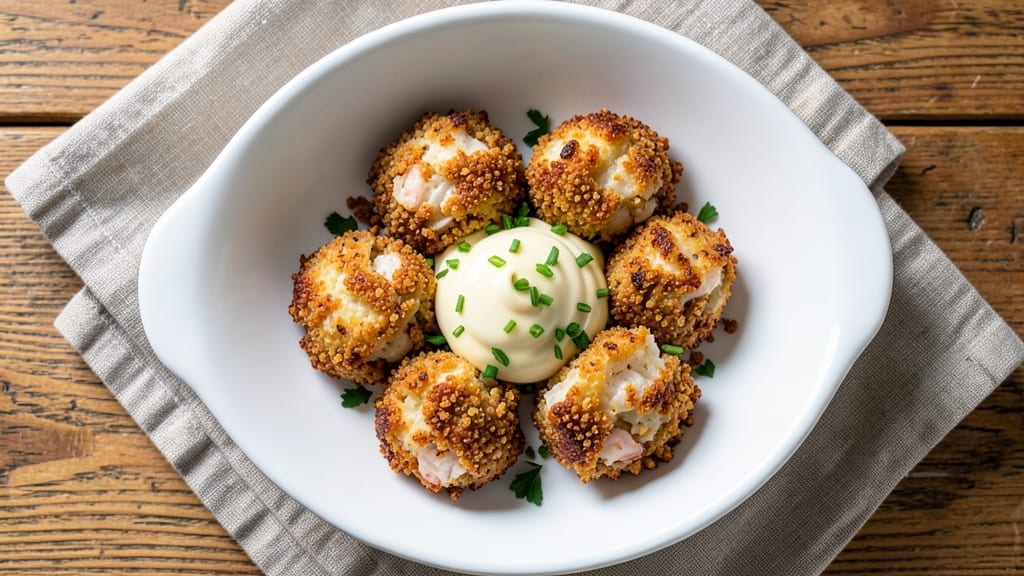
This original Maryland crab cake recipe keeps the Chesapeake Bay tradition alive, offering the beloved Old Bay-spiced crunch with perfectly tender, fluffy centers. The secret lies in using fresh lump crabmeat and a precise binder blend that keeps them light yet sturdy enough to flip without falling apart.
I've perfected this method over countless summer weekends, where these golden-brown cakes become the centerpiece of any seafood spread.
The key to authentic Maryland-style crab cakes is balancing texture and flavor—crispy on the outside, velvety inside, with just the right amount of Old Bay seasoning to transport you to the Eastern Shore.
We'll use a mix of breadcrumbs and crushed crackers for structure, with just enough egg and mayo to hold everything together without heaviness. Chilling the mixture before shaping ensures clean edges that brown beautifully when pan-fried.
By following this method, you'll achieve crab cakes that are golden-brown with a satisfying crunch, yet remain fluffy and moist at the core. The lemon zest brightens every bite, cutting through the richness of the crab while enhancing the Old Bay's signature warmth.
Serve them with classic remoulade sauce or tartar sauce, and you've got a dish that rivals any waterfront restaurant.
These crab cakes work equally well as appetizers or light mains, making them perfect for summer gatherings, game days, or a special weekend brunch. The recipe scales easily, so you can adjust the batch size based on your crowd. Let's get started on creating your own Chesapeake Bay classic.
Ingredients for original maryland crab cake
Fresh crabmeat, Old Bay, and crispy binders—just what you need for authentic Chesapeake flavor.
| Ingredient | Amount | Notes |
|---|---|---|
| Fresh Lump Crabmeat 🦀 | 1 ½ lb | Backfin preferred, no shell pieces |
| Old Bay Seasoning 🌶️ | 2 tbsp | Classic Maryland blend, not imitation |
| Panko Breadcrumbs 🍞 | ½ cup | Light and crispy texture |
| Crushed Saltine Crackers 🍪 | ¼ cup | For extra crunch and structure |
| Large Eggs 🥚 | 1 whole | Room temperature for best binding |
| Mayonnaise 🥛 | 2 tbsp | Duckay preferred for richness |
| Fresh Lemon Zest 🍋 | 1 tbsp | Brightens flavor profile |
| Extra-Virgin Olive Oil 🫒 | ¼ cup | For pan-frying, high smoke point |
| Butter 🧈 | 2 tbsp | Unsalted, for extra richness |
| Fresh Chives 🌿 | 2 tbsp | Finely chopped for garnish |
| Sea Salt 🧂 | ½ tsp | Kosher or fine grain |
| Black Pepper 🌶️ | ¼ tsp | Freshly ground for heat |
The crabmeat makes or breaks these cakes. Backfin lump is the gold standard—no shell pieces, just pure sweet meat. Grab it from Whole Foods or your local seafood market, where they'll usually have it pre-picked for you. If you're buying whole crabs, crack them yourself for the freshest results. The Old Bay? Don't skimp—the classic red packet is non-negotiable for that authentic Maryland taste. I always buy extra because it disappears fast once opened. Store it in the fridge after opening, and it'll keep for months. For the breadcrumbs, Panko plus crushed saltines gives that perfect balance of crispiness and structure—no soggy centers here.
No Panko? Regular breadcrumbs work in a pinch, but they won't be as crispy. Short on Old Bay? Mix equal parts celery salt and paprika for a rough substitute, but you'll miss that signature warmth. The mayo can be swapped for Greek yogurt at half the amount if you're watching fat, though it'll be slightly less rich. For the lemon zest, use an organic lemon if possible—the thicker peel has more flavor. If you can't find fresh chives, green onions work too, just chop them extra fine. And trust me on the butter—unsalted, full-fat version makes all the difference when frying.
These cakes keep beautifully in the fridge for 3 days, though they're best fresh. To reheat, warm in a skillet with a little butter for 2-3 minutes per side until crispy again. For make-ahead prep, shape the cakes and chill them uncovered on a tray for 1 hour before frying—they'll hold their shape better when you cook them later. Freeze uncooked cakes on a tray, then transfer to a bag for up to 1 month. Thaw overnight in the fridge before frying.
Why You'll Love This Recipe
- Here’s what sold me: you can make these ahead and freeze the uncooked cakes for up to a month. Just thaw them and fry them straight from the freezer—no soggy results. It’s the ultimate time-saver for busy weeks, and the crispy texture holds up surprisingly well. Bonus: you can batch them for holidays or summer parties without the last-minute stress.
- No-Fuss Assembly: Honestly, this is one of those recipes where you’re basically just mixing ingredients and pressing them into shape. No fancy prep—just a bowl, your hands, and a spatula. The panko and crushed crackers give that perfect crunch without requiring any special techniques, and the egg just holds it all together. I’ve made these while watching TV, and they still turn out spot-on.
- Old Bay Magic: That classic Maryland blend isn’t just seasoning—it’s the secret sauce. The lemon zest cuts through the richness of the fresh lump crabmeat, while the Old Bay gives that signature kick you can’t get from imitation. The butter and olive oil combo in the pan? Chef’s kiss. It’s the kind of flavor that makes you want to eat them straight off the plate.
- Crowd-Pleaser Any Time: These aren’t just for fancy dinners—they’re my go-to for game day, potlucks, or even a lazy Sunday lunch. Serve them with lemon wedges and tartar sauce, and they’ll disappear in seconds. Plus, they reheat beautifully if you’ve got leftovers (up to 3 days, though they’re best fresh). My neighbor’s kid even asked for the recipe after one bite.
Step-by-step instructions for original Maryland crab cakes
Here's how to make the classic Maryland crab cake—crispy outside, tender inside, with that perfect Old Bay kick.
Mix the Crab Filling with Binding Ingredients
In a large mixing bowl, gently combine the 1.5 lb fresh lump crabmeat with the 2 tbsp mayonnaise, 2 tbsp Old Bay seasoning, 1 tbsp fresh lemon zest, 0.5 tsp sea salt, and 0.25 tsp black pepper. The mayonnaise acts as a binder, while the lemon zest brightens the flavor. Use your hands to mix lightly—just enough to distribute everything evenly without breaking up the crab's texture.
Next, fold in the 0.5 cup panko breadcrumbs and 0.25 cup crushed saltine crackers until fully incorporated. These create the signature crispy crust. The mixture should hold together when pressed gently, but not be overly wet. If it feels too loose, add 1 more tablespoon of the 2 tbsp mayonnaise—just enough to bind without making the crab cakes dense.
Form and Chill the Crab Cakes
Divide the mixture into 4 equal portions (about 4 ounces each) and shape them into ½-inch thick patties, slightly wider than your palm. Press down gently to create a flat, even surface—this ensures even cooking. Place the formed crab cakes on a plate and cover them with plastic wrap. Refrigerate for at least 30 minutes (up to 2 hours for best results).
Chilling is crucial—it firms up the crab cakes so they hold their shape when frying. If you skip this step, they'll spread in the pan and lose their crispy texture. While they're chilling, preheat your oven to 200°F for later warming.
Fry to Golden Perfection
Heat 2 tbsp butter and 0.25 cup extra-virgin olive oil in a large skillet over medium heat until the butter foams and the oil shimmers. Add the chilled crab cakes and cook for 3-4 minutes per side until they're deep golden brown and crispy. Don't overcrowd the pan—work in batches if needed to maintain even heat.
Here's the thing—you want the edges to look crisp and slightly caramelized, but the centers should still feel cool to the touch when you lift them. If they brown too quickly, reduce the heat slightly. Once cooked, transfer the crab cakes to a wire rack set over a paper towel-lined plate to drain any excess oil.
Warm and Garnish for Serving
Place the fried crab cakes on a baking sheet and transfer them to the 200°F oven for 5-10 minutes to keep them warm while you prepare the garnish. This step ensures they stay crispy, not soggy, when you serve them.
While they warm, finely chop the 2 tbsp fresh chives and set aside. Once the crab cakes are ready, sprinkle them generously with the chives. The chives add a fresh, oniony brightness that cuts through the richness of the crab and butter. Serve immediately with lemon wedges and tartar sauce for dipping.
Pro Tips For Making Original Maryland Crab Cake
- Press for Crisp: DESCRIPTION: When shaping your crab cakes, press down hard—like you’re trying to flatten a stubborn pancake. That firm surface locks in the crunch during frying, and it won’t fall apart when you flip. I learned this the hard way after watching my first batch crumble like wet sand.
- Chill or Suffer: DESCRIPTION: That 30-minute fridge rest isn’t optional—it’s the difference between a perfect patty and a greasy pancake. Cold crab cakes hold their shape, crisp up evenly, and won’t dissolve into the pan. Skip it, and you’ll end up with sad, spread-out messes.
- Butter First, Then Oil: DESCRIPTION: Start with the butter in your pan until it foams—this coats the crab cakes in rich, golden flavor before the oil joins in. The olive oil keeps things from burning, but the butter? That’s where the magic happens. Trust me, your taste buds will notice.
- Salt the Crackers: DESCRIPTION: Crush those saltines before mixing them in, and give them a light sprinkle of Old Bay or sea salt. The extra seasoning gets trapped in the crumb, amplifying that Maryland kick in every bite. It’s a tiny effort for a big payoff.
Make-ahead tips for this recipe
Prep Ahead for Perfect Texture
I always start by shaping the crab cakes the night before cooking—this is my secret to maintaining that perfect ½-inch thickness without spreading. After forming the 4 ounces portions, place them on a tray lined with parchment paper and refrigerate uncovered for 1 hour.
This prevents sogginess by letting excess moisture evaporate, ensuring a crispier crust when you fry them later.
Freezing Uncooked Cakes
For the ultimate make-ahead hack, freeze the shaped cakes on a tray for 1 hour to solidify before transferring them to a freezer bag. Label with the date—they’ll keep for up to 1 month. When ready to cook, thaw them in the fridge overnight.
This slow thawing prevents ice crystals from compromising the texture. I always add a pinch of Old Bay seasoning to the thawed cakes before frying for extra flavor. 🔥
Reheating Like a Pro
If you’ve prepped ahead, reheating is simple but critical. Warm the cakes in a skillet with 1 tbsp butter over medium-low heat for 2-3 minutes per side. This restores the crispy exterior without drying them out.
For oven reheating, place them on a wire rack at 350°F for 10 minutes—this keeps them light rather than soggy.
Sauce Prep for Stress-Free Serving
Make your favorite dipping sauce the day before and store it in an airtight container. I love remoulade sauce with a kick of Dijon mustard and lemon juice.
Just whisk it with a splash of water to thin it out before serving. This way, you’re ready to plate beautifully without last-minute scrambling.
Garnish Prep for Presentation
Chop your 2 tbsp fresh chives and store them in a small container with a damp paper towel to keep them fresh for up to 3 days. I also zest an extra lemon and store it in the fridge for garnishing.
A sprinkle of these just before serving adds that bright, fresh finish that makes the crab cakes feel restaurant-worthy. ✨
Nutrition facts
Frequently asked questions
Why does the recipe call for chilling the crab cakes before frying?
Chilling the cakes for at least 30 minutes is essential—the cold temperature firms up the mixture so it holds its shape perfectly when frying. Without this step, the cakes will spread in the pan and lose that signature crispy crust. Think of it as letting the batter "set" before cooking, just like with pancakes!
Can I use imitation Old Bay seasoning?
For authentic Maryland flavor, stick with the classic red packet—it has that signature warmth and complexity. Imitation versions often lack the depth, so your crab cakes won't taste quite the same. If you're out, mix celery salt and paprika in equal parts for a rough substitute, but you'll miss that signature kick.
How do I prevent my crab cakes from falling apart when flipping?
Press the cakes gently into ½-inch thick patties before chilling, and make sure they hold together when squeezed. If the mixture feels too loose, add 1 more tablespoon of mayonnaise to bind. Also, cook them over medium heat—too high, and they'll burn before the inside cooks!
What’s the best way to reheat leftover crab cakes?
For crispiness, warm them in a skillet with 1 tbsp butter over medium-low heat for 2-3 minutes per side. Avoid microwaving—they'll turn soggy! If you prefer oven reheating, use 350°F for 10 minutes on a wire rack to keep them light.
Can I make these ahead of time?
Shape the cakes and refrigerate uncovered for 1 hour to dry out slightly, then freeze them on a tray for up to 1 month. Thaw overnight in the fridge before frying. This method keeps the texture perfect—no soggy surprises!