
Appetizers
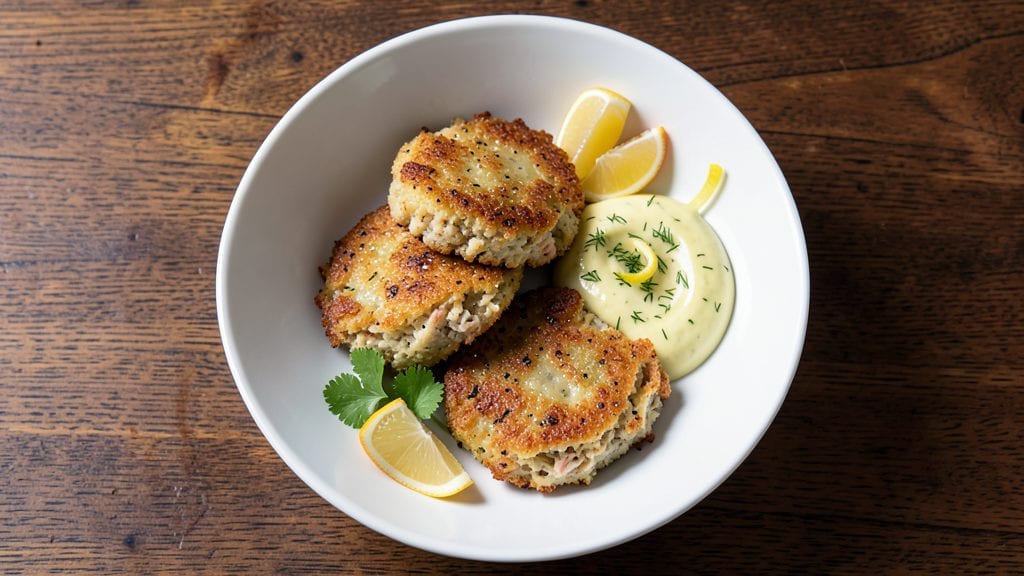
The original Old Bay crab cake recipe delivers that perfect spiced crunch and flaky texture everyone craves at gatherings. The secret lies in properly prepping the crab meat—pat it dry to remove excess moisture, then bind it with mayo and lemon for that signature tender yet crispy finish.
I’ve perfected this method over countless batches, ensuring every bite stays cohesive while absorbing the bold, savory notes of Old Bay seasoning.
The cooking process is straightforward but requires precision: pan-searing for a golden crust or baking at 375°F for 12-15 minutes to achieve even doneness.
A light breading of flour and egg wash creates that addictive crunch, while the Old Bay—1-2 tablespoons per pound of crab—infuses each cake with its signature zesty, peppery kick.
The result is a crab cake that’s flaky on the inside and crispy on the outside, with a flavor profile that’s both comforting and sophisticated.
Serve these crab cakes with classic accompaniments like lemon wedges, fresh parsley, and a side of tangy coleslaw or crisp roasted potatoes. They’re ideal for appetizers, game day spreads, or a seafood-centric brunch.
The key to success? Don’t overmix the crab mixture—gently fold the ingredients to maintain structure, and press the cakes gently in the pan to avoid breaking.
For extra versatility, try adding a pinch of cayenne for heat or using gluten-free breadcrumbs for a dietary-friendly twist. Whether you’re hosting a dinner party or simply craving a taste of the coast, these crab cakes deliver restaurant-quality results with minimal effort. Let’s get started!
Ingredients for original old bay crab cake
Pantry staples meet premium seafood for this iconic coastal classic—where Old Bay's signature blend meets flaky crab.
| Ingredient | Amount | Notes |
|---|---|---|
| Fresh Lump Crab Meat 🦀 | 1 ½ lb | Backfin preferred, shell-on if available |
| Mayonnaise 🥛 | ¼ cup | Dijon-style preferred for tang |
| Fresh Lemon Juice 🍋 | 2 tbsp | From 1 small lemon, freshly squeezed |
| Old Bay Seasoning 🌶️ | 2 tbsp | Original blend, not imitation |
| All-Purpose Flour 🌾 | ½ cup | For light breading, sifted |
| Large Eggs 🥚 | 2 whole | Room temperature for even coating |
| Panko Breadcrumbs 🍞 | ½ cup | Light and crispy texture |
| Extra-Virgin Olive Oil 🫒 | 2 tbsp | For pan-searing, high smoke point |
| Unsalted Butter 🧈 | 2 tbsp | Melted for basting, full-fat |
| Fresh Parsley 🌿 | ¼ cup | Chopped, flat-leaf preferred |
| Fresh Chives 🌱 | 2 tbsp | Minced, for garnish |
| Kosher Salt 🧂 | ½ tsp | Diamond Crystal preferred |
| Ground Black Pepper 🌶️ | ¼ tsp | Freshly cracked |
| Cayenne Pepper 🔥 | ¼ tsp | Optional for heat |
The crab meat is non-negotiable—backfin lump delivers that melt-in-your-mouth texture, while shell-on pieces add subtle sweetness. Trader Joe's and Whole Foods consistently carry the best quality, though any reputable seafood counter will have it. If using frozen, thaw overnight in the fridge—never under running water, as it turns crab to mush. The Old Bay seasoning must be the original blend; imitations lack the proper celery seed complexity that makes these cakes sing. For extra authenticity, consider adding 1 teaspoon of celery salt to the mix, though it's optional. The mayo should be Dijon-style for that subtle tang that cuts through the richness of the crab.
No Old Bay? Mix 1 tbsp paprika, 1 tsp garlic powder, 1 tsp onion powder, 1/2 tsp black pepper, 1/4 tsp cayenne, and 1/4 tsp thyme for a close approximation. Running short on panko? Gluten-free breadcrumbs or crushed cornflakes work beautifully—just toast them first for better crispiness. The lemon juice can be substituted with 1 tbsp white vinegar plus 1 tsp sugar if you're out, though fresh lemon is ideal. For a lighter texture, some chefs replace half the mayo with 1/4 cup sour cream, but I find the mayo's emulsifying properties are crucial for binding. If your crab meat feels too moist, pat it thoroughly with paper towels before mixing—this is the single most important step for achieving that perfect flaky interior.
Crab cakes brown quickly, so work in batches—2 at a time—to maintain even cooking. Store any leftovers in an airtight container with a damp paper towel to prevent drying, and refrigerate for up to 2 days. For longer storage, freeze uncooked cakes on a tray before transferring to a bag—this prevents them from sticking. Reheat gently in a 350°F oven for 10-12 minutes or until warmed through. The secret to restaurant-quality results? Don't overmix the batter—just gently fold the ingredients together, as overworking develops gluten and makes the cakes tough. And always serve with lemon wedges—freshly squeezed—to cut through the richness.
Why You'll Love This Recipe
- Here’s what sold me: these hold up amazingly for leftovers. Reheat them in a skillet with a splash of water or butter, and they’re just as good the next day. Store them with a damp paper towel in an airtight container, and they’ll stay moist for up to 2 days—no sad, dry crab cakes here.
- No-Fuss Assembly: I’ll be real—this isn’t one of those recipes where you spend 20 minutes prepping. Just toss that 1.5 lb fresh lump crab meat with Dijon mayo and lemon juice, fold in Old Bay and parsley, and you’re 80% done. The magic happens in the breading station: flour, egg, panko—three bowls, three dips, and boom, you’ve got golden-brown perfection waiting for the pan.
- Crispy Outside, Creamy Inside: That panko breading and butter + olive oil sear? Chef’s kiss. The exterior gets this irresistible crunch while the inside stays tender from the mayonnaise and fresh lemon juice binding the crab. Trust me, the first bite will make you forget all about sad, mushy crab cakes from the past.
- Leftover Hack: Here’s what sold me: these hold up amazingly for leftovers. Reheat them in a skillet with a splash of water or butter, and they’re just as good the next day. Store them with a damp paper towel in an airtight container, and they’ll stay moist for up to 2 days—no sad, dry crab cakes here.
Step-by-step instructions for original Old Bay crab cakes
Mastering these crab cakes delivers the signature flaky texture and aromatic Old Bay spice profile.
Prepare the Crab Mixture
In a large mixing bowl, combine the 1.5 lb fresh lump crab meat with the 0.25 cup mayonnaise and 2 tbsp fresh lemon juice. Use your hands to gently fold these ingredients together until fully incorporated. The crab should be moist but not soupy—this ensures proper binding without making the cakes too dense.
In a small bowl, whisk together the 2 tbsp Old Bay seasoning, 0.5 tsp kosher salt, 0.25 tsp ground black pepper, and 0.25 tsp cayenne pepper. Sprinkle this spice blend evenly over the crab mixture and fold in with a rubber spatula. Add the 0.25 cup chopped fresh parsley and mix gently to distribute. The mixture should hold together when pressed but remain light enough to shape easily. If it feels too loose, add 1 tbsp all-purpose flour at a time until it achieves the right consistency.
Create the Breading Station
Set up three shallow bowls: one with the 0.5 cup all-purpose flour, one with the 2 whole large eggs lightly beaten, and one with the 0.5 cup panko breadcrumbs. The flour should be sifted for an even, fine coating. The eggs should be at room temperature to ensure a smooth, even layer. The panko should be kept dry to maintain its crisp texture.
Work with one crab cake at a time to prevent drying. Using a ¼-cup measuring scoop, portion the crab mixture and gently shape it into 4 equal patties, each about ½-inch thick. Press down firmly to compact the mixture without compressing it too tightly—this creates the signature flaky interior. Place the shaped patties on a parchment-lined plate and cover loosely with plastic wrap while you bread them.
Bread and Chill for Crispy Results
Dredge each crab cake first in the all-purpose flour, tapping off any excess. Next, dip into the beaten eggs, allowing any excess to drip off before rolling in the panko breadcrumbs. Press the breadcrumbs firmly onto all sides to ensure an even, crispy crust. Place the breaded crab cakes on a wire rack set over a baking sheet to allow air circulation and prevent sogginess.
Refrigerate the breaded crab cakes for at least 30 minutes—this step is critical. The chilling time allows the breading to adhere firmly and sets up the structure for perfect crispiness when cooked. If you're short on time, you can chill them for 15 minutes in the freezer, but 30 minutes at room temperature yields the best texture.
Cook to Golden Perfection
Heat a large skillet over medium heat and add 2 tbsp extra-virgin olive oil and 2 tbsp unsalted butter. Allow the butter to melt and foam, then reduce the heat to medium-low to prevent burning. This gentle heat ensures even cooking without over-browning the exterior before the interior is fully set.
Carefully place the chilled crab cakes in the skillet, being mindful not to overcrowd—cook 2 at a time for even browning. Cook for 3-4 minutes per side until the breading is deep golden brown and the crab cakes release easily from the pan. The internal temperature should reach 145°F when checked with an instant-read thermometer. If the breading isn't crispy enough, transfer the cooked crab cakes to a 400°F oven for 2-3 minutes to finish.
Serve with Fresh Garnishes
Transfer the cooked crab cakes to a serving platter and immediately sprinkle with the 2 tbsp minced fresh chives. The chives add a bright, fresh contrast to the rich, spiced crab cakes. Serve while hot, with lemon wedges on the side for an extra tangy finish. The flaky texture should be evident when you cut into one—each bite should reveal a crispy exterior giving way to a tender, moist interior infused with Old Bay's signature warmth.
Pro Tips For Making Original Old Bay Crab Cake
- Press Don’t Pack: DESCRIPTION: When shaping the crab cakes, press the mixture firmly but resist the urge to squeeze like you’re making a hockey puck. Too much pressure flattens the lumps and kills that sought-after flaky texture. Think "gentle compression"—just enough to hold the shape, not to turn it into a dense brick.
- Sift That Flour: DESCRIPTION: Skimping on sifting the 0.5 cup all-purpose flour for breading is how you end up with a lumpy, uneven crust. I learned this the hard way after my first batch looked like it had been rolled in gravel. A quick sift removes clumps and ensures that fine, even layer—no fancy tools needed, just tap the bowl with your palm a few times.
- Chill or Freeze: DESCRIPTION: That 30-minute fridge chill isn’t optional—it’s the difference between a crumbly mess and a golden, crispy cake. If you’re really pressed for time, 15 minutes in the freezer works, but don’t skip it entirely. Cold breading sticks better and cooks more evenly, so resist the urge to rush this step, even if you’re starving.
- Butter First, Then Oil: DESCRIPTION: Start with 2 tbsp extra-virgin olive oil in the pan, but add the 2 tbsp unsalted butter after it’s hot. The butter melts into a flavorful foam that bastes the crab cakes while they cook, giving them that rich, buttery finish. Skip this, and you’re left with dry, one-note crab cakes—trust me, your taste buds will notice.
Troubleshooting this dish
Cakes Falling Apart?
If your crab cakes crumble when shaping or cooking, it’s usually due to excess moisture in the crab meat. Always pat the 1.5 lb lump crab meat dry with paper towels before mixing—this removes excess liquid that weakens the structure.
If the mixture still falls apart, add 1 tbsp all-purpose flour at a time until it holds together when pressed. Avoid overmixing, as this can toughen the texture. 💡
Breading Not Crispy?
For that signature crispy exterior, ensure your panko breadcrumbs are dry and press them firmly onto all sides of the cakes. Chill the breaded cakes for 30 minutes before cooking—they’ll hold their shape better and crisp up perfectly.
If the breading still isn’t crispy, finish cooking in a 400°F oven for 2-3 minutes to toast the crust. 🔥
Cakes Stick to Pan?
Prevent sticking by using a well-seasoned skillet or nonstick pan. Heat the 2 tbsp olive oil and 2 tbsp butter until shimmering but not smoking, then reduce heat to medium-low.
This creates a nonstick surface while browning the cakes evenly. If they stick, use a silicone spatula to gently loosen them—never pry with a metal utensil. ✨
Undercooked Interiors?
Crab cakes cook quickly, so use an instant-read thermometer to check for 145°F internal temperature. If they’re undercooked, return them to the skillet or oven for 1-2 minutes until fully done.
The medium-low heat ensures even cooking without burning the exterior. Overcrowding the pan also slows cooking—cook in batches for best results. 🌡️
Soggy Bottoms?
Soggy bottoms happen when cakes sit in their own juices. Cook them on a wire rack over a baking sheet to allow air circulation, and avoid overcrowding the pan.
If the bottoms are still soggy, increase the oven-finishing step to 3-4 minutes to crisp them up. Press gently when flipping to avoid breaking. 💛
Nutrition facts
Frequently asked questions
Why does my crab cake mixture fall apart when shaping?
The moisture in crab meat is often the culprit! Always pat the 1.5 lb lump crab meat dry with paper towels before mixing. If it's still too loose, add 1 tbsp all-purpose flour at a time until it holds together when pressed. Overmixing can also toughen the texture, so fold gently with your hands or a spatula.
How do I get the breading to stay crispy after cooking?
Crispy breading starts with chilling! After breading, refrigerate the cakes for 30 minutes before cooking. Press the panko breadcrumbs firmly onto all sides and use a wire rack during cooking to allow air circulation. For extra crispiness, finish in a 400°F oven for 2-3 minutes after pan-searing.
Can I make these crab cakes ahead of time?
Shape and bread the cakes, then refrigerate them uncovered on a wire rack for up to 24 hours. Cook directly from the fridge, adding 1-2 extra minutes to the cooking time. For best texture, freeze uncooked cakes on a tray before bagging—reheat in a 350°F oven for 10-12 minutes.
What’s the best way to prevent crab cakes from sticking to the pan?
Use a well-seasoned or nonstick skillet and heat the 2 tbsp olive oil and 2 tbsp butter until shimmering but not smoking. Reduce heat to medium-low before adding the cakes. If they stick, use a silicone spatula to gently loosen them—never pry with metal. Cook in batches for even browning.