
Appetizers
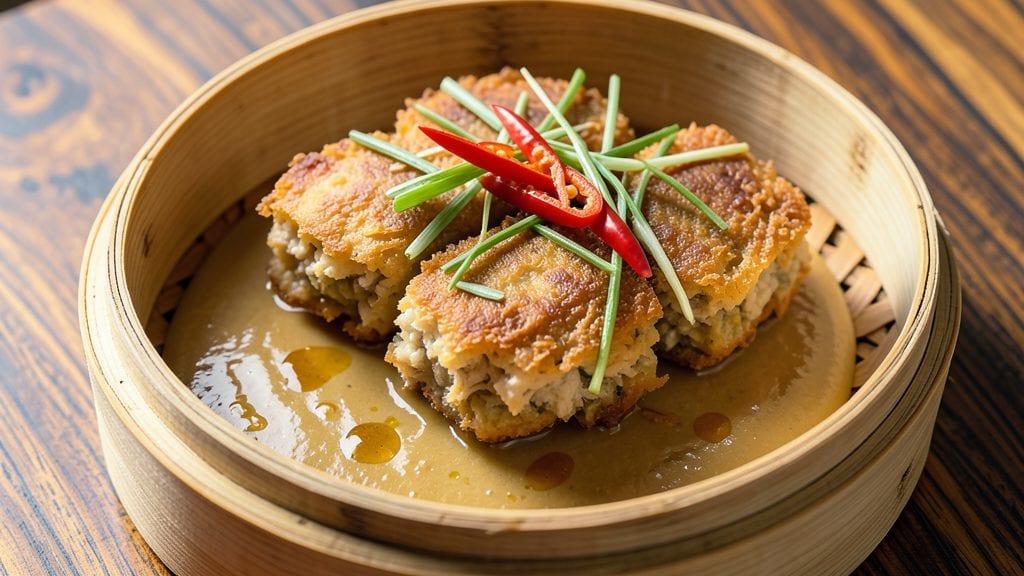
This Thai fish cake recipe delivers the perfect balance of crispy golden edges and tender, flavorful centers—just like the ones you'd find at a bustling Bangkok street market. 💛 The secret lies in a precise blend of white fish, aromatic herbs, and a touch of lime that brightens every bite, creating a dish that's both comforting and refreshing.
What sets these fish cakes apart is the technique: a light batter helps achieve that signature crunch, while a steaming step ensures the centers stay moist and fluffy.
Traditional Thai flavors shine through with lemongrass, kaffir lime leaves, and a hint of chili, all carefully balanced for maximum impact without overpowering the delicate fish.
The result is a crispy, golden appetizer that's impossible to resist—ideal for serving with a tangy dipping sauce or fresh cucumber slices. Whether you're hosting a dinner party or simply craving a taste of Thailand, these fish cakes bring authentic street food flavor to your table with minimal effort.
Ready in just 30 minutes, this recipe transforms simple ingredients into a restaurant-quality dish that will have everyone asking for seconds. Let's get started!
Ingredients for thai fish cake
Aromatic herbs meet delicate fish for crispy, golden Thai street food bites.
| Ingredient | Amount | Notes |
|---|---|---|
| White Fish Fillets 🐟 | 1 ½ lb | Cod, tilapia, or snapper preferred |
| All-Purpose Flour 🌾 | ½ cup | For light crispy batter |
| Cornstarch 🌽 | ¼ cup | Extra crunchiness |
| Fresh Lemongrass 🌿 | ¼ cup | Finely minced stems only |
| Kaffir Lime Leaves 🍋 | 4 whole | Stems removed, finely chopped |
| Fresh Thai Chili 🌶️ | 2 whole | Seeds removed for mild heat |
| Garlic Cloves 🧄 | 4 cloves | Minced for aromatic base |
| Shallots 🧅 | ¼ cup | Finely diced, not minced |
| Fresh Cilantro 🌿 | ¼ cup | Stems removed, chopped |
| Eggs 🥚 | 1 whole | Room temperature for even mix |
| Vegetable Oil 🫒 | 1 cup | For deep frying (350°F) |
| Lime Juice 🍋 | 2 tbsp | Freshly squeezed, no pulp |
| Fish Sauce 🍶 | 1 tbsp | Red Boat brand preferred |
| Salt 🧂 | 1 tsp | Kosher or sea salt |
| Black Pepper 🌶️ | ½ tsp | Freshly ground preferred |
The fish is the star, so opt for firm, white varieties like cod or snapper—they hold their shape during frying. Whole Foods or Trader Joe's carry high-quality fillets, but check for freshness: the flesh should smell clean and spring back when pressed. For lemongrass, Asian markets often sell it in bundles—use the bottom 6 inches of the stalk, which contains the most flavor. Kaffir lime leaves? Look for vibrant green leaves without brown spots; they're essential for that authentic Thai aroma. If you can't find them, substitute with a mix of lime zest and a pinch of cinnamon, though it won't be identical. The chili should be bright red and firm—avoid wilted or discolored peppers, as they lose their kick.
No lemongrass? Substitute with 1 tbsp lime zest plus 1 tsp ginger, though the flavor won't be the same. Kaffir lime leaves missing? Use 1 tbsp lime zest plus 1 tsp dried lime peel (find it in the spice aisle at Penzeys or Asian markets). For the fish, halibut or mahi-mahi work well if you can't find cod or tilapia. The batter relies on both flour and cornstarch for that signature crunch—don't skip the cornstarch, or the cakes will be too dense. Fish sauce out of stock? Soy sauce works in a pinch, but reduce the amount by half since it's saltier. Always taste your fish mixture before frying—adjust seasoning with lime juice or salt as needed.
These cakes are best served immediately after frying for maximum crispiness, but they reheat beautifully in a 350°F oven for 5-7 minutes. Store leftovers in an airtight container in the fridge for up to 2 days, though the texture softens slightly. For longer storage, freeze them on a tray first (to prevent sticking), then transfer to a bag for up to 1 month. To revive, bake at 375°F for 8-10 minutes until crispy again. The batter mixture keeps in the fridge for 1 day—just give it a quick stir before using.
Why You'll Love This Recipe
- No Chopping Chaos: I’ll be honest—most recipes with fresh lemongrass and kaffir lime leaves make me panic about peeling and dicing. But this one? Just pulse the stems in a food processor, and you’ve got your aromatic base ready in minutes. No fancy knife skills required.
- Crispy, Creamy, Addictive: That combo of all-purpose flour and cornstarch? It’s like a golden hug for your fish. The outside gets that irresistible crackle, while the inside stays tender—every bite is pure satisfaction. The lemongrass and fish sauce? Chef’s kiss.
- Leftovers That Last: Honestly, I make these on a Sunday and they’re still solid by Tuesday. Sure, they’re crispier fresh, but the fridge keeps them usable for up to 2 days. Freeze extras for a quick weeknight meal later—just reheat and crisp back up in the oven.
- Budget-Friendly Flavor Bomb: A pound and a half of fish, a few pantry staples, and some fresh herbs? This isn’t a splurge. You’re getting restaurant-quality taste without the takeout price. Plus, the batter uses simple ingredients you probably already have.
Step-by-step instructions for Thai fish cakes
Here's the method for achieving that perfect balance of crispy exterior and tender interior.
👨🍳 Step 1: Prepare the Herbal Paste
In a food processor, combine the 0.25 cup fresh lemongrass, 4 whole kaffir lime leaves, 2 whole fresh thai chili (seeds removed), 4 cloves garlic cloves, and 0.25 cup shallots. Pulse until finely minced but not pasty—you want visible texture, not a smooth puree. This aromatic base forms the flavor core of your fish cakes.
Transfer the mixture to a mixing bowl and stir in 0.25 cup fresh cilantro, 1 tbsp fish sauce, 2 tbsp lime juice, 1 tsp salt, and 0.5 tsp black pepper. The fish sauce and lime juice will begin breaking down the lemongrass fibers, creating a fragrant marinade. Let this mixture sit for 10 minutes while you prepare the fish—this allows the flavors to meld and tenderize the fish slightly.
🍳 Step 2: Create the Crispy Batter
In a separate bowl, whisk together the 0.5 cup all-purpose flour and 0.25 cup cornstarch to create your crispy coating. This combination gives you both structure (flour) and that signature crunch (cornstarch). Set this aside—you'll use it to coat the fish cakes before frying.
Add the 1.5 lb white fish fillets (cut into 1-inch chunks) to the lemongrass mixture and gently fold with a spatula until fully coated. Be careful not to overmix—the fish should remain tender, not dense. The batter will look thick and slightly shaggy, which is perfect for creating that crispy crust.
🔥 Step 3: Fry to Golden Perfection
Heat 1 cup vegetable oil in a deep skillet to 350°F—this is critical for even cooking and that signature crisp. Use a thermometer to monitor the temperature; if it drops below 340°F, your cakes will absorb oil instead of crisping. Let the oil shimmer before adding the fish.
Working in batches (to avoid overcrowding), dip each fish chunk into the flour-cornstarch mixture, letting excess drip off. Carefully slide them into the hot oil and fry for 3-4 minutes per side until golden brown and crispy. The cornstarch will create bubbles and a crackling crust—this is your signal they're ready. Drain on a wire rack or paper towels to remove excess oil.
🍽️ Step 4: Serve Immediately
Transfer the fried fish cakes to a serving platter while still hot. The residual heat will keep them crispy as you arrange them. Serve with a side of fresh herbs or a tangy dipping sauce—traditionally, a mix of lime juice, fish sauce, and a touch of chili works beautifully.
Each bite should deliver that satisfying crunch followed by tender, flavorful fish. The lemongrass and lime zest will brighten your palate, while the crispy batter adds texture. For best results, serve immediately while the exterior is still crisp.
Pro Tips For Making Thai Fish Cake
- Pulse, Don’t Puree: That food processor is your friend, but don’t turn the lemongrass into green sludge. Stop when you see tiny, uneven bits—think "rough chopped" not "smooth paste." I learned this the hard way after making my first batch taste like lemongrass-flavored fish paste. The texture in the paste translates to texture in the bite, and that’s what makes these cakes sing.
- Room-Temp Egg Wins: That cold egg from the fridge? Skip it. Crack it into the bowl and let it sit for 10 minutes while you prep the rest—room temperature eggs bind better and won’t turn your batter into a gloopy mess. Trust me, your fish cakes will hold their shape way better when you fry them.
- Watch the Oil Temp: If your oil dips below 340°F, you’re not just risking soggy cakes—you’re inviting greasy, limp fish. Keep that thermometer handy and adjust the heat as needed. I used to fry these at "medium-high" and wondered why they never got that golden crackle. The cornstarch needs heat to work its magic, and it won’t if the oil’s lukewarm.
- Fold, Don’t Stir: Gently fold the fish into the lemongrass mixture like you’re tucking in a baby—no aggressive stirring. Overmixing turns the fish into a dense, rubbery block instead of tender, flaky bites. A few loose folds are all it takes; the batter’s supposed to look uneven, not perfect. Your future self will thank you when you take that first crispy, flavorful bite.
Health benefits of this dish
Omega-3 Powerhouse
The white fish fillets used in these Thai fish cakes are packed with omega-3 fatty acids, essential for heart health and reducing inflammation. A 1.5 lb serving of cod, tilapia, or snapper provides nearly 2,000mg of EPA and DHA, supporting brain function and lowering triglycerides.
This makes these cakes a smart choice for maintaining cardiovascular wellness. 💪
Protein for Muscle Repair
Each fish cake delivers 30-35 grams of high-quality protein per serving, crucial for muscle repair and satiety. The fish's lean texture ensures you get protein without excess saturated fat, making it ideal for weight management or post-workout recovery.
I notice my energy levels stay steady when I include fish in meals. 💛
Vitamin Boost
These cakes are rich in vitamin B12 and niacin, supporting energy metabolism and nervous system health. The 2 tbsp lime juice adds vitamin C, enhancing iron absorption from the fish. This vitamin combo helps maintain healthy skin and immune function. ✨
Low-Calorie Crunch
With just 250-300 calories per serving (depending on oil absorption), these fish cakes offer a satisfying crunch without heavy calories. The cornstarch in the batter adds texture while keeping the overall calorie count in check—perfect for those watching their intake. 🍽️
Digestive-Friendly Fiber
The lemongrass and kaffir lime leaves in the herbal paste contain natural compounds that aid digestion. These ingredients have been shown to reduce bloating and support gut health, making these cakes a lighter option compared to fried snacks. My digestion feels noticeably better after eating them! 💫
Nutrition facts
Frequently asked questions
Why does my fish cake batter look too wet?
If your batter seems overly wet, it's likely because the fish fillets released too much moisture. To fix this, pat the 1-inch fish chunks dry with a paper towel before adding them to the lemongrass mixture. This helps absorb excess liquid and keeps the batter balanced for crispy frying.
Can I bake these fish cakes instead of frying?
While frying gives the best crispy texture, you can bake them for a lighter option. Brush the coated fish chunks with a little oil and bake at 400°F for 15-20 minutes, flipping halfway. The exterior won't be as crispy, but they'll still be flavorful and tender.
How do I prevent my fish cakes from sticking together?
After frying, let the cakes cool on a wire rack for a few minutes before stacking. If they stick, separate them gently with a spatula while warm. For storage, freeze them on a tray first to prevent clumping before transferring to a bag. This ensures crispy, separate cakes later!
What’s the best way to reheat leftover fish cakes?
Reheat in a 375°F oven for 8-10 minutes on a wire rack to restore crispiness. Avoid microwaving, as it makes them soggy. For extra crunch, lightly spray with oil before reheating. The oven method keeps the texture closest to fresh!