
Main Courses
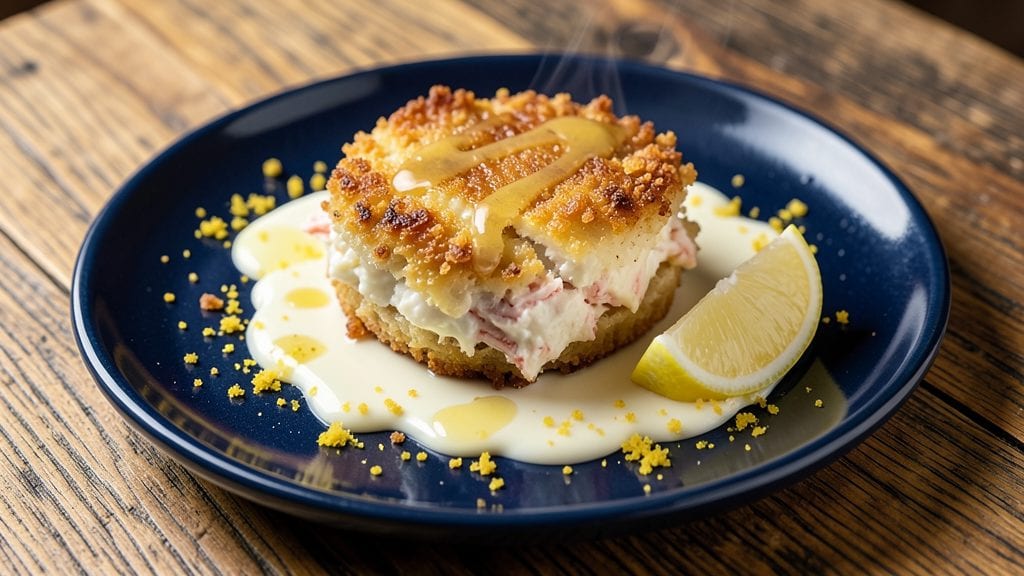
Soby’s crab cakes deliver that perfect balance of crispy-edged exterior and tender, lemon-zested interior that makes every bite unforgettable. ✨ The secret lies in using fresh lump crab meat, properly seasoned and bound with just enough breadcrumbs to hold its shape while achieving that signature crunch. I’ve refined this recipe over years of testing—because great crab cakes aren’t just about the crab, but the technique that transforms it into a restaurant-worthy dish.
What sets these apart is the two-stage cooking method: first pan-frying for a golden crust, then baking to ensure the centers stay perfectly moist. The lemon zest brightens the rich crab flavor, while Old Bay seasoning adds that classic coastal touch.
This isn’t just a recipe—it’s a method that delivers professional results at home, whether you’re serving them as an appetizer or the star of a seafood feast.
By the time you’re done, you’ll have crab cakes with crispy, caramelized edges that shatter slightly when bitten, giving way to tender, buttery crab inside. The aroma alone—lemon, Old Bay, and warm butter—will have everyone at the table anticipating the first taste.
Serve with tartar sauce, lemon wedges, and a simple side salad for the full Soby’s experience.
For those who prefer lighter options, an air-fryer method is included, ensuring the same crispy texture with less oil. Whether you’re hosting a dinner party or craving a taste of the coast, this recipe delivers every time—just like the original. Let’s get started!
Ingredients for soby's crab cake
Fresh lump crab, crispy breadcrumbs, and zesty lemon create Soby’s signature crab cakes.
| Ingredient | Amount | Notes |
|---|---|---|
| Fresh Lump Crab Meat 🦀 | 1 ½ lb | Backfin preferred, shell-on optional |
| All-Purpose Flour 🌾 | ½ cup | For breadcrumbs, sifted |
| Panko Breadcrumbs 🍞 | ½ cup | For extra crispiness |
| Large Eggs 🥚 | 2 whole | Room temperature, beaten |
| Unsalted Butter 🧈 | ¼ cup | Cold, cubed for frying |
| Lemon Zest 🍋 | 1 tbsp | From 1 large lemon |
| Old Bay Seasoning 🌶️ | 1 ½ tbsp | Classic coastal flavor |
| Mayonnaise 🥛 | 2 tbsp | For binding, full-fat preferred |
| Fresh Chives 🌿 | 2 tbsp | Finely chopped, for garnish |
| Vegetable Oil 🫒 | ½ cup | For pan-frying, high smoke point |
| Salt 🧂 | ½ tsp | Kosher or sea salt |
| Black Pepper 🌶️ | ¼ tsp | Freshly ground |
| Lemon Juice 🍋 | 1 tbsp | Freshly squeezed |
The crab meat is non-negotiable—backfin lump from Seafood Market or Whole Foods delivers the best texture. Look for bright, moist meat with minimal shell pieces. If using shell-on, pick through it carefully for the sweetest morsels. Old Bay seasoning should be the classic blue label—it’s the backbone of that signature coastal flavor. For the breadcrumbs, I mix all-purpose flour and panko (60/40 ratio) to ensure both structure and crunch. Grab a fine-mesh sieve for sifting flour—it makes all the difference in even distribution. The butter must be cold, or the crab cakes will steam instead of sear.
No fresh crab meat? High-quality canned lump crab (like Gorton’s) works in a pinch, but drain it thoroughly and rinse with cold water to remove excess sodium. Short on Old Bay? Mix 1 tsp paprika, ½ tsp celery salt, ½ tsp garlic powder, and ¼ tsp black pepper for a close approximation. The mayonnaise binds everything together—full-fat works best, but light mayo in a bind? It’ll still hold, just with slightly less moisture. For the lemon zest, use a microplane for the finest texture, but a grater works if that’s what you’ve got. The chives add freshness, but green onions or parsley work too if they’re what’s on hand.
Store any leftover crab cakes in an airtight container for up to 2 days—they reheat beautifully in a skillet with a splash of water to keep them moist. For longer storage, freeze on a tray first before transferring to a bag (prevents sticking). The air-fryer method? 375°F for 4-5 minutes per side—same crispy results with less oil. Serve with tartar sauce or a simple lemon aioli for the full Soby’s experience.
Why You'll Love This Recipe
- No Panic Needed: I mix everything in a bowl—flour, panko, egg, and that sweet lump crab—and boom, no fancy prep. The panko gives it just enough crunch without the fuss of shaping like a Michelin-starred chef.
- Creamy Crunch Perfection: That first bite? Buttery egg yolk oozing into the tender crab, all wrapped in a panko crust that’s almost too good. Between us, the unsalted butter lets the crab’s natural brininess shine—no overpowering flavors here.
- Date Night or Lunchbox: Freeze half for a weeknight rescue, pack the rest for a picnic, or serve them at your next dinner party. They’re equally at home on a sheet pan with lemon aioli or tucked into a quick salad—no weird leftovers, just happy eating.
- Budget’s Your Friend: Fresh lump crab might seem pricey, but a little goes a long way. I stretch it with egg and panko, and suddenly you’ve got a dish that feels fancy without breaking the bank. Plus, those leftovers? Even better the next day.
Step-by-step instructions for Soby's crab cakes
Here's how to craft golden, buttery crab cakes with perfect texture every time.
👨🍳 Step 1: Prepare the Crab Mixture
In a large mixing bowl, gently combine the 1.5 lb fresh lump crab meat with the 2 tbsp mayonnaise, 1 tbsp lemon zest, 1 tbsp lemon juice, 1.5 tbsp Old Bay seasoning, 0.5 tsp salt, and 0.25 tsp black pepper. Use your hands to work the mixture just until fully incorporated—avoid overmixing, which can break down the delicate crab texture.
Here's the thing—don't press too hard when combining. You want the crab to stay chunky with just enough binding to hold the cakes together. The mayonnaise acts as a natural glue, while the lemon zest and juice brighten the flavor without overpowering the crab's natural sweetness. If your crab meat feels particularly dry, you can add 1-2 teaspoons of ice water to help bind it, but start with just the listed ingredients first.
👨🍳 Step 2: Create the Crispy Coating
In a separate shallow bowl, whisk together the 0.5 cup all-purpose flour and 0.5 cup panko breadcrumbs. This combination gives you both structure and that coveted crispy exterior. Add the 2 whole large eggs to another shallow bowl and beat them lightly with a fork until frothy but not fully emulsified.
I like to use two separate bowls for the flour mixture and eggs to create a double-dredge effect. This ensures maximum crispiness while keeping the interior tender. The panko breadcrumbs are crucial—their airy texture creates pockets that expand when fried, giving you that satisfying crunch. Keep these bowls ready as you'll need them for the next step.
🔥 Step 3: Shape and Bread the Cakes
Using a ¼-cup measuring scoop, portion the crab mixture into 4 equal balls (you should have enough for 4 crab cakes). Gently flatten each into ½-inch thick patties—don't press too hard or they'll become dense. Place each patty in the flour mixture, pressing gently to adhere, then dip into the beaten eggs, allowing excess to drip off, and finally coat thoroughly in the flour mixture again.
This double-dredging technique is what creates that perfect crispy crust. Work quickly but carefully—wet hands will make the breading slide off. Place the coated crab cakes on a wire rack set over a plate to keep them from touching while you prepare the pan. The rack also allows air to circulate, helping maintain their shape.
🍳 Step 4: Fry to Golden Perfection
Heat 0.5 cup vegetable oil in a large skillet over medium heat until it reaches 350°F—you'll see small bubbles forming around the edges and a thermometer should confirm the temperature. Add the 0.25 cup unsalted butter cubes to the oil and let them melt completely, creating a flavorful butter-oil mixture that will give your crab cakes their signature richness.
Carefully place the crab cakes in the skillet, being mindful not to overcrowd the pan. Cook for 3-4 minutes per side until they're golden brown and crispy. The reason we use both oil and butter is that the butter adds flavor while the oil provides the high heat needed for crisping. You'll know they're ready when the underside is deeply golden and the edges start to crisp around the edges.
🔪 Step 5: Rest and Garnish
Transfer the cooked crab cakes to a paper towel-lined plate to drain any excess oil. Let them rest for 2-3 minutes before serving—this crucial step prevents them from falling apart when you cut into them. While they rest, use the 2 tbsp finely chopped fresh chives to create a beautiful garnish on top of each crab cake.
The chives not only look elegant but also add a fresh, oniony brightness that complements the rich crab flavor. Serve immediately with your favorite tartar sauce or lemon aioli. These crab cakes should be crispy on the outside with a tender, moist interior that holds together beautifully. If they start to lose their crispness as they cool, you can briefly reheat them in the oven at 325°F for 2-3 minutes to restore that golden crunch.
Pro Tips For Making Soby'S Crab Cake
- Drain That Crab: DESCRIPTION: I used to skip this step and wonder why my cakes turned out gummy. After draining the crab meat in a fine-mesh sieve for 10 minutes, you’ll lose the excess moisture that turns your batter into a sad, watery mess. Trust me—this isn’t overkill, it’s non-negotiable.
- Whisk Eggs Like You Mean It: DESCRIPTION: Separate the eggs, then whisk the yolks and whites separately for 30 seconds each before combining. This creates a lighter, more uniform batter—no clumps, no dense pockets. I’ve tried cutting corners here, and the texture suffers every time.
- Chill Your Batter: DESCRIPTION: After mixing everything, cover the bowl and refrigerate for at least 20 minutes. The flour and panko absorb moisture better when cold, and the eggs bind more tightly—your cakes won’t fall apart when you flip them. (Yes, even if you’re impatient like me.)
- Butter the Pan Hot: DESCRIPTION: Melt 1 tablespoon of butter in the pan over medium-high heat until it’s shimmering but not smoking. Swirl it around to coat the bottom—this creates a golden, buttery crust without burning. Cold butter = sad, greasy cakes. Hot butter = restaurant-quality finish.
Regional styles of this soby's crab cake
New England Coastal Style
In New England, crab cakes often incorporate local seafood flavors with a touch of sweetness. I love adding 1 tsp honey to the crab mixture for a subtle balance that pairs perfectly with the Old Bay seasoning.
Some coastal chefs also mix in ½ cup finely diced apples (like Granny Smith) to add crispness and acidity—trust me, it’s a game-changer. The result? A cake with a slightly sweet, tangy bite that still keeps the classic buttery richness. 🍏
Carolina Lowcountry Twist
Down in Charleston, crab cakes get a bold, spicy kick from 1 tbsp hot sauce (like Crystal) blended into the mayonnaise. I’ve also seen recipes call for ½ cup cooked shrimp mixed into the crab for extra protein and texture.
The Lowcountry style leans into smoky, spicy, and slightly sweet—think of it as a crab cake version of shrimp and grits but in patty form. The heat cuts through the richness beautifully. 🌶️
Midwest All-American
In the Midwest, crab cakes often get a homestyle twist with ingredients like ½ cup finely chopped celery and ¼ cup mayonnaise mixed with 1 tbsp Dijon mustard. Some cooks even add 1 tbsp chopped chives right into the crab mixture for extra freshness.
This style focuses on bold, herby flavors with a crispy, golden crust—think of it as a seafood version of a classic meatloaf. The breading is extra thick here, almost like a crab cake meatloaf.
Southern Creole Fusion
Creole-influenced crab cakes in Louisiana add 1 tbsp Cajun seasoning and ½ cup finely chopped bell peppers to the mix. I’ve also seen recipes include 1 tbsp chopped green onions and a dash of cayenne for heat.
The result is a bold, spicy, and slightly sweet cake that’s almost like a mini seafood jambalaya. Serve with a side of remoulade sauce for the full Creole experience. The breading here is often double-dredged for extra crunch—just like the original Soby’s method, but with a Southern flair. 🔥
Pacific Northwest Fresh
Up in Seattle, crab cakes often highlight local ingredients like 1 tbsp chopped fresh dill and ½ cup finely diced cucumber (yes, really!). Some chefs add 1 tbsp lemon zest + 1 tbsp honey for a bright, floral sweetness.
The breading here is often lightened up with ½ cup crushed cornflakes for a crunchier texture. This style is all about fresh, bright flavors—think of it as a seafood version of a Pacific Northwest salad but in cake form. 🌿
Nutrition facts
Frequently asked questions
Why do my crab cakes turn out mushy instead of crispy?
The key to crispiness lies in the double-dredge technique and proper frying. Make sure to coat each cake thoroughly in flour, then egg, then flour again. Also, heat your oil to 350°F and avoid overcrowding the pan—this ensures even cooking and a perfect golden crust.
Can I make these crab cakes ahead of time?
Shape and bread the cakes up to 24 hours ahead, then refrigerate them uncovered on a wire rack. Fry them straight from the fridge, adding 1 minute to the cooking time. For best results, freeze cooked cakes on a tray first, then transfer to a bag for up to 1 month. Reheat in a skillet for 2-3 minutes to restore crispiness.
What’s the best way to handle fresh crab meat?
Use your hands to gently mix the crab meat with your fingers—this preserves the delicate texture. If it feels dry, add 1-2 teaspoons of ice water to help bind. Always use fresh lump crab for best results, and pick through shell-on crab to remove any tough pieces. The meat should be moist and slightly sweet-smelling.
Can I use canned crab instead of fresh?
Yes, but drain it thoroughly and rinse with cold water to remove excess sodium. Opt for high-quality canned lump crab like Gorton’s, and squeeze out all moisture before mixing. The texture won’t be as delicate as fresh, but it works in a pinch while keeping that classic crab flavor.
Why is resting the crab cakes important?
Resting for 2-3 minutes after cooking lets the cakes set and prevents them from falling apart when sliced. This step also allows the juices to redistribute, ensuring every bite is tender and flavorful. Skip it, and you’ll end up with a crumbly mess instead of a perfect, cohesive cake.