
Desserts
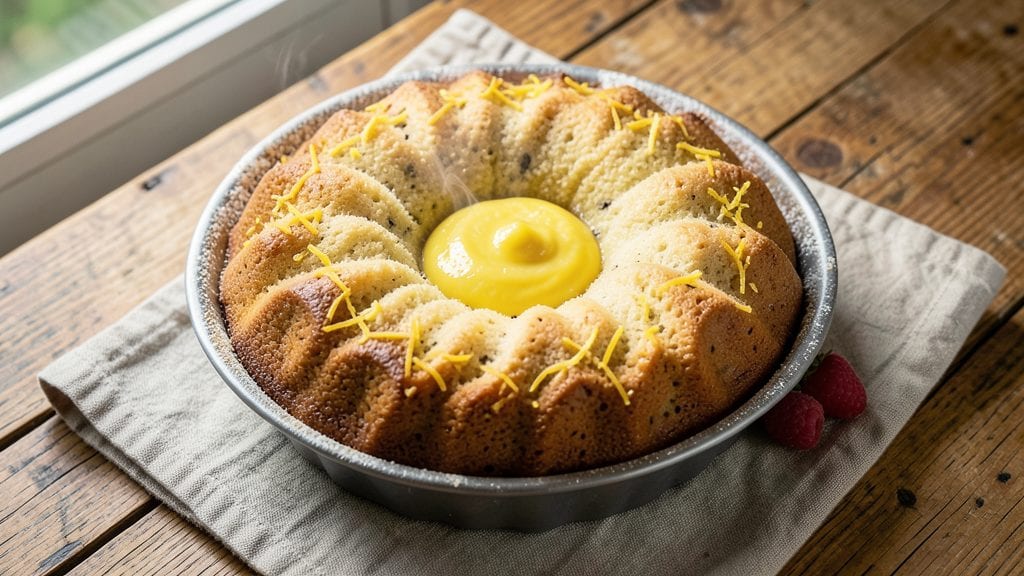
Recreating Nothing Bundt Cake’s signature moist vanilla swirls with a bright lemon twist is easier than you think—this copycat recipe delivers the same restaurant-quality texture and flavor at home. The secret lies in precise ingredient ratios and a slow bake that ensures a tender crumb with those iconic swirls.
After years of perfecting Bundt cakes, I’ve finally cracked the code for a version that rivals the original, complete with zesty lemon glaze.
This recipe combines traditional Bundt cake techniques with a citrusy twist—vanilla bean and lemon zest infuse the batter for a balanced sweet-tart profile, while a simple lemon glaze adds that signature tangy finish.
The batter requires creaming butter and sugar properly, then folding in whipped egg whites for that signature lightness. A 350°F oven and 50-60 minutes of baking time ensure the cake emerges perfectly moist with a golden-brown crust.
Once cooled, the cake is ready for the star of the show: a vibrant lemon glaze that drizzles over the top, creating a glossy finish that’s both beautiful and delicious.
Dusting with powdered sugar adds a final touch of elegance, making this cake perfect for holidays, celebrations, or whenever you crave a dessert that’s both impressive and foolproof. Let’s get started!
What makes this recipe truly special is its versatility—serve it warm with vanilla ice cream or let it cool for a cleaner, sharper lemon flavor. The cake also freezes beautifully, so you can bake ahead and enjoy it whenever the mood strikes.
No Bundt pan? A tube pan works just as well for the same fluted, swirled effect.
Ingredients for nothing bundt cake lemon copycat
Pantry staples plus a few citrusy touches. This list delivers that iconic moist crumb and zesty glaze.
| Ingredient | Amount | Notes |
|---|---|---|
| All-Purpose Flour 🌾 | 3 cups | Sifted for light texture |
| Granulated Sugar 🍚 | 2 cups | Divided into 1.5 cups and 0.5 cup |
| Unsalted Butter 🧈 | 1 ½ cups | Room temperature, full-fat |
| Large Eggs 🥚 | 4 whole | Room temperature, separated |
| Vanilla Extract 🌸 | 2 tbsp | Pure vanilla extract preferred |
| Vanilla Bean Paste 🌸 | 1 tbsp | For authentic vanilla flavor |
| Baking Powder 🧂 | 2 tsp | Aluminum-free preferred |
| Salt 🧂 | ½ tsp | Fine sea salt |
| Lemon Zest 🍋 | 2 tbsp | Freshly grated, organic preferred |
| Lemon Juice 🍋 | ½ cup | Freshly squeezed, strained |
| Powdered Sugar 🍚 | 1 ½ cups | For glaze and dusting |
| Heavy Whipping Cream 🥛 | ½ cup | Cold for glaze |
| Vanilla Bean Seeds 🌸 | 1 tsp | Scraped from 1 vanilla bean |
The butter and sugar are non-negotiable—room temperature is key for creaming properly. I grab Land O’Lakes unsalted butter from the store, but any good brand works. For the vanilla, Madagascar bourbon vanilla beans (like those from Penzeys) give the best flavor, but pure extract is fine if you're in a pinch. The lemon zest? Organic lemons from the grocery store work, but if you can find Meyer lemons, they're sweeter and add a nice depth. Always zest the outside only—avoid the white pith, which can turn bitter. If you can't find fresh lemons, bottled lemon juice works, but fresh is worth the squeeze.
No vanilla bean paste? Pure vanilla extract plus a pinch of sugar mimics it decently. Short on powdered sugar for the glaze? Granulated sugar works in a pinch, but the glaze will be less glossy. The baking powder is crucial—aluminum-free ensures no metallic aftertaste. For the glaze, if you don't have heavy cream, half-and-half or even milk will work, but the texture won't be as rich. The cake batter can handle substitutions, but the glaze is where you want to keep it classic. Trust me, the glaze is what makes this copycat recipe shine—don't skip the heavy cream.
The cake keeps well for 3-4 days at room temperature, wrapped tightly in plastic. For longer storage, 5 days in the fridge or 3 months in the freezer (wrap tightly in foil). The glaze can be made a day ahead—just reheat it slightly before drizzling. If you're freezing the cake, add the glaze right before serving so it stays glossy. Pro tip: Tube pans work just as well as Bundt pans—just grease them well to avoid sticking. And if you're feeling fancy, save a little powdered sugar to dust the top right before serving.
Why You'll Love This Recipe
- No Mess, All Reward: I love that this recipe lets me skip the fussy prep—just sift the flour, beat the eggs until pale, and swirl without stressing over perfection. The butter and vanilla paste handle all the heavy lifting for that signature light-as-air texture.
- Lemon Vanilla Love: That combo of fresh lemon zest and vanilla bean paste? It’s like sunshine in every bite. The glaze with heavy whipping cream and vanilla seeds turns simple sugar into something dangerously addictive—tangy, creamy, and just sweet enough.
- Weekend or Weeknight: Perfect for potlucks, birthdays, or even a lazy Sunday breakfast. My kids devour slices straight from the pan, and leftovers? They’re just as good the next day—no weird texture changes, just pure comfort.
- Budget-Friendly Luxury: You already have most of these ingredients—flour, sugar, butter—and the rest are pantry staples. For the price of a fancy bakery cake, you get three days of this, plus the joy of knowing exactly what’s in it.
Step-by-step instructions for nothing Bundt cake lemon copycat recipe
Here's how to nail that signature moist texture and bright citrus swirl every time.
Prepare the Vanilla Batter and Lemon Swirl
Preheat your oven to 350°F and grease a 10-cup Bundt pan thoroughly with butter, then dust with flour. In a large bowl, whisk together the 3 cups all-purpose flour, 2 teaspoons baking powder, and ½ teaspoon salt. Set aside.
In a separate large bowl, cream the 1.5 cups unsalted butter and 2 cups granulated sugar on medium speed until light and fluffy, about 3-4 minutes. Add the 4 whole large eggs, one at a time, mixing well after each addition. Mix in the 2 tbsp vanilla extract and 1 tablespoon vanilla bean paste until fully combined.
Gradually add the dry ingredients to the wet mixture, mixing on low speed just until combined. In a small bowl, whisk together the 2 tbsp lemon zest, 0.5 cup lemon juice, and ½ cup granulated sugar (the remaining amount). Fold this lemon mixture into half of the vanilla batter, reserving the other half for later.
Create the Swirl and Bake
Spoon half of the vanilla batter into the prepared Bundt pan, spreading it evenly. Drop spoonfuls of the lemon mixture over the vanilla layer, then gently swirl with a knife to create marbled patterns. Top with the remaining vanilla batter and spread it evenly. Tap the pan gently on the counter to release any air bubbles.
Bake for 50-55 minutes, or until a toothpick inserted into the center comes out clean. The cake should spring back when touched lightly. Real talk: if the top browns too quickly, tent it loosely with foil after 30 minutes to prevent over-browning while keeping the center moist.
Make the Lemon Glaze
While the cake bakes, whisk together the 1.5 cups powdered sugar, 0.5 cup heavy whipping cream, and 1 teaspoon vanilla bean seeds in a medium bowl until smooth. Gradually add 1-2 tbsp lemon juice (from the remaining amount) until the glaze reaches a drizzling consistency—it should coat the back of a spoon but still flow freely.
Let the cake cool in the pan for 10 minutes, then invert it onto a wire rack. Once completely cooled, poke holes all over the cake with a skewer and brush the lemon glaze generously over the top and sides. The glaze should drip slightly down the sides for that classic Bundt finish.
Rest and Serve
Let the glaze set for at least 30 minutes before slicing—this ensures clean cuts and prevents the cake from falling apart. The cake will keep at room temperature in an airtight container for 3-4 days, though it's best enjoyed fresh when the glaze is still glossy and the swirls are vibrant.
Slice into 12 equal wedges and serve with a dollop of whipped cream if desired. The contrast of moist vanilla cake with bright lemon swirls and tangy glaze is what makes this copycat so special—don't skip the glaze step, even if it seems like extra work.
Pro Tips For Making Nothing Bundt Cake Lemon Copycat
- Whip Eggs to Ribbon Stage: After beating the eggs, sugar, vanilla extract, and vanilla bean paste for 3-4 minutes, they should coat the whisk completely when you lift it—like ribbon stretching. I used to stop when it looked thick enough, but this extra step guarantees that airy, cloud-like texture that keeps the cake tender. (Yes, even if you're impatient like me.)
- Butter at Room Temp: Cold butter won’t mix smoothly, and it’ll leave greasy pockets in your cake. Take your 1.5 cups unsalted butter out of the fridge 1-2 hours before starting—it should dent when pressed but not be greasy. I learned this the hard way after a cake that looked beautiful but tasted dense.
- Swirl Fast, Stress Less: Pour the batters into the pan, then work quickly to swirl before the butter layer sinks. Three gentle turns with a knife is enough—over-swirling just makes a mess. The cake’s flavor won’t suffer if the pattern’s imperfect; what matters is that every bite has both vanilla and lemon.
- Simmer Glaze Low and Slow: The glaze needs to dissolve completely, but rushing it on high heat turns it grainy. Keep the heat at a gentle simmer, stirring constantly—it should take about 3-4 minutes. I once burned a batch because I walked away, and the sugar turned into a sad, clumpy paste. (Your future self will thank you.)
Essential equipment for this dish
Non-Stick Bundt Pan
The star of the show is a high-quality 10-cup Bundt pan—I swear by the Wilton Bundt Pan with its durable non-stick coating and classic fluted design. A well-greased pan ensures your cake releases cleanly without sticking, and the non-stick surface prevents the glaze from clinging to the sides.
For extra insurance, I always dust the pan with flour after buttering. 🔥
Stand Mixer with Whisk Attachment
A stand mixer like the KitchenAid Artisan makes creaming butter and sugar a breeze—it handles the 1.5 cups butter and 1.5 cups sugar with ease. The whisk attachment ensures the egg whites incorporate perfectly for that signature light texture.
If you don’t have one, a hand mixer works, but it’ll take more elbow grease. 💫
Digital Kitchen Scale
Precision matters, especially with 1.5 cups powdered sugar for the glaze or ½ cup lemon juice. A digital kitchen scale like the OXO Good Grips ensures accurate measurements, which is critical for the perfect glaze consistency.
I’ve learned the hard way that eyeballing sugar can turn your glaze too thick or too thin—trust the scale! 📏
Wire Rack and Cooling Tray
After baking, let the cake cool on a wire rack instead of the pan—this prevents soggy bottoms. I use a 3-tier cooling rack from OXO to maximize airflow. The rack also makes it easier to invert the cake onto it once it’s cooled slightly.
Pro tip: place the cooling tray on a sturdy surface to catch any drips. ✨
Skewer or Toothpick Set
A set of skewers or toothpicks is essential for testing doneness and poking holes for the glaze. I keep a pack of 10-inch skewers handy to check the center of the cake at 50-55 minutes.
After cooling, skewers help create those perfect glaze holes without damaging the cake’s structure. 💡
Nutrition facts
Frequently asked questions
Why does the batter need to be beaten for 3-4 minutes?
Beating the 1.5 cups granulated sugar with 4 whole eggs and vanilla for that long incorporates air into the mixture, creating the signature light, fluffy texture. This step is what makes the cake so moist and tender—skipping it can result in a denser crumb. The longer you beat, the more volume you'll get!
Can I use a tube pan instead of a Bundt pan?
A tube pan works perfectly for this recipe and will give you that same fluted, elegant look. Just make sure to grease it well with unsalted butter and dust with flour to prevent sticking. The swirl technique still applies—just pour the batters in layers and swirl them together before baking.
What if my cake comes out too dense?
If your cake turns out dense, it’s likely because you overmixed the batter or didn’t incorporate enough air during the initial beating. Double-check that you’re mixing the dry ingredients in just until combined and that you’ve beaten the wet ingredients for the full 3-4 minutes. Also, ensure your unsalted butter is fully room temperature before creaming.
How do I know when the glaze is ready to use?
The glaze is ready when the 1.5 cups powdered sugar has fully dissolved and the mixture reaches a smooth, pourable consistency. It should simmer gently for about 2-3 minutes—stirring constantly to avoid burning. Let it cool slightly before drizzling over the cake for the best texture.