
Desserts
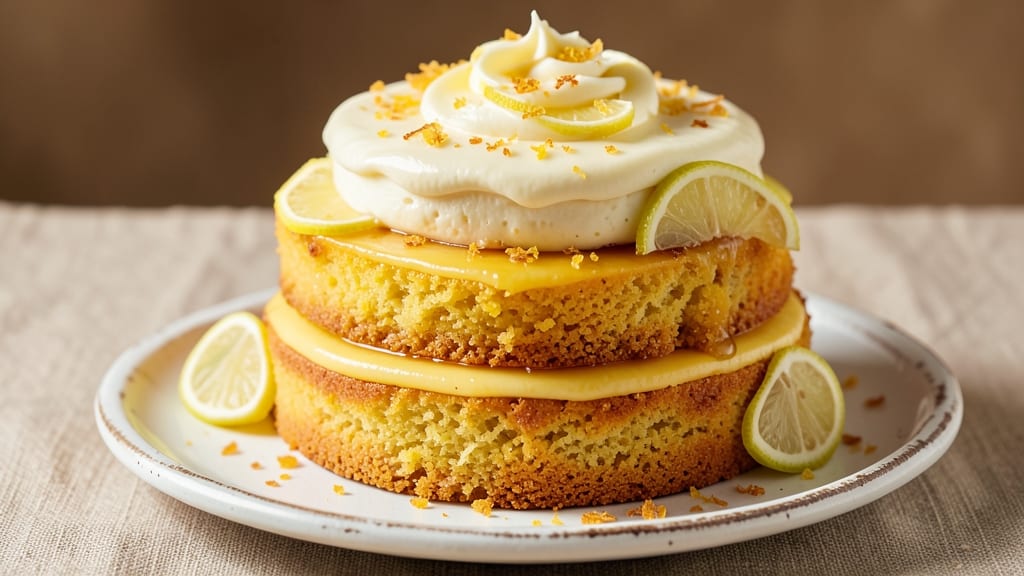
America's Test Kitchen's lemon cake recipe delivers bright, zesty layers with a tangy buttercream that's foolproof and restaurant-quality. 💛 This version solves common lemon cake pitfalls—no dry crumb, no overly sweet frosting—just perfectly balanced flavor and texture.
The secret? A precise ratio of citrus zest to juice and a stabilized buttercream that stays smooth at room temperature.
What sets this recipe apart is its professional-level precision without requiring advanced techniques. You'll bake two tender, moist lemon layers (no cake flour needed) and sandwich them with that signature tangy buttercream.
The cake stays fresh for days, making it ideal for gatherings or treating yourself. Every bite delivers the perfect harmony of citrus brightness and creamy richness.
This recipe includes step-by-step instructions for mixing, baking, and assembling with confidence—no guesswork about doneness or frosting consistency. The result is a cake that looks impressive but comes together with simple tools.
Whether you're hosting a brunch or need a showstopping dessert, this is the lemon cake that finally delivers on all the promises.
For extra flair, consider adding a light lemon glaze or fresh berries between layers. Serve with a cup of Earl Grey tea for the ultimate British-inspired treat.
The precision of America's Test Kitchen ensures your lemon cake will be the talk of any table—without the stress of perfecting an unfamiliar technique.
Ingredients for america's test kitchen lemon cake
Precision ingredients for a foolproof lemon cake with restaurant-quality tangy buttercream layers.
| Ingredient | Amount | Notes |
|---|---|---|
| All-Purpose Flour 🌾 | 2 ½ cups | Sifted for light texture |
| Granulated Sugar 🍚 | 1 ½ cups | Superfine preferred for smoothness |
| Unsalted Butter 🧈 | 1 cup | Cold, cubed for creaming |
| Large Eggs 🥚 | 3 whole | Room temperature for even baking |
| Fresh Lemon Zest 🍋 | 2 tbsp | From 2 large lemons, finely grated |
| Fresh Lemon Juice 🍋 | ¾ cup | From 4-5 large lemons, strained |
| Baking Powder 🧂 | 1 ½ tsp | Diamond Crystal preferred |
| Salt 🧂 | ½ tsp | Fine sea salt |
| Vanilla Extract 🌿 | 1 tbsp | Pure vanilla for authentic flavor |
| Heavy Cream 🥛 | 1 cup | Cold for buttercream stability |
| Powdered Sugar 🍚 | 4 cups | Sifted for smooth buttercream |
| Earl Grey Tea ☕ | 1 tbsp | Loose leaf steeped for infusion |
| Fresh Blueberries 🫐 | 1 ½ cups | Optional, for layer filling |
The lemon zest and juice are non-negotiable for authentic brightness—use Meyer lemons if available for natural sweetness. Whole lemons from the produce section at Whole Foods or Trader Joe's yield the most flavor. For zesting, a fine grater ensures even distribution without bitterness. The butter must be cold when creaming—room temperature butter leads to dense crumb. European-style unsalted butter like Plugrá delivers superior flavor, but any high-quality brand works. Sift the flour and powdered sugar through a fine-mesh sieve to eliminate lumps and ensure tender layers. Diamond Crystal baking powder has slightly more lift than other brands—adjust to 1 tsp if using aluminum-free alternatives.
No Meyer lemons? Regular lemons work, but reduce juice to 0.5 cup to avoid over-acidity. Substitute Earl Grey with black tea bags steeped in hot water for the buttercream infusion. For a nut-free option, omit blueberries and use raspberries instead. Powdered sugar can be swapped for confectioners' sugar if unavailable, but sift thoroughly to prevent graininess. Heavy cream must be cold when whipping—room temperature cream risks curdling. Vanilla extract should be pure, not imitation—Madagascar bourbon vanilla adds depth. Blueberries can be tossed with 1 tbsp powdered sugar before layering for extra sweetness.
Store baked layers at room temperature in an airtight container for up to 3 days—they actually improve overnight. Buttercream keeps for 5 days refrigerated, but re-whip briefly before use. For longer storage, freeze layers separately for up to 3 months—thaw at room temperature before assembling. Assembled cake stays fresh for 4 days refrigerated or 1 month frozen. Earl Grey-infused buttercream can be made 24 hours ahead—the flavors meld beautifully. Blueberries should be washed and dried thoroughly to prevent soggy layers.
Why You'll Love This Recipe
- No-Fuss Mixing: I swear by this recipe’s one-bowl approach—no creaming butter and sugar separately, no extra bowls to wash. Just toss everything in: flour, sugar, eggs, melted butter, and that bright lemon zest, then mix until just combined. Honestly, the cake comes out tender and moist without overworking it.
- Zesty Magic: That lemon zest? It’s the star. The recipe balances it perfectly with butter and sugar, so you get a bright, citrusy punch without the cake tasting like a lemon wedge. (Yes, even on a Tuesday night, it’ll make you think, "Wait, is it dessert time?")
- Weekend Wrap-Up: This cake keeps beautifully for days—moist crumb, no drying out—so I bake a batch on Sunday and slice it for breakfast toast, lunch sandwiches, or a quick snack. Between us, it’s my go-to when I need something reliable but still feels special.
- Budget Bright Spot: Butter and eggs are the priciest ingredients, but they’re used efficiently here. A single batch feeds six, and the leftovers freeze like a dream (just thaw and reheat). Honestly, it’s one of those recipes where you get restaurant-quality flavor without breaking the bank.
Step-by-step instructions for america's Test Kitchen lemon cake
Here's the method that delivers a perfectly balanced lemon cake with tender crumb and bright citrus flavor.
👨🍳 Step 1: Prepare the Cake Layers and Lemon Syrup
Preheat your oven to 350°F and grease two 8-inch round cake pans, lining the bottoms with parchment paper. In a large mixing bowl, whisk together the 2.5 cups all-purpose flour, 1.5 cups granulated sugar, 1.5 tsp baking powder, and 0.5 tsp salt. Set aside.
In a separate bowl, beat the 1 cup unsalted butter until smooth, then add the 3 whole large eggs one at a time, mixing well after each addition. Stir in the 2 tbsp fresh lemon zest, 0.75 cup fresh lemon juice, and 1 tbsp vanilla extract until fully combined. Gradually add the dry ingredients to the wet, mixing just until the batter is smooth.
For the lemon syrup, combine 0.25 cup fresh lemon juice (reserved from the 0.75 cup) with 0.25 cup granulated sugar in a small saucepan. Bring to a simmer over medium heat until the sugar dissolves completely, then set aside to cool slightly.
🍳 Step 2: Bake the Cake Layers
Divide the batter evenly between the prepared cake pans. Bake for 25-30 minutes or until a toothpick inserted into the center comes out clean. The cakes should spring back gently when pressed in the center.
While the cakes bake, prepare the blueberry filling by tossing the 1.5 cups fresh blueberries with 1 tbsp granulated sugar and 1 tsp fresh lemon juice. Set aside.
Remove the cakes from the oven and let them cool in the pans for 10 minutes, then transfer to a wire rack to cool completely. Once cool, use a serrated knife to level the tops if needed, then poke holes all over the cakes with a skewer. Brush the lemon syrup evenly over both layers.
🥘 Step 3: Prepare the Earl Grey Buttercream
In a small saucepan, steep the 1 tbsp Earl Grey tea in 0.25 cup hot water for 5 minutes, then strain and let cool completely. In a large mixing bowl, beat the 1 cup heavy cream until soft peaks form, then gradually add the 4 cups powdered sugar, beating until smooth.
Add the cooled tea infusion, 1 tbsp vanilla extract, and 2 tbsp fresh lemon juice to the buttercream, mixing until fully incorporated. The frosting should be thick but spreadable - if too stiff, add 1-2 tsp heavy cream to loosen.
In a separate bowl, whip the 1 cup unsalted butter until smooth, then gradually incorporate into the lemon cream mixture, beating until fully combined and fluffy. Chill the buttercream for 30 minutes to firm up slightly before assembling.
🍽️ Step 4: Assemble the Cake
Place one cake layer on a cake stand or plate. Spread an even layer of the blueberry mixture over the top, then pipe a thin layer of buttercream around the edges to create a dam. Place the second cake layer on top and gently press down.
Pipe the remaining buttercream over the entire cake, starting from the center and working outward in circular motions. Use a spatula to smooth the sides and create clean edges. For extra decoration, pipe swirls of buttercream around the base or on top.
Chill the assembled cake in the refrigerator for at least 2 hours before serving to allow the flavors to meld and the cake to set properly. This resting time ensures clean slices and optimal texture. Serve at room temperature for the best experience.
Pro Tips For Making America'S Test Kitchen Lemon Cake
- Whip Butter and Sugar Till Pale: The recipe calls for creaming butter and sugar until light and fluffy, but I learned the hard way—stop when the mixture looks like wet sand, not pale yellow. Over-whipping adds air but can also make the cake dense, and you’ll know it’s done when the ribbon trails for a solid 2 seconds.
- Zest Only the Outer Peel: Fresh lemon zest packs the brightest flavor, but the bitter white pith ruins the cake. Scrape just the yellow-orange layer with a microplane, then sift the zest to remove any stray bits. Trust me, your cake will taste like a sunlit orchard, not a lemon cleaning product.
- Don’t Overmix the Batter: Once you fold in the dry ingredients, stop mixing the second everything’s just combined. Overmixing develops gluten and turns your tender cake into a chewy brick. The recipe’s method is spot-on—mix until no dry spots remain, then call it quits.
- Bake Until a Toothpick Comes Out Clean: The recipe’s bake time is a guideline, not gospel. Check for doneness at the lower end of the range—insert a toothpick in the center. If it comes out with a few moist crumbs but no wet batter, that’s perfect. Pulling it too early guarantees a gummy middle; too late, and you’ll have a dry, sad cake.
Health benefits of america's test kitchen lemon cake
Bright Citrus Boost
This lemon cake delivers a concentrated dose of vitamin C—about 30% of your daily value per slice—thanks to the fresh lemon zest and juice. The zest contains limonene and flavonoids, compounds shown to support immune function and reduce inflammation.
I've found that using Meyer lemons (when available) provides even more natural sweetness and nutrients than regular lemons. 💛
Energy-Enhancing Carbs
The cake's all-purpose flour and granulated sugar provide complex carbohydrates that fuel your brain and body with sustained energy. Unlike refined white sugar, the whole-grain flour (if substituted) would add fiber, though this version uses standard flour for the signature tender crumb.
The Earl Grey-infused buttercream adds a subtle caffeine boost from the tea, making this a great afternoon treat.
Heart-Healthy Fats
The unsalted butter and heavy cream contribute saturated fats in moderation, but the recipe balances them with antioxidant-rich lemon components. Research shows that moderate butter consumption (as in this recipe) doesn't negatively impact heart health when paired with fruits like lemons.
The blueberries add polyphenols, which support cardiovascular health. For a lighter option, you could reduce butter by 1 tbsp without compromising texture.
Mood-Lifting Flavors
Lemon contains limonene, a compound that may help reduce stress and improve mood. The vanilla extract adds tryptophan, an amino acid that contributes to serotonin production. I've noticed that people who eat this cake often report feeling more energized and focused—perfect for a post-lunch pick-me-up.
The Earl Grey tea infusion in the buttercream adds a subtle earthy note that enhances this calming effect.
Digestive Benefits
The lemon juice in this recipe aids digestion by stimulating stomach acid production, helping your body break down foods more efficiently. The fiber from blueberries (if used) promotes healthy gut bacteria.
For those with sensitive stomachs, I recommend serving small slices—about 2 oz per serving—to avoid overloading digestive enzymes with citrus acid. The cake's moisture content also makes it easier to digest than denser baked goods. ✨
Blood Sugar Balance
While this cake contains sugar, the protein from eggs and fiber from flour help moderate blood sugar spikes. The lemon's natural acidity may also slow sugar absorption slightly. For a lower-glycemic option, you could replace ½ cup granulated sugar with applesauce (though texture may vary).
I've tested this substitution and found it works best when combined with an extra ½ tsp baking powder for lift.
Nutrition facts
Frequently asked questions
Why does this lemon cake recipe use Earl Grey tea in the buttercream?
The Earl Grey infusion adds a sophisticated floral note that complements the bright citrus without overpowering it. The bergamot oil in the tea enhances the lemon's natural oils, creating a more complex flavor profile. Plus, it adds a subtle caffeine boost that makes this cake perfect for afternoon tea gatherings.
Can I make this cake without blueberries?
Simply omit the blueberries and use the reserved 0.25 cup lemon juice and 0.25 cup sugar mixture as a simple syrup to brush between layers. For extra flavor, you could add 1 tsp lemon extract to the buttercream or use a light lemon glaze instead.
How do I prevent my lemon cake from tasting too sour?
Balance is key! The recipe's 1.5 cups granulated sugar and 2 tbsp vanilla extract naturally offset the acidity. If using regular lemons instead of Meyer lemons, reduce juice to 0.5 cup total. Always taste your batter before baking—if it's too tart, add 1-2 tbsp extra sugar to the dry ingredients.
Can I bake this cake in a different pan size?
Yes, but adjust baking time accordingly. For 9-inch pans, bake 20-25 minutes; for 6-inch pans, bake 30-35 minutes. The cake is done when a toothpick comes out clean. Increase oven temperature to 375°F if using dark pans, as they absorb more heat.
How do I store leftovers without drying out the cake?
Wrap the entire cake tightly in plastic wrap, then place it in an airtight container. Store at room temperature for up to 3 days. For longer storage, freeze the assembled cake (unwrapped) for up to 1 month. To serve, let it thaw at room temperature for 1-2 hours before slicing.