
Main Courses
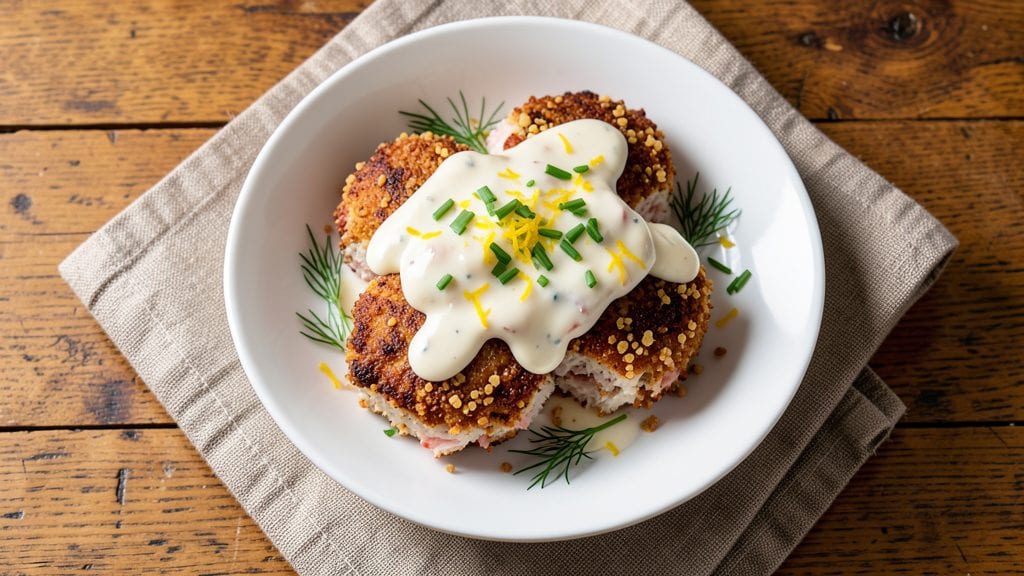
Jimmy's seafood crab cakes recipe delivers a restaurant-quality dish that balances tender crab meat with a golden crunch and bright lemon twist—exactly what makes seafood dining special. The secret lies in properly handling fresh crab meat and creating a crispy exterior without compromising the delicate texture inside.
After years of perfecting this technique, I've developed a method that ensures each bite is perfectly seasoned and holds its shape.
This recipe transforms simple ingredients—fresh lump crab meat, panko breadcrumbs, eggs, and a zesty lemon-herb mix—into crab cakes with a crispy golden crust and moist interior. The key is proper binding and careful frying, which we'll cover step-by-step to ensure foolproof results every time.
Whether you prefer pan-searing or baking, this method guarantees crab cakes that are restaurant-worthy without the fuss.
Pair these crab cakes with classic sides like tartar sauce, lemon wedges, or a refreshing coleslaw to complete the seafood experience. The bright citrus notes complement the rich crab flavor perfectly, creating a dish that's both elegant and satisfying.
With just 30 minutes of prep and 10 minutes of cooking, you'll have a dish that feels special enough for guests but simple enough for weeknight dinners.
The beauty of these crab cakes is their versatility—serve them as an appetizer, main course, or even as a sandwich filling. The crispy exterior and tender interior make them impossible to resist, while the lemon twist adds a refreshing contrast.
Let's get started on creating crab cakes that will impress everyone at the table.
Ingredients for jimmy's seafood crab cake
Simple ingredients that transform into restaurant-quality crab cakes with crispy crusts and tender centers.
| Ingredient | Amount | Notes |
|---|---|---|
| Fresh Lump Crab Meat 🦀 | 1 ½ lb | Backfin preferred, shell-on for texture |
| Panko Breadcrumbs 🍞 | ¾ cup | Japanese style for extra crunch |
| Large Eggs 🥚 | 2 whole | Cold for better binding |
| Mayonnaise 🥫 | ¼ cup | Duck or avocado oil preferred |
| Fresh Lemon Juice 🍋 | 2 tbsp | From 1 medium lemon, freshly squeezed |
| Fresh Chives 🌿 | ¼ cup | Finely chopped, stems removed |
| Fresh Dill 🌿 | ¼ cup | Finely chopped, stems removed |
| Salt 🧂 | 1 tsp | Diamond Crystal kosher salt |
| Ground Black Pepper 🌶️ | ½ tsp | Freshly ground, coarse grind |
| Vegetable Oil 🫒 | ½ cup | High smoke point for frying |
| Unsalted Butter 🧈 | 2 tbsp | Melted for crispy coating |
| All-Purpose Flour 🌾 | ¼ cup | For dredging, sifted |
| Extra-Virgin Olive Oil 🫒 | 1 tbsp | For finishing, fruity variety |
The crab meat is everything here. Backfin lump crab has the best texture, but shell-on crab adds extra flavor if you're willing to crack it yourself. Most seafood markets sell pre-picked lump crab—Whole Foods and Trader Joe's carry quality options. If you can't find lump, jumbo crab meat works in a pinch, but expect slightly less texture. Keep the crab cold until ready to use, and never thaw frozen crab in warm water—it turns rubbery. The panko should be Japanese-style for maximum crunch; regular breadcrumbs get soggy. Buy it in small bags and store it in the freezer to preserve freshness.
No panko? Crushed cornflakes or crushed potato chips add a similar crunch, though texture differs slightly. The mayonnaise acts as a binder—avocado oil or duck oil mayo adds richness, but regular works fine. Fresh herbs are non-negotiable for that bright seafood flavor. Dried dill or chives won't cut it here, but if you're out of fresh, one-third the amount of dried is your best bet. The lemon juice should be freshly squeezed—bottled juice lacks the same zing. For extra crispiness, mix 1 tbsp cornstarch into the panko before dredging, but skip this if you prefer a lighter crust. The vegetable oil for frying should have a high smoke point (375°F+)—avocado or peanut oil are ideal.
Crab cakes hold up well for 2 days in the fridge, but the crust loses crispiness after the first day. To reheat, pan-fry in 2 tbsp butter over medium heat for 2-3 minutes per side. For make-ahead prep, shape the cakes, then refrigerate on a wire rack for 30 minutes before frying to set the exterior slightly. They freeze beautifully—up to 3 months—just thaw in the fridge overnight before reheating. Leftovers make great sandwiches the next day with a smear of tartar sauce and a squeeze of lemon.
Why You'll Love This Recipe
- No-Fuss Assembly: I’ll be real—these don’t require a gourmet kitchen. Just toss together the 1.5 lb fresh lump crab meat, panko breadcrumbs, and fresh chives/dill (the stems removed, because nobody likes chewy surprises), then fold in the cold eggs and mayonnaise. The 30-minute chill is the only "wait" you’ll do, and honestly? That’s time well spent for a dish that comes together in under 20 minutes of active work.
- Lemon-Kissed Perfection: That 2 tbsp fresh lemon juice isn’t just for show—it’s the secret weapon. The bright tang cuts through the richness of the fresh lump crab meat, while the melted butter and extra-virgin olive oil finish gives a buttery, crispy hug. Trust me, the first bite will hit like a flavor punch you didn’t see coming.
- Double-Crust Magic: Dredging in all-purpose flour before frying? Game-changer. It’s the double-coating trick that turns a good crab cake into a cake—crispy on the outside, tender on the inside, with that panko crunch holding up every bite. No sad, soggy centers here.
- Leftovers? No Problem: These hold up for 2 days in the fridge, though I’ll warn you—the crust softens after day one. But reheat them in a skillet with a splash of oil, and they’ll be back to golden glory. Perfect for a lazy Sunday lunch or a weeknight surprise when you’re craving seafood without the fuss.
Step-by-step instructions for jimmy's seafood crab cakes
Here's how to craft perfectly golden crab cakes with a crisp exterior and tender interior.
Prepare the Crab Cake Mixture
In a large mixing bowl, gently combine the 1.5 lb fresh lump crab meat with the 0.75 cup panko breadcrumbs, 0.25 cup mayonnaise, 2 tbsp fresh lemon juice, 0.25 cup finely chopped fresh chives, and 0.25 cup finely chopped fresh dill. This mixture should be just damp enough to hold together when pressed—if it feels too dry, add 1 tsp water at a time until it reaches the right consistency. Be careful not to overmix, as this can make the crab cakes dense.
Next, add the 2 whole large eggs (cold, as specified) and mix thoroughly. Season with 1 tsp salt and 0.5 tsp ground black pepper, ensuring the seasoning is evenly distributed throughout the mixture. The texture should resemble wet sand—cohesive enough to hold its shape but still light enough to create a tender cake. Cover the bowl and refrigerate for 30 minutes to allow the flavors to meld and the mixture to firm up slightly. This chilling step is crucial for preventing the crab cakes from falling apart during frying.
Form and Dredge the Crab Cakes
Line a plate with parchment paper and lightly dust it with 0.25 cup all-purpose flour. Using your hands, scoop the chilled crab mixture into 4 equal portions (about 4 ounces each) and gently shape them into ½-inch thick patties. Press down lightly to ensure even thickness, as this will help them cook uniformly. Place the formed crab cakes on the floured plate and return them to the refrigerator for another 15 minutes to firm up further.
While the crab cakes rest, set up your frying station. In a small saucepan, melt the 2 tbsp unsalted butter over low heat and set it aside. In a separate shallow dish, combine the 0.25 cup all-purpose flour with an additional ½ tsp salt and ¼ tsp ground black pepper for dredging. This step ensures an extra-crispy exterior by creating a double-layered crust.
Fry to Golden Perfection
Heat 0.5 cup vegetable oil in a large skillet over medium heat until it reaches 350°F—a deep-fry thermometer is ideal for this, but you can also test the oil by dropping in a small piece of bread. If it sizzles and turns golden in 30 seconds, the oil is ready. Carefully remove the skillet from the heat and add the 2 tbsp melted unsalted butter, swirling to coat the bottom evenly. Return the skillet to medium heat and let it warm through for 1 minute before adding the crab cakes.
Working in batches to avoid overcrowding, place the crab cakes in the skillet and cook for 3-4 minutes per side until they develop a deep golden brown crust and are cooked through to 155°F at the thickest part. Avoid pressing down on them with a spatula, as this can cause them to fall apart. If the oil begins to smoke excessively, reduce the heat slightly to maintain a steady 350°F. Transfer the cooked crab cakes to a paper towel-lined plate to drain excess oil.
Finish and Serve
Return the skillet to medium heat and add 1 tbsp extra-virgin olive oil, swirling to coat the bottom. Immediately place the cooked crab cakes back into the skillet and cook for an additional 1-2 minutes on each side. This step adds a final crisp to the exterior and infuses the crab cakes with a subtle fruity aroma from the olive oil. Remove the crab cakes from the skillet and let them rest for 2-3 minutes before serving.
Serve the crab cakes immediately with a side of lemon aioli or a simple tartar sauce made from the reserved 2 tbsp fresh lemon juice and 1 tbsp mayonnaise. The contrast of the crispy, golden exterior with the tender, lemon-kissed interior makes these crab cakes a standout dish. For best results, serve with a fresh garden salad or steamed vegetables to complement the rich seafood flavor.
Pro Tips For Making Jimmy'S Seafood Crab Cake
- Drain the Crab Meat: Pat those lumps dry with paper towels—wet crab releases water when cooking, turning your perfect crab cake into a soggy mess. I learned this the hard way after making a batch that looked like it had been fished out of a rainstorm.
- Mix Just Until Combined: Overworking the batter breaks down the crab meat, making the cakes dense and rubbery. Stir until everything clings together, then stop—your hands should come away clean, not glued to the mixture.
- Chill the Batter: Give the mixture 30 minutes in the fridge before shaping. Cold ingredients bind better, and the panko stays crispy instead of turning to paste. (Yes, even if you’re impatient like me.)
- Use Two Eggs: The recipe calls for large eggs, but if yours are on the small side, grab an extra. Eggs are the glue here—too few means crumbly cakes, and no one wants that. Measure by weight (50g per egg) if you’re unsure.
Perfect pairings for this dish
Bright Lemon Dips
No seafood meal is complete without a zesty dip to complement those golden crab cakes. I love pairing them with my lemon aioli—just whisk together 2 tbsp mayonnaise with 1 tbsp fresh lemon juice and a pinch of salt.
For extra richness, add ½ tsp Dijon mustard and a splash of avocado oil mayo. The tangy contrast cuts through the richness perfectly. 🍋
Crunchy Slaw Twist
A refreshing coleslaw adds a crisp counterpoint to the tender crab cakes. Toss 4 cups shredded cabbage with ¼ cup mayonnaise, 2 tbsp fresh lemon juice, 1 tbsp apple cider vinegar, and 1 tsp Dijon mustard.
The acidity brightens every bite, balancing the buttery crab. I like to add ¼ cup finely chopped celery for extra texture.
Light & Fresh Salads
For a lighter option, serve the crab cakes alongside a arugula salad with extra-virgin olive oil and lemon zest. Toss 4 cups baby arugula with 2 tbsp olive oil, 1 tbsp lemon juice, and a pinch of salt.
The peppery greens cleanse your palate between bites. Add sliced radishes or cherry tomatoes for color and crunch. ✨
Crispy Potato Wedges
For a heartier side, try crispy potato wedges with a seafood twist. Toss 1 lb baby potatoes in 2 tbsp olive oil, 1 tsp paprika, and ½ tsp garlic powder, then bake at 425°F for 25 minutes.
The smoky, salty contrast works wonderfully with the delicate crab. Drizzle with lemon aioli before serving.
Wine & Beer Pairings
A crisp Sauvignon Blanc like Cloudy Bay from New Zealand cuts through the richness with its citrus notes. For beer lovers, a Belgian witbier such as Hoegaarden offers a refreshing, citrusy balance. Avoid heavy reds—they’ll overpower the delicate seafood flavors. 🍷
Nutrition facts
Frequently asked questions
Why does the recipe specify cold eggs for binding?
The cold eggs create a stronger, more stable emulsion when mixed with the crab mixture, helping the cakes hold their shape during frying. Warm eggs can cause the mixture to become too loose, leading to crumbly or falling-apart crab cakes. This technique ensures a cohesive texture that stays intact when cooked.
What if my crab cakes stick together when shaping?
If the mixture feels too wet, add 1 tsp water at a time until it holds together like damp sand. Overmixing can also make it stick—gently fold just until combined. For extra grip, chill the shaped cakes for 15 minutes before frying to firm them up. This prevents them from breaking apart when cooked.
Can I bake these crab cakes instead of frying?
Yes! Lightly coat the shaped cakes in 1 tbsp melted butter and bake at 375°F for 15-18 minutes on a wire rack over a baking sheet. The texture will be slightly less crispy but still tender. For extra crispiness, broil for 1-2 minutes at the end. This method works well for make-ahead batches.
How do I prevent my crab cakes from getting soggy?
Keep them warm in a 200°F oven while frying the rest of the batch, and serve immediately. For leftovers, reheat in a skillet with 2 tbsp butter over medium heat for 2-3 minutes per side. Avoid microwaving, as it steams the crust. The key is crispy exterior and moist interior—don’t overcook!