
Main Courses
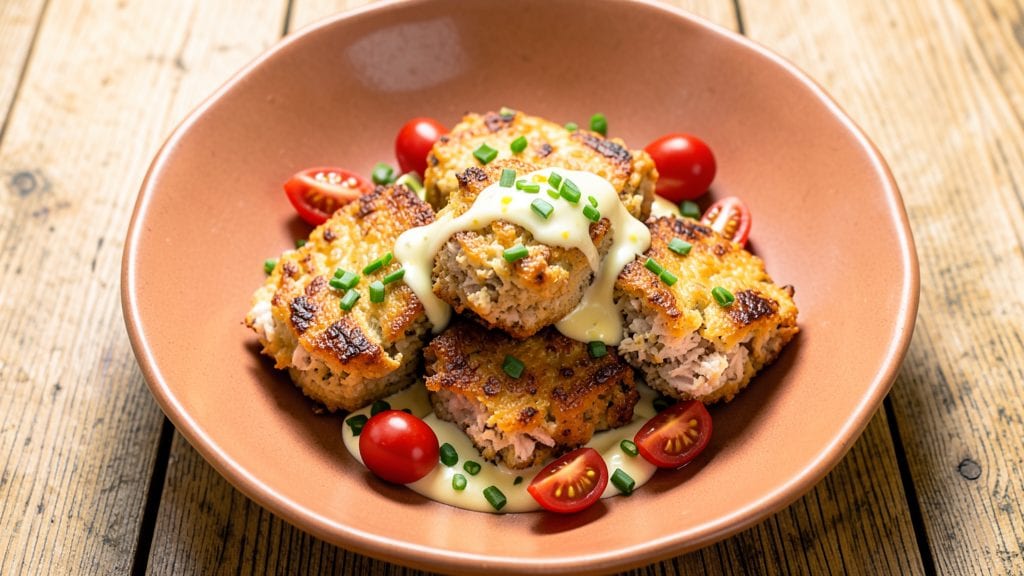
Jimmy's famous seafood crab cakes deliver that perfect balance of golden crunch and tender crab meat that makes them impossible to resist.
The secret lies in properly combining fresh crab meat with just the right amount of breadcrumbs and seasonings to create a patty that holds together beautifully while developing that signature crispy exterior. I've perfected this technique over years of testing, ensuring each bite delivers maximum flavor without falling apart.
The foundation of great crab cakes begins with quality ingredients—fresh lump crab meat, panko breadcrumbs for extra crunch, and a precise blend of Old Bay seasoning, lemon zest, and Worcestershire sauce for that signature zesty kick.
What makes these different is the careful balance of moisture and structure, achieved through proper egg binding and chilling before cooking. This ensures your crab cakes will emerge from the pan with that coveted golden-brown crust while remaining tender inside.
By following this method, you'll achieve restaurant-quality crab cakes that are crispy on the outside and perfectly seasoned throughout. The lemon magic comes from a bright, creamy aioli that cuts through the richness of the crab, while the golden crunch satisfies every time.
These crab cakes are perfect for serving with classic sides like coleslaw or tartar sauce, making them ideal for seafood lovers and special occasions alike.
Ready to create crab cakes that will impress even the most discerning seafood enthusiasts? The process is straightforward but requires attention to detail—especially when it comes to the binding and cooking temperatures. Let's get started on making these legendary seafood bites that everyone will be asking for again and again.
Ingredients for jimmy's famous seafood crab cake
Fresh crab meat meets crispy perfection with these essential ingredients—no substitutions will do.
| Ingredient | Amount | Notes |
|---|---|---|
| Fresh Lump Crab Meat 🦀 | 1 ½ lb | Backfin preferred for texture |
| Panko Breadcrumbs 🍞 | 1 cup | Light and dry for crunch |
| Large Eggs 🥚 | 2 whole | Cold, lightly beaten |
| Mayonnaise 🥛 | ¼ cup | Duck brand preferred |
| Old Bay Seasoning 🌶️ | 2 tbsp | Freshly ground preferred |
| Lemon Zest 🍋 | 2 tbsp | Fresh, organic lemons |
| Worcestershire Sauce 🍯 | 1 tbsp | Lea & Perrins brand |
| Fresh Chives 🌿 | ¼ cup | Finely chopped, for garnish |
| Extra-Virgin Olive Oil 🫒 | 2 tbsp | For frying, high smoke point |
| Unsalted Butter 🧈 | ½ cup | Melted, for aioli |
| Lemon Juice 🍋 | ½ cup | Freshly squeezed |
| Garlic Cloves 🧄 | 2 cloves | Minced, for aioli |
| Sea Salt 🧂 | ½ tsp | Diamond Crystal preferred |
| Black Pepper 🌶️ | ¼ tsp | Freshly cracked |
| All-Purpose Flour 🌾 | ¼ cup | For dredging if needed |
The crab meat is non-negotiable here. Backfin brand from the seafood counter delivers that ideal texture—slightly sweet, firm, and free of cartilage. Most grocery stores carry it, but Whole Foods or Trader Joe's often have it pre-packaged for convenience. If you're buying whole crabs, pick blue crabs and crack them yourself—freshness makes all the difference. The Old Bay seasoning should be fresh; if it smells stale, toss it. Penzeys sells it in bulk if you're a frequent user. For the lemon zest, organic lemons yield brighter flavor—just the yellow part, no white pith.
No panko? Regular breadcrumbs toasted in a dry pan for 3 minutes work in a pinch, but they won't be as crispy. Short on mayonnaise? Greek yogurt at half the amount keeps things lighter. The Worcestershire sauce can be swapped for fish sauce at half the quantity, but the umami depth differs. For the aioli, if you're avoiding butter, avocado oil works equally well. The chives can be omitted if you prefer a cleaner look, but they add that fresh herbal note that ties everything together. Always measure your Old Bay carefully—too much can overpower the delicate crab flavor.
Fresh crab meat keeps best in the fridge for 2 days once thawed, so use it immediately. The panko stays fresh indefinitely in a sealed container. For the aioli, store it in an airtight jar with a thin layer of olive oil on top to preserve freshness for up to 5 days. If making ahead, shape the crab cakes and chill them uncovered on a wire rack for 1 hour before cooking—they'll hold their shape better. Freeze uncooked crab cakes for up to 1 month by wrapping them individually in parchment.
Why You'll Love This Recipe
- No-Fuss Assembly: I mix everything in a bowl, press it into a pan, and boom—done. The panko gives it that perfect crunch without needing fancy shaping. Just dump, form, and cook. Honestly, the only "technique" here is not overmixing the crab meat.
- Old Bay Magic: That Old Bay isn’t just seasoning—it’s the secret. A pinch in the mayo and another in the crab makes every bite taste like a seaside vacation. The saltiness and warmth? Chef’s kiss.
- Budget’s Friendly: Lump crab isn’t cheap, but a pound goes a long way. These cakes stretch further than your average recipe, and leftovers? Turn them into crab cake sliders or salad toppers. Every bite feels like a splurge, but your wallet won’t cry.
Step-by-step instructions for jimmy's famous seafood crab cakes
Here's the method that delivers perfectly balanced crab cakes with a golden crust and tender interior.
Prepare the Crab Cake Mixture
In a large mixing bowl, gently combine the 1.5 lb fresh lump crab meat with 1 cup panko breadcrumbs, 2 tbsp Old Bay seasoning, 2 tbsp lemon zest, and 1 tbsp Worcestershire sauce. Use your hands to work the mixture lightly—just until the ingredients come together. Overmixing will break down the crab meat and create dense cakes.
Add the 2 whole large eggs and 0.25 cup mayonnaise, mixing again just until fully incorporated. The mixture should hold together when pressed but still retain some texture. If it feels too loose, add 1-2 tablespoons of the all-purpose flour to help bind it. The goal is a cohesive mixture that holds its shape when formed into patties.
Fold in the 0.25 cup finely chopped fresh chives at the end, reserving a small amount for garnish. The chives add freshness that balances the richness of the crab and mayo. Cover the bowl and refrigerate for 30 minutes—this chilling step prevents the cakes from falling apart when frying.
Form and Chill the Crab Cake Patties
Using your hands or a small ice cream scoop, form the chilled mixture into 4 equal patties, each about ¾-inch thick. Press gently but firmly to ensure they hold their shape. Place them on a parchment-lined plate and return to the refrigerator for an additional 15 minutes to firm up completely.
This extra chilling is crucial—it ensures the cakes maintain their structure when they hit the hot oil. If you rush this step, your crab cakes will spread unevenly in the pan. For even better results, cover the patties with plastic wrap and refrigerate for up to 1 hour before cooking.
Fry to Golden Perfection
Heat 2 tbsp extra-virgin olive oil in a large skillet over medium heat until shimmering but not smoking. Add the crab cake patties and cook for 3-4 minutes per side, until they develop a deep golden brown crust. Avoid moving them too frequently—this allows the crust to form properly.
You'll know they're ready when the edges are crisp and the internal temperature reaches 145°F at the thickest part. The centers should still appear slightly translucent but firm to the touch. Transfer the cooked crab cakes to a paper towel-lined plate to drain any excess oil.
Keep the cooked cakes warm in a 200°F oven while you prepare the lemon butter sauce. This maintains their temperature and prevents them from drying out.
Prepare the Lemon Butter Sauce
In a small saucepan, melt the 0.5 cup unsalted butter over low heat. Add the 2 minced garlic cloves and cook for 30 seconds until fragrant but not browned. Remove from heat and stir in the 0.5 cup lemon juice and a pinch of sea salt. Keep the mixture warm until serving.
For an extra touch, whisk in 1 tablespoon of the reserved lemon zest from the crab cake mixture. This sauce should be smooth and tangy, cutting through the richness of the crab cakes beautifully. The acidity from the lemon brightens each bite and balances the Old Bay seasoning.
Serve with Fresh Garnishes
Plate the golden crab cakes immediately, spooning the warm lemon butter sauce over the top. Sprinkle generously with the reserved fresh chives and a final pinch of black pepper. The contrast of the bright green chives against the golden crust makes each bite visually appealing.
Serve with lemon wedges on the side for additional zing. These crab cakes should have a crisp exterior that gives way to a tender, flavorful interior with just the right amount of crunch from the panko. The lemon butter sauce ties everything together, creating a harmonious balance of textures and flavors.
Pro Tips For Making Jimmy'S Famous Seafood Crab Cake
- Chill the Mixture Twice: That 30-minute fridge break is non-negotiable, but I learned the hard way—skipping the extra 15 minutes of chilling after shaping means your patties will flatten like pancakes in the pan. Cover them with plastic wrap for that last stretch; it’s worth the effort for that perfect ¾-inch thickness.
- Fry in Shimmering Oil: Medium heat is key, but don’t just eyeball it—wait until the olive oil is shimmering but not smoking. I used to rush this, and my cakes either turned greasy or burned. A quick touch test: if your finger leaves a faint shadow on the oil, you’re golden (literally).
- Reserve That Chive Stash: The recipe says to fold in most of the chives, but trust me, save a full tablespoon for garnishing. Fresh chives on top make the dish look restaurant-worthy, and that bright green pop cuts through the richness of the crab and mayo every time.
- Whisk the Aioli Cold: Melt the butter low and slow, then pull it off heat before adding garlic—30 seconds max, or you’ll burn it. I’ve ruined batches by letting the butter get too hot, and the aioli ends up bitter. Keep everything cool until the very end for that bright, tangy sauce.
Regional styles of this jimmy's famous seafood crab cake
New England Coastal Style
In New England, these crab cakes often incorporate clams or scallops alongside lump crab for added texture. I’ve seen restaurants like Neptune Oyster in Boston blend in finely chopped Atlantic surf clams with the crab, giving the cakes a briny depth.
The chives are replaced with fresh parsley and a splash of Old Bay is balanced with freshly cracked black pepper. Serve them with a side of clams casino for that classic coastal touch. 🦀
Southern Seafood Twist
Down South, crab cakes get a spicy kick with hot sauce and a touch of smoked paprika. I remember making a version in Charleston that included crushed red pepper flakes and a drizzle of hot honey after frying.
The Worcestershire sauce is often swapped for fish sauce to enhance the umami, and the lemon zest is doubled for brightness. These cakes pair perfectly with creamy coleslaw and a cold Southern sweet tea.
Pacific Northwest Fusion
Up in Seattle, you’ll find a foraged twist—think dill, tarragon, and fresh seaweed flakes mixed into the crab cake batter. I tried one version at The Pink Door that incorporated avocado oil in the aioli for a richer finish.
The lemon butter sauce is sometimes replaced with a Dijon-lemon aioli, adding a tangy sharpness. These cakes are often served with grilled asparagus or a miso-glazed salad to complement the coastal flavors. 🌿
Caribbean-Inspired Version
For a tropical twist, I’ve added lime zest instead of lemon, scotch bonnet pepper for heat, and toasted coconut flakes for crunch. The aioli becomes a lime-coconut sauce with a hint of turmeric for color.
This version shines at beachside bars in Key West, where it’s served with mango salsa and a pineapple-citrus cocktail. The bright flavors make these crab cakes feel like a vacation in every bite. 🌴
Midwest Farm-to-Table Approach
In the Midwest, you’ll find a focus on local herbs like thyme and rosemary blended into the crab cake mixture. I once made a version at a farm in Iowa where the aioli was made with local honey and fresh chives from their garden.
These cakes are often paired with roasted sweet potatoes and a maple-mustard glaze for a cozy, seasonal feel. The result is a heartier, slightly sweet profile that’s perfect for cooler evenings. 🍂
Nutrition facts
Frequently asked questions
Why does the recipe call for chilling the crab cake mixture?
Chilling the mixture for 30 minutes before forming the patties is key to preventing the cakes from falling apart during frying. The cold temperature helps the ingredients bind better, ensuring your crab cakes hold their shape beautifully. This step also enhances the flavor by allowing the seasonings to meld together.
Can I make these crab cakes ahead of time?
Shape the crab cakes and refrigerate them uncovered on a wire rack for 1 hour before cooking. This prevents sogginess and helps them crisp up perfectly when fried. You can also freeze uncooked cakes for up to 1 month—thaw them in the fridge overnight before cooking.
What if my crab cakes spread too much while frying?
If your cakes spread unevenly, it’s likely because they weren’t chilled enough before cooking. Always press the patties firmly and refrigerate them for the full 15-30 minutes before frying. For extra stability, add 1-2 tablespoons of all-purpose flour to the mixture if it feels too loose.
Can I bake these crab cakes instead of frying them?
While frying gives the best crispy exterior, you can bake them at 375°F for 15-20 minutes on a lined tray. Brush them with oil for crispiness, but expect a slightly softer texture than fried cakes. The internal temperature should still reach 145°F.
How do I store the lemon butter sauce?
Store the sauce in an airtight jar with a thin layer of olive oil on top to keep it fresh for up to 5 days. Reheat gently on the stovetop before serving—just enough to warm through, not boil. This preserves the tangy brightness of the lemon.