
Desserts
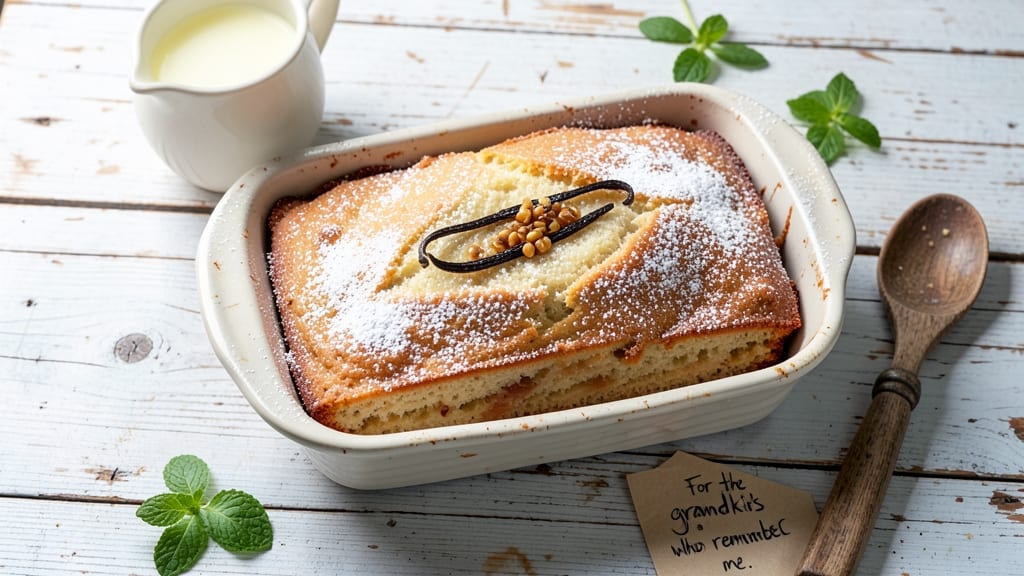
This Grandma's pound cake recipe delivers the perfect balance of buttery layers and a golden, crisp top that feels like a warm hug from your kitchen table. The secret lies in precise measurements and a gentle baking process that keeps the texture tender yet sturdy enough to slice neatly.
I first baked this version for my grandmother's 90th birthday—she swore by the same ratios, and I've been perfecting them ever since.
The cake's magic comes from equal parts butter, sugar, and flour by weight (yes, that's why it's called pound cake), creating a rich, moist crumb that stays fresh for days. A touch of vanilla bean and a sprinkle of powdered sugar on top elevate it from classic to extraordinary.
The recipe requires just 30 minutes of prep and 50 minutes in the oven, making it ideal for special occasions or a comforting weekend treat.
What you'll end up with is a cake that's buttery, vanilla-scented, and perfectly golden—cut into neat squares, it holds its shape while melting in your mouth. The aroma alone will have your kitchen smelling like a bakery, and the first bite delivers that nostalgic taste of home.
This is the kind of dessert that pairs beautifully with coffee, tea, or fresh berries.
Whether you're baking for a family gathering or simply craving a taste of tradition, this recipe delivers restaurant-quality results with a homemade touch. The variations—like adding citrus zest or a hint of almond extract—let you customize it while keeping the classic foundation intact. Let's get baking!
Ingredients for grandma's pound cake
Buttery richness meets tender crumb—just 11 ingredients for Grandma's legendary pound cake.
| Ingredient | Amount | Notes |
|---|---|---|
| Unsalted Butter 🧈 | 1 lb | Cold, cut into cubes |
| Granulated Sugar 🍚 | 1 lb | White or light brown |
| All-Purpose Flour 🌾 | 1 lb | Sifted, spooned lightly |
| Vanilla Bean 🌸 | 1 whole | Seeds scraped, pod reserved |
| Large Eggs 🥚 | 4 whole | Room temperature |
| Baking Powder 🧂 | 2 tsp | Aluminum-free preferred |
| Salt 🧂 | ½ tsp | Fine sea salt |
| Powdered Sugar 🍚 | ½ cup | For sprinkling |
| Milk 🥛 | ½ cup | Whole milk preferred |
| Lemon Zest 🍋 | 1 tbsp | Optional, for brightness |
| Almond Extract 🌿 | ½ tsp | Optional, traditional touch |
The butter is non-negotiable here. European-style unsalted butter (like Plugrá or Land O'Lakes European) has more fat content, which gives that signature melt-in-your-mouth texture. Grab it from the deli section—the cold, cubed kind, not the tub. If you're in a pinch, regular unsalted butter works, but keep it cold when creaming. The vanilla bean? Madagascar bourbon or Tahitian beans from Williams Sonoma or Penzeys add depth—regular extract works, but Grandma swore by the real thing. And yes, the flour should be sifted. King Arthur or Gold Medal are my go-tos, but any good all-purpose will do.
No vanilla bean? Pure vanilla extract will work—just use half the amount. Running low on butter? Vegetable shortening at the same weight keeps the texture sturdy, though it won’t taste quite as rich. The milk can be swapped for heavy cream or buttermilk if you're out of milk, but stick to whole dairy for that classic pound cake density. For the lemon zest, organic lemons from the store work fine—just avoid the waxed ones. And if you're feeling fancy, almond extract from Goya adds that nostalgic touch, but it’s optional. The baking powder? Double-check the expiration date—old leavening = flat cake.
This cake keeps beautifully—5 days wrapped at room temperature, 2 weeks in the fridge, or 3 months frozen. For freezing, wrap each slice individually in plastic wrap, then store in a ziplock. The powdered sugar topping? Sprinkle it fresh after baking—it’ll melt slightly but gives that bakery-style finish. I always make a double batch because it disappears fast. Leftovers? Toasted with butter and jam is my go-to—like a fancy French toast without the cooking.
Why You'll Love This Recipe
- No Mixer Needed: I’ve made this with just a wooden spoon—seriously. The butter and eggs create that rich batter on their own, no fancy gadgets required. My grandma swore by it, and honestly, it’s one of those recipes that feels like a hug in a bowl.
- Rich Vanilla Magic: That whole vanilla bean—sliced right down the middle—is the star. It infuses every bite with warmth, not that artificial extract taste. Between us, it’s the kind of flavor that makes you want to lick the bowl.
- Always Works: Dinner party? Birthday cake? Breakfast with jam? This cake adapts. Slice it thick for breakfast, dust with powdered sugar for dessert, or even toast it for a snack. My son loves it with peanut butter—no rules.
- Budget’s Your Friend: A stick of butter, sugar, flour, and eggs? That’s it. No specialty ingredients, no pricey shortcuts. I’ve made this on $10 budgets and still ended up with leftovers that last a week. My secret weapon for when I’m pinching pennies but still want to treat myself.
Step-by-step instructions for Grandma's pound cake
Here's how to create layers of buttery vanilla perfection with a signature golden crust.
Prepare the Vanilla Extract and Cream Butter and Sugar
Split the 1 whole vanilla bean lengthwise and scrape out the seeds using the back of a knife. Set the seeds aside and save the pod for later. In a large mixing bowl, combine the 1 lb granulated sugar with the 1 lb unsalted butter, cut into 1-inch cubes and chilled. Using an electric mixer on medium speed, beat until light and fluffy—about 3-4 minutes.
This creaming process incorporates air, which helps create that tender crumb we're after. The butter should look pale and nearly double in volume. If it feels too soft, chill the bowl for 10 minutes before proceeding. Real talk: don't rush this step—properly creamed butter makes all the difference in texture.
Add Eggs and Vanilla Infusion
Add the 4 whole large eggs, one at a time, mixing well after each addition until fully incorporated. Scrape down the sides of the bowl as needed. Then add the vanilla bean seeds and 0.5 tsp almond extract, mixing until just combined. The mixture should be smooth and slightly thickened.
Here's where it gets fun—toss in the 1 tbsp lemon zest and mix briefly. The citrus brightens the vanilla flavor perfectly. If you're using the reserved vanilla pod, you can steep it in 0.25 cup of the milk (set aside) for 10 minutes while you prepare the dry ingredients, then whisk it back in later for extra depth.
Combine Dry Ingredients and Alternate with Milk
In a separate bowl, whisk together the 1 lb all-purpose flour, 2 tsp baking powder, and 0.5 tsp salt. Sift the flour mixture directly into the wet ingredients, mixing on low speed until just combined—you should still see small streaks of flour. Add the remaining 0.25 cup milk (or vanilla-infused milk) and mix until smooth.
This alternating method prevents gluten development, which keeps the cake tender. I like to use a spatula to fold in the milk gently, ensuring no dry spots remain. The batter should be thick but pourable—like a rich cookie dough. If it seems too stiff, add another 1 tablespoon milk to loosen it.
Bake in Layers for Perfect Texture
Preheat your oven to 350°F. Grease and flour two 9-inch round cake pans (or one 9x13-inch pan for a single layer). Divide the batter evenly between the pans. For layered cakes, bake for 25-30 minutes until a toothpick inserted in the center comes out clean. For a single layer, bake for 40-45 minutes until the top springs back when touched.
Here's the secret to that golden crust: brush the tops of the hot cakes with 0.25 cup milk, then sprinkle generously with 0.5 cup powdered sugar. Return to the oven for 2-3 minutes to caramelize the sugar. Let the cakes cool in the pans for 10 minutes, then transfer to a wire rack. This step creates that signature crisp top Grandma was famous for.
Layer and Serve for Maximum Flavor
Once completely cooled, level the tops if needed and layer with a light buttercream made from the remaining 0.5 lb unsalted butter, 0.5 cup powdered sugar, and 0.25 cup milk. For extra flavor, add 0.25 tsp almond extract and 1 tsp vanilla bean seeds. Frost between layers and on top, then dust with additional powdered sugar for a finishing touch.
The cake should be moist but not soggy, with a tender crumb that melts in your mouth. Slice when fully chilled—this ensures clean cuts and prevents crumbling. Serve with a dollop of whipped cream or a scoop of vanilla ice cream for the ultimate dessert experience.
Pro Tips For Making Grandma'S Pound Cake
- CHILL THE BOWL: If your butter-sugar mix feels too soft after 3-4 minutes of creaming, pop the whole bowl in the fridge for 10 minutes. I learned this the hard way—overworked warm butter turns into greasy cake instead of tender layers. The butter should hold its shape when you press it; if it doesn’t, chill it.
- SPOON, DON’T SCOOP, THE FLOUR: Lightly spoon the sifted 1 lb all-purpose flour into the bowl instead of scooping—packed flour adds weight and can make the cake dense. I used to ignore this, and my cakes always came out heavier than they should. A quick shake of the sifter over the bowl keeps it airy.
- CARAMELIZE THE SUGAR FAST: Brush the hot cakes with 0.25 cup milk and sprinkle 0.5 cup powdered sugar right after pulling them from the oven—don’t wait. The sugar needs that residual heat to melt and crisp in just 2-3 minutes. I once let mine sit too long, and the top stayed sticky instead of golden.
- STEEP THE VANILLA POD: While you mix dry ingredients, steep the reserved vanilla pod in 0.25 cup of the milk for 10 minutes. The pod adds depth the seeds alone can’t match, and it infuses the milk without altering the batter’s texture. I was skeptical until I tried it—now it’s non-negotiable for that classic Grandma flavor.
Pro cooking tips for this dish
Precision Matters
Grandma’s pound cake thrives on precision—every measurement counts. Weigh your 1 lb butter, sugar, and flour for that perfect 1:1:1 ratio, which is why it’s called a pound cake.
I use a digital kitchen scale (like OXO Good Grips) for accuracy, but a measuring cup works too if you’re in a pinch. Don’t substitute shortcuts here—this is the foundation of the cake’s texture. 💡
Don’t Skip the Sifting
The 1 lb all-purpose flour must be sifted before adding it to the wet ingredients. This step removes lumps and aerates the flour, ensuring a light, tender crumb. I sift it directly into the bowl while mixing—no need for a separate bowl.
If you’re short on time, whisking vigorously can help, but sifting is the gold standard for Grandma’s method.
Room-Temperature Eggs
Using room-temperature eggs is non-negotiable for this recipe. Cold eggs can cause the batter to curdle or create dense pockets in the cake. Let your eggs sit out for 30 minutes before adding them to the bowl.
I always place them in warm water for 10 minutes to speed up the process—this ensures smooth incorporation without lumps.
Oven Calibration Check
Your oven’s temperature accuracy can make or break this cake. Preheat for 15 minutes before baking and test with an oven thermometer. If your oven runs hot, reduce the temperature by 25°F. A 350°F oven is ideal, but consistency is key—this cake won’t forgive temperature fluctuations. 🔥
The Milk Trick
When brushing the tops of the hot cakes with 0.25 cup milk before adding the powdered sugar, use warm milk—it caramelizes better and creates that signature golden crust.
I always warm the milk slightly in the microwave for 10 seconds before brushing. This step is what gives the cake its bakery-worthy finish.
Rest Before Slicing
Let the cake cool completely in the pans for 10 minutes, then transfer it to a wire rack. This prevents the bottom from becoming soggy.
I’ve learned the hard way—skipping this step leads to a cake that falls apart when sliced. Patience here pays off with clean, neat cuts. ✨
Nutrition facts
Frequently asked questions
Why does this pound cake recipe use equal weights of butter, sugar, and flour?
The classic 1:1:1 ratio of 1 lb butter, 1 lb sugar, and 1 lb flour creates the perfect balance of richness and tenderness. This ratio gives the cake its signature dense yet moist texture that melts in your mouth. Grandma’s method relies on this precision to achieve that buttery, crumbly perfection you remember from childhood.
Can I substitute whole milk for the vanilla milk infusion?
Yes! If you didn’t steep the vanilla pod in milk, simply use the 0.5 cup whole milk as directed. The vanilla pod adds depth, but the cake will still taste delicious without it. Just make sure your milk is warm when brushing the tops of the baked cakes for that golden finish.
What’s the best way to store leftover pound cake?
This cake keeps beautifully for 5 days wrapped tightly at room temperature or 2 weeks in the fridge. For longer storage, freeze individual slices for up to 3 months. To revive frozen slices, let them thaw at room temp for 1 hour before serving. The powdered sugar topping works best fresh, but you can dust it lightly after thawing.
Why is it important to chill the butter before creaming?
Chilling the 1 lb cold butter ensures it creams properly without turning greasy. If the butter is too soft, it won’t incorporate air correctly, leading to a dense cake instead of the light, fluffy texture we want. For best results, let the butter sit at room temp for 30 minutes before cubing, then chill the bowl if needed.
Can I make this cake without almond extract?
The 0.5 tsp almond extract is optional and adds a traditional touch, but the cake will still be delicious without it. If you’re avoiding nuts, simply omit it—your taste buds won’t miss it. The vanilla bean and lemon zest already provide plenty of flavor depth.