
Desserts
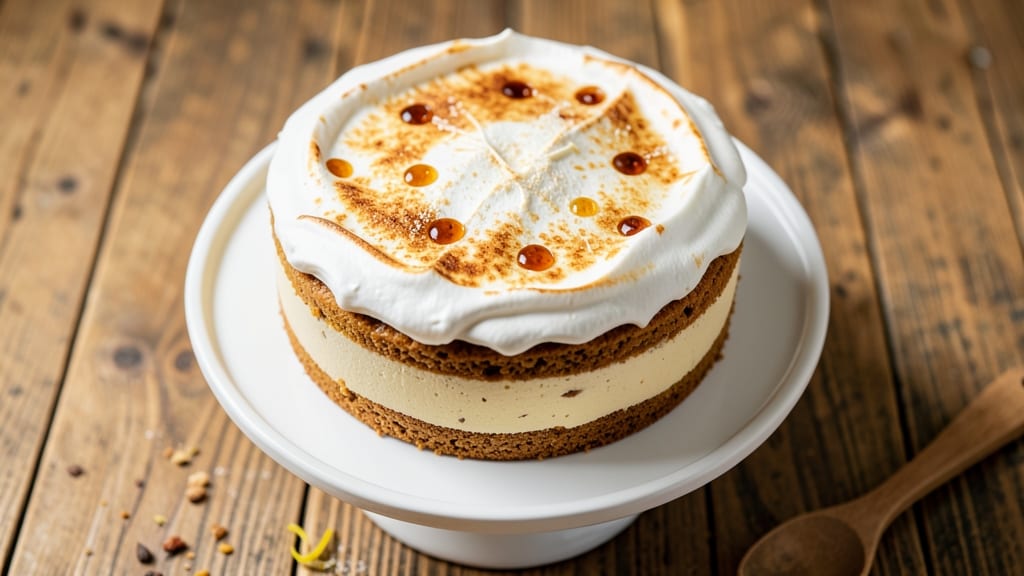
This almond flour birthday cake delivers moist layers and rich vanilla flavor without gluten or dry crumb—perfect for dietary needs that never compromise on celebration. The secret lies in proper hydration and almond flour's natural richness, creating a tender texture that holds up beautifully.
I've perfected this recipe after years of testing gluten-free alternatives that often disappoint.
What sets this cake apart is the vanilla infusion technique that transforms simple vanilla extract into a fragrant, flavorful base. We use a combination of vanilla bean paste and pure extract for depth, while egg whites whipped to soft peaks create that signature lightness.
The cake bakes in 350°F for 25-30 minutes, yielding golden layers with a delicate crumb that's far from the dense cakes many gluten-free options produce.
By the time you pull it from the oven, you'll have a cake with perfectly moist layers that slice cleanly and hold their shape. The vanilla flavor permeates every bite, creating that celebratory taste that makes birthdays special.
This recipe serves 12-14, making it ideal for gatherings where dietary restrictions shouldn't mean sacrificing dessert quality.
The beauty of this almond flour cake is its versatility—it works equally well as a simple vanilla cake or as a canvas for decorative frostings.
Whether you choose to keep it elegant with a dusting of powdered sugar or go bold with chocolate ganache, the base delivers consistent, reliable results every time. Let's get baking!
Ingredients for almond flour birthday cake
Twelve ingredients for a birthday cake that's gluten-free but never feels like it.
| Ingredient | Amount | Notes |
|---|---|---|
| Superfine Almond Flour 🌰 | 3 cups | Blanched preferred for lighter texture |
| Granulated Sugar 🍚 | 1 ½ cups | White or light brown preferred |
| Large Egg Whites 🥚 | 6 whole | Room temperature for best volume |
| Unsalted Butter 🧈 | 1 cup | Cold, cubed for creaming |
| Vanilla Bean Paste 🌿 | 2 tbsp | High-quality for intense flavor |
| Pure Vanilla Extract 🍯 | 1 tbsp | Bourbon or Madagascar preferred |
| Unsweetened Almond Milk 🥛 | 1 cup | Room temperature for hydration |
| Baking Powder 🍞 | 1 tsp | Aluminum-free for best results |
| Kosher Salt 🧂 | ½ tsp | Fine grain preferred |
| Xanthan Gum 🧪 | ¼ tsp | Ensures proper structure |
| Powdered Sugar 🍚 | 1 cup | For dusting or frosting |
| Fresh Lemon Juice 🍋 | 1 tbsp | Brightens flavor profile |
The almond flour is non-negotiable here—Bob's Red Mill or Anthony's Goods are my go-tos for that ultra-fine texture that bakes up tender. If you're using whole almonds to grind your own, pulse them until they're almost powdery (not flaky). The egg whites? Room temperature is key—cold whites won't whip properly, and that's what gives this cake its signature lightness. For vanilla, I always splurge on Madagascar vanilla bean paste—it's worth the extra few bucks for that deep, complex flavor that makes every slice feel special.
No almond flour? Oat flour or coconut flour can work, but you'll need to adjust liquid ratios—this recipe won't be identical, but it'll still be delicious. Running short on egg whites? Aquafaba (chickpea brine) works at 3 tbsp per egg white, though texture will be slightly denser. The butter must be cold when creaming—take it out of the fridge 30 minutes before starting—or you'll end up with a cake that's more like shortbread. Lemon juice can be swapped for orange zest if you prefer citrus notes, but I find the bright acidity of fresh lemon really cuts through the richness of the almond flour.
This batter keeps in the fridge for up to 24 hours before baking—perfect for making ahead. Once baked, store layers wrapped tightly in plastic at room temperature for 3 days or freeze for 3 months. The powdered sugar dusting? Use a fine-mesh sieve for that professional look. And trust me on the xanthan gum—it's what keeps these layers from crumbling when you go to slice them. Worth the tiny amount for that restaurant-quality hold.
Why You'll Love This Recipe
- No Mixer Needed: The egg whites whip up light and fluffy with just a hand mixer—or even a whisk if you’re in a rush. No standing over a stand mixer here, just a few minutes of elbow grease for that perfect cloud-like texture.
- Vanilla Bean Magic: That little jar of vanilla bean paste? It’s the secret weapon. The swirls of real vanilla seeds turn this cake into something ridiculously good—no artificial flavoring, just pure, warm, cakey goodness in every bite.
- Crowd-Pleaser Any Day: Birthday or not, this cake disappears fast. The nutty richness from the almond flour pairs perfectly with whipped cream or fresh berries, making it my go-to for celebrations and lazy Sundays when I just want something special.
- Leftovers? More Like Leftovers Loved: Between us, this cake stays moist for days—no dry crumbs here. I’ve had slices the next morning toasted with butter, and honestly? Even better than fresh. Plus, it’s budget-friendly since almond flour goes a long way.
Step-by-step instructions for almond flour birthday cake
Here's how to create a gloriously moist, gluten-free cake with layers that crumble just enough.
Whip Egg Whites to Stiff Peaks
In a spotlessly clean mixing bowl, combine the 6 whole large egg whites and beat them with an electric mixer on medium-high speed until soft peaks form. Gradually increase the speed to high and continue whipping until the meringue forms stiff, glossy peaks that hold their shape when the whisk is lifted. This step is non-negotiable—properly whipped egg whites create the cake's signature lightness and moisture.
I like to add a pinch of the kosher salt to the egg whites while whipping, which helps stabilize the meringue and prevents weeping later. Stop mixing as soon as you see those peaks—the meringue will lose volume if overwhipped. Set the meringue aside for now, keeping the bowl ready for the next step.
Cream Butter and Sugar
In the same bowl (no need to wash it—the egg white residue helps with volume), add the 1 cup unsalted butter, cut into ½-inch cubes, and the 1.5 cups granulated sugar. Using a paddle attachment, beat on medium speed for 3-4 minutes until the mixture is light, fluffy, and nearly tripled in volume. You'll notice the butter becomes pale and airy—this is your signal that the fat and sugar have properly emulsified.
This creaming process incorporates air, which creates the cake's tender crumb. If your butter is too soft, chill the bowl in the freezer for 5-10 minutes to firm it up before continuing. The butter should hold its shape when pressed but still be soft enough to mix smoothly.
Combine Wet Ingredients
In a separate bowl, whisk together the 1 cup unsweetened almond milk, 1 tbsp pure vanilla extract, 2 tbsp vanilla bean paste, 1 tbsp fresh lemon juice, and the xanthan gum. The xanthan gum will dissolve completely—this is crucial for binding the gluten-free batter. Sift in the 3 cups superfine almond flour, 1 tsp baking powder, and 0.5 tsp kosher salt, then gently fold everything together with a spatula until just combined.
Be careful not to overmix—you're looking for a thick, shaggy batter with no dry spots. The almond flour should be fully hydrated but still retain some texture. This mixture will be thicker than traditional cake batter, which is normal for gluten-free baking.
Fold in Meringue and Prepare Pans
Gently fold the meringue into the butter-sugar mixture in three additions, using a spatula to cut through the center and gently fold until fully incorporated. The batter will be thick and glossy—this is exactly what you want. Preheat your oven to 350°F while you prepare two 8-inch round cake pans. Grease them thoroughly with butter and line the bottoms with parchment paper.
Divide the batter evenly between the pans, smoothing the tops with a spatula. Tap the pans gently on the counter to release any air bubbles. Bake for 25-30 minutes until a toothpick inserted in the center comes out clean. The cakes should spring back when pressed lightly in the center.
Cool and Assemble
Allow the cakes to cool in the pans for 10 minutes, then transfer them to a wire rack to cool completely. Once cooled, level the tops if needed with a serrated knife. For the filling, whisk together the 1 cup powdered sugar with 2 tbsp unsweetened almond milk until smooth. Spread this between the layers and on the outside of the cakes.
For a polished look, dust the top and sides with additional powdered sugar. This cake keeps well for 3 days at room temperature or 1 week refrigerated, though I promise it won't last that long. The moist layers and vanilla infusion make every slice worth celebrating.
Pro Tips For Making Almond Flour Birthday Cake
- Whip Egg Whites Cold: Almond flour cakes are delicate—overmixed egg whites turn them dense. Whip them in a chilled bowl (even if your kitchen is warm) until they hold soft peaks, then gently fold them in. I used to rush this, and the texture suffered every time—now I take the extra 30 seconds, and the crumb stays light.
- Toast the Almond Flour: Skip this, and your cake will taste raw. Spread the superfine almond flour on a baking sheet and toast it at 350°F for 8–10 minutes, stirring once, until it smells nutty and deepens in color. It’s the thing that makes the flavor pop—trust me, your taste buds will notice.
- Don’t Overmix the Batter: Almond flour releases moisture fast, and once you start folding, stop immediately. A few lumps are fine—overworking it turns the cake gummy. Use a spatula to cut through the batter just until combined, then fold in the egg whites in three additions. Yes, it’ll look uneven, but that’s how you get the right texture.
- Use Room-Temp Butter: Cold butter creates pockets in the batter that don’t bake evenly, leading to a dense or greasy cake. Let the unsalted butter sit out for 30–45 minutes before creaming it with the sugar—just until it’s soft but not melted. I learned this the hard way after a cake that tasted more like a cookie.
Pro cooking tips for great almond flour birthday cake
Egg White Mastery
The secret to this cake's lightness lies in perfectly whipped egg whites. Use a clean, grease-free bowl and beat them on high speed until they form stiff, glossy peaks—they should hold their shape when you lift the whisk.
I recommend a KitchenAid stand mixer with the whisk attachment for consistent results. Overwhipping can make the cake dense, so stop as soon as you see those peaks. 🥚
Butter Temperature Control
Cold butter is non-negotiable for creaming. Cut your 1 cup unsalted butter into ½-inch cubes and let them sit at room temperature for 30-45 minutes before mixing. If your kitchen is warm, chill the bowl for 5-10 minutes to keep the butter firm.
The goal is butter that's soft enough to mix but holds its shape when pressed—this creates the perfect airy texture. 🧈
Almond Flour Hydration
Almond flour absorbs liquid differently than regular flour, so don't skimp on the 1 cup unsweetened almond milk. Whisk it thoroughly with the wet ingredients to ensure even distribution. I like to use Blue Diamond almond milk for its neutral flavor.
The batter should be thick and shaggy—this is normal! Avoid overmixing, or you'll develop gluten-like proteins that make the cake tough. 🌰
Baking Powder Timing
Add the 1 tsp baking powder at the very end when combining dry ingredients. This ensures it's evenly distributed without losing its leavening power. Sift the almond flour first to prevent clumps, then gently fold everything together until just combined.
The batter will be thicker than traditional cake batter, but that's exactly what we want for that moist, tender crumb. ⏱️
Layering Technique
When assembling your cake, use a serrated knife to level the tops if needed. For even layers, place the first cake on a plate, spread the filling, then add the second layer.
I like to use a spatula to smooth the filling for a professional look. Dust with powdered sugar immediately after assembling to prevent crumbs. 🎂
Oven Prep Essentials
Preheat your oven to 350°F for at least 15 minutes before baking. Use two 8-inch round cake pans and grease them thoroughly with butter, then line the bottoms with parchment paper.
This prevents sticking and makes removal easier. Tap the pans gently on the counter after filling to release any air bubbles that could cause doming. 🔥
Nutrition facts
Frequently asked questions
Can I make this cake without egg whites?
Yes, but you'll need to use a substitute like aquafaba (3 tbsp per egg white) or commercial egg replacer (2 tbsp per egg white). These will create a denser texture, so expect slightly less height and a more compact crumb. For best results, whisk aquafaba until it forms stiff peaks just like egg whites before folding into the batter.
Why does my almond flour cake turn out dry?
Dryness usually comes from overbaking or insufficient liquid. Check your oven temperature with an oven thermometer—it might be running hotter than 350°F. Also ensure you're using unsweetened almond milk (not sweetened) and that your batter is thick but not dry. For extra moisture, brush warm layers with simple syrup before assembling.
How can I make this cake vegan?
Replace the egg whites with aquafaba (6 tbsp total) and use vegan butter instead of regular. For the vanilla flavor, add 1 tbsp vanilla powder or extra vanilla extract. The xanthan gum will still work for binding, but test the cake immediately after baking—vegan versions may need slightly longer baking times.
Can I use this recipe for cupcakes?
Reduce the batter by 25% and fill 6-8 cupcake liners per pan. Bake at 350°F for 15-18 minutes until a toothpick comes out clean. The smaller size means they'll bake faster, but watch closely to prevent overbaking. Perfect for individual servings at parties!
What's the best way to store leftover cake?
Wrap tightly in plastic wrap or an airtight container and store at room temperature for 3 days. For longer storage, freeze the whole cake (unfrosted) for 3 months. Thaw overnight in the fridge before serving. The moisture content means it won't dry out quickly, but always check for freshness before eating.