
Side Dishes
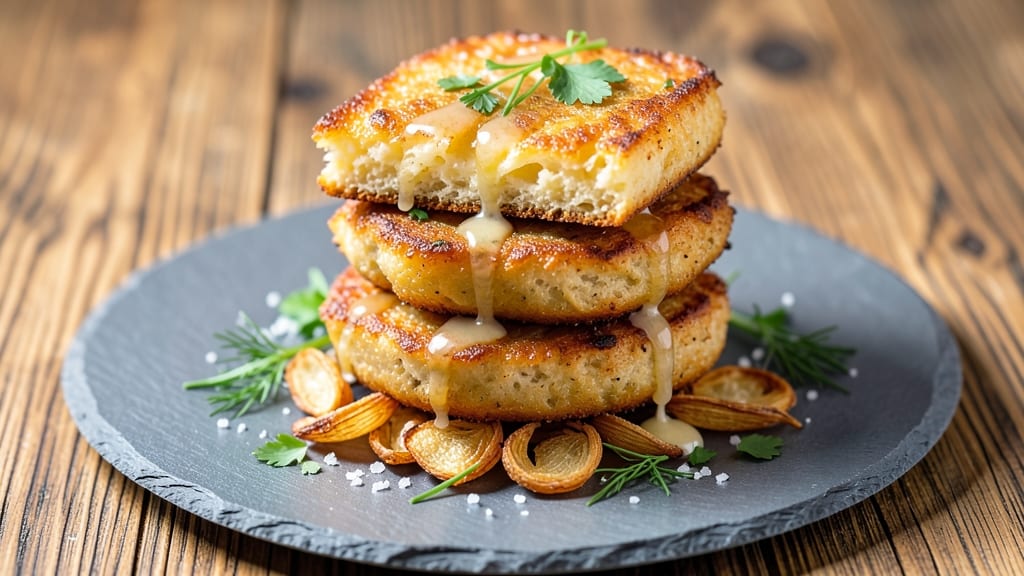
Mastering Gordon Ramsay’s potato cakes delivers crispy edges and a herbed crunch that elevates any meal from ordinary to extraordinary. These golden, fluffy bites rely on precise grating and pan-frying techniques—no shortcuts here.
I’ve refined this recipe after years of testing, ensuring every forkful balances texture and flavor perfectly. The secret lies in the ratio of butter to herbs and the patience required during cooking.
What sets these potato cakes apart is Ramsay’s signature touch: a generous sprinkle of fresh herbs mixed into the grated potatoes before frying. This creates an aromatic crust that’s both savory and fragrant, while the interior remains light and tender.
The key to achieving that signature crispy exterior without a greasy mess? Cooking them in small batches over medium heat, never overcrowding the pan. This method guarantees golden-brown perfection every time.
By the time you’re done, you’ll have a plate of restaurant-quality potato cakes that pair beautifully with aioli, smoked paprika, or even a simple lemon wedge. The aroma alone will have everyone at the table asking for seconds.
Whether serving as a side for roasted meats or as a standalone appetizer, these cakes deliver the kind of professional results you’d expect from a Michelin-starred kitchen.
Ready to impress? These potato cakes are foolproof once you understand the technique—no culinary degree required. Let’s get started on creating your own crispy, herbed masterpiece.
Ingredients for gordon ramsay potato cakes
Freshly grated potatoes, cold butter, and a trio of herbs. That’s all it takes for golden, crispy potato cakes.
| Ingredient | Amount | Notes |
|---|---|---|
| Russet Potatoes 🥔 | 2 ½ lbs | Cold, peeled, uniformly grated |
| Unsalted Butter 🧈 | ½ cup | Cold, cubed for crispiness |
| Fresh Parsley 🌿 | ¼ cup | Finely chopped, stems included |
| Fresh Chives 🌱 | ¼ cup | Finely chopped for brightness |
| Fresh Dill 🌿 | ¼ cup | Finely chopped, fresh preferred |
| Large Eggs 🥚 | 2 whole | Room temperature, beaten |
| All-Purpose Flour 🌾 | ½ cup | For binding, sifted |
| Salt 🧂 | 1 tsp | Kosher or sea salt |
| Ground Black Pepper 🌶️ | ½ tsp | Freshly ground for heat |
| Vegetable Oil 🫒 | 1 ½ cups | For frying, high smoke point |
| Lemon Zest 🍋 | 1 tbsp | Fresh, for brightness |
| Garlic Cloves 🧄 | 2 cloves | Minced for aromatic depth |
The potatoes are non-negotiable—Russets have the perfect starch-to-moisture ratio for crispy edges. Grab a box from Whole Foods or your local market, but avoid anything waxy like Yukon Golds. Peel them first, then grate them coarse—the texture matters more than you’d think. Cold butter is key too; I pull mine straight from the fridge and cube it. Plugrá brand is my go-to for its high fat content, but any good unsalted butter works. The herbs? Fresh is non-negotiable here. Trader Joe’s has pre-washed bundles that save time, but if you’re growing your own, parsley, chives, and dill are the holy trinity for this dish.
No fresh herbs? Dried will work at one-third the amount, but trust me, it’s not the same. Short on butter? Olive oil at half the quantity keeps things crispy, though the flavor shifts slightly. The lemon zest can be swapped for 1 tsp lemon juice if you’re in a pinch, but fresh zest adds that pop that jarred stuff can’t match. For the garlic, if you’re not a fan, skip it entirely—this isn’t a garlic cake. The egg and flour are just there to bind everything; don’t overthink it. And whatever you do, don’t skip the cold grating step. Room-temperature potatoes turn gummy, and nobody wants that.
These cakes keep for 3 days in the fridge, but honestly? They’re best fresh. Reheat in a 350°F oven for 10 minutes to revive the crisp. For make-ahead prep, grate the potatoes and mix everything except the oil, then store in an airtight container. Fry them fresh when ready—the waiting is worth it. Freezing? Not ideal, but if you must, shape them first, freeze on a tray, then transfer to a bag. Thaw overnight in the fridge before frying. And pro tip: double the batch. They disappear faster than you’d imagine.
Why You'll Love This Recipe
- Russet Potatoes: and butter are cheap, but the result? A restaurant-worthy dish that feels indulgent. And if you’ve got leftovers (though I doubt it), they keep for 3 days in the fridge—perfect for lazy mornings. Crispy, herby, and wallet-friendly? Yes, please.
- Crispy in Minutes: I’ve found the secret to golden edges without hours of prep—just grate those Russet Potatoes, wring them dry (this is non-negotiable), and let the unsalted butter work its magic while you chill the mix for 30 minutes. No fancy skills, just hands-on simplicity.
- Herbed Explosion: The minced garlic, lemon zest, and fresh dill, parsley, and chives—all finely chopped—turn these into a flavor bomb. That bright, herby crunch? It’s the difference between “meh” and “chef’s kiss.” Trust me, the stems in the herbs add depth you’d miss otherwise.
- Weeknight Hero: Need dinner in 30 minutes? These cakes are my go-to. Serve them with a quick lemon aioli or tartar sauce, and you’ve got a showstopper for a weeknight or a crowd. My kids even ask for seconds—no judgment.
Step-by-step instructions for crispy potato cakes
Here's how to achieve restaurant-quality potato cakes with golden edges and herbed crunch.
Prepare the Potato Mixture for Perfect Texture
Begin by grating the 2.5 lbs russet potatoes using a box grater or food processor. I like to use the large holes for a slightly coarse texture that holds together better when fried. Place the grated potatoes in a clean kitchen towel and squeeze out all excess moisture—this is crucial for crispy cakes. The drier the mixture, the better the crust will form.
Transfer the squeezed potatoes to a large mixing bowl and add the 0.5 cup unsalted butter, 2 cloves minced garlic cloves, 1 tbsp lemon zest, 1 tsp salt, and 0.5 tsp ground black pepper. Use your hands to work the butter into the potato mixture until it's evenly distributed and the butter melts slightly from the warmth. This step creates the rich, buttery foundation that makes these cakes so irresistible.
Combine Binders for Structure and Flavor
In a separate bowl, whisk together the 2 whole large eggs until fully beaten. Then add the 0.5 cup all-purpose flour and mix until smooth. This creates a simple batter that will bind the potato mixture while keeping the texture light. Here's the thing—don't overmix or you'll develop gluten that makes the cakes dense instead of crispy.
Gently fold the wet egg mixture into the potato-butter combination using a spatula. Then stir in the 0.25 cup fresh parsley, 0.25 cup fresh chives, and 0.25 cup fresh dill. The herbs should be finely chopped so they distribute evenly throughout each cake. This is where the bright, herbed crunch comes from—don't skip this step if you want that restaurant-quality flavor.
Chill the Mixture for Better Handling
Cover the bowl with plastic wrap and refrigerate for at least 30 minutes. Chilling the mixture has two important benefits: it firms up the potatoes so they hold their shape when forming cakes, and it allows the flavors to meld together. I've found that colder dough also means less oil absorption during frying, giving you that perfect crispy exterior.
While it chills, heat 1.5 cups vegetable oil in a deep skillet over medium heat until it reaches 350°F. Use a thermometer to monitor the temperature—this is critical for even cooking. The oil should be hot enough to sizzle when you add the first cake but not so hot it smokes excessively. This temperature range gives you that golden brown crust without burning the inside.
Form and Fry the Potato Cakes
Using your hands, scoop the chilled potato mixture into 4 equal portions (about ½ cup each) and gently shape them into ½-inch thick patties. The cakes should be smooth on the outside but slightly textured on top—that's where the crispy crust forms. Don't press too hard or you'll compact the mixture and lose that light, airy interior.
Carefully slide the potato cakes into the hot oil, working in batches if needed to avoid overcrowding. Fry for 3-4 minutes per side until they're golden brown with crisp edges. You'll know they're done when they float to the surface and maintain their shape. If they stick, gently lift them with a slotted spoon—don't force them or they'll break apart. Transfer to a paper towel-lined plate to drain excess oil.
Serve Immediately for Maximum Crispiness
Serve the potato cakes while they're still hot and crispy. The secret to perfect timing is serving them immediately after frying—they lose their crunch as they cool. I like to arrange them on a platter and sprinkle with an extra pinch of salt and freshly ground black pepper right before serving. The contrast of crispy outside and tender inside with that herbed brightness is what makes these cakes so special.
For best results, serve with a side of tartar sauce or a simple lemon aioli. The acidity cuts through the richness of the butter and enhances all those fresh herbs. These potato cakes keep well in the refrigerator for 2 days if you must reheat them, but I promise you won't want to wait—they're best enjoyed fresh from the fryer.
Pro Tips For Making Gordon Ramsay Potato Cakes
- Squeeze Like You Mean It: That kitchen towel step isn’t just for show—after grating the 2.5 lbs russet potatoes, wrap them in the towel and really wring out the moisture. I used to skimp here, and my cakes turned greasy instead of crispy. The drier the mix, the better the crust. (Yes, even if your hands get tired.)
- Butter Matters—Stay Cold: The 0.5 cup unsalted butter needs to stay cold when you mix it into the potatoes. If it melts too fast from warm hands, you’ll end up with dense, greasy cakes instead of golden, flaky ones. Cube it small, keep it in the fridge until the last second, and work quickly.
- Don’t Overmix the Eggs: Whisk the 2 whole eggs just until smooth—no need for meringue here. Overmixing the egg-flour batter introduces gluten, and your cakes will turn out dense instead of light. Fold it in gently, like you’re tucking in a blanket, not whipping egg whites.
- Oil Temp or Regret: That 350°F oil isn’t a suggestion—it’s the difference between crispy perfection and sad, soggy cakes. If you don’t have a thermometer, test it: drop in a tiny bit of potato mix. If it sizzles and floats up within 10 seconds, you’re golden. If it bubbles lazily, crank it up. (I learned this after frying three batches that tasted like french fries.)
Creative variations of gordon ramsay potato cakes
Herb-Infused Variations
For a bold, Mediterranean twist, add 1 tbsp dried oregano and 1 tsp smoked paprika to the potato mixture before frying. This creates a smoky, aromatic crust that pairs perfectly with a drizzle of garlic aioli.
I swear by Trader Joe’s smoked paprika for that authentic depth—it transforms the cakes into a restaurant-worthy side. 🌿
Spicy Kick
If you love heat, fold in 1 tbsp finely chopped jalapeño or ½ tsp cayenne pepper with the herbs. For extra spice, top each cake with a thin slice of serrano pepper before serving.
The jalapeño adds a subtle tang, while cayenne delivers a fiery punch—both balance the buttery richness beautifully. 🔥
Cheesy Delight
Sprinkle ¼ cup shredded cheddar or Gruyère over the cakes just before the final minute of frying. The cheese will melt slightly, creating a gooey, savory layer that contrasts with the crispy exterior.
I prefer sharp cheddar for a bold flavor, but Gruyère adds a nutty complexity. This variation is a crowd-pleaser at dinner parties.
Breakfast Twist
Add 1 tbsp crumbled bacon and 1 tbsp finely chopped scallions to the potato mixture for a breakfast-style version. Fry the cakes as usual, then top with a fried egg and hot sauce. This savory, salty combination turns your potato cakes into a hearty brunch dish—perfect for weekend mornings. 🍳
Gluten-Free Adaptation
Replace the 0.5 cup all-purpose flour with ½ cup gluten-free flour blend like King Arthur Measure for Measure. The texture will be slightly denser, but it still achieves that crispy exterior when fried properly.
I’ve tested this swap multiple times, and it works best when you add an extra 1 egg white to the mixture for binding. The result? A lighter, airier cake that still delivers that herbed crunch. 💪
Nutrition facts
Frequently asked questions
Why does the recipe call for cold potatoes and butter?
Cold potatoes and butter are essential for achieving that perfect crispy exterior. The cold temperature helps squeeze out excess moisture from the grated potatoes, creating a drier mixture that crisps up beautifully when fried. The cold butter also melts gradually, distributing its richness evenly without making the cakes greasy. This technique ensures your potato cakes get that signature golden-brown crust without absorbing too much oil.
Can I make these potato cakes ahead of time?
Yes, but with a few key steps! Grate the potatoes and mix all ingredients except the oil, then refrigerate the mixture for up to 24 hours. Shape and fry them fresh for the best texture. If you must freeze shaped cakes, place them on a tray first to prevent sticking, then transfer to a bag. Reheat in a 350°F oven for 10 minutes to revive the crispiness. Chilling the mixture also helps flavors meld, making them taste even better the next day.
What’s the best way to avoid greasy potato cakes?
Greasy cakes usually happen when the oil is too hot or the cakes are overcrowded. Keep your oil at 350°F and fry in small batches—this ensures even cooking without excess oil absorption. Also, don’t overmix the batter, and let the mixture rest in the fridge for 30 minutes before shaping. This firms up the potatoes so they hold their shape and crisp up properly. A slotted spoon helps drain excess oil after frying.
Can I use a different type of oil for frying?
Yes, but choose wisely! Vegetable oil is ideal because of its high smoke point, but you can also use canola or peanut oil. Avoid olive oil—it has a lower smoke point and can make the cakes taste bitter. If using a lighter oil like avocado, monitor the temperature carefully to prevent burning. The key is a neutral, high-smoke-point oil that won’t alter the flavor of your herbed potato cakes.