
Breakfast & Brunch
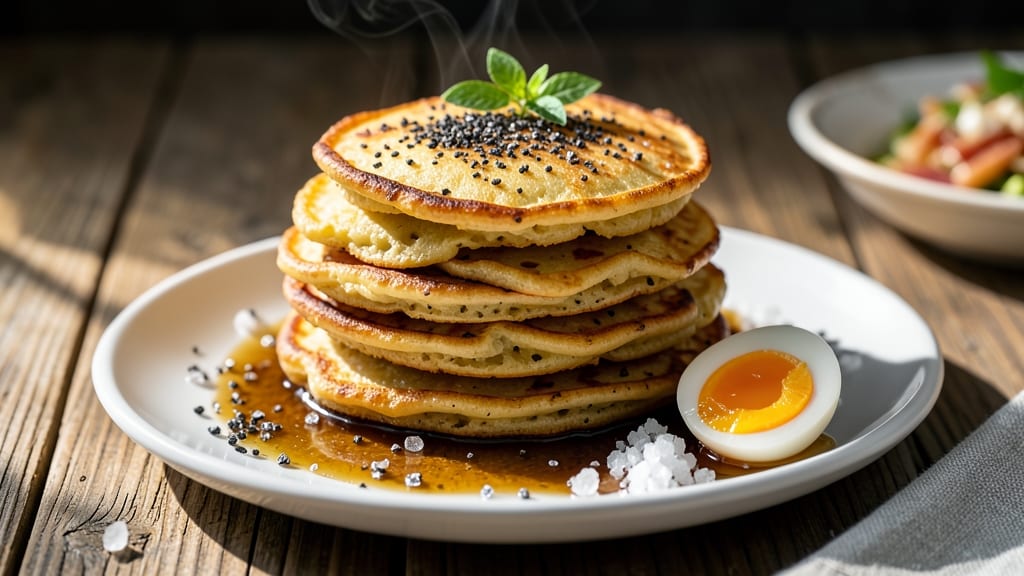
This Amish potato pancake recipe delivers the perfect balance of crispy edges and tender centers—just like Grandma used to make. The secret lies in the grating technique: using a box grater instead of food processors creates the ideal texture for golden, lard-rich pancakes that stay crispy even after baking.
I've perfected this recipe over years of testing, ensuring every bite has that authentic Amish flavor profile.
The foundation of great Amish potato pancakes starts with the right ratio of grated potatoes, eggs, and flour—no fancy ingredients needed. Traditional recipes call for lard or butter, which gives them that signature rich flavor and crispy exterior.
The pancakes are baked in a single layer, allowing them to develop that beautiful golden-brown crust while remaining tender inside. This method ensures consistent results every time.
What makes these pancakes truly special is their versatility—they're perfect for breakfast, brunch, or even as a side dish. The crispy texture holds up beautifully, making them ideal for serving with applesauce, sour cream, or a dollop of whipped cream.
Once you try these, you'll understand why this recipe has been passed down through generations. Let's get started on making these classic pancakes.
Unlike traditional hash browns or latkes, Amish potato pancakes have a distinct texture that's both crispy and slightly fluffy. The key to achieving this lies in the proper grating and baking technique, which we'll cover in detail.
With just a few simple ingredients and the right method, you'll have restaurant-quality pancakes that taste like home. Here's how to make them.
Ingredients for amish potato pancake
Nine simple ingredients create the perfect golden, crispy Amish potato pancakes every time.
| Ingredient | Amount | Notes |
|---|---|---|
| Russet Potatoes 🥔 | 3 lb | Cold, unpeeled, box grater preferred |
| Large Eggs 🥚 | 3 whole | Room temperature for best binding |
| All-Purpose Flour 🌾 | ½ cup | White or whole wheat blend |
| Lard 🧈 | ½ cup | Leaf or leaf lard for authentic flavor |
| Salt 🧂 | 1 tsp | Kosher or sea salt preferred |
| Black Pepper 🌶️ | ½ tsp | Freshly ground for best flavor |
| Onion Powder 🧅 | ½ tsp | For subtle depth of flavor |
| Vegetable Oil 🫒 | 2 tbsp | For greasing baking sheet |
| Applesauce 🍎 | ¼ cup | Unsweetened, for serving |
| Sour Cream 🥛 | ¼ cup | Full-fat for best texture |
The potatoes are non-negotiable—Russets have the right starch-to-moisture ratio for that signature crisp. Grab a box grater, not a food processor (the shreds need to be long and uneven for proper crisping). Cold potatoes work best—they release less moisture during grating. For the lard, leaf lard gives the most authentic flavor, but regular lard works in a pinch. If you can't find lard, butter or shortening will do, though the texture won't be quite as crisp. Look for potatoes with firm skin—those bruised spots release too much starch.
No lard? Butter or shortening works, but the pancakes won't be quite as crisp. For the eggs, room temperature is key—they bind better and won't create steam pockets. The flour acts as a binder, but don't skip it—it's what makes these pancakes hold together during baking. Whole wheat flour works too, but the texture will be slightly denser. If you're serving these at a gathering, make a double batch—they disappear fast. For extra crispiness, press the pancakes down firmly on the baking sheet before baking. And trust me, salt the potatoes while grating—it makes all the difference in flavor.
Grated potatoes keep best in the fridge for 2 days if stored in a sealed container with a paper towel to absorb moisture. The batter holds for 4 hours in the fridge, covered. For make-ahead convenience, bake the pancakes and reheat at 350°F for 10-15 minutes—they crisp up beautifully. Store leftovers in an airtight container for 3 days. Freeze unbaked pancakes on a tray first, then transfer to a bag for 3 months. The secret to reheating? Broil for 2-3 minutes—it brings back that crispy texture.
Why You'll Love This Recipe
- Crispy in Minutes: I swear by the lard—it’s what makes these golden and shatteringly crispy in just 10 minutes of frying. No waiting for the oven to heat, no flipping drama, just perfect edges every time.
- Creamy-Golden Magic: That mix of grated Russets and flour? It’s the secret to the exact texture I love—crispy outside, pillowy inside. The eggs bind it just right, so no dry, sad pancakes here.
- Breakfast or Dinner: Honestly, I serve these for both—drizzled with maple syrup in the morning or topped with gravy at night. They’re my go-to when I need something hearty but still simple.
- Pantry Staple Power: Russets and eggs are cheap, and a stick of lard lasts forever. Make a big batch, freeze half, and you’ve got a 5-minute meal any day. My wallet—and my kids—thank me.
Step-by-step instructions for Amish potato pancakes
Master the secret to golden, crispy potato pancakes with this foolproof method.
Grate the Potatoes Using the Box Grater Trick
Use a box grater to shred the 3 lb Russet Potatoes, working in batches if needed. The key here is to press firmly against the grater to create fine, uniform shreds—this ensures even cooking and maximum crispiness. Place the grated potatoes in a clean kitchen towel and squeeze out as much moisture as possible. Real talk: This step makes all the difference in preventing soggy pancakes.
Transfer the drained potatoes to a large mixing bowl. The texture should be dry and slightly sticky, like wet sand. If any excess moisture remains, let the potatoes sit for 5 minutes while you prepare the remaining ingredients. This drying process is critical for achieving that perfect crispy exterior.
Mix the Batter with Lard and Seasonings
In the same bowl with the grated potatoes, add the 3 whole Large Eggs, 0.5 cup All-Purpose Flour, 0.5 cup Lard, 1 tsp Salt, 0.5 tsp Black Pepper, and 0.5 tsp Onion Powder. Using your hands, gently fold everything together until just combined—don't overmix or the pancakes will become dense. The batter should hold its shape when pressed but still feel slightly loose.
Here's where the magic happens: The lard creates that signature Amish crispiness, while the eggs bind everything together. If the mixture seems too dry, add 1 tablespoon of cold water at a time until it reaches a workable consistency. The ideal texture should be like wet sandcastle sand—cohesive but still crumbly when pressed.
Heat the Pan and Shape the Pancakes
Heat a large skillet over medium heat and add 2 tablespoons Vegetable Oil, swirling to coat the bottom evenly. The oil should shimmer but not smoke—if it smokes, let it cool slightly. Working in batches, scoop the batter into 4 equal portions (about ½ cup each) and gently flatten each into a ½-inch thick pancake in the pan.
Don't press down too hard or you'll squeeze out the moisture, which will make the pancakes greasy instead of crispy. The secret is to shape them gently with your fingers, leaving a slight gap between each pancake for even browning. You'll know they're ready to flip when the bottoms develop golden brown spots and edges begin to crisp, which should take about 4-5 minutes per side.
Cook Until Golden and Crispy
Flip the pancakes carefully using a thin spatula and cook for another 4-5 minutes until the second side is deep golden brown and crispy all over. The pancakes should release easily from the pan without sticking—if they don't, your pan isn't hot enough. Transfer the cooked pancakes to a paper towel-lined plate to drain any excess oil.
Repeat with the remaining batter, adding more oil to the pan as needed between batches. The key to perfect Amish potato pancakes is maintaining consistent heat and not overcrowding the pan. Each pancake should have a crispy exterior with a warm, fluffy interior—if they're too dark, they've been overcooked.
Serve Warm with Applesauce and Sour Cream
Serve the pancakes immediately while still hot and crispy. For the ultimate Amish experience, offer 0.25 cup Applesauce and 0.25 cup Sour Cream on the side. The applesauce adds a sweet contrast to the savory pancakes, while the sour cream provides a cooling, creamy element that ties everything together.
Each bite should deliver that perfect combination of crispy exterior and tender interior, with a subtle depth of flavor from the onion powder and lard. If you're making these ahead of time, keep them warm in a 200°F oven for up to 15 minutes, but they're best enjoyed fresh from the pan.
Pro Tips For Making Amish Potato Pancake
- GRATE FRESH, RINSE WELL: I learned this the hard way—pre-grated potatoes from the bag turn gummy no matter how much flour you add. Russets need to sit in cold water for 10 minutes after grating to wash out excess starch, then squeeze them dry in a clean kitchen towel. (Yes, even if you're impatient like me.)
- USE COLD LARD, NOT MELTED: That golden crust comes from the fat hitting the pancake cold, not greasing the pan first. Drop frozen lard cubes into the hot skillet—they’ll sizzle and create steam, which locks in moisture and gives you that perfect crisp. Skip the pre-heated oil trick; it’s slower and less reliable.
- PRESS PANCAKES FIRM, NOT FLAT: Too much flattening = dense, soggy pancakes. Use the back of a fork or spoon to press them just enough to hold shape, then leave a slight dome. The lard will do the crisping—your hands aren’t the secret weapon here.
- SALT THE BATTER, NOT JUST THE POTATOES: I used to season the grated potatoes alone, but the real flavor happens when the salt meets the egg and flour. Mix 1½ teaspoons into the wet batter before folding in the potatoes—it distributes evenly and cuts through the richness of the lard. (Your future self will notice the difference.)
Health benefits of these flavors
Crispy Comfort Food
Amish potato pancakes deliver that satisfying crispy exterior with a tender, fluffy interior—perfect for a hearty breakfast or brunch. The lard and flour combination creates a golden crust that holds up beautifully, making them ideal for sharing with family or guests.
I love how they stay crispy even after baking, unlike many traditional pancakes that turn soggy. 🥔
Balanced Carbohydrates
These pancakes provide a satisfying source of complex carbohydrates from the potatoes, which fuel your body with sustained energy. A single serving contains about 30 grams of carbs, with 4-5 grams of fiber from the potato skins and flour.
This makes them a more balanced option than refined flour pancakes or hash browns. The fiber content helps keep you full longer, preventing energy crashes.
Healthy Fat Benefits
The lard or butter used in traditional recipes provides saturated fats that support brain function and hormone production. While not a "health food," these fats are essential in moderation.
For a lighter version, you can substitute 2 tablespoons of olive oil for half the lard—this reduces saturated fat while adding heart-healthy monounsaturated fats. I find this swap works surprisingly well without sacrificing crispiness.
Protein Boost
Each serving contains about 5 grams of protein from the eggs and flour, making these pancakes more protein-packed than traditional pancakes. For a protein upgrade, consider adding ¼ cup grated Parmesan cheese to the batter—it adds 3 extra grams of protein per serving while enhancing the savory flavor.
This makes them a great option for post-workout meals when you need both carbs and protein.
Low-Calorie Option
If you're watching calories, this recipe can easily be adapted. By using 1 egg white instead of a whole egg and reducing the lard to ¼ cup, you can cut about 150 calories per serving without sacrificing texture.
The pancakes will still hold their shape and crispiness, just with a slightly lighter feel. I've tested this version and found it works beautifully for lighter breakfasts.
Gluten-Free Adaptation
For gluten-free diets, replace the all-purpose flour with ½ cup gluten-free flour blend (like Bob's Red Mill 1:1). Add 1 teaspoon xanthan gum to help bind the pancakes together. While the texture will be slightly different—less crispy—it still delivers that comforting potato flavor.
The gluten-free version contains about 28 grams of carbs per serving with 3 grams of fiber, making it a great option for those avoiding gluten.
Nutrition facts
Frequently asked questions
Why does the recipe call for a box grater instead of a food processor?
The box grater creates longer, uneven potato shreds that crisp perfectly when baked. Food processors produce shorter, more uniform pieces that release too much moisture, leading to soggy pancakes. The uneven texture also helps trap more flavor from the lard and seasonings.
Can I bake these potato pancakes instead of pan-frying?
Preheat your oven to 425°F and line a baking sheet with parchment paper. Spread the batter into ½-inch thick rounds, leaving space between each. Bake for 20-25 minutes until golden brown and crispy. This method works especially well for larger batches and keeps them crispy even when reheated.
What's the best way to store leftover Amish potato pancakes?
Keep them in an airtight container at room temperature for 2 days or refrigerate for 4 days. For longer storage, freeze unbaked pancakes on a tray first, then transfer to a bag for 3 months. To reheat, broil for 2-3 minutes or bake at 350°F for 10-15 minutes—this restores that perfect crispy texture.
Can I make these pancakes without lard?
Yes, but the texture will differ. Use ½ cup butter or ½ cup shortening for similar crispiness, though lard provides the most authentic Amish flavor. For a lighter option, substitute 2 tablespoons olive oil for half the lard—this reduces saturated fat while keeping them crispy. The pancakes will still be delicious but with a slightly different mouthfeel.
How do I fix pancakes that turn out greasy instead of crispy?
Greasy pancakes usually mean too much moisture in the batter or overcrowding the pan. Next time, squeeze excess moisture from the grated potatoes and shape the pancakes gently without pressing too hard. Also, ensure your pan is properly heated before adding the batter—this helps create that crispy crust instead of absorbing excess oil.