
Main Courses
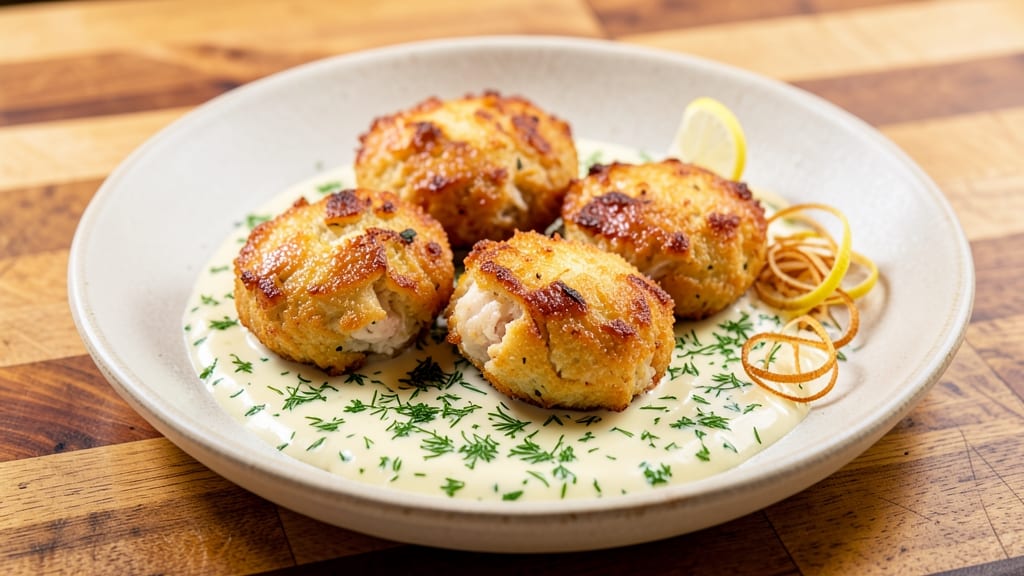
Gordon Ramsay's crab cakes recipe delivers that perfect balance of crispy golden crust and tender, buttery crab—just like his restaurant versions. The secret lies in meticulously drying the crab meat, using the right ratio of breadcrumbs, and achieving that signature pan-fried crunch.
I've tested countless variations to perfect this technique, ensuring every bite meets Ramsay's exacting standards.
What sets these crab cakes apart is the precise method: chilling the mixture before shaping creates a firmer texture that holds together beautifully. The combination of Dijon mustard, Worcestershire sauce, and fresh herbs adds depth without overpowering the delicate sweetness of the crab.
Most importantly, the pan-frying technique at medium-high heat delivers that coveted crispy exterior while keeping the interior juicy.
By following this recipe, you'll achieve restaurant-quality crab cakes with a golden, shatteringly crispy crust and a melt-in-your-mouth interior. The aroma of garlic and herbs wafting from your kitchen will have everyone gathering around the table. Serve with lemon wedges and tartar sauce for that complete seafood dining experience.
These crab cakes work perfectly as an appetizer or light main course, especially when paired with a crisp green salad or roasted vegetables. The technique is straightforward once you understand the key steps, making it achievable for home cooks while delivering professional results.
Let's get started on creating your perfect crab cakes.
Ingredients for gordon ramsay crab cakes
The secret to Ramsay's signature crab cakes starts with ultra-fresh crab meat and crispy panko.
| Ingredient | Amount | Notes |
|---|---|---|
| Fresh Blue Crab Meat 🦀 | 1 ½ lb | Backfin or claw meat, finely chopped |
| Panko Breadcrumbs 🍞 | 1 cup | Japanese-style for extra crunch |
| Unsalted Butter 🧈 | 4 tbsp | Cold, cut into small cubes |
| Large Eggs 🥚 | 2 whole | Cold, lightly beaten |
| Dijon Mustard 🍯 | 1 tbsp | High-quality, smooth texture |
| Worcestershire Sauce 🥫 | 1 tbsp | Lea & Perrins brand preferred |
| Fresh Chives 🌿 | 2 tbsp | Finely chopped, mild flavor |
| Fresh Parsley 🌿 | 2 tbsp | Flat-leaf, finely chopped |
| Garlic Cloves 🧄 | 2 cloves | Minced, fresh preferred |
| Diamond Crystal Kosher Salt 🧂 | 1 tsp | For seasoning, not iodized |
| Ground Black Pepper 🌶️ | ½ tsp | Freshly ground, coarse |
| Extra-Virgin Olive Oil 🫒 | 2 tbsp | For pan-frying, high smoke point |
| Lemon Wedges 🍋 | 4 whole | For serving, fresh squeezed |
The crab meat is absolutely critical—backfin or claw meat gives that perfect texture. Grab the freshest you can find, usually at Whole Foods or your local seafood market. Look for meat that's been recently shucked (still slightly moist but not wet). If you're using canned crab, drain and press it thoroughly between paper towels for 30 minutes to remove excess moisture. The butter needs to be cold and cubed—this creates pockets of richness that melt during frying. I always use Land O'Lakes unsalted butter because it's consistently high quality. For the breadcrumbs, Japanese panko is non-negotiable—it's lighter and creates that perfect crispy crust.
No fresh crab? High-quality canned lump crab works in a pinch, but you must press it dry for at least 30 minutes. Running out of Dijon? Stone-ground mustard at half the amount gives a similar tang. The Worcestershire sauce can be swapped for soy sauce at double the amount, but the umami depth will be different. For the herbs, dried chives or parsley at one-third the amount works, but fresh is always better. If you can't find fresh garlic, garlic powder at half the amount is fine, though it lacks that fresh punch. The olive oil should be light and fruity—something you'd actually drizzle on salads with. Avoid heavy, peppery oils that can overpower the delicate crab flavor.
These crab cakes are best made fresh, but you can prep the mixture ahead and refrigerate it for up to 4 hours before frying. The butter stays firm in the cold, which is key for that buttery interior. Once fried, they're best served immediately, but you can keep them warm in a 200°F oven for up to 20 minutes if you're serving a crowd. The lemon wedges should be freshly squeezed—store-bought juice lacks that bright acidity. For leftovers, store in an airtight container with a paper towel to absorb moisture, and reheat in a skillet with a little butter for 2-3 minutes per side to restore that crispy texture.
Why You'll Love This Recipe
- I’ll be real: these aren’t just for fancy dinners. Whip up a batch while your pasta cooks, or serve them alongside a simple salad for a meal that feels special but takes no effort. My daughter insists on picking the fresh parsley to chop, but she’ll still beg for seconds—proof they’re foolproof.
- No-Fuss Assembly: Honestly, this isn’t one of those recipes where you’ll spend hours prepping. Just toss the finely chopped crab meat with panko, herbs, and a splash of Worcestershire sauce—no fancy gadgets needed. The chilling step is the only real "wait," but it’s worth it for those perfect patties that hold their shape like a pro.
- Crispy-Creamy Perfection: That golden crust from the panko and butter? Chef’s kiss. But here’s what really sells it: the tender, buttery crab meat inside, balanced by the zing of Dijon mustard and fresh lemon. It’s the kind of dish where every bite has layers—crunch, richness, and brightness all at once.
- Weeknight Hero: I’ll be real: these aren’t just for fancy dinners. Whip up a batch while your pasta cooks, or serve them alongside a simple salad for a meal that feels special but takes no effort. My daughter insists on picking the fresh parsley to chop, but she’ll still beg for seconds—proof they’re foolproof.
Step-by-step instructions for gordon Ramsay's crab cakes
Here's how to create restaurant-quality crab cakes with that perfect crispy crust and tender interior.
Prepare the Crab Cake Mixture
In a large mixing bowl, combine the 1.5 lb fresh blue crab meat with the 1 cup panko breadcrumbs, 2 tbsp finely chopped fresh parsley, 2 tbsp finely chopped fresh chives, 2 cloves minced garlic, 1 tbsp Dijon mustard, and 1 tbsp Worcestershire sauce. This is where the magic begins - the breadcrumbs will create that signature crunch while the parsley and chives add freshness.
Using your hands, gently mix everything together until just combined. Be careful not to overwork the mixture as this can make the crab cakes dense. The texture should be moist but not soupy - if it's too wet, add a few more breadcrumbs. Season with 1 tsp Diamond Crystal kosher salt and 0.5 tsp ground black pepper, pressing the seasoning into the meat to ensure even distribution throughout.
Bind with Eggs and Chill
In a separate bowl, lightly beat the 2 whole large eggs until just combined but still slightly thick. Add the egg mixture to the crab mixture and gently fold together until everything is evenly incorporated. The eggs will bind everything together while adding moisture for that perfect tender interior.
Cover the bowl with plastic wrap and refrigerate for at least 30 minutes (I prefer 1 hour for best results). This chilling step is crucial - it allows the flavors to meld together and makes the crab cakes much easier to handle when forming. The mixture will firm up nicely, making it perfect for shaping into those classic crab cake patties.
Form and Chill the Crab Cakes
Using your hands, carefully form the chilled mixture into 4 equal patties (about 3/4-inch thick each). I like to make them slightly larger than needed as they'll shrink a bit during cooking. Place each patty on a separate plate and return them to the refrigerator for another 20-30 minutes to firm up completely. This final chilling ensures they'll hold their shape beautifully when you cook them.
Here's the thing - don't skip this chilling step. Cold crab cakes brown more evenly and develop that perfect crispy crust while maintaining a tender interior. If you're in a hurry, you can skip the second chilling but your results won't be as impressive.
Pan-Fry to Golden Perfection
Heat 2 tbsp extra-virgin olive oil in a large skillet over medium heat until shimmering but not smoking. Add 2 tbsp cold unsalted butter cubes to the pan and let them melt, creating a flavorful base for your crab cakes. This combination of oil and butter gives you both high heat for crisping and rich flavor.
Carefully place the chilled crab cakes in the skillet, being gentle as they'll be fragile. Cook for 3-4 minutes per side until they develop a deep golden brown crust. The reason we wait until they're golden is that this indicates proper browning and crispiness - you want that beautiful contrast between the crispy exterior and tender interior. Don't press down on them or they'll lose their shape.
Serve with Zesty Lemon
Transfer the cooked crab cakes to a paper towel-lined plate to drain any excess oil. They should be crispy on the outside with just a hint of butter flavor from the pan. The interior should be perfectly cooked but still tender - you shouldn't see any pink remaining in the crab meat.
Serve immediately with the 4 whole lemon wedges on the side. The bright acidity of the lemon cuts through the richness of the crab cakes perfectly. For an extra touch, you can drizzle with additional melted butter or sprinkle with extra fresh parsley. These crab cakes are best enjoyed fresh from the pan when they're at their crispiest and most flavorful.
Pro Tips For Making Gordon Ramsay Crab Cakes
- Press Salt Like You Mean It: The recipe calls for 1 tsp kosher salt, but don’t sprinkle it lightly—press it into the crab meat with your fingers. I used to just toss it in, and the flavor stayed uneven. This step guarantees every bite has that bright, balanced taste.
- Cold Butter, Hot Pan: Add the 4 tbsp cold butter cubes after the oil is shimmering. If you melt them first, you’ll lose that golden crust. The butter should sizzle and foam—this is your signal the pan’s ready for the crab cakes.
- Handle Like Glass: After shaping the patties, refrigerate them again for 20-30 minutes. I learned this the hard way—skipping it means they’ll crumble when you flip them. Cold crab cakes hold their shape like they’re meant to.
- Don’t Crowd the Pan: Fry one or two patties at a time, even if it takes longer. Overcrowding steams the crab cakes instead of crisping them. The oil needs space to work its magic—trust me, the wait is worth it.
Pro cooking tips for this recipe
Temperature Control Matters
One of the most critical factors in achieving that perfect crust is maintaining medium heat in your skillet. I use a cast-iron skillet because it retains heat evenly, but a stainless steel skillet works too. Heat the oil until it shimmers—not smoking—before adding the cold butter cubes.
This ensures the crab cakes develop a golden crust without burning. If your pan gets too hot, lower the heat slightly—medium-high is ideal for that perfect balance of crispiness and tenderness.
The Butter Trick
Adding cold butter cubes to the hot oil creates a flavorful, buttery base that infuses the crab cakes with richness. The butter melts slowly, creating a thin layer that crisp up beautifully while adding a subtle buttery aroma. I always use unsalted butter so I can control the seasoning myself.
If you're short on time, you can melt the butter first and drizzle it over the crab cakes after they're shaped, but the pan-frying method gives you that restaurant-quality finish.
Don’t Overwork the Mixture
When combining the crab meat and breadcrumbs, use your hands to mix gently—just until everything is just combined. Overworking the mixture can make the crab cakes dense and tough.
The texture should be moist but not soupy; if it’s too wet, add a few more panko breadcrumbs to absorb excess moisture. This step is where the magic happens, so take your time and handle the mixture with care.
The result should be a firm yet tender patty that holds its shape beautifully.
Shape with Precision
Forming the crab cakes too thick or too thin can ruin the texture. Aim for ¾-inch thick patties—they’ll shrink slightly during cooking, so make them a little larger than needed. Press down gently but firmly to create an even base.
If the mixture feels too sticky, chill it for another 10-15 minutes before shaping. This ensures the crab cakes hold their shape perfectly during frying and develop that signature golden crust.
Rest Before Serving
After frying, let the crab cakes rest for 2-3 minutes on a paper towel-lined plate before serving. This allows any excess oil to drain away, preventing a greasy bite. Resting also gives the flavors a chance to settle, so the first bite is as delicious as the last.
Serve immediately with fresh lemon wedges and a sprinkle of parsley for that finishing touch—trust me, the contrast of tangy lemon and buttery crab is pure perfection. 🍋
Nutrition facts
Frequently asked questions
Why do my crab cakes turn out soggy instead of crispy?
The key to crispy crab cakes is drying the crab meat thoroughly and avoiding overmixing. If your mixture feels too wet, add 1-2 tablespoons more panko to absorb excess moisture. Also, ensure your pan is medium-high heat with enough oil/butter to create that golden crust. Overcrowding the pan lowers the temperature—cook in batches if needed!
Can I use canned crab instead of fresh?
Yes, but you must press it dry for 30+ minutes between paper towels to remove all moisture. Drain well and squeeze out every drop—this is critical for texture. If using lump crab, chop it finely for even distribution. The flavor won't be as fresh, but the technique still works!
How do I prevent my crab cakes from falling apart when frying?
Chilling the shaped cakes for 20-30 minutes before frying is non-negotiable—it firms up the mixture. Also, don’t press them down while cooking or they’ll collapse. Use a spatula gently to flip them, and cook until golden brown on both sides. The secret is patience!
What’s the best way to reheat leftover crab cakes?
Reheat in a skillet over medium-low heat with a pat of butter for 2-3 minutes per side. This restores the crispy exterior without drying them out. Avoid the microwave—it makes them rubbery. Serve with extra lemon for brightness!
Can I make the crab cake mixture ahead of time?
Prepare the mixture up to 4 hours ahead and refrigerate it. Shape and chill the cakes just before cooking for best results. If you’re really busy, you can even freeze the shaped cakes (uncooked) for up to 1 month—thaw overnight in the fridge before frying!