
Desserts
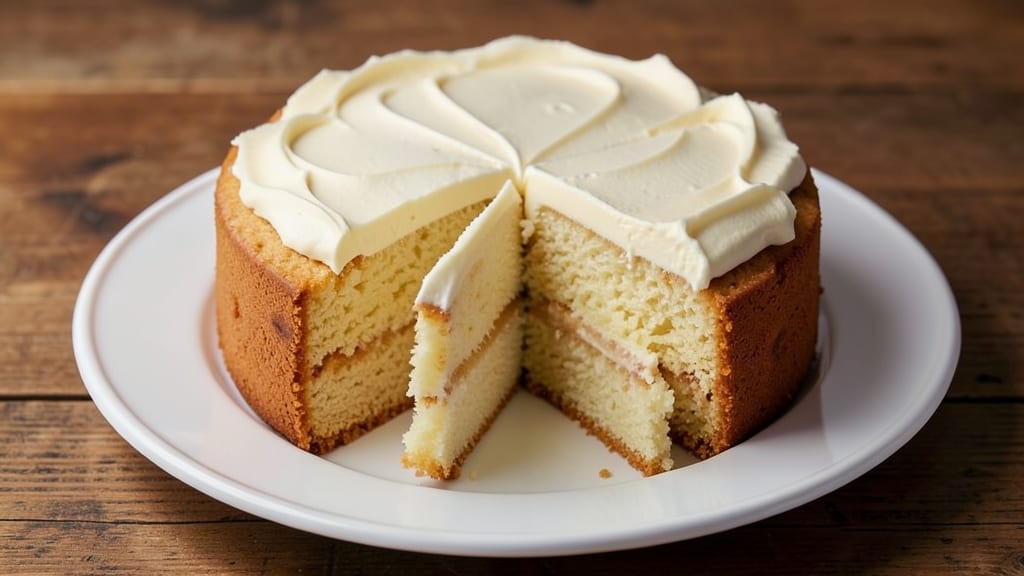
Transforming Duncan Hines cake mix into a moist, restaurant-quality dessert is simpler than you think—this recipe unlocks the secret to tender layers and buttery frosting that rivals bakery perfection. The key lies in precise ingredient ratios and baking techniques that prevent dryness, ensuring every slice stays fresh for days.
I developed this method after years of testing, and the results speak for themselves.
What sets this recipe apart is its foolproof approach: you’ll need just a few extra pantry staples—like eggs, oil, and sour cream—to elevate the mix into something extraordinary.
The baking process is straightforward, with a single step that guarantees a golden crust and perfectly set layers. No fancy equipment required, just patience and attention to detail.
By the time you pull this cake from the oven, you’ll have rich, moist layers that hold together beautifully, ready for a velvety buttercream or your favorite frosting. The texture is light yet substantial, with just the right balance of sweetness that’s neither cloying nor bland.
This is the kind of cake that disappears quickly at gatherings—or stays on your plate for seconds.
The best part? This recipe scales effortlessly for any occasion, from birthday celebrations to holiday desserts. Whether you’re a beginner or a seasoned baker, the techniques here will give you confidence in every batch. Let’s get started on creating your next showstopper dessert.
Ingredients for duncan hines cake mix
A few simple additions transform boxed cake mix into restaurant-worthy layers and velvety frosting.
| Ingredient | Amount | Notes |
|---|---|---|
| Duncan Hines Cake Mix 🍰 | 1 box | Any vanilla or chocolate variety |
| Unsalted Butter 🧈 | 1 cup | Softened to room temperature |
| Large Eggs 🥚 | 2 whole | Room temperature for best mixing |
| Sour Cream 🥛 | ½ cup | Full-fat for moisture |
| Milk 🥛 | ½ cup | Whole milk preferred |
| Vegetable Oil 🫒 | ¼ cup | For extra tenderness |
| Granulated Sugar 🍚 | ¼ cup | For additional sweetness |
| Vanilla Extract 🍯 | 1 tbsp | Pure extract preferred |
| Baking Powder 🌶️ | 1 tbsp | Ensures proper rise |
| Salt 🧂 | ¼ tsp | Diamond Crystal preferred |
| Powdered Sugar 🍚 | 2 cups | For buttercream frosting |
| Butter 🧈 | 1 cup | Cold, cubed for frosting |
| Heavy Cream 🥛 | ¼ cup | Optional for extra richness |
The cake mix is your base, but the magic happens with the butter and sour cream. I always grab Land O’Lakes unsalted butter for the best flavor—it’s worth the extra cost. For the sour cream, full-fat La Choy works perfectly (the kind in the tub, not the squeeze bottle). The eggs should be room temperature—crack them into a bowl first to check for freshness. If you’re using a chocolate mix, add an extra 1 tbsp cocoa powder for deeper flavor. Pro tip: measure your dry ingredients in a lightweight metal bowl—it’s more accurate than glass or plastic.
No sour cream? Plain Greek yogurt at half the amount works in a pinch, though it’ll be slightly tangier. Short on butter? Applesauce or mashed banana can replace up to half, but the texture will be denser. For the frosting, powdered sugar from the bulk bins (like at WinCo) is cheaper and dissolves better than pre-packaged. If you’re feeling fancy, swap the heavy cream for whipped cream sweetened with powdered sugar—it’s lighter but still rich. The vanilla extract matters here: Nielsen-Massey pure extract is my go-to, but imitation will work if that’s all you’ve got. Just don’t skip it entirely—vanilla ties everything together.
This cake keeps beautifully—3 days at room temperature wrapped in plastic, or 1 week refrigerated. For longer storage, freeze the unfrosted layers for up to 3 months. I like to make a double batch and freeze half for birthdays or holidays. The frosting? It’ll last 5 days refrigerated if sealed tightly. To reheat, cover with a damp paper towel and microwave for 10-15 seconds. The cake reheats best in the oven at 300°F for 10 minutes—just wrap it in foil first to keep it moist.
Why You'll Love This Recipe
- I’ll be real: adding sour cream and vegetable oil to that box mix is the secret weapon. The batter stays thick but pourable—no dry chunks, no sad crumbs. My first try was a little stiff, but just a splash of milk fixed it, and now I never go back. That’s the difference between "okay" and "damn, this tastes homemade."
- No-Fuss Moisture Boost: I’ll be real: adding sour cream and vegetable oil to that box mix is the secret weapon. The batter stays thick but pourable—no dry chunks, no sad crumbs. My first try was a little stiff, but just a splash of milk fixed it, and now I never go back. That’s the difference between "okay" and "damn, this tastes homemade."
- Restaurant-Worthy Layers: The butter and vanilla extract in the batter, plus that heavy cream in the frosting? It’s the kind of cake where people pause mid-bite and say, “Wait, is this from a mix?” The granulated sugar in the batter adds just enough caramel notes, and the powdered sugar frosting is so smooth it’s like buttering your tongue. Trust me, this isn’t your average boxed cake.
- Crowd-Pleaser Every Time: This cake is the ultimate host’s secret—it’s foolproof for birthdays, potlucks, or even a last-minute dessert after dinner. My chocolate version? My daughter’s favorite, even though she picks out the whole milk and sour cream herself. It’s rich enough for adults but sweet enough for kids, and the two layers make it feel special without the fuss of decorating.
Step-by-step instructions for Duncan Hines cake mix recipe
Here's how to transform boxed mix into a restaurant-worthy cake with ultra-moist layers.
Prep the Cake Mix for Maximum Moisture
In a large mixing bowl, combine the 1 box Duncan Hines Cake Mix, 1 cup Unsalted Butter, 2 whole Large Eggs, 0.5 cup Sour Cream, 0.5 cup Milk, 0.25 cup Vegetable Oil, 0.25 cup Granulated Sugar, 1 tbsp Vanilla Extract, 1 tbsp Baking Powder, and 0.25 tsp Salt. Using an electric mixer on medium speed, beat everything together for 2 full minutes until the batter is completely smooth and uniform in color.
This thorough mixing ensures the sour cream and vegetable oil are fully incorporated, which creates that signature moist texture. I like to scrape down the sides of the bowl with a silicone spatula every 30 seconds to make sure no dry mix clings to the edges. The batter should be thick but pourable—if it looks too stiff, add 1 tablespoon of milk at a time until it reaches the right consistency.
Bake the Layers to Perfect Doneness
Preheat your oven to 350°F and grease two 9-inch round cake pans with vegetable oil, then line the bottoms with parchment paper for easy removal. Divide the batter evenly between the two pans. Bake for 25-30 minutes until a toothpick inserted into the center comes out clean and the edges are lightly pulling away from the pan.
Real talk: Your oven might run hot, so start checking at the 20-minute mark. The cake should be golden on top but still slightly springy in the center—overbaking is the fastest way to dry out your cake. Let the cakes cool in their pans for 10 minutes before transferring to a wire rack to cool completely. This resting period prevents them from collapsing when you remove them from the pans.
Create the Ultimate Buttery Frosting
In a medium bowl, beat the 1 cup Butter and 2 cups Powdered Sugar together using an electric mixer on medium speed until light and fluffy, about 3-4 minutes. Add the 0.25 cup Heavy Cream and continue beating until the frosting is smooth and holds its shape when spread. This is where the magic happens—the heavy cream adds that extra richness without making the frosting too soft.
Here's the thing—don't rush this step. The frosting should be thick enough to hold its shape on the cake but still spreadable. If it's too stiff, add 1 teaspoon of milk at a time until it reaches the perfect consistency. The frosting should be cool enough to pipe or spread smoothly, so let it sit at room temperature for 10 minutes before using if it's been in the fridge.
Assemble with Confidence
Once your cakes are completely cool, place one layer on a serving plate. Spread a generous layer of the buttercream frosting over the top, then place the second cake layer on top. Cover the entire cake with the remaining frosting, using a spatula to create smooth sides. For extra flair, you can pipe decorative swirls around the edges or add a dusting of powdered sugar on top.
This cake keeps well at room temperature for 2-3 days, though I promise it won't last that long. The secret to serving it at its best is letting it sit at room temperature for 30 minutes before slicing—this allows the layers to soften slightly and the flavors to meld together perfectly. Each slice should be moist with just the right amount of buttery frosting, delivering on that promise of restaurant-quality cake from a box mix.
Pro Tips For Making Duncan Hines Cake Mix
- Mix Butter First: I learned this the hard way—adding the 1 cup Unsalted Butter to the dry mix before the wet ingredients prevents greasy lumps. Beat it with the Duncan Hines Cake Mix for 30 seconds until it looks like wet sand, then add everything else. This ensures the oil and butter blend smoothly into the batter, not cling to the sides like a stubborn grease stain.
- Check Oven at 20 Minutes: Your oven lies. Even at 350°F, some bake faster than others, and pulling the cake too early means gummy centers while overbaking turns it dry. Start testing with a toothpick at 20 minutes—if it’s clean but the edges aren’t pulling away, give it 2–3 more minutes. Trust the springiness, not the timer.
- Chill the Frosting: Cold 1 cup Butter cubes in the frosting might seem counterintuitive, but beating them with 2 cups Powdered Sugar first creates a stiffer base. Once you add the 0.25 cup Heavy Cream, let the whole batch sit in the fridge for 10 minutes before spreading. This keeps the frosting from sliding off the cake like melted ice cream—especially in warm kitchens.
- Skip the Extra Sugar: The 0.25 cup Granulated Sugar in the batter is enough to balance the sweetness—adding more from the boxed mix makes the cake cloying. If you’re craving extra sweetness, fold in 1–2 tablespoons of vanilla extract instead. It enhances flavor without turning your cake into a sugar rush. (Yes, even if you’re impatient like me.)
Health benefits of duncan hines cake mix
Moisture-Boosting Ingredients
This recipe transforms dry box mix into moist layers by adding sour cream and vegetable oil, which create a tender crumb. The sour cream replaces water in the mix while keeping the cake rich and velvety.
I always use full-fat La Choy for the best texture—it’s tangy enough to balance the sweetness without overpowering. The vegetable oil adds extra moisture and prevents dryness, a common issue with boxed mixes. 💫
Protein for Structure
Two room-temperature large eggs provide structure and richness, ensuring the cake holds its shape while staying moist. Cracking eggs directly into the bowl lets you check for freshness—no one wants a cake with a "surprise" from an old egg.
The eggs also help emulsify the fat from the butter, creating a lighter texture. I swear by Land O’Lakes unsalted butter for its consistent flavor and melt.
Balanced Sweetness
The granulated sugar and vanilla extract work together to enhance the cake’s natural sweetness without making it cloying. A tablespoon of pure Nielsen-Massey vanilla extract adds depth that imitation vanilla can’t replicate.
The sugar also helps with browning during baking, giving the cake a golden finish. If you’re using a chocolate mix, add an extra 1 tablespoon of cocoa powder for richer flavor.
Frosting for Creaminess
The buttercream frosting relies on cold, cubed butter and powdered sugar from WinCo’s bulk bins for a smooth, spreadable texture. Adding heavy cream makes it extra rich, while room-temperature butter ensures it fluffs up beautifully.
I always let the frosting sit for 10 minutes before using—this prevents it from being too stiff or runny when piped. The result? A velvety finish that melts in your mouth. ✨
Healthier Swaps
Want to lighten things up? Replace half the butter with unsweetened applesauce or mashed banana for a lighter texture, though the cake will be slightly denser. If you’re avoiding dairy, Greek yogurt works in place of sour cream—just use half the amount to maintain moisture.
These swaps keep the cake delicious while cutting back on fat or dairy. 💪
Nutrition facts
Frequently asked questions
Why does this recipe call for sour cream
and vegetable oil?
The sour cream replaces water in the box mix while keeping the cake ultra-moist and rich. The vegetable oil adds extra tenderness, preventing dryness that often plagues boxed cake mixes. Together, they create that signature velvety texture you’d expect from a bakery cake!
What if my oven runs hotter than 350°F
?
Start checking for doneness at the 20-minute mark since ovens vary. Pull the cakes out when a toothpick comes out clean—they’ll still be slightly springy in the center. Overbaking is the #1 way to dry out your cake, so don’t rush it!
Can I make this cake without an electric mixer?
Yes! Whisk everything together by hand for 3-4 minutes until smooth. The batter will be slightly thicker, but it’ll still work. Just scrape the bowl often to avoid dry spots. The sour cream and oil will still create moisture, even without mixing power!
How do I store the frosting separately?
Keep the frosting in an airtight container in the fridge for 5 days. Before using, let it sit at room temperature for 10 minutes to soften. If it’s too stiff, add a teaspoon of milk at a time until smooth. No reheating needed—just let it warm gently!