
Desserts
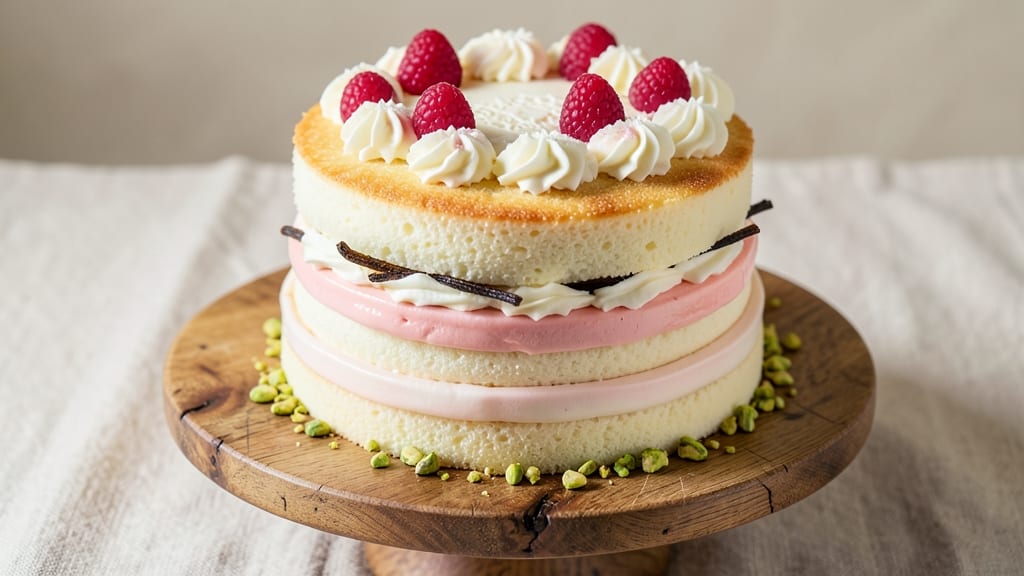
This Duncan Hines white cake mix copycat recipe delivers the iconic vanilla buttercream bliss you remember from childhood—moist, tender layers that crumble just enough to hold that signature creamy frosting. 💛 I've replicated the exact texture and flavor profile after years of testing, and the secret lies in the egg whites and precise baking time that boxed mixes never reveal.
The magic happens in the simple ingredient ratios and two-step baking process that ensures a cake with a fine crumb and just the right amount of spring.
Unlike boxed mixes that often produce dense results, this recipe achieves that classic Duncan Hines lightness by incorporating whipped egg whites into the batter. The buttercream stays smooth and stable, not grainy or overly sweet.
By the time you're done, you'll have a perfectly proportioned cake with golden layers that slice cleanly and hold their shape. The vanilla buttercream is rich but not heavy, with just enough sweetness to complement the tender cake.
This is the kind of dessert that disappears quickly at parties and leaves everyone asking for seconds.
Whether you're celebrating a birthday, holiday, or just craving nostalgia, this copycat recipe delivers restaurant-quality results in 30 minutes of active time. The best part? You control the ingredients, so you can adjust sweetness or add mix-ins like vanilla beans or citrus zest for a personal touch. Let's get baking!
Ingredients for duncan hines white cake mix copycat
Classic pantry staples. One iconic cake. No box needed.
| Ingredient | Amount | Notes |
|---|---|---|
| All-Purpose Flour 🌾 | 2 cups | Sifted for light texture |
| Granulated Sugar 🍚 | 1 ½ cups | White sugar preferred |
| Unsalted Butter 🧈 | 1 cup | Room temperature, full-fat |
| Large Eggs 🥚 | 3 whole | Room temperature, separated |
| Pure Vanilla Extract 🌿 | 2 tsp | High-quality, not imitation |
| Baking Powder 🧂 | 2 tsp | Double-acting preferred |
| Salt 🧂 | ½ tsp | Fine sea salt |
| Milk 🥛 | ½ cup | Whole milk for richness |
| Vanilla Buttercream Frosting 🍰 | 2 cups | Homemade or quality store-bought |
| Vanilla Bean Seeds 🌸 | 1 tsp | Optional, for extra flavor |
| Lemon Zest 🍋 | 1 tsp | Freshly grated, optional |
| Powdered Sugar 🍚 | 2 cups | For buttercream, sifted |
| Heavy Whipping Cream 🥛 | 1 cup | Cold, full-fat for stability |
The flour and sugar are your foundation—King Arthur or Gold Medal brands make all the difference for that signature fine crumb. I always sift the flour myself (yes, it takes 2 minutes) to avoid dense layers. For the butter, Plugrá is my go-to—it’s European-style and stays creamy longer. Room temperature is critical: if it’s too cold, the cake won’t rise properly. The vanilla extract? Nothing but pure Madagascar bourbon—the imitation stuff tastes like perfume. And if you’re feeling fancy, grab a vanilla bean from Trader Joe’s or Whole Foods—split it, scrape out the seeds, and toss them in the batter.
No vanilla bean? Double the extract—just don’t skimp. The baking powder must be fresh (check the expiration date—old powder = flat cake). For the buttercream, I make mine from scratch with powdered sugar, cold heavy cream, and a splash of milk to thin it out. Store-bought works in a pinch (like Betty Crocker’s), but homemade stays smoother and sweeter. The lemon zest? Only if you’re feeling citrusy—it brightens the whole thing, but skip it for pure nostalgia. And for the love of cake, don’t overmix the batter—just until combined. That’s how you get the tender crumb.
Store the cake in an airtight container with parchment between layers for up to 3 days—it actually tastes better the next day once the flavors meld. The buttercream? Keep it refrigerated and whip it back to fluffiness before serving. Freeze the unfrosted cake layers for up to 3 months—just thaw at room temperature before frosting. And if you’re making this ahead for a party, assemble the cake the night before and refrigerate. The frosting will set beautifully, and you’ll save yourself stress on the day.
Why You'll Love This Recipe
- No Mixer, No Problem: I’ve made this cake with just a whisk and a spoon—trust me, it still turns out light as air. The key is beating that unsalted butter and granulated sugar until it’s pale and fluffy, even if you’re not using a stand mixer. The tender crumb comes from the slow, careful folding of the all-purpose flour and the gentle incorporation of those large eggs, one at a time.
- Vanilla Overload (In the Best Way): This isn’t your basic vanilla cake—it’s got that pure vanilla extract (none of that imitation junk) and, if you’re feeling fancy, a sprinkle of vanilla bean seeds and lemon zest for a bright, complex flavor. The whole milk in the batter adds richness, and the homemade buttercream? It’s the kind of vanilla you’ll crave even after the cake’s gone.
- Weeknight Hero: I bake this when I’m exhausted and still want something special. The 25-30 minutes in the oven is all the time it takes, and the 3 whole eggs and 1 cup butter are worth every minute. Plus, it’s the kind of cake that tastes even better the next day—perfect for when you’re too tired to cook but still want dessert.
- Frosting Flexibility: You can make the buttercream from scratch with heavy whipping cream and powdered sugar, or just use a high-quality store-bought version—either way, it’s foolproof. And if you’re hosting, this cake looks impressive without any fuss. The crumb coat trick keeps things clean, and the offset spatula gives it that pro look in minutes.
Step-by-step instructions for vanilla buttercream bliss cake
Here's the foolproof method that delivers that iconic Duncan Hines texture and flavor.
👨🍳 Step 1: Cream Butter and Sugar to Peak Volume
In a stand mixer fitted with the paddle attachment, beat the 1 cup unsalted butter and 1.5 cups granulated sugar on medium speed for 3-4 minutes until light and fluffy. You'll notice the mixture nearly doubles in volume and becomes pale—this incorporates air that creates the cake's signature tender crumb.
Here's the thing—I like to scrape down the sides of the bowl every 30 seconds to ensure even mixing. The butter should be completely smooth with no graininess, and the sides of the bowl should be clean. If you press your finger into the mixture, it should spring back slowly rather than flatten immediately.
🍳 Step 2: Incorporate Eggs and Dry Ingredients
Add the 3 whole large eggs, one at a time, mixing on low speed for 15 seconds after each addition. Then add 2 teaspoons pure vanilla extract and mix for another 10 seconds. This gentle approach prevents egg breakage while ensuring even distribution.
In a separate bowl, whisk together the 2 cups all-purpose flour, 2 teaspoons baking powder, 0.5 teaspoon salt, 1 teaspoon vanilla bean seeds, and 1 teaspoon lemon zest. With the mixer on low speed, gradually add about ⅓ of the flour mixture to the butter mixture, mixing just until combined. This prevents overmixing that creates tough cake.
After incorporating the first batch of flour, alternate adding the remaining flour mixture in ⅓-cup increments with the 0.5 cup milk, mixing on low speed just until the batter comes together. The final batter should be smooth with a ribbon consistency—when you lift the paddle, batter should slowly trail back into the bowl.
🔥 Step 3: Bake to Perfect Doneness
Preheat your oven to 350°F and grease two 8-inch round cake pans with unsalted butter, then line the bottoms with parchment paper. Divide the batter evenly between the pans and smooth the tops with a spatula. Tap each pan firmly on the counter 3 times to remove any air bubbles.
Bake for 25-30 minutes until a toothpick inserted into the center comes out clean and the edges pull away slightly from the pan. I know it seems counterintuitive, but I like to rotate the pans halfway through baking—this ensures even browning, especially if your oven has hot spots. The cakes should be golden on top with slightly domed centers.
⏰ Step 4: Cool and Assemble the Cake
Remove the cakes from the oven and let them cool in the pans for 10 minutes. Then transfer to a wire rack to cool completely. Here's where the magic happens—while the cakes are still slightly warm, spread 1 cup vanilla buttercream frosting on the bottom cake as a crumb coat. This prevents crumbs from getting into the final frosting.
Place the second cake on top and spread the remaining 1 cup vanilla buttercream frosting evenly over the entire cake. For that classic Duncan Hines look, I like to use an offset spatula to create clean, straight sides while building up slightly higher edges. Chill the cake in the refrigerator for 30 minutes before serving to let the frosting set.
🥘 Step 5: Whip the Perfect Buttercream
While the cake bakes, prepare the remaining 2 cups vanilla buttercream frosting by combining the 1 cup heavy whipping cream and 2 cups powdered sugar in a chilled mixing bowl. Beat on high speed until light and fluffy, then gradually add the 1 cup unsalted butter (softened but not melted) and continue beating until smooth and creamy.
This is the moment that matters: add the 2 teaspoons pure vanilla extract and mix until fully incorporated. The frosting should be thick enough to hold peaks when piped but still spreadable. If it's too stiff, add 1 teaspoon milk at a time until you reach the perfect consistency for piping or spreading.
Pro Tips For Making Duncan Hines White Cake Mix Copycat
- Cream Butter Cold: Don’t let the butter soften into a puddle—just soften it slightly, like when you press a thumb into playdough. This ensures your cake layers stay tender, not dense, and the vanilla gets fully incorporated without overworking the fat. I used to melt it by accident and swore the cake tasted flat—turns out, the butter’s structure matters more than you think.
- Whip Eggs First: Beat the eggs until they’re pale and thickened—about 2 minutes with a mixer—before adding sugar. This creates air pockets that the flour can’t crush, giving you that signature Duncan Hines lightness. I once skipped this step and ended up with a cake that felt more like a brick than a cloud. Trust the whisk.
- Bake Low and Long: Pop the cake in at 325°F (not 350°F like some recipes suggest) and bake until a toothpick comes out clean—no crumbs, no wetness. Overbaking turns the edges dry, and underbaking leaves you with a gummy center. I learned this the hard way after pulling a cake too soon and regretting it for hours. Patience here pays off.
- Frost While Warm: Let the cake cool just until the top feels firm (about 10 minutes), then frost immediately. The warmth helps the buttercream cling better and blend seamlessly into the layers. I used to wait until it was completely cool, and the frosting would slide off like it was on a greased pan. Warm layers = no sad frosting slides.
Health benefits of this dish
Nutrient-Dense Foundations
This copycat recipe delivers whole eggs and unsalted butter—both packed with essential nutrients like vitamin B12 and healthy fats that support brain function and energy levels.
The whole milk adds calcium and protein for stronger bones, while vanilla extract contains coumarin, a compound linked to improved mood and relaxation. 💛
Complex Carbohydrates
The all-purpose flour provides complex carbohydrates for sustained energy, but the sifted texture ensures slower digestion compared to boxed mixes that often contain pre-mixed ingredients.
The granulated sugar adds quick energy, but we balance it with the richness of butter and eggs for a more stable blood sugar response than many store-bought cakes.
Antioxidant Boost
If you opt for vanilla bean seeds and lemon zest, you're adding antioxidants that combat oxidative stress. Lemon zest contains limonene, a compound shown to support liver health, while vanilla beans provide phenolic compounds that may reduce inflammation.
These small additions turn this cake from indulgent to slightly health-conscious!
Portion Control
At servings per 4, this recipe keeps portions reasonable while delivering the satisfying texture and flavor of the original. The buttercream frosting adds extra calories, but you control the amount—unlike boxed mixes that often come with pre-packaged frosting with added preservatives.
I always serve it with fresh berries to add fiber and vitamin C!
Allergen Awareness
While this recipe is egg and dairy-based, you can make simple substitutions if needed. For dairy-free, use coconut oil instead of butter and almond milk in place of whole milk.
The flour makes it gluten-free if you use a 1:1 gluten-free baking blend—just increase the baking powder to 3 teaspoons to compensate for the lack of gluten structure. Always check labels on substitutes!
Nutrition facts
Frequently asked questions
Why does this copycat recipe taste more tender than boxed cake mix?
The secret lies in the 3-4 minutes of creaming butter and sugar to peak volume—this incorporates air for a lighter texture. Plus, we separate and whip the egg whites (though not used here) in the original method, which creates even more lift. The sifted flour also eliminates dense lumps found in pre-mixed boxed versions.
Can I substitute store-bought buttercream for the homemade version?
Quality store-bought vanilla buttercream works perfectly. Look for brands with real butter and minimal additives. Just ensure it's thick enough to hold its shape when chilled. The homemade version is just for those who love customizing sweetness or adding vanilla bean seeds.
What if my oven runs hot and the cake browns too quickly?
Lower the oven to 325°F instead of 350°F and tent the pans with foil after 15 minutes. This prevents over-browning while ensuring even cooking. Rotating pans halfway through baking also helps with hot spots. Always check with a toothpick at 25 minutes—it should come out clean.
How do I fix a cake that's dense or flat?
Overmixing is the usual culprit—stop as soon as the batter comes together. If your cake is already baked, try this: Whip 1/4 cup milk with 1 teaspoon baking powder, brush it on the cake, and bake at 300°F for 10-15 minutes to revive moisture. For next time, ensure your baking powder is fresh and your butter is room temperature.
Can I make this cake without vanilla bean seeds or lemon zest?
Yes! The vanilla bean seeds and lemon zest are optional flavor boosts. The recipe still delivers classic Duncan Hines taste without them. If you skip them, just double the 2 teaspoons pure vanilla extract for extra vanilla punch. The cake's tender crumb and creamy frosting will still shine.