
Desserts
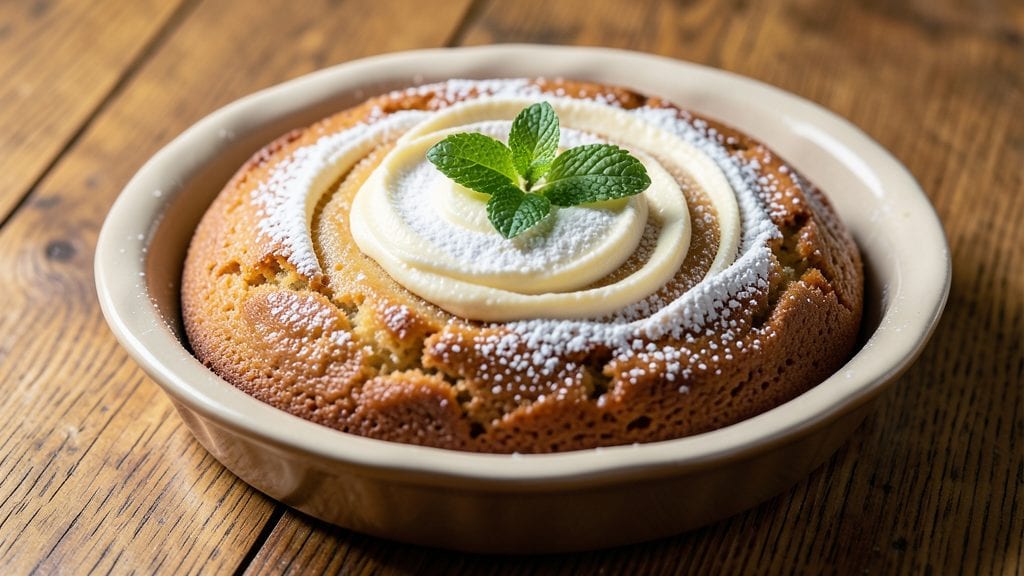
This classic Southern pound cake recipe delivers the perfect balance of tender layers and a crispy top that Southern bakers have perfected for generations. The secret lies in creaming butter and sugar properly, using room-temperature eggs, and incorporating buttermilk for that signature moist texture.
I've baked this version countless times, and it never fails to impress—whether served warm with butter or dusted with powdered sugar.
The foundation of this recipe is traditional Southern technique: creaming butter and sugar until light and fluffy, then alternating with dry ingredients to create layers that bake up evenly. Buttermilk adds richness and tenderness, while vanilla and a touch of bourbon (optional) deepen the flavor profile.
Baking at 350°F for 50–60 minutes ensures a golden, crispy top without overcooking the interior.
What makes this pound cake truly special is its versatility—slice it warm for breakfast with fresh berries, serve it at room temperature with coffee, or use it as the base for a decadent trifle.
The texture is tender yet sturdy, with just enough structure to hold up to toppings or fillings. Every bite delivers that classic Southern comfort you crave.
For those who love tradition with a twist, consider adding lemon zest or a splash of vanilla extract to the batter. The key is patience—allowing the cake to cool gradually before slicing preserves its perfect texture. This is the kind of dessert that feels like home, no matter the occasion.
Ingredients for classic southern pound cake
Twelve servings of Southern comfort baked to perfection with buttermilk and tender layers.
| Ingredient | Amount | Notes |
|---|---|---|
| Unsalted Butter 🧈 | 1 ½ cups | Creamed to room temperature |
| Granulated Sugar 🍚 | 2 cups | Superfine for even texture |
| Large Eggs 🥚 | 6 whole | Room temperature preferred |
| Buttermilk 🥛 | 1 ½ cups | Full-fat for richness |
| All-Purpose Flour 🌾 | 3 cups | Sifted for lightness |
| Baking Powder 🧂 | 2 tbsp | Double-acting preferred |
| Fine Sea Salt 🧂 | 1 tsp | Diamond Crystal preferred |
| Pure Vanilla Extract 🌿 | 2 tsp | Madison Avenue quality |
| Bourbon Whiskey 🍸 | ¼ cup | Optional for depth |
| Lemon Zest 🍋 | 1 tbsp | Freshly grated optional |
| Powdered Sugar 🍚 | 1 cup | For dusting, sifted |
The foundation of this pound cake lies in the quality of your butter and sugar. Creamed butter should be at room temperature—cold butter creates dense layers instead of the light, airy texture we want. For sugar, superfine granulated sugar dissolves more evenly, but if that’s unavailable, pulse regular sugar in a food processor for 10 seconds. The eggs must also be at room temperature to emulsify properly with the butter-sugar mixture. Madison Avenue vanilla extract elevates the flavor profile significantly, but any high-quality pure vanilla will work. For the bourbon, Maker’s Mark or Evan Williams are traditional choices that add depth without overpowering.
Buttermilk is non-negotiable for this recipe—full-fat is essential for the signature moist texture. No buttermilk on hand? Substitute equal parts whole milk plus 1 tbsp vinegar or lemon juice mixed 5 minutes before using. If you’re avoiding alcohol, omit the bourbon entirely—it’s purely optional for flavor enhancement. The baking powder should be double-acting to ensure proper rise. For the salt, Diamond Crystal kosher salt is ideal, but adjust the amount if using table salt (reduce by half). The lemon zest, while optional, brightens the richness of the cake—zest only the peel, no white pith.
This cake benefits from gradual cooling—let it rest in the pan for 15 minutes before transferring to a wire rack to prevent cracking. For optimal texture, wrap tightly in plastic wrap and store at room temperature for up to 3 days. If baking ahead, freeze the cooled cake wrapped in foil for up to 3 months. To serve, dust generously with sifted powdered sugar for that classic Southern presentation. The cake reheats beautifully in a 300°F oven for 10–15 minutes, making it perfect for brunch gatherings or coffee dates.
Why You'll Love This Recipe
- No Mixer Needed: I’ll never lie—this cake is so simple, I’ve made it with my oven mitt still warm from pulling out a batch of cookies. Just cream butter and sugar, fold in eggs and buttermilk, toss in flour, and bake. No fancy gadgets, no stress.
- Rich & True: The buttermilk cuts that butter-sugar richness just right—moist but not greasy, dense but not heavy. And those eggs? They make it hold its shape while still being tender enough to slice like butter. Southern perfection, no frills.
- Leftover Magic: One cake feeds my family for days. Slice it cold for breakfast toast, warm it for dinner with jam, or crumble it over yogurt. It’s the kind of thing that disappears before you even think about waste. Trust me, I’ve had leftovers for three days straight and still no complaints.
- Budget’s Best Friend: A stick of butter, a bag of flour, and eggs? This cake costs me less than a fancy grocery-store loaf but tastes like it came from a bakery. And it lasts—so you’re not paying for convenience, just for actual cake. Solid ROI.
Step-by-step instructions for classic Southern pound cake
Master this timeless technique for a tender crumb, rich buttermilk flavor, and signature crispy top.
Cream Butter and Sugar to Lighten the Texture
In a stand mixer fitted with the paddle attachment, beat the 1.5 cups unsalted butter and 2 cups granulated sugar on medium speed for 5-7 minutes until the mixture is pale, fluffy, and nearly doubles in volume. This creaming process incorporates air, creating the cake's signature lightness.
Scrape down the sides of the bowl with a spatula to ensure even mixing. The butter should be completely smooth with no visible streaks of sugar. I press my finger into the mixture—if it leaves a slight indentation that slowly fills back in, it's properly creamed. This step is non-negotiable for that classic Southern texture.
Incorporate Eggs and Buttermilk for Moisture
Add the 6 whole large eggs, one at a time, mixing on low speed after each addition until fully incorporated. This gradual addition prevents the eggs from scrambling in the fat. After the eggs are combined, add the 1.5 cups buttermilk and mix until smooth.
Next, stir in the 2 tsp pure vanilla extract, 0.25 cup bourbon whiskey (if using), and 1 tbsp lemon zest. The bourbon adds subtle depth while the lemon zest brightens the flavor profile. Mix just until combined—overmixing develops gluten and creates a tough cake. The batter should be thick but pourable, with a ribbon consistency that holds its shape briefly when lifted with the spatula.
Combine Dry Ingredients for Even Distribution
In a separate bowl, sift together the 3 cups all-purpose flour, 2 tbsp baking powder, and 1 tsp fine sea salt. This ensures the baking powder is evenly distributed throughout the batter. Gently fold the dry ingredients into the wet mixture using a spatula, mixing just until no flour streaks remain.
Real talk: Don't overmix. The moment you see a few dry spots still visible, stop mixing. Overworking the batter develops gluten, which leads to a dense, chewy texture instead of the tender crumb we're after. The batter should be smooth with a few small lumps—this is perfect. Pour the batter into a prepared 10-inch tube pan lined with parchment paper, leaving about 1 inch of space at the top.
Bake to Golden Perfection
Preheat your oven to 350°F and place the tube pan inside to heat for 10 minutes. Remove the pan and pour the batter into it, then return to the oven. Bake for 50-60 minutes until a toothpick inserted in the center comes out clean and the top is deep golden brown with a crackly crust.
Here's the thing—your oven might run hot, so start checking at the 50-minute mark. The cake is done when it springs back slowly when gently pressed in the center, and the top has developed that signature crispy layer. If the top browns too quickly, tent the pan with foil after 30 minutes to prevent over-browning while allowing the cake to cook through.
Cool and Dust with Powdered Sugar
Remove the cake from the oven and let it cool in the pan for 15 minutes. Then invert it onto a wire rack to cool completely. This inversion helps maintain the cake's structure and prevents it from collapsing as it cools.
Once fully cooled, dust the top generously with the 1 cup powdered sugar using a fine-mesh sieve. This step is traditional for Southern pound cake—it balances the richness and adds a delicate sweetness. Slice into 12 equal servings and serve at room temperature for the best texture and flavor.
Pro Tips For Making Classic Southern Pound Cake
- Skip the Cold Butter: DESCRIPTION:
- Sift That Flour: DESCRIPTION:
- Tent the Pan Early: DESCRIPTION:
- Whisk Eggs First: DESCRIPTION:
Common mistakes when making this dish
Overmixing the Batter
This is the #1 mistake I see—people mix the batter until it looks perfectly smooth. But overmixing develops gluten, turning your tender cake into a dense, chewy brick. Stop mixing the moment you see a few dry flour spots disappear—your batter should still have a few small lumps.
The texture should be thick but pourable, like pancake batter. Trust me, those tiny lumps are what create those perfect layers. 💡
Skipping Room-Temperature Ingredients
Cold butter or eggs will create a heavy, uneven cake instead of that light, airy texture. Let your 1.5 cups unsalted butter sit at room temperature for at least 1 hour before creaming.
For eggs, 30 minutes is plenty. I always set them on the counter while prepping other ingredients. Cold ingredients disrupt the emulsification process, leading to a cake that's more cakey than cake-like.
Underbaking the Cake
Pulling the cake out too early is a common trap—especially with 350°F ovens that vary in heat. The cake is done when it springs back slowly when pressed in the center and a toothpick comes out clean.
Checking at 50 minutes is crucial because ovens run hotter than they claim. My first few attempts always ended up underbaked, resulting in a gummy center that ruined the texture.
Neglecting the Preheat Prep
Preheating the tube pan for 10 minutes before adding batter is non-negotiable for even baking. This step ensures the pan absorbs heat evenly, preventing hot spots that cause uneven browning or undercooked spots.
I've learned this the hard way—once when I skipped this step, half the cake baked faster than the other, creating a sad, lopsided result.
Improper Cooling Technique
Letting the cake cool in the pan for 15 minutes before inverting is essential for maintaining structure. Skipping this step often leads to cracking or collapsing as the cake cools. I've seen cakes that looked perfect in the pan but fell apart when removed too soon.
Patience here pays off with a beautifully intact cake that holds its shape when sliced. The wire rack step is equally important for even cooling.
Nutrition facts
Frequently asked questions
Why does this recipe call for room-temperature butter and eggs?
Room-temperature ingredients are essential for proper emulsification. Cold butter creates streaks in the batter, while cold eggs scramble when mixed with fat. The 1.5 cups unsalted butter and 6 whole eggs should sit at room temperature for at least 1 hour and 30 minutes respectively. This ensures the cake develops its signature tender, light texture instead of becoming dense or cakey.
Can I substitute buttermilk if I don't have any?
Mix 1.5 cups whole milk with 1 tablespoon vinegar or lemon juice, let it sit for 5 minutes to curdle, and use it immediately. The acidity mimics buttermilk's tang and richness. This swap keeps the cake's signature moist texture intact.
What's the best way to check if the cake is fully baked?
Insert a toothpick into the center—it should come out clean with no wet batter clinging. Press gently on the top: if it springs back slowly (not quickly), the cake is done. Start checking at 50 minutes since ovens vary in heat. The top should be deep golden brown with that signature crispy layer.
How do I prevent my cake from cracking when cooling?
Let it cool in the pan for 15 minutes first, then invert onto a wire rack. This gradual cooling prevents sudden temperature changes that cause cracks. Avoid slicing too soon—wait until completely cooled for clean, even slices.
Can I make this cake ahead of time?
Yes! Bake it up to 3 days ahead and store wrapped tightly at room temperature. For longer storage, freeze the cooled cake wrapped in foil for up to 3 months. Reheat slices in a 300°F oven for 10–15 minutes to restore that warm, fresh texture.