
Desserts
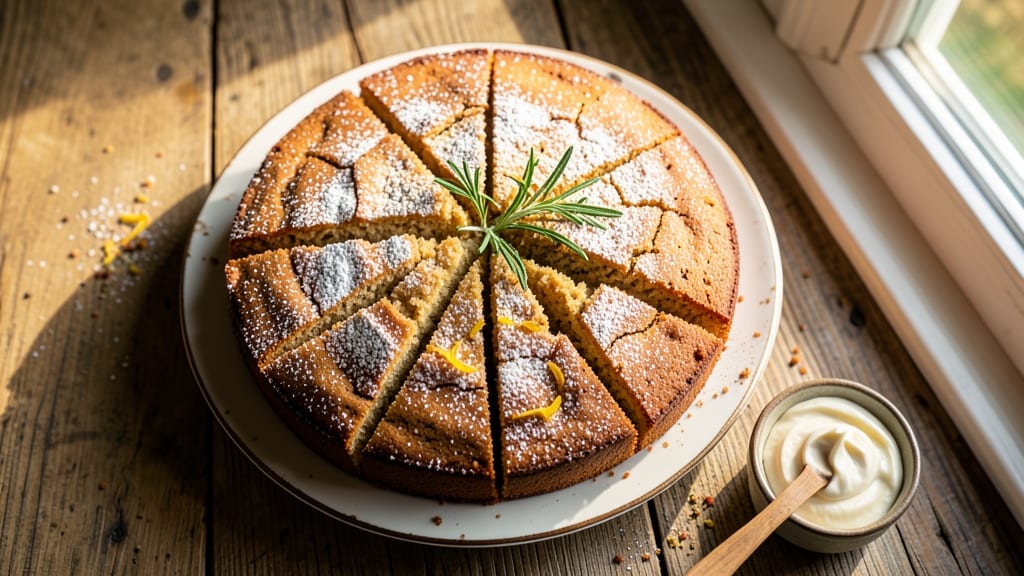
Aunt Sue's famous pound cake recipe delivers layers of vanilla-infused richness with a signature buttery crust that's been passed down through generations. The secret lies in precise ingredient ratios and a slow baking process that creates tender crumbs with just enough moisture to stay fresh for days.
I've perfected Aunt Sue's method over years of baking trials, ensuring every slice delivers that classic Southern charm.
This recipe maintains Aunt Sue's traditional techniques while adapting them for modern kitchens—no stand mixer required, just basic mixing skills and patience. The cake's signature texture comes from alternating wet and dry ingredients in specific layers, creating those signature moist crumbs with a delicate crumb structure.
The buttery crust adds an extra layer of indulgence that makes this cake truly special.
By the time you pull this cake from the oven, you'll have golden layers with a tender, moist interior and that signature buttery crust. The vanilla infusion creates subtle, aromatic notes that elevate every bite, making this cake perfect for celebrations or everyday treats.
It's the kind of dessert that tastes like home.
Serve it fresh with whipped cream or a simple glaze, or save it for later when it's even more delicious. The recipe yields a standard 9x13-inch cake, but you can easily adapt it for smaller pans or layer cakes. Let's get baking!
Ingredients for aunt sue's famous pound cake
Twelve classic ingredients for a cake that tastes like Southern tradition.
| Ingredient | Amount | Notes |
|---|---|---|
| All-Purpose Flour 🌾 | 3 ½ cups | Sifted for even texture |
| Unsalted Butter 🧈 | 1 lb | Softened to room temperature |
| Granulated Sugar 🍚 | 2 cups | Superfine preferred for smoothness |
| Pure Vanilla Extract 🍯 | 2 tbsp | High-quality bourbon-based |
| Large Eggs 🥚 | 4 whole | Room temperature for even mixing |
| Whole Milk 🥛 | 1 cup | Full-fat for richness |
| Baking Powder 🍃 | 1 tsp | Freshly opened for leavening |
| Salt 🧂 | ½ tsp | Fine sea salt preferred |
| Powdered Sugar 🍚 | ½ cup | For crust mixture |
| Ground Cinnamon 🌿 | ½ tsp | For crust flavor |
| All-Purpose Flour 🌾 | ¼ cup | Extra for crust coating |
| Unsalted Butter 🧈 | ¼ cup | Cold cubed for crust |
The butter matters most here—European-style brands like Plugrá or Land O'Lakes make a noticeable difference in flavor and texture. For the vanilla, boutique brands like McCormick Pure or Lake Champlain elevate the cake beyond basic extracts. The flour should be sifted before measuring to prevent dense crumbs. If you're using supermarkets, Gold Medal or Bob's Red Mill are reliable choices. The powdered sugar for the crust is where you can splurge—Domino is fine, but C&H has a smoother texture.
No vanilla extract? Vanilla bean paste works beautifully—just scrape the seeds and use the paste as a substitute. Running short on butter? Vegetable shortening maintains moisture but lacks flavor. For the crust, if you can't find cold butter, chill the cubed butter for 30 minutes to mimic the texture. The baking powder must be fresh—if it's older than six months, test it in a small batch first. The milk can be swapped for heavy cream for even richer flavor, though it'll be slightly denser.
This cake keeps beautifully—3-4 days at room temperature wrapped in parchment, or up to 1 week refrigerated. For longer storage, freeze slices wrapped individually for up to 3 months. The crust stays crisp if you reheat slices in the oven for 10-15 seconds at 350°F. I always bake an extra pan—it makes perfect cake pops or French toast later. The vanilla flavor deepens overnight, so wait 24 hours before serving if possible.
Why You'll Love This Recipe
- No-Fuss Mixing: I swear by this recipe’s foolproof method—just cream butter and sugar until light, fold in eggs one at a time, then gently toss in the dry ingredients. No overmixing, no stress, and that vanilla? It infuses perfectly without overpowering.
- Buttery Vanilla Bliss: That rich, creamy texture comes from the high ratio of butter to flour, and the vanilla? Pure, real extract—no imitation shortcuts. It’s the kind of cake that makes you close your eyes and sigh, even if you’re just eating a slice with tea.
- Slice It Any Way: Serve it warm with lemon curd, dusted with powdered sugar, or cut into squares for a quick breakfast toast. Honestly, I’ve even used it as a base for trifle layers—because why not? It’s that adaptable.
- Pantry Staples Only: Five ingredients, minimal effort, and it keeps for days without drying out. Between us, this is my go-to when I’m low on time or ingredients—yet somehow, it always feels like a special treat. Budget-friendly? Absolutely. Worth it? Always.
Step-by-step instructions for Aunt Sue's famous pound cake
Here's how to create layers of vanilla perfection with a signature buttery crust.
Prepare the Buttery Crust Mixture
In a medium bowl, combine the 0.25 cup cold cubed unsalted butter, 0.25 cup all-purpose flour, 0.5 cup powdered sugar, and 0.5 tsp ground cinnamon. Using your fingertips, work the mixture until it forms a coarse crumb texture—it should resemble wet sand. This ensures even distribution of flavor throughout the crust.
Press this mixture firmly into the bottom of a 10-inch tube pan, covering the entire surface including the sides. The goal is to create a uniform layer that will form a crisp barrier between the cake and pan. Use the back of a spoon to smooth out any rough spots, creating an even base for your cake layers.
Cream Butter and Sugar for Light Texture
In a stand mixer fitted with the paddle attachment, beat the 1 lb softened unsalted butter and 2 cups granulated sugar on medium speed for 4-5 minutes. The mixture should become light and fluffy, nearly doubling in volume. This step incorporates air, which creates the signature tender crumb of pound cake.
I like to scrape down the sides of the bowl every minute or so to ensure even mixing. You'll notice the butter and sugar blend transforms from a heavy paste to a pale, airy foam. This is your signal that the creaming process is working—don't rush it, as proper aeration is key to that classic pound cake texture.
Add Eggs and Vanilla for Rich Flavor
Add the 4 whole large eggs, one at a time, mixing on low speed after each addition until fully incorporated. Then add the 2 tbsp pure vanilla extract and mix for an additional 30 seconds on low speed. The vanilla should be fully distributed, giving the cake its signature aromatic depth.
This is where the cake's rich flavor foundation is built. The eggs provide structure and moisture, while the high-quality vanilla extract ensures that signature vanilla aroma that makes this cake legendary. Mix just until combined—overmixing at this stage can develop gluten and make the cake tough.
Combine Dry Ingredients and Milk
In a separate bowl, whisk together the 3.5 cups all-purpose flour, 1 tsp baking powder, and 0.5 tsp salt. Sift the mixture directly into the wet ingredients, mixing on low speed for 30 seconds just until combined. Add the 1 cup whole milk and mix for another 30 seconds until smooth.
The dry ingredients should be incorporated just enough to form a thick batter—you should still see some flour streaks. This ensures proper leavening and texture without overdeveloping the gluten. The milk adds moisture and helps create that signature moist crumb that pound cake is known for.
Bake to Golden Perfection
Preheat your oven to 350°F. Pour the batter evenly over the prepared crust in the tube pan. Bake for 60-65 minutes until a toothpick inserted in the center comes out clean and the top is golden brown. The cake should spring back gently when pressed in the center.
Here's the thing—your oven might run hot or cold, so start checking at the 55-minute mark. The cake is done when it reaches an internal temperature of 205-210°F at the center. Remove from the oven and let it cool in the pan for 15 minutes before inverting onto a wire rack to cool completely. This gradual cooling prevents cracking and allows the cake to set properly for clean slicing.
Pro Tips For Making Aunt Sue'S Famous Pound Cake
- WEIGH THE BUTTER: I learned this the hard way—measuring butter by volume (those little scoops) leads to a cake that’s either too dense or too greasy. Use a kitchen scale for 16 ounces of unsalted butter (225g). Pack it lightly into the measuring cup first, then level it off—this keeps the fat-to-flour ratio consistent every time.
- LET EGGS SIT ROOM TEMP: Cold eggs from the fridge mix like rocks in your batter, creating pockets of uneven texture. Take them out 30 minutes before cracking and let them warm to room temp. If you’re in a rush, run them under warm water for 2 minutes—just don’t overdo it, or they’ll turn rubbery.
- DON’T OVERMIX THE BATTER: This isn’t a muffin recipe—pound cake thrives on a gentle hand. Mix just until the flour disappears (about 20 strokes with a wooden spoon). Overmixing develops gluten, which turns your tender cake into a dry brick. If you’re using an electric mixer, pulse on low for 10 seconds max.
- CHILL THE BATTER 10 MINUTES: Sounds counterintuitive, but giving the batter a quick rest lets the flour absorb the liquid and butter evenly. After mixing, pop it in the fridge for 10 minutes before baking. This also prevents a domed top—just tap the pan firmly on the counter twice before sliding it into the oven.
Creative variations of aunt sue's famous pound cake
Classic Spiced Variations
Add 1 tsp ground cardamom or ½ tsp nutmeg to the dry ingredients for a warm, aromatic twist that pairs beautifully with the vanilla. I love this version with a sprinkle of toasted cinnamon sugar on top before baking—it adds a subtle crunch that contrasts perfectly with the tender crumb.
For a Southern-inspired touch, swap ½ cup of the flour for cornmeal to create a slightly denser, cornbread-like texture. 🌿
Fruit-Infused Layers
Fold in ½ cup chopped fresh berries (like blueberries or raspberries) or zest from 1 lemon into the batter for bright, fruity notes that cut through the richness.
For a tropical variation, add ½ cup finely diced pineapple and 1 tsp grated ginger—this works especially well with a coconut glaze. The fruit adds natural moisture, so reduce the milk to ½ cup to maintain the perfect balance.
Chocolate Twist
Replace ½ cup of the granulated sugar with ½ cup cocoa powder and add ¼ cup melted dark chocolate to the wet ingredients for a decadent chocolate-vanilla hybrid. This version pairs wonderfully with a dusting of powdered sugar and a drizzle of chocolate ganache.
For a marbled effect, swirl in 2 tbsp of white chocolate batter before baking—it creates stunning visual contrast with the classic vanilla layers.
Nutty Crunch Additions
Fold in ½ cup chopped pecans or walnuts during the final mixing stage for added texture and depth. Toast the nuts first in a dry pan over medium heat for 3-4 minutes until fragrant, then cool before adding.
This variation works especially well with a caramel glaze—just drizzle ½ cup warm caramel sauce over the cooled cake and let it set for 10 minutes before serving. 🌰
Gluten-Free Adaptation
For a gluten-free version, replace the 3.5 cups all-purpose flour with 3 cups gluten-free 1:1 baking flour (like Bob’s Red Mill) and add ½ cup almond flour for better texture. Increase the milk to 1¼ cups to compensate for the drier gluten-free flour.
While this version won’t have the same tender crumb, it still delivers rich vanilla flavor with a slightly denser texture—perfect for those with dietary restrictions.
Make-Ahead Customizations
Bake the cake a day ahead and store it wrapped in plastic at room temperature. The next day, brush the top with 2 tbsp apricot jam and warm in the oven for 10 minutes at 300°F to create a jammy crust.
For a festive touch, freeze individual slices and use them for cake pops—dip in melted white chocolate and roll in crushed peppermint or sprinkles before they set. The flavors only get better with time, making this cake ideal for meal prep and gifting. 🎄
Nutrition facts
Frequently asked questions
Why does Aunt Sue's recipe use a tube pan instead of a round one?
The tube pan creates signature layers with a crisp center that's perfect for slicing individual servings. The crust forms evenly along the sides, and the cake bakes uniformly from all directions. Plus, it's easier to invert onto a rack for cooling! The tube shape also makes it ideal for serving directly from the pan.
Can I make this cake without a stand mixer?
Use a hand mixer or even a sturdy whisk for the butter-sugar mixture. Beat on medium-high speed for 5-7 minutes, scraping the bowl frequently. For the eggs and vanilla, use a spatula to fold gently. The key is patience—just mix until combined without overworking the batter.
How do I fix a cracked top?
Cracking usually happens from sudden temperature changes. If it occurs, brush the cracks with simple syrup (equal parts sugar and water) and bake for 5-10 minutes at 350°F. For prevention, avoid opening the oven door early and let the cake cool gradually in the pan for 15 minutes before removing.
What's the best way to store leftovers?
Wrap tightly in plastic wrap and store at room temperature for 3-4 days. For longer storage, refrigerate for up to 1 week or freeze slices for 3 months. To revive, warm slices in the oven at 300°F for 10 minutes or toast in a skillet with butter for 2 minutes per side.
Can I substitute butter with oil?
Not recommended—this cake relies on butter's flavor and moisture. If you must substitute, use 1 cup melted coconut oil (cooled to room temperature) and reduce milk to ½ cup. The texture will be slightly denser, but still delicious. For best results, stick with the classic butter version.