
Desserts
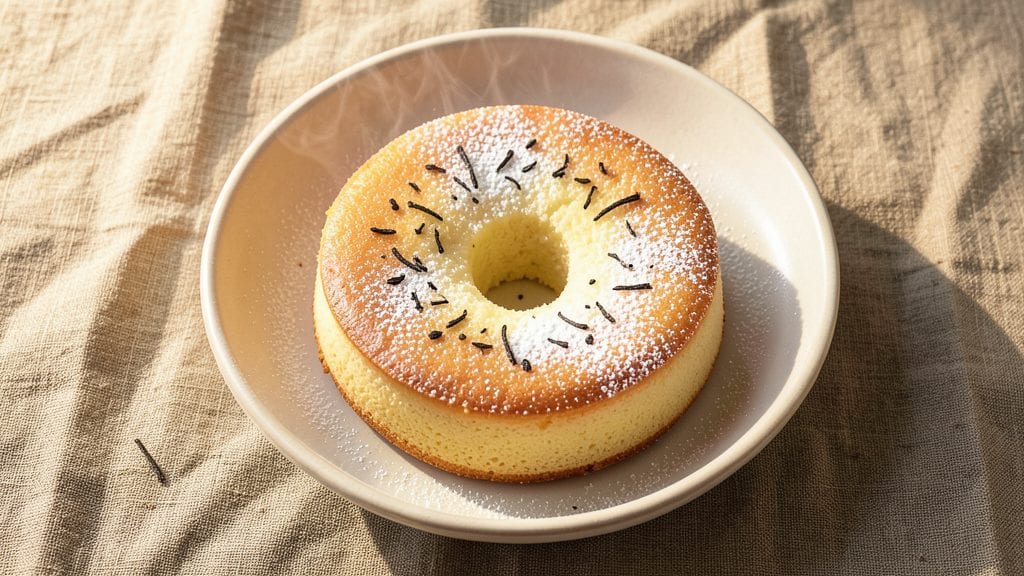
This steamed cake recipe delivers layers of ultra-moist texture and delicate sweetness through a precise steaming technique that transforms simple ingredients into restaurant-quality dessert. The key lies in the steam infusion process, which creates a silky, almost custard-like interior while keeping the exterior tender—no dense crumbs here.
I developed this method after years of experimenting with Asian-inspired cakes, where the right balance of liquid and structure makes all the difference.
The beauty of steamed cakes is their versatility—whether you prefer classic red bean filling, coconut-infused layers, or a simple vanilla variation, the steaming method ensures consistent moisture. Unlike baked cakes, this technique preserves natural flavors while developing a subtle caramelized aroma from the steam.
The result? A cake that stays fresh-tasting even the next day, with a delicate crumb that practically melts in your mouth.
What sets this recipe apart is the foolproof steaming process: precise water levels, proper layering, and controlled heat create that signature silky texture without requiring special equipment. The cake emerges from the steamer with a golden hue and a gentle bounce, signaling perfect doneness.
Each slice reveals moist layers that hold their shape beautifully—ideal for gifting, special occasions, or satisfying that afternoon sweet tooth.
For those curious about variations, this method works equally well for sweet or savory profiles—imagine a ginger-scallion version or even a light tea-infused cake. The technique remains the same, proving that steaming isn't just for traditional desserts. Let's get started on creating your perfect steamed cake.
Ingredients for cake steamed
Essential ingredients for ultra-moist steamed cake layers with restaurant-quality texture.
| Ingredient | Amount | Notes |
|---|---|---|
| All-Purpose Flour 🌾 | 1 ½ cups | Sifted for even texture |
| Granulated Sugar 🍚 | 1 cup | Superfine preferred for smoothness |
| Unsalted Butter 🧈 | ¾ cup | Cold, cubed for steam infusion |
| Large Eggs 🥚 | 2 whole | Room temperature for blending |
| Milk 🥛 | ¾ cup | Whole milk for richness |
| Vanilla Extract 🌿 | 1 tbsp | Pure Madagascar preferred |
| Baking Powder 🧂 | 1 ½ tsp | Aluminum-free for stability |
| Salt 🧂 | ¼ tsp | Fine sea salt for balance |
| Red Bean Paste 🌱 | 1 cup | Smooth, sweetened variety |
| Coconut Milk 🥥 | ½ cup | Full-fat for moist layers |
| Green Tea Powder 🍵 | 1 tsp | Matcha grade for infusion |
| Cornstarch 🌾 | 1 tbsp | For silky steam infusion |
| Lemon Zest 🍋 | 1 tsp | Freshly grated for brightness |
The butter and flour form the structural backbone of this cake. European-style butter from brands like Plugrá or Land O'Lakes delivers superior fat content for that signature tender crumb. For flour, King Arthur or Gold Medal brands provide consistent protein levels—avoid self-rising blends as they contain baking powder. The red bean paste should be smooth and sweetened; Japanese brands like Hodo or Koyo are ideal, but any well-sweetened paste works. Green tea powder matters for authenticity—Ippodo or Jade Leaf matcha grades ensure proper infusion without bitterness. Store butter in the fridge, flour in a cool pantry, and tea powder airtight to preserve freshness.
No European butter? High-fat American brands like Land O'Lakes or Parkay work in a pinch, though texture may vary slightly. Substitute coconut milk with full-fat Greek yogurt at equal volume for a tangier profile. For the tea infusion, loose-leaf green tea steeped and reduced can replace powder, though matcha's intensity is unmatched. The cornstarch is critical—it creates that signature silky mouthfeel during steaming. Arrowroot powder works at half the amount if needed. Lemon zest can be omitted if you prefer a neutral flavor, but it balances sweetness beautifully. Always use fresh zest; dried loses potency quickly.
Store dry ingredients like flour, baking powder, and tea powder in airtight containers for up to 6 months. Butter should remain refrigerated until use, while eggs and milk stay fresh for 3 days after cracking. The red bean paste keeps indefinitely refrigerated, though texture may soften over time. For best results, prepare the cake batter and filling the day of steaming—this ensures optimal moisture infusion. Leftover cake stores well for 3 days at room temperature or 2 weeks refrigerated, though texture becomes slightly denser after refrigeration.
Why You'll Love This Recipe
- I’ll be real: this isn’t one of those recipes where you need to drop $20 on specialty ingredients. The pantry staples—flour, sugar, butter—are already in your cabinet, and the red bean paste? A single tub lasts forever. Even the green tea powder is cheaper than you’d think. For the price of a fancy dessert, you’re getting a showstopper that’ll impress without breaking the bank.
- No Panics Needed: I’ll admit, the word "steamed" can sound intimidating—but this isn’t your grandma’s wobbly bao bun. The secret? The layers and the steam basket do all the heavy lifting. Just whisk, layer, and let the heat do the work while you sip tea. No oven preheating, no waiting for it to cool—just pure, hands-off magic.
- Earthy-Sweet Surprise: That green tea powder and red bean paste combo? It’s like a cozy hug for your taste buds. The earthy notes from the tea balance the sweetness of the sugar and beans, while the lemon zest at the end gives it a bright, unexpected zing. It’s the kind of cake that feels familiar yet just different enough to make you pause and take another bite.
- Leftovers That Last: This cake doesn’t just disappear in one sitting—it’s the kind of dessert that improves overnight. The coconut milk glaze gets richer as it sits, and the layers stay moist for days. Pack a slice for lunch, save some for your partner’s birthday, or freeze half (yes, it freezes well—trust me) for a lazy Sunday afternoon. Zero guilt, zero waste.
Step-by-step instructions for steamed cake with silky steam infusion
Mastering this technique ensures layers that stay impossibly moist for days. Precision is everything.
Prepare the Steam Infusion Base
In a medium bowl, whisk together the 1 cup granulated sugar, 1.5 cups all-purpose flour, 1.5 teaspoons baking powder, and 0.25 teaspoon salt. Sift the dry ingredients directly over the sugar to prevent clumping. This dry blend forms the structural backbone of the cake, ensuring lightness despite the dense filling.
In a separate bowl, create the steam infusion mixture by combining the 0.75 cup unsalted butter (cold, cubed), 2 whole large eggs, 0.75 cup milk, 1 tablespoon vanilla extract, 1 teaspoon green tea powder, and 1 tablespoon cornstarch. Whisk vigorously until the butter is fully emulsified and the mixture reaches a pale, ribbon-like consistency. The cornstarch here acts as a stabilizer, preventing the cake from becoming gummy during steaming.
Layer and Assemble the Cake
Grease a 4-inch round cake pan (or equivalent height) with 0.25 cup coconut milk (reserved from the full-fat can) and line the bottom with parchment paper. This prevents sticking and ensures clean slices. Spread 1 cup red bean paste evenly across the base of the pan—this will be your first layer.
Alternate thin layers of the dry flour mixture and the butter-egg infusion, ending with the dry mixture. Gently tap the pan on the counter to eliminate air pockets. The red bean paste provides natural sweetness and moisture retention, while the alternating layers create a textural contrast between the cake's structure and its filling.
Steam the Cake to Perfection
Place the assembled pan in a steamer basket lined with a damp towel to regulate humidity. Bring the 2 cups water to a rolling boil in a pot beneath the steamer, then reduce to a gentle simmer. Cover and steam for 45-50 minutes until the top springs back when pressed lightly with a finger. The steam infuses the cake with moisture, preventing dryness while the cornstarch creates a silky finish.
During the last 10 minutes, sprinkle the 1 teaspoon lemon zest evenly over the top. The citrus brightens the flavor profile and adds a subtle aroma that complements the green tea infusion. Remove from steam and let cool in the pan for 15 minutes before transferring to a wire rack. This resting period allows the layers to set while maintaining their moisture.
Finish with Coconut Milk Glaze
In a small saucepan, warm the remaining 0.25 cup coconut milk over low heat until just steaming. Whisk in the 0.5 cup full-fat coconut milk until smooth, then drizzle this mixture over the cooled cake. The residual heat from the cake will create a glossy sheen as the coconut milk sets. Let the glaze set for 10 minutes before slicing.
The result is a cake with ultra-moist layers that hold their shape yet remain tender. The green tea powder infuses a delicate earthiness, while the lemon zest adds a refreshing contrast. Each slice reveals a perfect balance of texture and flavor—no dry crumbs, no dense center, just silky perfection.
Pro Tips For Making Cake Steamed
- Sift Dry Ingredients Twice: The recipe says to sift the flour, sugar, baking powder, and salt together—but I learned the hard way that one pass isn’t enough. That green tea powder is fierce at clumping if you’re not careful. Give it a second sift right before mixing, especially if your flour’s been sitting in a humid kitchen. Trust me, your cake’s texture will thank you.
- Cube Butter Like Ice Cubes: Cold, cubed butter isn’t just a suggestion—it’s the difference between a cake that steams evenly and one that turns into a greasy mess. Cut those 0.75 cups into uniform ½-inch cubes (like dice, not random chunks) and keep them chilled until they’re fully emulsified into the egg mixture. If they melt too fast, your layers will separate, and you’ll end up with a sad, dense center.
- Tap the Pan Like You Mean It: After layering, that gentle tap on the counter isn’t just for show—it’s how you banish air pockets that’ll make your cake rise unevenly. I used to half-ass it, and my slices would have weird gaps or a domed top. Give it a firm thwack (not a whack—no one’s making a drum solo here) on each side to settle the layers. This ensures the steam works its magic everywhere, not just in spots.
- Skip the Pre-Heated Steamer: I know, I know—everyone’s in a rush. But do not pre-heat your steamer basket or the water. Start with cold water, bring it to a rolling boil, then immediately reduce to a gentle simmer before adding the cake. The sudden heat shock can make the butter melt too fast, and you’ll lose that silky ribbon consistency in the egg mixture. Patience here = no gummy cake.
Regional styles of this recipe
Classic Hong Kong Red Bean
This version stays true to its roots with a 1 cup red bean paste as the star filling, creating a dense yet tender texture that's both sweet and comforting. The traditional method uses 1 tsp green tea powder for subtle earthiness, while 1 tsp lemon zest brightens the flavors.
I always use Hodo brand red bean paste for its ideal sweetness—it's what makes this cake feel nostalgic and authentic. The steaming process preserves the beans' natural creaminess without overcooking them. 🍵
Japanese Matcha White Cake
For a lighter, airier texture, Japanese bakers often skip the red bean paste and focus on 2 tsp extra green tea powder mixed into the batter. This creates a delicate matcha white cake with a pale green hue and subtle bitterness that balances the sweetness.
I recommend Ippodo matcha for its smooth, vibrant color. The steaming time stays the same, but I reduce the coconut milk to 0.25 cup to prevent sogginess. This version is perfect for tea ceremonies or elegant desserts. ✨
Taiwanese Black Sugar Version
Taiwanese bakers add 2 tbsp black sugar syrup (reduced from 1 cup black sugar and 0.5 cup water) to the red bean paste layer for a deep molasses flavor. The syrup caramelizes slightly during steaming, creating a sticky-sweet contrast.
I use 1 extra tsp salt in the batter to enhance the black sugar's richness. This version is especially popular during winter festivals. 🍚
Korean Brown Sugar Cheesecake
For a fusion twist, replace the red bean paste with 0.75 cup brown sugar cream cheese mixed with 0.25 cup coconut milk. The 1 tbsp cornstarch in the batter creates a velvety texture similar to cheesecake.
I add 1 tsp vanilla extract and 0.5 tsp cinnamon for warmth. This version steams for 50 minutes to set properly, resulting in a rich, custard-like center. 💛
Vietnamese Pandan Leaf Cake
Vietnamese steamed cakes often feature 1 tbsp pandan extract (or 2 tbsp fresh pandan juice) instead of green tea powder for a fragrant, green-tinged cake. The red bean paste is reduced to 0.5 cup to accommodate the pandan's intensity.
I use 1 tsp lime zest instead of lemon for a citrusy punch. The steaming time remains 45-50 minutes, but the cake develops a vibrant green color and floral aroma. 🌿
Nutrition facts
Frequently asked questions
Why does my steamed cake often turn out dense instead of ultra-moist?
The key to silky texture lies in the steam infusion and proper layering. Ensure your 2 cups water in the steamer reaches a gentle simmer—not a rolling boil—during the 45-50 minutes of cooking. Overheating dries out the cake. Also, alternate layers thinly, ending with the dry mixture, and use the 1 tbsp cornstarch in the butter-egg mixture to stabilize moisture.
Can I skip the red bean paste and make a plain steamed cake?
Replace the 0.5 cup red bean paste with 0.5 cup coconut milk mixed with 1 tbsp sugar for a lighter version. The steaming technique remains identical, and the green tea powder will still infuse earthy notes. This works beautifully for special occasions like birthdays.
What if my steamer doesn’t fit my cake pan? Can I still steam it?
Yes! Place the pan inside a heatproof dish and cover it with foil to trap steam. Add 1 cup water to the bottom of the dish instead of the steamer basket. Keep the lid on tightly, and steam for 50-60 minutes—the foil will create a mini steam chamber. Just ensure the water doesn’t touch the pan.
How do I prevent my cake from sticking to the pan?
Grease the pan generously with 0.25 cup coconut milk (from the can) and line the bottom with parchment paper. The fat in the coconut milk creates a protective barrier, while the paper prevents direct contact. For extra insurance, lightly dust the sides with flour before adding layers. This ensures clean slices every time.
Can I make this cake ahead of time?
Yes! Assemble the layers and refrigerate the unsteamed cake for up to 12 hours. Steam it from cold, adding 5-10 minutes to the total time. For best results, let it cool completely before glazing—this prevents the coconut milk from melting prematurely. Store leftovers in an airtight container for up to 3 days.