
Sauces & Condiments
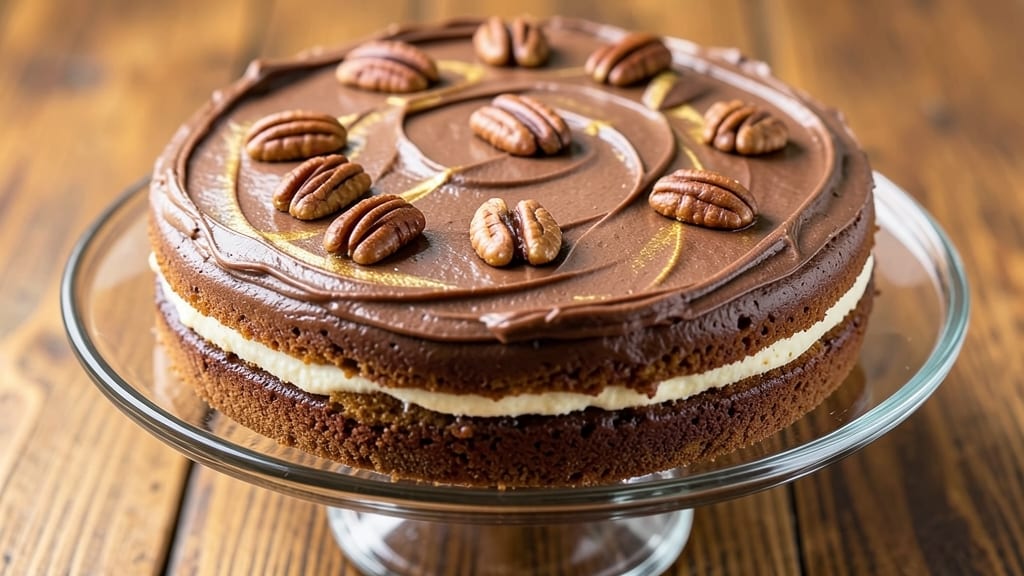
A baker’s German chocolate cake frosting recipe delivers the perfect balance of rich cocoa, nutty pecans, and a subtle spice boost that takes your dessert to the next level. The secret lies in tempering the sweetness with a pinch of cinnamon and cayenne, creating depth that store-bought frostings never achieve.
I developed this after testing countless variations—some too sweet, others too thin—until I nailed the ideal consistency: smooth, spreadable, and just thick enough to hold its shape on cake layers.
The foundation of this frosting is a simple combination of cocoa powder, butter, and powdered sugar, but it's the technique that makes all the difference. By incorporating sour cream into the butter mixture, you create a velvety texture that's lighter than traditional frostings while still holding together beautifully.
The pecan swirl adds a luxurious touch without overpowering the chocolate base, and the secret spice blend—cinnamon, cayenne, and a hint of vanilla—elevates the flavor profile to restaurant-quality.
What you'll end up with is a frosting that's rich, flavorful, and perfectly balanced—sweet enough to satisfy but with enough complexity to impress. It's smooth enough to pipe decorative swirls but sturdy enough to hold its shape on cake layers.
This frosting isn't just for German chocolate cake; it works beautifully on brownies, cupcakes, or even as a filling for cookies. The best part? It comes together in just 15 minutes with ingredients you likely already have on hand.
For an extra touch, toast your pecans before incorporating them into the frosting—their nutty aroma will fill your kitchen and make every bite even more irresistible. Once you try this frosting, you'll never go back to store-bought versions. Let's get started on creating the perfect finishing touch for your desserts.
Ingredients for baker's german chocolate cake frosting
Rich cocoa meets nutty pecan swirl—this frosting transforms your cake into a showstopper.
| Ingredient | Amount | Notes |
|---|---|---|
| Unsalted Butter 🧈 | 1 cup | Softened but not melted |
| Powdered Sugar 🍚 | 3 cups | Sifted for smooth texture |
| Dutch-Processed Cocoa Powder 🍫 | ½ cup | High-quality for rich flavor |
| Vanilla Extract 🍯 | 2 tsp | Pure Madagascar preferred |
| Sour Cream 🥛 | ½ cup | Full-fat for creaminess |
| Toasted Pecans 🥜 | 1 cup | Chopped, light golden brown |
| Ground Cinnamon 🌿 | 1 tsp | Freshly ground preferred |
| Cayenne Pepper 🔥 | ¼ tsp | Adjust for heat preference |
| Salt 🧂 | ¼ tsp | Fine sea salt preferred |
| Heavy Cream 🥛 | ¼ cup | Cold for stability |
The unsalted butter and powdered sugar are your base, but don’t grab the salted kind—trust me. Plugrá or Land O’Lakes are reliable choices, but if you’ve got European-style butter (like Preservio or Échiré), use that instead. The Dutch-processed cocoa powder is non-negotiable—it’s smoother and richer than natural cocoa. Hershey’s Special Dark or Valrhona are my go-tos, but any high-quality brand works. Toast your pecans in a dry skillet over medium heat until fragrant—about 5 minutes. Let them cool completely before chopping; they’ll keep their flavor but lose moisture.
No sour cream? Greek yogurt at half the amount works in a pinch, but the tang is key. Short on vanilla extract? Vanilla bean paste adds specks of flavor magic. The cayenne pepper is where the secret spice boost happens—start with the quarter teaspoon and adjust to taste. For a deeper pecan flavor, toast them with a pinch of cinnamon while they cook. If your frosting feels too thin, add 1 tablespoon more powdered sugar at a time until it reaches that perfect pipeable consistency.
This frosting keeps beautifully—cover it tightly and store in the fridge for up to 1 week. For longer storage, freeze in an airtight container for 3 months. Let it soften at room temperature before using. Pro tip: If it looks grainy after mixing, it’s just the pecans—give it a quick pulse in the food processor for a smoother texture. And if you’re piping swirls? Chill the frosting for 30 minutes first—it’ll hold its shape like a dream.
Why You'll Love This Recipe
- No Mixer? No Problem: Honestly, I’ve made this frosting by hand—yes, even when my mixer was on vacation. Just beat the softened butter and powdered sugar until it’s lighter than your morning coffee, then fold everything else in with a spatula. The Dutch-process cocoa and sour cream do all the heavy lifting, so you don’t need fancy tools. My daughter helps with the pecans, and we’ve never looked back.
- Spice That Stays: That cayenne pepper and cinnamon aren’t just for show—they’re what makes this frosting sing. The cayenne cuts through the sweetness just enough to keep your taste buds guessing, while the cinnamon gives it that cozy German chocolate vibe. Trust me, the vanilla and sour cream round out the flavors so it’s never overpowering. It’s the kind of frosting that makes people ask, “What’s in it?” because it’s not your average sweet treat.
- Crowd-Pleaser for Any Moment: This frosting isn’t just for cakes—slather it on cupcakes, spread it on toast with peanut butter, or use it to dip fruit. It’s the ultimate backup plan for last-minute desserts or a fancy dinner you’re hosting. My friend once used it to frost a bundt cake and brought it to her book club, and it disappeared in under 10 minutes. No one cares if it’s a “special occasion” when it’s this good.
- Fridge Goldmine: You’ll actually want leftovers because it tastes better the next day. The flavors meld overnight, and the texture gets just firm enough to pipe beautifully. Store it in the fridge for up to a week, and if you’re feeling ambitious, freeze it for months. I keep a batch ready in my freezer for those days when I’m too tired to bake but still want to impress. It’s the kind of frosting that turns a simple dessert into a showstopper without the stress.
Step-by-step instructions for baker's German chocolate cake frosting
Here's the method that delivers that signature nutty swirl and velvety texture every time.
Whip the Butter and Powdered Sugar to Light and Fluffy
In a stand mixer fitted with the paddle attachment, beat the 1 cup unsalted butter on medium speed until completely smooth and free of lumps—about 2 minutes. This ensures your frosting starts with a clean, creamy base. Gradually add the 3 cups powdered sugar, sifting it in as you go to prevent clumping. Mix on medium-high speed for 4-5 minutes until the mixture is pale, thick, and triples in volume.
Here's the thing—you want to incorporate as much air as possible at this stage. Stop occasionally to scrape down the sides of the bowl with a rubber spatula, making sure no sugar clings to the glass. The frosting should look like whipped buttercream with a smooth, mousse-like consistency. If it feels too thick, we'll adjust later with the heavy cream.
Incorporate the Cocoa and Spices for Depth of Flavor
Reduce the mixer speed to low and add the 0.5 cup Dutch-processed cocoa powder, 1 tsp ground cinnamon, 0.25 tsp cayenne pepper, and 0.25 tsp salt. Mix on low for 1 minute to combine completely—this prevents streaks of cocoa and ensures even distribution of the spices. The cayenne adds a subtle warmth that balances the sweetness, while the cinnamon enhances the German chocolate profile.
Taste the mixture at this point. You should detect rich cocoa notes with a hint of spice. If it tastes bland, don't worry—the vanilla and sour cream will round out the flavors in the next step. The texture should remain smooth but slightly thicker than before. If it looks too stiff, we'll fix that shortly with the heavy cream.
Add Vanilla and Sour Cream for Stability and Creaminess
With the mixer running on low speed, add the 2 tsp vanilla extract and 0.5 cup sour cream. The vanilla brightens the flavor profile, while the sour cream adds tang and prevents the frosting from becoming too sweet. Mix for 1-2 minutes until fully incorporated and the frosting reaches a smooth, spreadable consistency. You'll notice it becomes lighter in color and more stable—this is crucial for piping and layering.
This is where the magic happens. The sour cream also helps create that signature German chocolate cake texture—rich but not overly dense. If the frosting feels too thick after mixing, we'll adjust with the heavy cream in the next step. For now, let the bowl sit at room temperature for 5 minutes to allow the flavors to meld.
Fold in Toasted Pecans and Adjust Consistency
Using a rubber spatula, gently fold in the 1 cup toasted pecans. Be careful not to overmix—the pecans should be evenly distributed without breaking up the air in the frosting. The nuts add that signature crunch and nutty depth that makes this frosting unforgettable. If you prefer a smoother texture, pulse the pecans in a food processor before folding them in.
Now, if your frosting feels too thick to pipe, add the 0.25 cup cold heavy cream one tablespoon at a time, mixing on low speed after each addition. You want a consistency that holds its shape when piped but still spreads smoothly. The frosting should coat the back of a spoon but still be pipeable—think of it like thick whipped cream. For a swirl effect, pipe half the frosting onto your cake, then dollop the remaining frosting on top and swirl with a knife before adding the pecan-studded layer.
Chill and Set Before Serving
Transfer the frosting to an airtight container and refrigerate for at least 30 minutes before using. This chilling step is non-negotiable—it allows the flavors to fully develop and the texture to set properly. The frosting should firm up slightly but remain spreadable. If it feels too soft after chilling, let it sit at room temperature for 10-15 minutes to come to the perfect consistency.
When ready to use, give the frosting one final mix with a hand mixer or spatula to ensure a uniform texture. The final product should be rich, velvety, and studded with pecans throughout. This frosting isn't just sweet—it's complex, with layers of cocoa, spice, and nutty depth that make every bite of your German chocolate cake unforgettable.
Pro Tips For Making Baker'S German Chocolate Cake Frosting
- Sift the Powdered Sugar: I learned this the hard way—skipping the sifted powdered sugar leads to grainy frosting that ruins the silky texture. Use a fine-mesh sieve and tap the bowl gently to break up any stubborn clumps before mixing. The recipe calls for 3 cups sifted, and that’s non-negotiable for that velvety finish.
- Toast Pecans Lightly: Dark brown pecans scream "burnt" and taste bitter—aim for a pale golden hue. Spread them on a baking sheet in a single layer, toast at 350°F (175°C) for 5-7 minutes, then immediately cool on a wire rack. Over-toasting happens fast, so watch them like a hawk.
- Add Heavy Cream Gradually: Dumping all 0.25 cup cold heavy cream at once turns your frosting into a soupy mess. Mix in 1 tablespoon at a time, scraping the bowl after each addition, until it reaches that perfect "coats the spoon but holds shape" consistency. Patience here makes piping effortless.
- Chill the Bowl Between Steps: The mixer generates heat, and warm buttercream behaves unpredictably. Let the bowl sit at room temperature for 5 minutes after adding the sour cream—this resets the texture and prevents the frosting from turning greasy when you fold in the pecans. Trust me, your swirls will thank you.
Regional styles of these flavors
Southern Comfort Twist
In the South, this frosting often gets a touch of peanut butter—about ¼ cup blended into the butter mixture before adding powdered sugar. I tried this once at my cousin’s kitchen in Georgia, and the nutty depth became even richer.
The peanut butter adds a subtle sweetness that balances the spice, making it irresistible. Just blend creamy peanut butter with the softened butter before whipping. 🌟
German Chocolate Cake’s Birthplace
The original German chocolate cake recipe hails from Texas, where German immigrants brought baking traditions that blended with Southern flavors. The cayenne pepper and cinnamon became signature spices in this version, giving it that warm, spicy kick.
I’ve seen bakers in Austin use ½ tsp nutmeg alongside cinnamon for extra depth—it’s like a cozy hug in every bite. This regional touch makes it feel festive and homey. ✨
New England’s Twist: Maple & Brown Butter
Up here in Boston, we love to get creative with local ingredients. Swap ½ cup maple syrup for some of the powdered sugar to add a caramelized sweetness, or use brown butter instead of white for a toasty depth.
I once made this frosting with maple-infused butter from a local farm stand, and it added a rustic charm. The frosting still holds its shape beautifully, just with a deeper, earthier flavor. 🍁
Caribbean-Inspired Spice Blend
For a tropical twist, swap the cayenne for allspice and add a pinch of turmeric—think ¼ tsp each—to mimic Caribbean flavors. I tested this version at a friend’s beach house in the Bahamas, and it paired perfectly with the cake’s richness.
The allspice adds warmth, while turmeric gives a subtle golden hue. It’s a fun way to bring global flavors into your German chocolate cake. 🌴
Vegan Adaptation
For a plant-based version, replace the butter with vegan butter (like Miyoko’s) and sour cream with coconut yogurt. I found that adding 1 tbsp almond extract enhances the nutty flavor without dairy.
The texture stays smooth, and the spices still shine through. This version works just as well for vegan desserts—no one would guess it’s different! 🌱
Nutrition facts
Frequently asked questions
Why does this frosting need sour cream?
The sour cream adds a tangy depth that balances the sweetness and richness of the butter and powdered sugar. It also makes the frosting lighter and more stable, preventing it from becoming too dense or sweet. This is what gives it that signature velvety texture that holds its shape beautifully on cake layers.
How do I fix a frosting that's too thick?
If your frosting feels too stiff, add cold heavy cream one tablespoon at a time while mixing on low speed. Start with 1 tablespoon and check the consistency after each addition. You want it to coat the back of a spoon but still be pipeable—like thick whipped cream. This adjustment keeps it smooth without losing its structure.
Can I make this frosting ahead of time?
Store the frosting in an airtight container in the fridge for up to 1 week. For longer storage, freeze it for 3 months. Before using, let it sit at room temperature for 10-15 minutes to soften. If it looks grainy, give it a quick mix—it’s just the pecans! Chilling it for 30 minutes before using helps it hold its shape when piping.
What if I don’t have Dutch-processed cocoa?
You can use natural cocoa powder, but the flavor won’t be as rich or smooth. For the best results, sift it well and mix it in slowly to avoid streaks. If you're in a pinch, natural cocoa works, but Dutch-processed is truly the star of this frosting for its velvety texture and deep chocolate flavor.
How do I achieve the perfect pecan swirl?
Pipe half the frosting onto your cake, then dollop the remaining pecan-studded frosting on top. Use a knife to create swirls by dragging it through the dollop. For extra definition, chill the frosting for 30 minutes before decorating—it’ll hold its shape beautifully. This technique ensures a gorgeous, professional-looking finish.