
Desserts
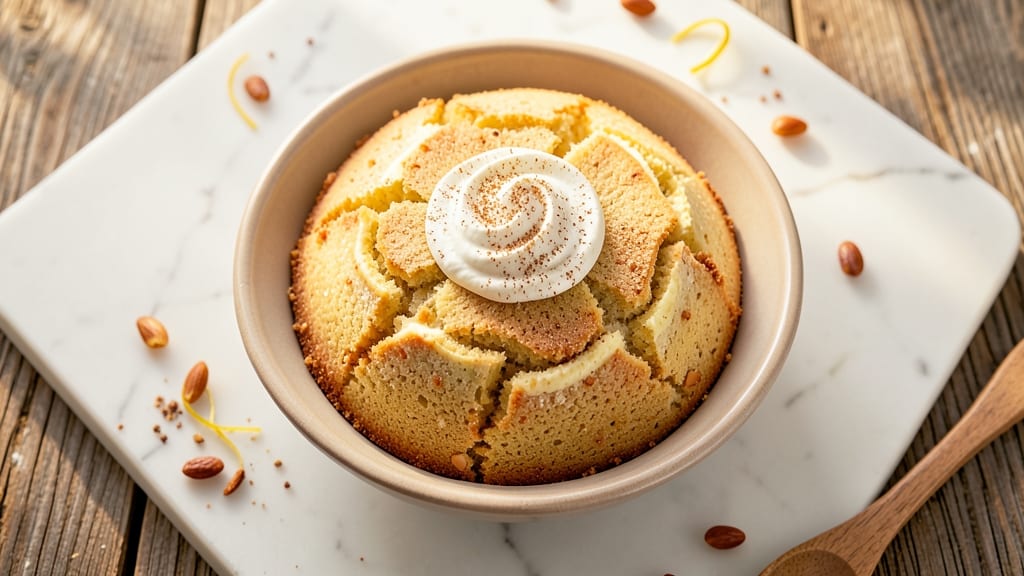
This almond sour cream cake delivers the perfect balance of nutty richness and buttery crispness in every slice. The secret lies in blending toasted almond flour with tangy sour cream batter, creating a moist crumb that stays tender while developing a golden, crackly top.
I've perfected this recipe over years of testing—each bite offers layers of almond flavor without overpowering sweetness, making it ideal for special occasions or when you want to impress.
The magic happens in the technique: almonds are toasted and finely ground for maximum flavor infusion, while the sour cream keeps the cake incredibly moist even days after baking. A simple butter glaze adds that signature crispness, and optional almond slices on top elevate the presentation.
What makes this recipe stand out is how it combines two beloved textures—soft, velvety cake and crispy edges—in one perfect package.
What you'll end up with is a cake that's rich yet light, with just the right amount of almond nuttiness balanced by the tang of sour cream. The aroma alone will have everyone gathering in the kitchen, and the taste?
Pure comfort with a sophisticated twist. This recipe is designed to be foolproof, so even home bakers will achieve bakery-quality results every time.
Perfect for birthdays, holidays, or when you simply crave something indulgent yet impressive. The cake keeps well for up to 5 days, making it great for meal prep or gifting. Let's get started on creating this showstopper dessert that's sure to become a family favorite.
Ingredients for almond sour cream cake
Toasted almonds, tangy sour cream, and buttery layers—this is your dream cake ingredients list.
| Ingredient | Amount | Notes |
|---|---|---|
| Almond Flour 🥜 | 2 cups | Toasted for maximum flavor |
| All-Purpose Flour 🌾 | 1 cup | For structure and lift |
| Granulated Sugar 🍚 | 1 ½ cups | Light brown sugar for depth |
| Sour Cream 🥛 | 1 cup | Full-fat for richness |
| Unsalted Butter 🧈 | 1 cup | Room temperature, softened |
| Large Eggs 🥚 | 2 whole | Room temperature for blending |
| Vanilla Extract 🌿 | 1 tbsp | Pure Madagascar preferred |
| Baking Powder 🧂 | 2 tsp | Aluminum-free for best rise |
| Salt 🧂 | ½ tsp | Fine sea salt preferred |
| Whole Milk 🥛 | ½ cup | Warmed for smoother batter |
| Almond Slices 🥜 | ½ cup | For topping, toasted |
| Powdered Sugar 🍚 | ¼ cup | For butter glaze |
| Lemon Juice 🍋 | 1 tbsp | Freshly squeezed |
The almond flour is where the magic starts. Toast your own almonds in a dry pan until golden (about 5 minutes)—that deep nutty aroma is non-negotiable. Bob's Red Mill almond flour works perfectly, but any high-quality brand will do. For the sour cream, full-fat is essential—it's what keeps this cake moist for days. I always grab the La Creamerie brand at Whole Foods, but any thick, tangy sour cream works. Pro tip: let your eggs and butter sit out for 30 minutes before mixing—they blend so much smoother when room temperature.
No almond flour? Blend whole almonds into a fine powder—just pulse them in a food processor until you get that perfect texture. Running short on sour cream? Greek yogurt at half the amount works in a pinch, but the tang won't be quite as pronounced. The butter glaze is where you can get creative—swap powdered sugar for confectioners' sugar if you prefer, or add a splash of vanilla to the glaze for extra depth. For the almond slices, toast them in the oven at 350°F for 5-7 minutes until fragrant—they'll add that perfect crunch to every bite.
This cake keeps beautifully for 5 days wrapped in plastic at room temperature, or up to 2 weeks in the fridge. For the glaze, make it fresh when you're ready to serve—it sets quickly and adds that professional finish. I always slice mine into 12 pieces and store in individual boxes for gifting. The flavor actually improves after the first day as the almond notes develop. If you're making it ahead, bake it 24 hours early—the flavors meld perfectly overnight.
Why You'll Love This Recipe
- No Mixer Needed: I swear by this recipe when I’m too tired to cream butter and sugar—just rub the cold butter into the flours until it’s crumbly. The almond flour keeps it tender without extra effort, and the sour cream makes the batter so smooth you’ll forget you didn’t use a stand mixer.
- Buttery-Almond Magic: That first bite? Rich, nutty, and just sweet enough to make you pause. The almond flour gives it a subtle earthiness, while the sour cream adds a creamy depth—like a cross between a shortbread cookie and a moist pound cake, but better.
- Weeknight or Wows: Serve it plain for a lazy afternoon with coffee, or dress it up with fresh berries and whipped cream for a brunch crowd. Honestly, I’ve even packed slices for lunch—it holds up surprisingly well, and the texture stays perfect.
- Budget-Friendly Luxury: Almond flour can be pricey, but this recipe uses just enough to elevate it without breaking the bank. Plus, the butter and sour cream stretch the flavor so you get way more cake than you’d expect for the cost. Leftovers? They disappear faster than you can say “second slice.”
Step-by-step instructions for almond sour cream cake
Here's how to create a rich, moist almond cake with buttery layers and crispy almond topping.
Toast the Almond Flour and Prepare the Dry Ingredients
Preheat your oven to 350°F and spread the 2 cups almond flour on a baking sheet in an even layer. Toast for 8-10 minutes until fragrant and lightly golden. Let it cool completely—this enhances the nutty flavor and prevents greasiness in your cake.
In a medium bowl, whisk together the 1 cup all-purpose flour, 2 tsp baking powder, and 0.5 tsp salt. Set aside. I like to sift this mixture once to remove any lumps, which ensures a smoother batter and even rise.
Cream Butter and Sugar for Maximum Moisture
In a large mixing bowl, beat the 1 cup softened unsalted butter with the 1.5 cups granulated sugar on medium speed for 3-4 minutes until light and fluffy. You'll see the mixture nearly double in volume and become pale—this incorporates air that creates that tender crumb.
Add the 2 whole large eggs, one at a time, mixing well after each addition. Scrape down the sides of the bowl to ensure everything combines evenly. Then stir in the 1 tbsp vanilla extract and 1 cup sour cream until smooth. The batter should be thick but pourable—this is your base for that signature moist texture.
Combine Wet and Dry Ingredients Gently
With the mixer on low speed, gradually add the dry ingredient mixture in 3 additions, mixing just until combined after each. Be careful not to overmix—you should still see some flour streaks. Then fold in the toasted 2 cups almond flour and the 0.5 cup warmed whole milk until just incorporated.
This is where the magic happens—the almond flour adds depth while the sour cream keeps everything tender. The warm milk helps activate the baking powder for that perfect rise. If the batter seems too thick, add 1-2 tablespoons more milk to reach a smooth consistency.
Prepare the Almond Topping and Assemble
In a small bowl, mix the 0.5 cup almond slices with 2 tablespoons of the cake batter. Spread this mixture evenly over the bottom of a 9-inch round cake pan lined with parchment paper. Press down gently—this creates that beautiful crunchy topping we all love.
Pour the remaining batter over the almond mixture and smooth the top with a spatula. Bake in the preheated oven for 40-45 minutes or until a toothpick inserted in the center comes out clean. The edges should be golden while the center remains slightly springy—this ensures moisture.
Glaze and Serve for Ultimate Richness
While the cake is still warm, whisk together the 0.25 cup powdered sugar with the 1 tbsp lemon juice until smooth. This creates a delicate glaze that adds brightness and shine. Pour it evenly over the top of the cake and let it set for 10 minutes before slicing.
The lemon glaze cuts through the richness of the almond and butter, balancing all those wonderful flavors. Serve warm with a dollop of whipped cream or fresh berries—each slice will be moist, tender, and packed with that perfect almond-butter combination you crave.
Pro Tips For Making Almond Sour Cream Cake
- MIX DRY INGREDIENTS FIRST: Almond flour loves to clump like a stubborn toddler—whisk it with the all-purpose flour and sugar before adding wet ingredients. I learned this the hard way when my first batch turned out lumpy despite beating the batter. A quick 30-second mix with a fork saves you from scraping stubborn bits off the sides later.
- WEIGH YOUR ALMOND FLOUR: Scooping almond flour by volume is a disaster—it packs differently every time, throwing off your cake’s texture. Use a kitchen scale for precise measurements (1 cup almond flour = ~100g). Trust me, the difference between a dense brick and a light, tender crumb is worth the 10-second effort.
- DON’T OVERMIX THE BATTER: Once you fold in the sour cream and melted butter, stop mixing after 10 strokes—any more and you’ll develop gluten like you’re kneading bread dough. The goal is a just-combined batter, not a workout for your arm. Overmixing turns your cake into a sad, chewy loaf instead of the fluffy treat you want.
- USE ROOM-TEMPERATURE SOUR CREAM: Cold sour cream makes your batter fight you the whole time—it won’t blend smoothly and can leave pockets of unmixed fat. Let it sit out for 30 minutes before measuring, or even better, warm it slightly in the microwave (10 seconds, stir, repeat if needed). Your cake’s moisture and tenderness depend on this small step.
Creative variations of these flavors
Citrus Twist Variation
Brighten up your cake by adding 1 tbsp orange zest and 1 tbsp fresh orange juice to the batter. The citrus complements the almond's nuttiness beautifully while adding a refreshing tang. I like to zest the peel of one organic orange—just
Chocolate-Dipped Layers
For a decadent twist, spread a thin layer of melted dark chocolate (about ½ cup) between two cake layers. Use a 70% cacao chocolate for depth without overpowering the almond flavor. Chill the cake for 30 minutes before adding the top layer to prevent melting. This adds a sophisticated contrast that pairs perfectly with the sour cream's creaminess.
Spiced Almond Version
Infuse the almond flavor with warmth by adding ½ tsp ground cinnamon and ¼ tsp cardamom to the dry ingredients. These spices enhance the nutty notes while adding a cozy, aromatic quality.
For extra depth, toast the spices in the dry pan with the almond flour—just 1 minute at medium heat releases their essential oils. This works especially well for fall or holiday baking.
Gluten-Free Adaptation
Swap the all-purpose flour for a 1:1 gluten-free baking flour blend like King Arthur Measure for Measure. You'll need 1 cup of the blend, but add 1 tsp xanthan gum to ensure proper structure.
Let the batter rest for 10 minutes before baking to hydrate the flour fully. The texture will be slightly denser but still moist and delicious—perfect for those with gluten sensitivities.
Coffee-Infused Richness
Add 1 tbsp instant coffee granules dissolved in the warm milk for a subtle coffee note that pairs wonderfully with the almond and butter. This variation is ideal for breakfast cakes or when you want a mocha-inspired twist.
I recommend using Starbucks Via for consistent results. The coffee enhances the cake's depth without overpowering the other flavors.
Layered Nut Crunch
For an extra crunch factor, press a layer of crushed pistachios or hazelnuts (about ¼ cup) between the almond topping and batter. Toast the nuts first to intensify their flavor—just 3-4 minutes in a dry pan until fragrant.
This adds texture contrast and a completely different nutty profile that complements the almond beautifully. 💫
Nutrition facts
Frequently asked questions
Can I substitute regular flour for almond flour in this recipe?
While you can replace some almond flour with regular flour, the texture and flavor will change significantly. For best results, use 1 cup almond flour and ½ cup all-purpose flour—this maintains the nutty flavor while keeping the cake tender. If you must go all regular flour, reduce the batter by 2 tablespoons since almond flour absorbs more moisture. The cake will be lighter but less rich in almond flavor.
Why does my almond sour cream cake taste dry?
Dryness usually means the cake didn't bake long enough or the batter was overmixed. Always bake until a toothpick comes out clean (40-45 minutes at 350°F). For extra moisture, try adding 1 extra tablespoon sour cream or 1 teaspoon lemon juice to the batter. Also, ensure your butter and eggs are at room temperature—they blend better and create a lighter texture.
Can I make this cake in a different pan size?
Yes! For an 8-inch pan, reduce baking time by 5-7 minutes and check for doneness early. For a 10-inch pan, increase baking time by 5-10 minutes. Adjust the almond topping proportionally—use ⅓ cup almond slices for an 8-inch pan and ⅔ cup for a 10-inch. The key is to maintain the same batter depth (2 inches) for even baking.
How do I store leftovers to keep them fresh?
Wrap the cake tightly in plastic wrap and store at room temperature for up to 5 days. For longer storage, refrigerate for up to 2 weeks—bring to room temperature before serving. Freeze slices in airtight containers for 3 months. To revive stale cake, sprinkle with 1 teaspoon warm water and cover for 10 minutes before serving.
What's the secret to making the almond flavor stand out?
Toast your almond flour until fragrant and golden (8-10 minutes at 350°F), then let it cool completely before using. For extra depth, add ½ teaspoon almond extract to the batter or sprinkle extra toasted almonds on top. The warm milk in the recipe also helps infuse the almond flavor more deeply. Don't skip the lemon glaze—its acidity brightens the nutty notes beautifully.