
Desserts
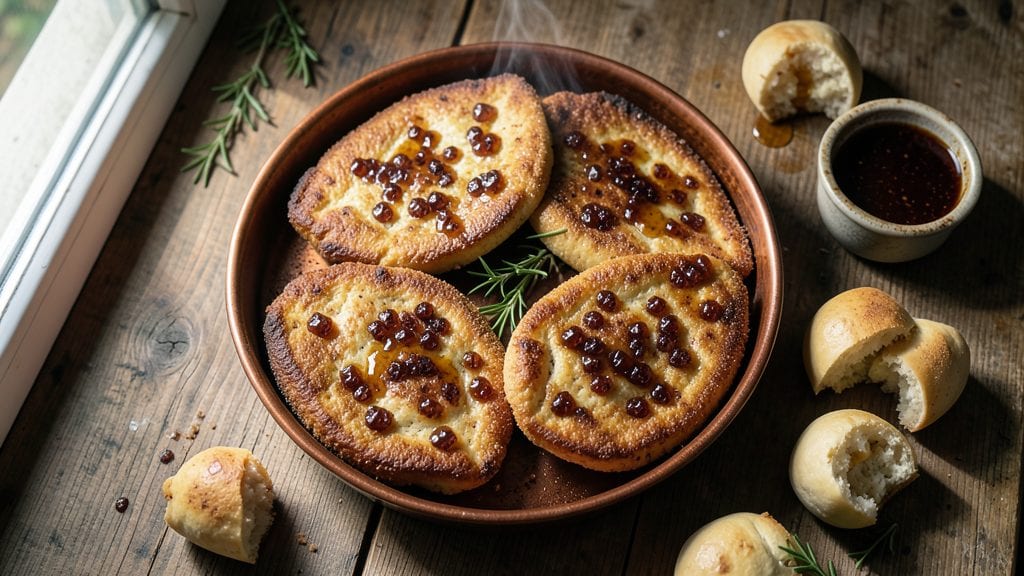
This authentic Welsh cakes recipe delivers the golden, spiced griddle bites you’ve been craving—soft centers, crisp edges, and a subtle rum infusion that transports you to Wales with every bite. The secret lies in the traditional griddle method, where the batter cooks slowly into tender, caramelized perfection.
I’ve perfected this version by balancing classic spices like cinnamon and nutmeg with a touch of spiced rum for depth, ensuring every cake tastes like a piece of Welsh heritage.
The process is simpler than it sounds: mix a rich batter of flour, butter, sugar, and eggs, then shape it into small rounds before griddle-cooking until golden brown.
The key to authentic texture is patience—letting the cakes cook low and slow creates that signature tender center while developing a crisp exterior. Raisins add a chewy contrast, while the spices infuse warmth with every bite. This isn’t just dessert; it’s a taste of tradition.
What you’ll end up with is a plate of golden griddle bites that smell like a Welsh bakery and taste even better. The edges are perfectly crisp, the centers remain soft and pillowy, and the aroma of spiced rum lingers in the air.
These cakes are ideal for afternoon tea, holiday gatherings, or a cozy treat with your morning coffee. The recipe scales easily, so you can make a batch to share—or keep them all to yourself.
For those who prefer a lighter version, reduce the sugar slightly or swap raisins for chocolate chips. The griddle method ensures even cooking, so no flipping required—just let the cakes do their magic. Once you try these, you’ll understand why Welsh cakes are a beloved classic. Let’s get baking!
Ingredients for authentic welsh cakes
A few pantry staples and a touch of rum—everything you need for golden Welsh griddle bites.
| Ingredient | Amount | Notes |
|---|---|---|
| All-Purpose Flour 🌾 | 2 cups | Sifted for light texture |
| Unsalted Butter 🧈 | ½ cup | Cold, cubed for griddle |
| Granulated Sugar 🍚 | ¾ cup | Light brown preferred |
| Large Eggs 🥚 | 2 whole | Room temperature for blending |
| Spiced Rum 🍹 | 1 ½ tbsp | Dark rum for depth |
| Ground Cinnamon 🌿 | 1 tsp | Freshly ground preferred |
| Ground Nutmeg 🌿 | ½ tsp | Freshly grated nutmeg |
| Salt 🧂 | ½ tsp | Fine sea salt |
| Golden Raisins 🍇 | ½ cup | Chopped if large |
| Milk 🥛 | ¼ cup | Whole milk for richness |
| Vanilla Extract 🌸 | ½ tsp | Pure vanilla preferred |
The flour and butter are the backbone of these cakes. King Arthur or Gold Medal flour works best for that tender crumb. Use European-style butter if you can—it’s higher in fat, which gives those crisp edges. The raisins should be plump, not dried out. Trader Joe's or Whole Foods carry great ones. For the rum, Captain Morgan or Gosling's Black Seal add the perfect depth—skip the flavored stuff. Nutmeg and cinnamon should be freshly ground if possible; pre-ground spices lose flavor fast.
No spiced rum? Dark rum with a pinch of cinnamon and nutmeg mimics the flavor. Swap raisins for chopped dried apricots or chocolate chips if you prefer. The milk can be substituted with heavy cream for extra richness. If you’re avoiding dairy, use unsweetened almond milk plus 1 tbsp melted butter. For a lighter version, reduce sugar to 0.5 cup and add 0.25 cup unsweetened applesauce—it keeps them moist without extra calories.
This batter keeps for 2 days in the fridge, covered. For best results, shape and cook the cakes fresh. If making ahead, store shaped cakes on a tray in the fridge for up to 12 hours before griddle-cooking. Once cooled, they’ll keep in an airtight container for 3 days. Freeze extras on a tray first, then transfer to a bag for up to 3 months—just reheat in a 350°F oven for 5 minutes to revive crispness.
Why You'll Love This Recipe
- No Fuss Mixing: I swear by this dough—just flour, butter, sugar, and eggs tossed together until it’s just combined. No food processor, no overworking, no stress. Spread it, cut it, and let the griddle do the magic.
- Spiced Rum Magic: That little splash of spiced rum? It’s the secret. Warm, caramelized notes that turn a simple cake into something cozy and irresistible. (Yes, even if you’re not a rum drinker—trust me.)
- Breakfast or Snack: These are my go-to for lazy mornings or afternoon cravings. Toast them with jam, serve with tea, or pack a batch in your lunchbox. They’re the ultimate grab-and-go treat.
- Budget-Friendly Staples: Flour, butter, sugar—ingredients you already own. No fancy substitutions needed. Plus, they freeze like a dream, so you’ll always have a ready-made snack when you need it.
Step-by-step instructions for authentic Welsh cakes
Here's how to make these traditional griddle cakes with a spiced rum kick and golden raisin surprises.
Prepare the Spiced Rum Batter
In a large mixing bowl, combine the 2 cups all-purpose flour, 1 teaspoon ground cinnamon, 0.5 teaspoon ground nutmeg, and 0.5 teaspoon salt. Sift the mixture together for a light, airy texture—this prevents dense cakes. Make a well in the center and add the 0.5 cup unsalted butter, 0.75 cup granulated sugar, and 2 whole large eggs. Use a wooden spoon or rubber spatula to gently mix until just combined.
In a small separate bowl, whisk together the 0.25 cup milk, 1.5 tablespoons spiced rum, and 0.5 teaspoon vanilla extract. Slowly pour this liquid mixture into the dry ingredients while stirring continuously. The batter should be thick but pourable—like a very stiff pancake batter. Here's the thing—don't overmix. Just until everything comes together. This ensures tender cakes rather than tough ones.
Fold in Golden Raisins
Add the 0.5 cup golden raisins to the batter and gently fold them in using your spatula. You want them evenly distributed but not broken up—whole raisins create those delicious surprises in each bite. If you notice any dry spots in the batter, add a splash of milk to keep everything cohesive. The raisins should be moist enough to plump up during cooking but not soaking wet.
Cover the bowl with plastic wrap and let the batter rest for 15 minutes at room temperature. This short rest helps the flour absorb the liquid and the spices meld together. I know it seems like a small step, but it makes a difference in the final texture—trust me on this one.
Heat the Griddle and Cook the Cakes
Place a heavy skillet or griddle over medium heat and let it get hot—you're looking for a surface that's hot enough to sizzle when you add the batter but not so hot it burns immediately. I like to test it by sprinkling a few drops of water—if they sizzle and evaporate quickly, it's ready. Rub the griddle with a paper towel to remove any residue, then lightly grease it with a small amount of butter using a pastry brush.
Using a large spoon or small ice cream scoop, drop 2-tablespoon portions of batter onto the griddle, spacing them about 2 inches apart. The cakes should be about ½-inch thick. Don't worry if they look irregular—they'll settle as they cook. Let each cake cook undisturbed for 2-3 minutes until the edges are set and the top looks dry around the edges but still slightly wet in the center.
Flip and Finish Cooking
Here's where the magic happens: carefully flip each cake using a thin spatula. You'll know it's ready to flip when the edges lift easily and the bottom has a few golden spots. Flip gently to avoid breaking them apart. Cook the other side for another 2-3 minutes until both sides are golden brown and the cakes are cooked through.
You'll see the cakes puff up slightly as they cook—this is normal and indicates they're properly cooked. They should have a golden brown color with a slightly crisp exterior and a soft, tender interior. Remove the cakes from the griddle to a wire rack and let them cool for 5 minutes before serving. The residual heat will help them set properly, and the raisins will soften just enough to burst with flavor.
Pro Tips For Making Authentic Welsh Cakes
- Test the Griddle Right: That water-sizzle trick isn’t just fancy—it’s how you avoid burnt edges or raw centers. If the drops evaporate instantly, you’re ready; if they bead up, crank the heat a notch. I learned this the hard way after flipping undercooked cakes that stuck like glue.
- Cube the Butter: Cold, cubed butter in the batter creates pockets of steam when it hits the griddle, giving those signature airy layers. Skip this, and you’ll end up with dense, greasy cakes—trust me, I’ve made that mistake twice.
- Don’t Overmix the Raisins: Fold them in just until distributed—if you mash them, you lose the surprise of a whole raisin in every bite. And if the batter looks dry, a tiny splash of milk (not the whole 0.25 cup) fixes it without making them soggy.
- Rest the Batter: That 15-minute pause isn’t optional—it lets the flour hydrate and the spices bloom. I used to skip it, and my cakes always came out tough. Cover it tight, and let it sit while you heat the griddle.
Dietary considerations for authentic welsh cakes
Gluten-Free Adaptation
For a gluten-free version, swap the 2 cups all-purpose flour for a 1:1 gluten-free baking flour blend like King Arthur Measure for Measure. I recommend adding 1 tablespoon xanthan gum to the dry ingredients to mimic the structure of traditional flour.
The texture will be slightly denser, but the spiced rum and raisins still shine. Test with ½ cup extra milk to adjust consistency—gluten-free batters can be trickier to handle. 🍞
Dairy-Free Option
Replace the 0.5 cup unsalted butter with 0.5 cup dairy-free butter like Miyoko’s, or melt ½ cup coconut oil and cool it before using. For richness, add 1 tablespoon unsweetened cocoa powder to the dry ingredients.
The cakes will have a subtle coconut or chocolate note, but the spiced rum keeps the authentic flavor profile intact.
Lower-Sugar Version
As mentioned in the intro, reduce the 0.75 cup granulated sugar to 0.5 cup and stir in 0.25 cup unsweetened applesauce for moisture. The applesauce adds natural sweetness while keeping the cakes tender.
I sweeten the batter with 1 extra teaspoon vanilla extract to compensate for the sugar reduction—it makes a noticeable difference in flavor.
Nut-Free Consideration
The original recipe is already nut-free, but if you’re avoiding all seeds or potential cross-contamination, double-check your spiced rum brand for nut processing warnings. Captain Morgan is generally safe, but always verify.
For extra caution, use vanilla-infused rum instead of vanilla extract—just ensure it’s nut-free certified. The raisins are naturally nut-free, so no other adjustments are needed.
Egg-Free Substitution
For an egg-free version, replace the 2 whole eggs with 0.5 cup unsweetened applesauce plus 1 tablespoon ground flaxseed mixed with 3 tablespoons water (let it sit for 5 minutes to thicken).
This mimics the binding power of eggs while keeping the cakes moist. The texture will be slightly lighter, but the spiced rum and raisins still deliver that cozy Welsh flavor. 🥄
Allergy-Friendly Tips
Always check labels on spices, rum, and raisins for potential allergens like sulfites or additives. For a nut-free kitchen, cook the cakes on a clean griddle after wiping it with a damp cloth to remove any stray crumbs.
If someone in your household has a dairy allergy, opt for the dairy-free butter and confirm all other ingredients are certified allergen-free. Safety first—always read labels carefully!
Nutrition facts
Frequently asked questions
Why does the batter need to rest before cooking?
The 15-minute rest lets the flour fully absorb the liquid and allows the spices to meld together, creating a more tender texture. Skipping this step can result in denser cakes with uneven flavor distribution. Trust the process—it’s what makes these cakes so authentically delicious!
How do I know when the griddle is ready?
Test the griddle by sprinkling a few drops of water—if they sizzle and evaporate quickly, it’s hot enough. Aim for medium heat, not too high, to avoid burning the cakes. A well-heated griddle ensures even cooking and that perfect golden-brown exterior.
Can I use a regular pan instead of a griddle?
Yes, but a heavy skillet works best. Just ensure it’s well-seasoned or lightly greased to mimic the nonstick surface of a griddle. The key is maintaining even heat—adjust the temperature slightly lower if needed to prevent burning. The texture will be similar, just with a slightly different crispness.
What if my cakes stick to the griddle?
Always grease the griddle lightly with butter before cooking, and avoid overcrowding the pan. If they still stick, try using a thin layer of oil or nonstick spray. Gently loosen the edges with a spatula before flipping to help release them smoothly. A well-prepared griddle should prevent sticking entirely!