
Main Courses
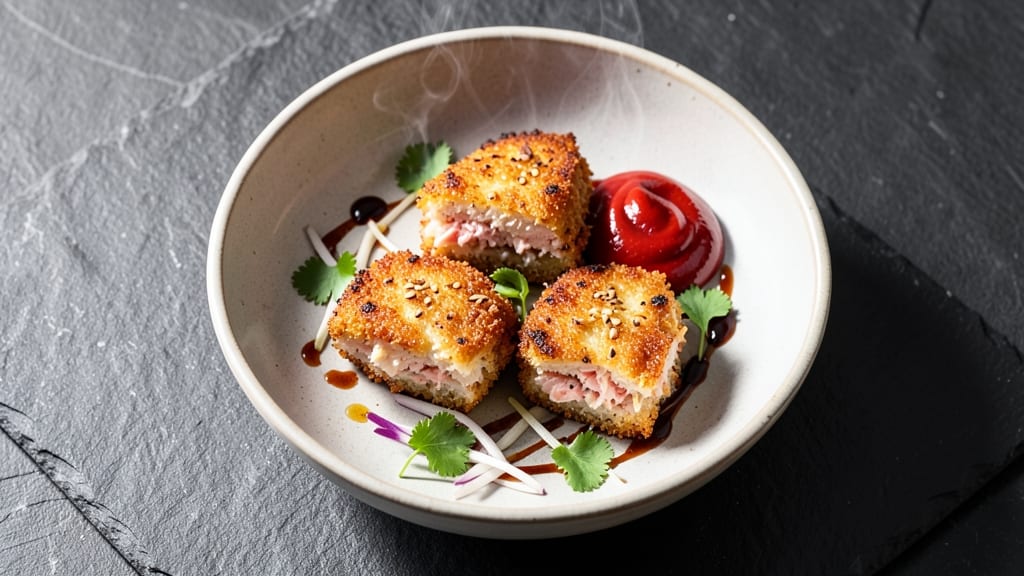
This Asian-style crab cake recipe delivers the perfect balance of crispy panko crust and tender crab filling, all finished with a sweet chili glaze that ties every bite together.
The secret lies in using a mix of breadcrumbs and panko for that signature crunch, while a touch of ginger and soy sauce infuses the filling with authentic Asian flavor.
I developed this recipe after years of experimenting with different textures and seasonings—it’s the one that finally nailed that restaurant-quality crunch without requiring specialized equipment.
The beauty of these crab cakes is in their versatility. Whether you’re serving them as an appetizer at a dinner party or as a light main course for a weeknight, they’re designed to impress with minimal effort.
The sweet chili glaze isn’t just for show—it cuts through the richness of the crab and adds a bright, tangy contrast that keeps every bite exciting. Plus, the recipe scales easily, so you can adjust the size of the cakes based on how many you’re feeding.
What you’ll end up with is a golden, crispy exterior that shatters with each bite, revealing a tender crab mixture that’s packed with flavor. The glaze caramelizes slightly when brushed on, adding another layer of depth to the dish.
This isn’t just another crab cake recipe—it’s a fusion of textures and flavors that brings the best of Asian cuisine to your table, all while staying approachable for home cooks.
Serve these crab cakes with a side of steamed jasmine rice or a simple stir-fry for a complete meal. The glaze pairs perfectly with a cool, creamy dipping sauce like wasabi mayo or a tangy sriracha aioli if you want to take it to the next level.
Here’s how to make them—step by step, with all the tips and tricks to ensure crispy, flavorful results every time.
Ingredients for asian style crab cake
Crispy crab cakes with a tender filling and sweet glaze—just eight ingredients transform into restaurant-quality bites.
| Ingredient | Amount | Notes |
|---|---|---|
| Fresh Lump Crab Meat 🦀 | 1 ½ lb | Backfin preferred for texture |
| All-Purpose Flour 🌾 | ½ cup | For coating crab cakes |
| Panko Breadcrumbs 🍞 | ¾ cup | Light and crispy variety |
| Japanese Breadcrumbs 🍞 | ¼ cup | For extra crunch |
| Large Eggs 🥚 | 2 whole | Room temperature preferred |
| Fresh Ginger 🌿 | 1 ½ tbsp | Finely grated, aromatic |
| Soy Sauce 🍶 | 2 tbsp | Light or regular preferred |
| Sesame Oil 🫒 | 1 tbsp | Toasted for nutty flavor |
| Mayonnaise 🥛 | ¼ cup | For binding filling |
| Vegetable Oil 🫒 | ½ cup | For frying, high smoke point |
| Sweet Chili Sauce 🍅 | ½ cup | For glaze, store-bought or homemade |
| Honey 🍯 | 1 tbsp | For glaze sweetness |
| Lime Juice 🍋 | 1 tbsp | Freshly squeezed |
| Salt 🧂 | 1 tsp | Kosher or sea salt |
| Black Pepper 🌶️ | ½ tsp | Freshly ground preferred |
The crab meat is everything here. Backfin is the gold standard—it holds its shape better than claw meat and gives that satisfying bite. Grab it fresh from the seafood counter (look for Wild Alaska if you can) or use frozen, but thaw it overnight in the fridge. Trader Joe's has a great pre-packaged option if you're short on time. The panko and Japanese breadcrumbs are non-negotiable—they're what give you that perfect crunch. I always toast mine lightly in a dry pan for 2 minutes before using, just to boost the flavor. For the glaze, Maesri sweet chili sauce is my go-to, but any good brand works.
No panko? Crushed cornflakes or regular breadcrumbs work in a pinch, but they won't be as crispy. Short on sesame oil? Toasted sesame seeds plus a little neutral oil give you that nutty flavor without the strong aroma. The filling can be prepped ahead—just keep it covered in the fridge for up to 24 hours before frying. For the glaze, if you can't find sweet chili sauce, mix 1 tbsp honey, 1 tbsp rice vinegar, and 1 tsp sriracha for a quick substitute. The lime juice is key—it brightens everything up, so don't skip it.
These crab cakes are best served fresh out of the fryer, but they reheat beautifully in a 350°F oven for 10 minutes. Store leftovers in an airtight container for up to 2 days. The glaze keeps for 1 week in the fridge, so make extra if you're planning to use it on other things. I always fry a few extra—crispy crab cakes make amazing sandwiches the next day with some wasabi mayo and avocado. Freeze the unfried cakes for up to 1 month—just pat them dry before freezing to keep them crispy.
Why You'll Love This Recipe
- No-Fuss Assembly: I’ll be real—this recipe takes zero fancy techniques. Just mix the crab meat with a beaten egg, fold in the flour and those two breadcrumbs (panko for crunch, Japanese for that extra toasty bite), and you’re done. No rolling, no shaping—just form into patties and pan-fry. My kids think it’s "magic food" because they can help.
- Umami Bomb: That combo of panko and Japanese breadcrumbs? It’s where the magic happens. The panko gives a light, airy crunch, while the Japanese breadcrumbs add a deeper, almost nutty toastiness—like a little flavor upgrade without extra work. And honestly, the lump crab meat? It melts in your mouth with just the right resistance. That’s the good stuff.
- Weeknight to Weekend: Make a batch on Sunday, and you’ve got finger food for game day, a fancy-ish appetizer for dinner guests, or a quick lunch for when you’re running late. The leftovers reheat beautifully (pan-sear fresh is best, but a quick air-fry fix works in a pinch). Between us, I’ve served these at BBQs, potlucks, and even as a "fancy" snack when I’m too tired to cook.
- Budget-Friendly Luxury: Fresh lump crab can feel splurgy, but here’s the trick: you don’t need much. A single 8-ounce package stretches to four generous cakes, and the rest of the ingredients cost pennies. Plus, the breadcrumbs stretch the flavor so you get that restaurant-quality crunch without the price tag. It’s how I trick myself into feeling fancy on a teacher’s salary.
Step-by-step instructions for Asian style crab cakes
Let's create golden, crispy crab cakes with a perfect balance of texture and flavor.
Prepare the Crab Meat Mixture
In a large bowl, gently mix the 1.5 lb fresh lump crab meat with the 1.5 tbsp finely grated fresh ginger, 2 tbsp soy sauce, 1 tbsp toasted sesame oil, and 0.25 cup mayonnaise. I like to use my hands for this step—it helps break up any large lumps while keeping the crab's delicate texture intact. Be careful not to overmix, or you'll end up with dense crab cakes instead of light, fluffy ones.
Next, add the 1 tsp salt and 0.5 tsp freshly ground black pepper to the mixture. Stir gently just until combined—you want to preserve the natural sweetness of the crab while seasoning it evenly. The mixture should look moist but not soupy. If it feels too dry, add a teaspoon of water to help bind everything together.
Create the Perfect Crispy Coating
In a shallow bowl, whisk together the 0.5 cup all-purpose flour with an extra 0.5 tsp black pepper for the coating. This step is crucial for that perfect crispy crust. In another bowl, beat the 2 whole large eggs until just combined—room temperature eggs work best for this.
For the breadcrumb mixture, combine the 0.75 cup panko breadcrumbs and 0.25 cup Japanese breadcrumbs in a separate bowl. The panko provides a light, airy texture while the Japanese breadcrumbs add that extra crunch we're after. This combination ensures a satisfying bite with every mouthful.
Form and Coat the Crab Cakes
Using a cookie scoop or your hands, portion the crab mixture into 4 equal portions (about 4 ounces each) and gently shape them into 1-inch thick patties. Be careful not to pack them too tightly—keep them loose to maintain that light texture. Place them on a plate and cover with plastic wrap while you prepare the coating.
Working with one crab cake at a time, dip it into the beaten eggs first, letting any excess drip off. Then roll it in the flour mixture, pressing gently to adhere. Finally, roll the floured crab cake in the breadcrumb mixture, pressing down firmly to create that perfect crispy crust. Repeat with the remaining crab cakes and place them on a wire rack or plate.
Fry to Golden Perfection
Heat 0.5 cup vegetable oil in a large skillet over medium heat until it reaches 350°F—you'll see small bubbles forming around the edges. This is the ideal temperature for achieving that beautiful golden-brown crust without burning the crab cakes. Use a thermometer to monitor the temperature if your stove isn't consistent.
Carefully place the coated crab cakes in the hot oil, working in batches if needed to avoid overcrowding. Fry for 3-4 minutes per side until they're golden brown and crispy. The crab cakes are done when they release easily from the pan and the internal temperature reaches 165°F. Don't rush this step—patience ensures that perfect texture.
Glaze and Serve
While the crab cakes are still hot, transfer them to a plate lined with paper towels to drain any excess oil. In a small saucepan, combine the 0.5 cup sweet chili sauce and 1 tbsp honey, and warm over low heat for 2-3 minutes until slightly thickened. Stir in the 1 tbsp freshly squeezed lime juice and set aside.
Brush the warm sweet chili glaze over the hot crab cakes, allowing it to soak into the crispy crust. Serve immediately while the crab cakes are still hot and the glaze is glossy. The contrast of the crispy exterior with the tender, sweet crab filling and the tangy-sweet glaze makes these crab cakes truly irresistible.
Pro Tips For Making Asian Style Crab Cake
- Drain the Crab Twice: Fresh lump crab meat holds onto water like a sponge—drain it in a colander for 10 minutes, then press it gently between paper towels. I learned this the hard way when my first batch turned into a soggy mess after frying. The extra squeeze makes all the difference when mixing with dry ingredients.
- Mix Dry Ingredients First: Whisk the all-purpose flour, panko, and Japanese breadcrumbs together before adding wet ingredients. This prevents clumping and ensures even distribution—especially important when you’re working with delicate crab meat that can break apart. (Yes, even if you’re impatient like me.)
- Skip the Overcrowding: Fry the crab cakes in batches of 2-3 at most, or they’ll steam instead of brown. I used to think I could rush it, but the result was pale, greasy cakes instead of crispy golden ones. Give them space—they’ll reward you with that perfect crunch.
- Rest the Batter 10 Minutes: Let the crab mixture sit uncovered in the fridge for 10 minutes before shaping. This lets the flour absorb moisture and the eggs firm up slightly, so the cakes hold together better when you flip them. (Your future self will thank you.)
Pro cooking tips for asian style crab cake
Crispy Texture Secrets
For that signature Asian-style crunch, I double up on breadcrumbs—panko for lightness and Japanese breadcrumbs for extra shatter. Toast them in a dry skillet for 2 minutes before using to amplify their flavor. Keep the crab mixture loose when shaping to prevent dense cakes. 🍞
Frying Like a Pro
Use a thermometer to maintain 350°F oil—this is non-negotiable for even cooking. Fry in batches to avoid overcrowding, which drops the oil temperature and makes cakes soggy. A wire rack on a baking sheet keeps them crispy while draining. 🌡️
Glaze Timing
Warm the sweet chili glaze over low heat for just 2-3 minutes—it should coat the back of a spoon but remain pourable. Brush it on immediately after frying while the cakes are still hot. The residual heat helps the glaze caramelize slightly for extra depth. 🍯
Egg Prep Matters
Room-temperature eggs coat better and create a smoother crust. If using cold eggs, let them sit at room temperature for 30 minutes before dipping. This small step makes a huge difference in texture uniformity. 🥚
Ginger Grating Tip
Use a microplane for the ginger—it yields finer, more aromatic particles than a grater. This distributes the flavor evenly without making the mixture gritty. Fresh ginger is non-negotiable here; powdered won't cut it. 🌿
Make-Ahead Hack
Prep the crab mixture 24 hours ahead and store it covered in the fridge. Shape and coat the cakes 1 hour before frying to let the coating adhere better. Freeze unfried cakes on a tray for 1 month—thaw in the fridge before cooking. ❄️
Nutrition facts
Frequently asked questions
Can I use frozen crab meat instead of fresh?
Yes, but thaw it properly first! Place frozen lump crab meat in the fridge overnight or use the quick thaw method: seal it in a bag and submerge in cold water for 30-45 minutes. Always drain well and pat completely dry before mixing—excess moisture makes the coating slip off. For best texture, use backfin crab (even frozen) as it holds its shape better than claw meat.
What's the secret to extra crispy crab cakes?
Three key steps:
- Double breadcrumbs (panko + Japanese) for shatter,
- Toast them first in a dry pan for 2 minutes to boost flavor, and
- Fry at exactly 350°F using a thermometer. Keep cakes loose when shaping—they'll puff slightly during frying. Pro tip: Use a wire rack for draining to maintain crispness.
Can I bake these instead of frying?
Preheat oven to 400°F and bake on a wire rack over a baking sheet for 12-15 minutes until golden. Brush with glaze after baking. For extra crispiness, broil for 1-2 minutes at the end. Baked cakes will be slightly less crispy than fried but still delicious—great for a healthier option.
How do I store leftovers?
Store crab cakes in an airtight container for 2 days in the fridge. Reheat in a 350°F oven for 10 minutes to restore crispiness. For longer storage, freeze unfried cakes on a tray for 1 month—thaw in the fridge before cooking. The glaze keeps separately for 1 week in the fridge.
What sides pair best with these crab cakes?
Try these Asian-inspired pairings: steamed jasmine rice with a fried egg on top, stir-fried bok choy with garlic, or cucumber salad with sesame dressing. For a complete meal, add miso soup or quick-pickled veggies. The sweet chili glaze also works beautifully on grilled shrimp or as a dipping sauce for spring rolls.