
Desserts
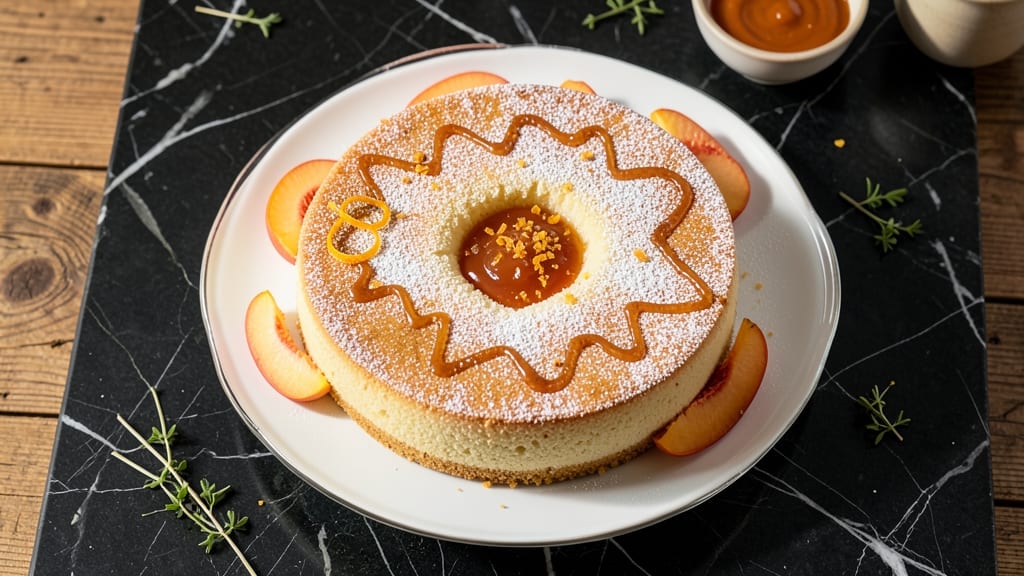
This apricot nectar cake from scratch delivers layers of buttery richness and bright citrus swirls that taste like sunshine in every bite. The secret lies in a perfectly balanced batter—tender yet sturdy enough to hold its shape while baking, with a moist crumb that stays fresh for days.
I’ve tested countless variations to perfect the texture, ensuring it’s foolproof for beginners while still impressive enough for special occasions.
The magic happens with a zesty apricot nectar that infuses the entire cake, creating a delicate balance between sweet and tangy. You’ll mix everything in a single bowl, then swirl the nectar into the batter before baking for golden, crackly layers that slice cleanly.
No fancy equipment needed—just a standard 9x13-inch pan and 35 minutes in the oven.
What you’ll end up with is a cake that’s crisp at the edges, moist in the center, and bursting with apricot flavor in every forkful. The citrus swirls add a refreshing contrast, making this the perfect dessert for brunch, afternoon tea, or a celebratory treat.
It’s elegant enough for guests but simple enough to bake on a weeknight.
Once baked, let it cool completely before slicing—this ensures clean cuts and maximum flavor in each piece. Serve warm with a dusting of powdered sugar or a dollop of whipped cream to enhance the apricot’s natural sweetness. The aroma alone will have everyone asking for seconds.
Ingredients for apricot nectar cake recipe from scratch
Twelve simple ingredients for a cake that tastes like sunshine and citrus in every bite.
| Ingredient | Amount | Notes |
|---|---|---|
| All-Purpose Flour 🌾 | 2 ½ cups | Sifted for light texture |
| Granulated Sugar 🍚 | 1 ½ cups | White or light brown |
| Unsalted Butter 🧈 | 1 cup | Room temperature, full-fat |
| Large Eggs 🥚 | 2 whole | Room temperature |
| Apricot Nectar 🍑 | 1 cup | Unsweetened, good quality |
| Lemon Juice 🍋 | ¼ cup | Freshly squeezed |
| Orange Zest 🍊 | 1 tbsp | Freshly grated |
| Vanilla Extract 🌿 | 1 tbsp | Pure vanilla preferred |
| Baking Powder 🧂 | 1 ½ tsp | Aluminum-free |
| Salt 🧂 | ½ tsp | Fine sea salt |
| Powdered Sugar 🍚 | ½ cup | For dusting |
| Whole Milk 🥛 | ½ cup | Room temperature |
The apricot nectar is non-negotiable here—look for unsweetened varieties at the store, usually near the jams. Trader Joe's and Whole Foods have the best selection, but any natural grocery store will work. Fresh lemon juice and orange zest make all the difference, so don't use bottled juice or pre-grated zest (it loses flavor fast). For the butter, I always grab Land O'Lakes or Plugrá—they're reliable and creamy. The flour should be sifted before measuring to avoid dense layers, and if you're in a pinch, King Arthur or Bob's Red Mill are great brands for consistent baking.
No apricot nectar? Mango nectar or peach nectar works in a pinch, but it'll change the flavor profile. Short on lemon juice? Orange juice at half the amount adds brightness, though it's not the same. Pre-grated zest? Zest your own—it's quick and makes a huge difference. The baking powder is key here, so don't substitute with baking soda unless you add an acid like lemon juice. For the powdered sugar, Domino or Confectioners Sugar are the most reliable brands. If you're gluten-sensitive, swap the all-purpose flour for a 1:1 gluten-free blend, but expect a slightly denser texture.
This cake keeps beautifully—3-4 days at room temperature in an airtight container, or 1 week in the fridge. For longer storage, wrap tightly in plastic and freeze for up to 3 months. I always slice mine warm with a dusting of powdered sugar—it's the perfect way to highlight the apricot flavor. The citrus swirls soften slightly over time, so it's even better the next day. If you're making this ahead for a party, bake it the day before and store it covered at room temperature.
Why You'll Love This Recipe
- No Mixer Needed: That creamy butter-egg base comes together with a wooden spoon—no stand mixer, no fuss. Honestly, I’ve made this in my daughter’s tiny kitchen cupboard while she “helped” crack eggs (somewhere on the floor).
- Sunshine in a Box: The apricot nectar isn’t just flavor—it’s that bright, jammy sweetness that cuts through the richness of the butter and sugar. Between us, it’s the kind of taste that makes you reach for a second slice without guilt.
- Weekday or Weekend: Slice it warm for breakfast with yogurt or pack it for lunch—it keeps beautifully for days. I’ll be real: I’ve even frosted a single serving for my husband’s birthday (he didn’t notice, but I did).
- Pantry Magic: Uses staples you already have, plus that one bottle of apricot nectar gathering dust. Not the prettiest, but the taste makes up for it—and it’s cheaper than buying a fancy cake.
Step-by-step instructions for apricot nectar cake with citrus swirls
Here's how to bake a moist, citrus-kissed apricot cake with layers of buttery goodness.
Prepare the Citrus Swirl Filling
In a small bowl, whisk together the 1 cup apricot nectar, 0.25 cup lemon juice, 1 tbsp orange zest, and 1 tbsp vanilla extract. This vibrant mixture will infuse the cake with bright citrus flavors. Set aside while you prepare the batter.
I like to strain this mixture through a fine-mesh sieve to remove any pulp bits—this ensures a smooth, silky filling that swirls beautifully through the cake layers. The acidity from the lemon juice balances the natural sweetness of the apricot nectar perfectly.
Mix the Dry and Wet Ingredients Separately
In a medium bowl, sift together the 2.5 cups all-purpose flour, 1.5 tsp baking powder, and 0.5 tsp salt. Whisk gently to combine and remove any lumps. Sifting ensures a light, airy texture that prevents dense cake layers.
In a separate large bowl, cream together the 1 cup unsalted butter and 1.5 cups granulated sugar using an electric mixer on medium speed for 3-4 minutes. The mixture should become pale and fluffy—this incorporates air that helps the cake rise beautifully. Scrape down the sides of the bowl occasionally to ensure even mixing.
Combine Wet and Dry Ingredients
Add the 2 whole large eggs, one at a time, mixing well after each addition. Then stir in the 0.5 cup whole milk and the citrus swirl mixture you prepared earlier. The batter will be slightly thinner than typical cake batters, which is perfect for absorbing the citrus flavors.
With the mixer on low speed, gradually add the dry ingredients to the wet mixture. Mix just until combined—you should still see some flour streaks. Overmixing develops gluten, which can make the cake tough. The batter should be smooth and well incorporated, with a vibrant orange hue from the citrus zest.
Layer and Swirl the Cake
Preheat your oven to 350°F and grease two 9-inch round cake pans, lining the bottoms with parchment paper. Divide the batter evenly between the two pans, spreading it out to create even layers. Pour about ⅓ of the citrus swirl mixture over each layer, then gently swirl it with a knife or skewer to create marbled patterns.
Bake for 25-30 minutes, or until a toothpick inserted into the center comes out clean. The edges should be golden brown, and the top should spring back slightly when pressed gently. Rotate the pans halfway through baking for even cooking.
Finish and Serve
Remove the cakes from the oven and let them cool in the pans for 10 minutes. Then transfer them to a wire rack to cool completely. Once cooled, dust the tops generously with 0.5 cup powdered sugar for a sweet, snowy finish.
Slice the cake into 12 equal portions and serve with a dollop of whipped cream or a scoop of vanilla ice cream. The citrus swirls will add a refreshing contrast to the buttery cake layers, making each bite a perfect balance of sweet and tangy flavors.
Pro Tips For Making Apricot Nectar Cake Recipe From Scratch
- Whisk Butter-Sugar Slowly: Don’t rush the creaming—beat butter and sugar on medium-high for 3-4 minutes until it’s pale and ribbon-like (not just fluffy). I used to skip this, and the cake turned out dense. The air incorporated here makes all the difference for that light, tender crumb.
- Strain That Nectar: Apricot nectar often has bits of pulp or seeds that can make your cake texture uneven. Pour it through a fine-mesh sieve before mixing—takes 30 seconds but saves you from gummy patches later.
- Check Oven Temp Early: Preheat your oven to 350°F (175°C) and let it sit for 15 minutes before baking. I learned this after my first batch came out underdone in the middle—turns out my oven runs hot. Use an oven thermometer if you’re unsure; accuracy matters more than you’d think.
- Fold Dry Ingredients Gently: When adding the flour mixture to the wet ingredients, use a spatula and fold just until combined—overmixing develops gluten and makes the cake tough. Stop when there’s one streak of flour left; it’s okay if it’s not perfect.
Common mistakes when making this recipe
Overmixing the Batter
This is my biggest pet peeve when baking cakes—overmixing develops gluten, which turns your tender cake into a dense brick. Once you add the dry ingredients to the wet, mix just until combined with a few flour streaks remaining. I promise you’ll see the difference in texture. 🧑🍳
Skipping the Citrus Swirl
Don’t pour all that delicious apricot nectar mixture into the batter at once! The magic happens when you layer it into the pans and swirl it in. If you mix it all together, you’ll lose the beautiful marbled effect and the bright citrus flavor will get diluted.
Trust me, the visual impact is worth the extra 2 minutes of work.
Using Bottled Citrus Juice
Fresh lemon juice and orange zest make all the difference in this cake. Bottled juice lacks the brightness and depth of flavor, and pre-grated zest loses its potency quickly. I always zest my own—it takes less than a minute and transforms the cake.
If you’re short on time, freshly squeezed juice is better than bottled, but it won’t be quite the same.
Incorrect Oven Temperature
Your oven might run hotter or cooler than the thermometer says. Test it with an oven thermometer before baking this cake—it should be 350°F. If it’s off by even 25°F, your cake could bake unevenly or turn out dry.
I’ve ruined cakes this way more times than I’d like to admit. 🔥
Not Cooling Properly
Cracking the cake pans too soon or transferring them to a wire rack while still hot can cause the cake to sink or develop a gummy texture.
Let it cool in the pan for 10 minutes first, then transfer. This gradual cooling ensures the layers set properly and slice cleanly. Patience pays off here!
Using Subpar Apricot Nectar
Not all apricot nectar is created equal. Cheap brands with added sugar or artificial flavors will make your cake taste flat. Look for unsweetened, 100% fruit varieties like those from Trader Joe’s or Whole Foods. The quality of your nectar directly impacts the final flavor—don’t skimp here. 🍑
Nutrition facts
Frequently asked questions
Can I make this apricot nectar cake in a single layer instead of two?
Yes! For a single-layer cake, use a 9x13-inch pan and reduce the baking time to 25-30 minutes. Simply pour the entire batter into the pan, spread it evenly, then swirl the citrus mixture on top before baking. The texture will be slightly denser but still delicious.
How do I store leftover apricot nectar cake?
Wrap tightly in plastic wrap or store in an airtight container at room temperature for 3-4 days. For longer storage, refrigerate for up to 1 week or freeze for 3 months. The flavors actually improve over time, especially the citrus notes!
What if I don't have apricot nectar? Can I substitute?
Try mango nectar, peach nectar, or even apricot jam (thinned with water) in a pinch. For a different flavor, use 1 cup orange juice + 2 tbsp honey, but the citrus balance will be stronger. The texture might vary slightly, but it'll still taste amazing.
Why did my cake sink in the middle?
This usually happens from overmixing the batter or opening the oven door too soon. The cake needs to set properly—let it cool in the pan for 10 full minutes before transferring. Also, ensure your oven is at 350°F (test with an oven thermometer).
Can I make this cake gluten-free?
Yes! Replace the all-purpose flour with a 1:1 gluten-free baking blend (like Bob's Red Mill). Add ½ tsp xanthan gum if your blend doesn't include it. The texture will be slightly denser, but the flavor stays the same. Let the cake cool completely before slicing.