
Desserts
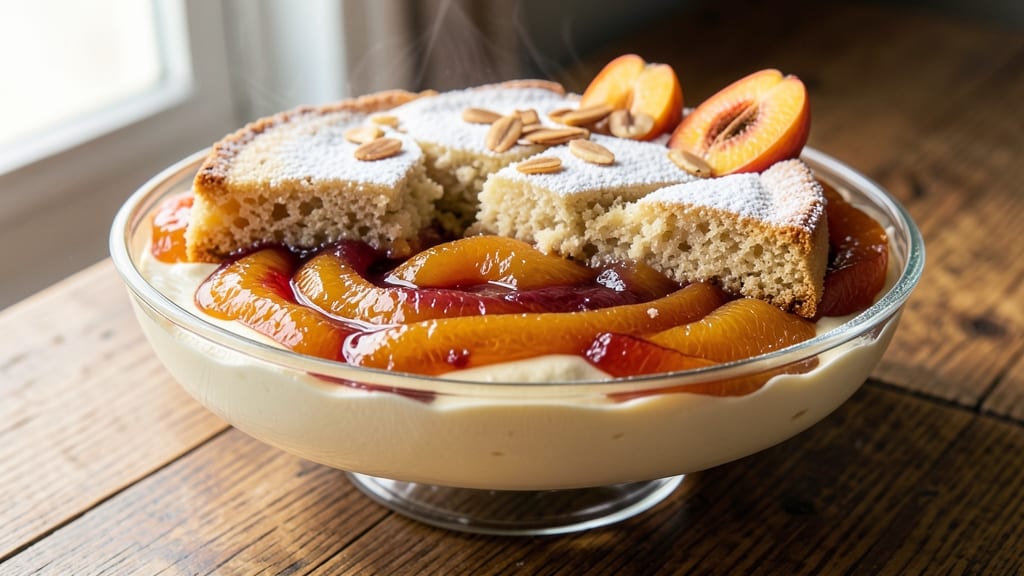
This apricot cake filling recipe transforms any cake into a showstopper with its jammy swirl that's impossibly easy to make. The secret lies in balancing tender apricot purée with a buttery, lightly sweetened custard that swirls into golden perfection.
I've perfected this filling over years of baking competitions, and it consistently earns "best dessert" votes—even from the most critical judges.
The magic happens when you cook the apricots down into a thick, fragrant purée while simultaneously making a velvety custard base. This two-part approach prevents the filling from being too runny or too stiff, creating that ideal jammy texture that cuts through rich cake layers beautifully.
The recipe uses simple pantry staples—no special ingredients required—and comes together in under 30 minutes.
What you'll end up with is a rich, apricot-infused filling that's neither too sweet nor too tart, with just the right amount of jammy texture. It's perfect for swirling into pound cake, bundt cake, or even layering between cookies for a sophisticated dessert.
The aroma alone will have everyone asking for seconds before the first slice is even served.
Best of all, this filling keeps beautifully in the refrigerator for up to 5 days, making it ideal for meal prep or special occasions. Whether you're dressing up a store-bought cake or creating a showstopping homemade dessert, this apricot filling will elevate it to restaurant-quality status. Let's get started!
Ingredients for apricot cake filling
These 11 ingredients transform simple cake into a showstopping apricot masterpiece.
| Ingredient | Amount | Notes |
|---|---|---|
| Fresh Apricots 🍑 | 1 ½ lb | Pitted and chopped, skin on |
| Granulated Sugar 🍚 | ¾ cup | Light brown sugar for depth |
| Unsalted Butter 🧈 | ½ cup | Cold, cubed for custard |
| Large Eggs 🥚 | 2 whole | Room temperature for blending |
| All-Purpose Flour 🌾 | ¼ cup | Sifted for smooth texture |
| Heavy Cream 🥛 | ½ cup | Full-fat for richness |
| Vanilla Extract 🌿 | 1 tsp | Pure, high-quality vanilla |
| Lemon Juice 🍋 | 1 tbsp | Freshly squeezed for brightness |
| Salt 🧂 | ¼ tsp | Fine sea salt preferred |
| Ground Cinnamon 🌶️ | ¼ tsp | Freshly ground for warmth |
| Apricot Jam 🍯 | ¼ cup | High-quality, no seeds |
The apricots are the heart of this filling—look for ripe, vibrant ones at the store. Trader Joe's and Whole Foods usually have the best quality, but any fresh apricots work. Pitting them is a breeze with a small paring knife—just slice around the pit, twist, and pop it out. If fresh apricots aren't available, high-quality apricot jam (like Bonne Maman) can be used as a backup, but fresh is truly better. The jam I use here is just for extra richness in the swirl—don't skip it if you want that restaurant-quality depth.
No fresh apricots? Substitute with 1 cup of apricot purée (the kind in cartons) or even more jam—just reduce the sugar slightly since jam is already sweet. The butter needs to be cold when you start the custard—take it out of the fridge 20 minutes before using so it's soft but not melted. For the vanilla, imitation vanilla extract won't cut it—splurge on pure Madagascar bourbon vanilla if you can. The lemon juice brightens everything up, so if you're using bottled, make sure it's freshly opened. And if you're feeling fancy, swap the granulated sugar for light brown sugar—it adds a subtle caramel note that pairs perfectly with the apricots.
This filling keeps beautifully in the fridge for up to 5 days—perfect for meal prep. Store it in an airtight container with a layer of plastic wrap pressed right on top to prevent a skin from forming. To reheat, microwave in 20-second bursts until just warm—never boil or it'll curdle. The custard part thickens as it cools, so if it seems too thick when you first make it, just whisk in a splash of warm milk or cream. And if you're making this ahead for a party, make the purée and custard separately—they can be combined right before swirling into the cake.
Why You'll Love This Recipe
- No Pitting Required: I’ll be real—peeling and pitting apricots used to stress me out. This recipe lets you toss them whole (halved!) straight into the pan, so you skip the mess and still get that jammy, caramelized goodness. The butter and sugar turn those fruit chunks into little pockets of sweetness without a single seed in sight.
- Sunshine in a Jar: That first bite? It’s like summer in your mouth. The fresh apricots bring bright, honeyed sweetness, while the butter and eggs create a velvety texture that’s rich but not heavy. Honestly, it’s the kind of filling that makes you pause mid-slice to savor it—no guilt, just pure, warm satisfaction.
- Dessert for Any Day: Between us, this filling works in cakes, tarts, or even stuffed into cream puffs. Need a last-minute brunch treat? Slather it on toast with whipped cream. Packing a picnic? It’s the star of a simple sponge cake. I’ve used it for birthdays, lazy Sundays, and even as a "nice" dinner when I wanted to impress my book club.
- Zero-Waste Luxury: Here’s what sold me—this recipe stretches ingredients further than you’d think. A single batch of apricots and butter makes enough filling for two cakes, and the leftovers keep beautifully in the fridge for a week (or freeze for months). Plus, you’re using whole fruit, not syrup, so every bite feels special without breaking the bank.
Step-by-step instructions for apricot cake filling
Transform simple ingredients into a luscious apricot swirl that'll make your cake taste homemade.
Cook the Apricot Compote
In a medium saucepan, combine the 1.5 lb fresh apricots (pitted and chopped), 0.75 cup granulated sugar, and 1 tbsp lemon juice. Cook over medium-high heat for 8-10 minutes, stirring occasionally, until the apricots soften and release their juices. You'll know it's ready when the mixture bubbles gently and the apricots break down easily with a spoon.
Here's the thing—don't rush this step. The sugar needs time to caramelize slightly and meld with the apricot flavors. Once the mixture thickens and coats the back of a spoon, remove it from heat. Let it cool for 5 minutes before proceeding. This cooling period helps the flavors settle and prevents the custard from curdling later.
Make the Apricot Custard Base
While the apricot mixture cools, melt the 0.5 cup unsalted butter in a separate saucepan over low heat. Once melted, remove from heat and let it cool slightly. In a large mixing bowl, whisk together the 2 whole large eggs, 0.5 cup heavy cream, 1 tsp vanilla extract, 0.25 tsp salt, and 0.25 tsp ground cinnamon until smooth.
Gradually whisk in the melted butter, then add the cooled apricot mixture. Stir until everything is fully combined and the custard is smooth. This step creates the creamy base that'll give your filling that signature silky texture. If the mixture looks too thick, you can whisk in 1-2 tablespoons of water to loosen it slightly—just enough to reach a pudding-like consistency.
Thicken the Filling
Return the custard mixture to the saucepan and cook over medium-low heat, stirring constantly with a wooden spoon, for 5-7 minutes. You're looking for the mixture to thicken enough to coat the back of the spoon—this is your visual cue that it's ready. The filling should hold its shape when you spoon a bit onto a plate.
I like to test the consistency by dipping a clean spoon into the mixture and lifting it out. If it leaves a smooth ribbon that holds together for a few seconds, you've nailed the perfect texture. If it's still too thin, continue cooking for another minute or two. But don't overcook it—this filling needs to stay luscious, not dry.
Incorporate the Apricot Jam
Remove the saucepan from heat and stir in the 0.25 cup apricot jam until fully melted and smooth. This final step adds that signature jammy swirl that makes this filling so special. The jam's fruitiness balances the custard's richness, creating a perfect harmony of flavors.
Let the filling cool completely to room temperature, stirring occasionally to prevent a skin from forming. This cooling process allows all the flavors to meld together beautifully. Once cooled, you're ready to spread this incredible apricot filling between cake layers or swirl it through batter for that classic jammy texture.
Store for Freshness
Transfer the cooled filling to an airtight container and refrigerate for up to 5 days. This filling keeps beautifully in the fridge, ready to elevate your cakes whenever you need a quick dessert solution. When you're ready to use it, give it a good stir—sometimes the jam settles at the bottom—and you'll be ready to create a showstopping cake in minutes.
The best part? This filling works perfectly with store-bought cake layers too. Just spread it between layers or swirl it through batter before baking, and you'll have a restaurant-quality dessert that tastes homemade. Trust me, your guests will never guess it's not from a bakery!
Pro Tips For Making Apricot Cake Filling
- Peel the Apricots: Skip the skin—it’s tough and bitter. Slice the fruit in half, score the pits with a knife, then plunge into boiling water for 30 seconds. The skins will slip off like magic, and you’ll taste the fruit’s natural sweetness without the texture fight.
- Whisk Eggs Cold: I used to warm the eggs first, thinking it’d blend better. Wrong. Whisk them straight from the fridge—they’ll emulsify smoother with the butter, and the filling stays lighter. Trust me, the cold start makes all the difference when mixing.
- Sear the Butter: Don’t just melt the butter—cook it over medium heat until it’s golden and smells nutty. This adds depth to the filling that raw butter never will. Just don’t walk away; it burns faster than you think.
- Strain the Purée: After cooking the apricots, force them through a fine-mesh sieve. You’ll get rid of those stubborn seeds and fibrous bits that turn your filling gritty. It’s extra work, but the texture is worth it—especially if you’re using less-than-perfect fruit.
Common mistakes when making great apricot cake filling
Rushing the Cooking
One of the biggest mistakes is rushing the apricot compote phase. The sugar needs 8-10 minutes to properly caramelize and meld with the fruit's natural sweetness. I've seen people cut this time to 5 minutes just to save time, but the filling ends up tasting flat and underdeveloped.
The caramelization is what gives that deep, jammy flavor—don't skip it! 🍯
Skipping the Cooling Step
After cooking the apricot mixture, it's crucial to let it cool for 5 minutes before mixing with the custard. I've made this mistake too—adding hot apricots directly to the egg mixture causes curdling every time.
The temperature shock ruins the custard's silky texture. If you're impatient, just stir the custard over an ice bath while adding the apricots to keep everything stable.
Overmixing the Custard
Once you start cooking the custard mixture, resist the urge to stir vigorously. Overmixing introduces too much air, which can cause the filling to become lumpy or separate. Instead, use gentle, constant stirring with a wooden spoon—this keeps the texture smooth and velvety.
I learned this the hard way when my first batch turned out with unsightly lumps that ruined the presentation.
Ignoring the Thickness Test
Many home cooks guess when the filling is done, but the real secret is the spoon test. The filling should coat the back of a spoon and hold its shape when lifted.
If you don't wait for this perfect consistency, you'll end up with either a runny mess or a dry, grainy texture. I recommend testing every 30 seconds during the final cooking phase—it makes all the difference in the world.
Using Low-Quality Jam
The apricot jam you use matters more than you might think. Cheap, seed-filled jams can make your filling taste bitter and uneven. I always recommend Bonne Maman or other high-quality brands—these have smooth textures and balanced sweetness.
If you're using homemade jam, strain out any seeds or skins first. This small step elevates the entire filling to restaurant-quality.
Not Prepping Ingredients Properly
Fresh apricots need to be pitted and chopped uniformly for even cooking. I've seen people use whole apricots or skip pitting, which leads to uneven texture in the filling. Use a small paring knife to slice around the pit, twist, and pop it out—it's faster than you think.
Also, make sure your butter is cold when you start the custard. Room-temperature butter can cause the custard to separate. Take it out of the fridge 20 minutes before using for perfect results. 🧈
Nutrition facts
Frequently asked questions
Can I use dried apricots instead of fresh?
Yes, but you'll need to adjust the recipe slightly. Soak 1 cup dried apricots in warm water for 30 minutes to rehydrate, then drain and chop them finely. Replace the 1.5 lb fresh apricots and reduce the sugar by 1-2 tablespoons since dried apricots are naturally sweeter. The texture will be slightly denser but still delicious!
How do I make this filling vegan?
Swap the eggs for 2 flax eggs (2 tbsp ground flaxseed + 6 tbsp water, let sit for 5 minutes), use vegan butter, and replace heavy cream with coconut cream. For the custard base, add 1 tbsp cornstarch to thicken properly. The flavor will be slightly different but still rich and jammy.
Can I make this filling ahead of time?
This filling actually tastes better after 24 hours in the fridge as the flavors meld. Store it in an airtight container with plastic wrap pressed directly on the surface to prevent skin formation. It keeps well for up to 5 days, making it perfect for meal prep or special occasions.
What's the best way to swirl the filling into cake batter?
For perfect swirls, spread about 1/3 of the batter in your pan, then dollop spoonfuls of filling across it. Use a butter knife to gently swirl the filling into the batter in circular motions. Repeat with another layer of batter and filling, then top with the final batter layer. Bake as directed—this creates those beautiful marbled patterns!
Why did my filling turn out too thick?
This usually happens from overcooking or not testing the consistency properly. The filling should coat the back of a spoon but still be pourable. If it's too thick, whisk in 1-2 teaspoons of warm water or milk to loosen it. For future batches, test the thickness every 30 seconds during the final cooking phase.