
Desserts
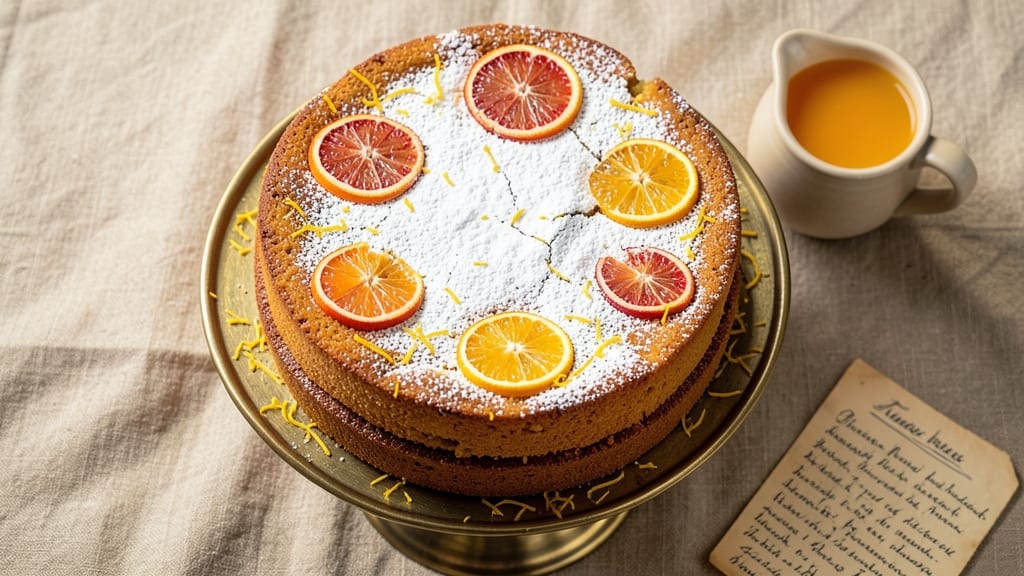
This Amish orange cake recipe delivers buttery layers and bright citrus notes that balance perfectly—no fancy techniques required. The secret lies in a simple batter that yields moist, tender crumb with just the right orange zest punch.
I’ve baked this version countless times, and it never fails to impress, whether served at a family gathering or as a special treat.
The recipe relies on a foolproof method that’s perfect for beginners: minimal mixing, precise measurements, and a 350°F oven for even baking. Fresh orange juice and zest infuse every bite, while a touch of vanilla and cinnamon add warmth.
The cake’s simplicity is its strength—no elaborate decorating needed to make it feel special.
By the time it emerges from the oven, you’ll have golden layers with a subtle citrus aroma that fills the kitchen. The texture is light yet rich, with just enough moisture to keep it tender.
Serve it plain or with a light powdered sugar dusting for an effortless finish—this cake tastes like a homemade hug.
For extra flair, consider a cream cheese frosting or a drizzle of homemade orange glaze. The variations are endless, but the core recipe stays true to its roots: simple, flavorful, and always satisfying. Let’s get baking!
Ingredients for amish orange cake
Buttery richness meets vibrant citrus in this classic Amish orange cake—just nine ingredients for golden perfection.
| Ingredient | Amount | Notes |
|---|---|---|
| All-Purpose Flour 🌾 | 2 ½ cups | Sifted for even texture |
| Granulated Sugar 🍚 | 2 cups | White or light brown |
| Unsalted Butter 🧈 | 1 cup | Room temperature, cubed |
| Fresh Orange Juice 🍊 | 1 cup | From 2-3 medium oranges |
| Orange Zest 🍊 | 1 tbsp | Fine grated, no pith |
| Large Eggs 🥚 | 2 whole | Room temperature preferred |
| Pure Vanilla Extract 🌿 | 1 tbsp | High-quality brand preferred |
| Ground Cinnamon 🌶️ | 1 tsp | Freshly ground preferred |
| Baking Powder 🧂 | 2 tsp | Diamond Crystal preferred |
| Salt 🧂 | ½ tsp | Fine sea salt preferred |
| Powdered Sugar 🍚 | 1 cup | For dusting, optional |
The butter and flour form the foundation of this cake, so don’t cut corners. European-style butter (like Plugrá) yields superior flavor, but any high-fat unsalted butter works. For flour, King Arthur or Gold Medal brands are ideal—they absorb moisture beautifully. The oranges should be juicy and sweet, not overly tart; Valencia or Navel varieties work best. Zest only the outer layer—no white pith!—for pure citrus flavor without bitterness. Measure ingredients precisely; this cake relies on balance between the buttery base and citrus brightness.
No fresh oranges? Bottled orange juice works in a pinch, but add an extra teaspoon of zest to compensate. Substitute vanilla extract with vanilla bean paste> for deeper flavor. For a gluten-free version, replace flour with a 1:1 gluten-free baking blend (like Bob’s Red Mill), though texture may vary slightly. The cinnamon is optional but recommended—it enhances the orange notes beautifully. If you prefer a denser crumb, reduce the baking powder by 0.5 teaspoons, but the original recipe yields that signature tender texture Amish cakes are known for.
Store baked cake in an airtight container at room temperature for 3-4 days or refrigerate for up to 1 week to maintain freshness. For longer storage, freeze slices wrapped in plastic wrap for up to 3 months. The cake reheats beautifully—warm slices in a 300°F oven for 5-10 minutes to restore moisture. I always bake an extra pan; the second day’s slices taste even better as the flavors meld. Serve with a dusting of powdered sugar or a drizzle of homemade orange glaze for extra elegance.
Why You'll Love This Recipe
- You’re using pantry basics here: flour, sugar, butter, and a few oranges. No fancy ingredients, no wasted leftovers—this cake keeps well for days, so I can bake one batch and enjoy it all week.
- No Mixer Needed: I swear by this recipe when I’m in a hurry—just cream butter and sugar by hand until light and fluffy. The orange zest cuts through the richness instantly, so you don’t even miss the stand mixer.
- Zesty Brightness: That burst of fresh orange juice and zest? It’s like sunshine in every bite. The citrus balances the buttery cake so well, you’ll want to skip frosting entirely—or just dust it with powdered sugar.
- Holiday or Everyday: Serve it warm with vanilla ice cream for a cozy Sunday dessert, or slice it for potlucks—no one will guess it’s this simple. Honestly, I’ve taken it to picnics and book club meetings, and it’s always a hit.
Step-by-step instructions for Amish orange cake
Here's the method for a tender, citrus-infused cake with a perfect balance of moisture and spice.
Prepare the Cake Batter
Preheat your oven to 350°F and grease two 8-inch round cake pans, lining the bottoms with parchment paper for easy removal. In a medium bowl, whisk together the 2.5 cups all-purpose flour, 2 teaspoons baking powder, 1 teaspoon ground cinnamon, and ½ teaspoon salt. Sift the dry ingredients to eliminate lumps and ensure even distribution throughout the batter.
In a separate large mixing bowl, cream the 1 cup unsalted butter and 2 cups granulated sugar together using an electric mixer on medium speed until light and fluffy, about 3-4 minutes. This step is crucial for achieving that classic Amish cake texture—you'll know it's ready when the mixture nearly doubles in volume and becomes pale in color. Scrape down the sides of the bowl to ensure all the sugar is fully incorporated.
Add the 2 whole large eggs, one at a time, mixing well after each addition. Then stir in the 1 tablespoon pure vanilla extract and the 1 cup fresh orange juice. The mixture should be smooth and slightly thickened. Fold in the 1 tablespoon orange zest and the previously sifted dry ingredients, mixing just until combined. Avoid overmixing—this can lead to a dense cake. The batter should be smooth with no visible streaks of flour.
Bake the Layers
Divide the batter evenly between the two prepared cake pans. Tap each pan gently on the counter to release any air bubbles that may have formed. Bake in the preheated oven for 25-30 minutes, or until a toothpick inserted into the center of the cakes comes out clean. Rotate the pans halfway through baking for even browning.
Here's the thing—Amish cakes are known for their tender crumb, so don't overbake. The cakes should be golden on top with slightly domed centers. If you notice the edges browning too quickly, tent the pans with aluminum foil to prevent over-browning while allowing the centers to finish cooking.
Once the cakes are fully baked, remove them from the oven and let them cool in the pans for 10 minutes. Then transfer them to a wire rack to cool completely. This gradual cooling process prevents cracking and ensures the cakes hold their shape when you're ready to assemble them.
Assemble and Dust with Powdered Sugar
While the cakes are cooling, prepare your frosting or filling if using one. For a simple Amish-style finish, you can skip frosting entirely and focus on the powdered sugar dusting. Once the cakes are completely cool, place one layer on a serving plate or cake stand.
Dust the top of the first layer generously with ½ cup powdered sugar, using a fine-mesh sieve for an even, snowy finish. Place the second layer on top, and dust the entire cake with the remaining ½ cup powdered sugar. The powdered sugar not only adds a decorative touch but also enhances the citrus flavor with its subtle sweetness.
For an extra touch, you can brush the layers with a simple syrup made from equal parts sugar and water, heated until dissolved. This step adds moisture and helps the cake layers stay fresh longer. Serve the cake at room temperature for the best texture and flavor. The combination of tender crumb, bright orange flavor, and warm cinnamon spice makes this cake a true classic.
Pro Tips For Making Amish Orange Cake
- Whisk Butter and Sugar Longer: Skip the lazy 30-second mix—beat the butter and sugar until it’s pale and fluffy, about 3-4 minutes. That’s what makes this cake tender and light, not dense. I used to rush it, and the texture suffered every time.
- Strain Your Orange Juice: Fresh orange juice is non-negotiable, but pulp ruins the texture. Strain it through a fine-mesh sieve or cheesecloth before measuring—no one wants a gritty bite in their cake. (Yes, even if you’re impatient like me.)
- Don’t Overbake the Cake: The moment the top springs back when pressed, pull it out—no waiting for a toothpick to come out clean. Amish orange cake stays moist, and overbaking turns it dry. I learned this after cutting into a rock-hard loaf once.
- Zest First, Then Juice: Use a microplane for the zest—it’s finer and more flavorful than a grater. Do it right when the oranges are fresh, then juice them immediately. Waiting dulls the zest’s brightness, and you’ll taste the difference. (Your future self will thank you.)
Common mistakes when making your amish orange cake
Overmixing the Batter
This is the #1 mistake I see with Amish-style cakes—especially when people switch from hand-mixing to electric mixers. Once you've combined all ingredients, mix just until the dry ingredients disappear. Overmixing develops gluten, creating a tough, dense crumb instead of that signature tender texture.
I've ruined many cakes by mixing for "just a few more seconds"—trust the recipe's instructions and stop when the batter looks smooth but still has slight streaks. 🌟
Skipping Room-Temp Ingredients
Using cold butter or eggs directly from the fridge creates pockets of liquid in your batter that won't incorporate properly. Let your butter sit at room temperature for about 1 hour until soft but still slightly firm to the touch.
Crack eggs into a separate bowl first to remove any shells, then let them sit at room temperature for 10-15 minutes before adding. This simple step ensures your cake rises evenly and has that perfect moist crumb.
Incorrect Pan Preparation
Greasing your pans isn't enough—Amish cakes need that extra nonstick help to prevent sticking. Line the bottoms with parchment paper circles cut to fit, then grease the sides of the pans with butter or baking spray.
I've had cakes stick more times than I'd like to admit when I skipped this step. For extra insurance, dust the bottoms with 1 teaspoon flour after greasing to create a barrier between the cake and pan.
Baking Time Guesswork
Don't rely on "about 30 minutes" without checking for doneness. The cakes should have a slight spring back when gently pressed in the center, and a toothpick should come out clean (with maybe a few moist crumbs).
I've pulled cakes too early because I thought they looked done, only to have them collapse later. Remember: 350°F is precise—don't adjust your oven temperature mid-bake unless absolutely necessary.
Ignoring the Cooling Process
Rushing to frost or slice warm cakes is a recipe for disaster. The rapid temperature change causes cracks and uneven layers. Let cakes cool in their pans for 10 minutes first, then transfer to a wire rack to cool completely.
I've learned this the hard way—when I tried to frost cakes that were still warm, the frosting melted and created a messy situation. Patience here pays off with perfect layers every time.
Substituting Orange Juice
While bottled orange juice works in a pinch, it lacks the freshness and depth of real citrus. If you must substitute, use freshly squeezed grapefruit juice (about ½ cup) mixed with ½ cup water to mimic the acidity and moisture balance.
I've tried store-bought juice, and while it works, the cake just doesn't have that same bright, fresh flavor. When in doubt, use real oranges—your taste buds will thank you. 🍊
Nutrition facts
Frequently asked questions
Can I make this Amish orange cake in a single 9-inch pan instead of two 8-inch pans?
Yes, but you'll need to adjust the baking time. For a single 9-inch pan, reduce the batter by about 25% and bake for 30-35 minutes at 350°F. The cake will be thicker, so check for doneness with a toothpick. For a perfect single layer, consider using a 9x13-inch pan with 20-25 minutes baking time instead.
How do I store leftover orange cake?
Keep your cake fresh by storing it in an airtight container at room temperature for up to 3-4 days. For longer storage, wrap individual slices in plastic wrap and freeze for up to 3 months. To reheat, warm frozen slices in a 300°F oven for 5-10 minutes until thawed and slightly warm. The flavors actually improve as the cake sits!
Can I add nuts or fruit to this recipe?
For extra texture, fold in ½ cup chopped walnuts or pecans with the dry ingredients, or add ½ cup dried cranberries for a sweet-tart contrast. Just be sure to mix them in gently at the end to avoid overmixing. I love adding 1 teaspoon almond extract for a sophisticated twist—it pairs beautifully with the citrus.
Why does my cake taste flat or bland?
This usually happens when the orange juice isn't fresh or the zest is too mild. Always use freshly squeezed juice and zest from organic oranges—store-bought juice lacks the bright flavor. Also, make sure your vanilla extract is pure (not imitation) and that you're using real cinnamon, not cinnamon-flavored powder. The spices are key to balancing the citrus!
What's the best way to serve this cake?
This cake is versatile! Serve it plain with a dusting of powdered sugar for a simple, elegant finish, or pair it with cream cheese frosting for a classic combo. For a festive touch, drizzle with homemade orange glaze (mix ½ cup powdered sugar + 2 tbsp orange juice). It's perfect for breakfast, brunch, or dessert—just slice and enjoy!