
Desserts
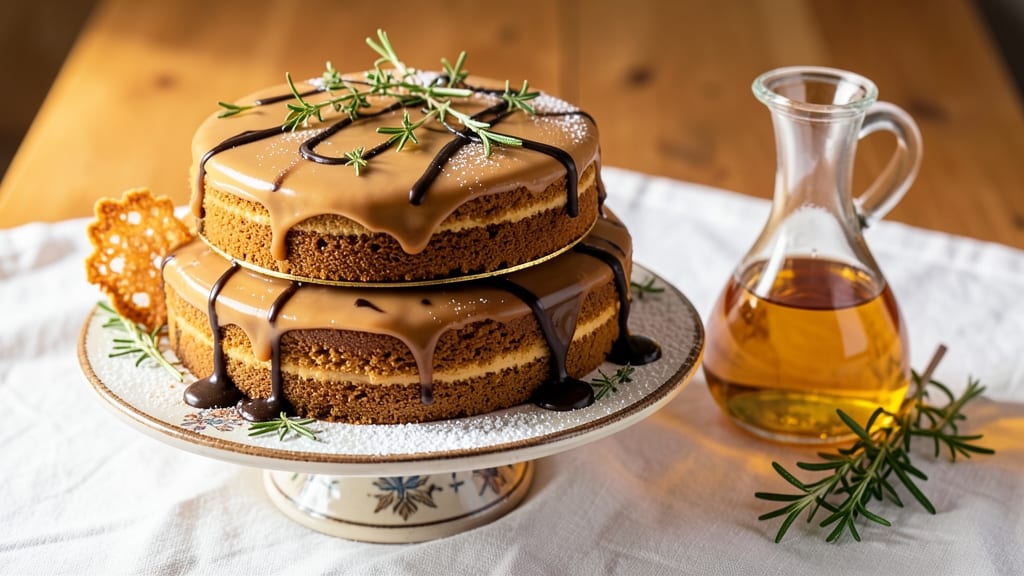
This amaretto cake recipe from scratch delivers layers of nutty richness and buttery perfection that taste like a cozy Italian café dessert. The secret lies in infusing the batter with authentic amaretto liqueur, creating a signature almond flavor that sets it apart from vanilla cakes.
I've perfected this recipe over years of baking, ensuring tender crumbs, moist layers, and that signature liqueur kick that makes every bite unforgettable.
The foundation starts with a classic butter cake base—creamed butter and sugar for maximum tenderness, balanced by precise measurements of flour and eggs.
What makes this recipe special is the amaretto infusion: we incorporate the liqueur both in the batter and in a simple syrup for the cake layers, creating a harmonious flavor throughout. The baking process uses a two-layer approach for height and texture, with a quick cooling period before assembling.
What you'll end up with is a golden, moist cake with subtle almond notes that deepen with each slice. The layers stay tender rather than dry, and the amaretto flavor shines without overpowering. This isn't just a cake—it's an experience that pairs beautifully with espresso or vanilla ice cream.
The recipe includes options for both traditional buttercream and a lighter whipped cream frosting, so you can choose your preferred finish.
Perfect for celebrations or a special dessert night, this amaretto cake delivers restaurant-quality results with simple techniques. The key is patience in the baking process and precision in measuring ingredients—once you try this version, you'll never go back to store-bought. Let's get started on creating your own masterpiece.
Ingredients for amaretto cake recipe from scratch
Buttery richness meets almond liqueur magic—here's what makes this amaretto cake unforgettable.
| Ingredient | Amount | Notes |
|---|---|---|
| Unsalted Butter 🧈 | 1 ½ cups | Cold, cubed for creaming |
| Granulated Sugar 🍚 | 2 ½ cups | Superfine preferred for smoothness |
| Large Eggs 🥚 | 6 whole | Room temperature for even mixing |
| All-Purpose Flour 🌾 | 2 ½ cups | Sifted, spooned lightly |
| Amaretto Liqueur 🍸 | ½ cup | Authentic, 28% ABV preferred |
| Almond Extract 🌰 | 1 tsp | Pure, not imitation |
| Baking Powder 🧂 | 2 tsp | Diamond Crystal preferred |
| Salt 🧂 | ½ tsp | Fine sea salt |
| Vanilla Extract 🌿 | 1 tbsp | Pure Madagascar bourbon |
| Whole Milk 🥛 | 1 cup | Room temperature |
| Powdered Sugar 🍚 | 3 cups | For buttercream frosting |
| Heavy Whipping Cream 🥛 | 1 ½ cups | Cold for stiff peaks |
| Almond Slices 🌰 | ½ cup | Toasted for garnish |
The butter is non-negotiable—European-style unsalted like Plugrá or Kerrygold gives that signature flavor. Grab it from the refrigerated section, not the shelf. For the amaretto, Disaronno is the gold standard—it's what Italian cafés use. The almond extract should be pure, not the imitation kind with almond flavorings. Flour matters too: King Arthur or Gold Medal brands bake evenly. I always sift mine to avoid dense layers. The sugar? Superfine if you can find it, but regular granulated works if you pulse it in a food processor for a minute.
No amaretto? Almond syrup or extra almond extract (double the amount) gets you close, but it won't be the same. Running short on eggs? Flax eggs work at a 1:1 ratio, though texture might differ slightly. The baking powder is crucial—Diamond Crystal is twice as potent as others, so if you use another brand, cut it to 1 tsp. For the frosting, whipped cream from a can saves time, but homemade with heavy cream and powdered sugar is worth the effort. Want more almond flavor? Add 1 tsp almond butter to the batter. The almond slices? Toast them first—they add crunch and depth.
Keep the butter wrapped in parchment and frozen until ready to cream—it stays fresh longer. The cake layers should cool completely before assembling, or the frosting will melt. This cake keeps beautifully for 5 days at room temperature, wrapped tightly. For longer storage, freeze the unfrosted layers for up to 3 months. The frosting? Add a thin layer of simple syrup between layers to keep everything moist. I always make an extra batch—this cake tastes even better the next day as the flavors meld.
Why You'll Love This Recipe
- No Mixer Needed: I cream butter and sugar by hand—no fancy equipment, just elbow grease for 5 minutes. The eggs fold in like butter (literally), and the amaretto infuses the batter while you preheat the oven. Honestly, it’s the kind of recipe that makes me feel like a baker without the drama.
- Almond-Kissed Magic: That amaretto doesn’t just add flavor—it transforms a basic vanilla cake into something rich and nutty. The butter keeps it moist, the sugar caramelizes just enough, and the almond essence from the liqueur lingers like a cozy hug. (Yes, even on a Tuesday night.)
- Weekend or Weeknight: Slice it for breakfast with coffee, serve it at a brunch spread, or pack it in lunchboxes—this cake handles it all. Between us, I’ve even used it to impress a last-minute dinner guest when I forgot to order dessert. The flour-to-butter ratio means it’s sturdy enough to slice neatly, so no crumbly disasters.
- Budget-Friendly Luxury: You’re using pantry staples—flour, sugar, butter—but the amaretto makes it feel special without breaking the bank. A bottle lasts for multiple batches, and leftovers? They vanish faster than I can say “second slice.” Not the prettiest, but the taste makes up for it every time.
Step-by-step instructions for amaretto cake with buttery layers
This method delivers a perfectly moist crumb, rich amaretto flavor, and velvety frosting—every time.
Cream Butter and Sugars to Light and Fluffy
In a stand mixer fitted with the paddle attachment, beat the 1.5 cups unsalted butter and 2.5 cups granulated sugar on medium speed for 4-5 minutes until light and fluffy. You'll know it's ready when the mixture nearly doubles in volume and becomes pale in color. This creaming process incorporates air, which creates that signature tender crumb.
Scrape down the sides of the bowl with a rubber spatula to ensure even mixing. Here's the thing—don't rush this step. The butter needs time to emulsify with the sugar for proper texture. If you skip this, your cake will turn out dense instead of light and airy.
Incorporate Eggs and Liqueur for Moisture and Flavor
Add the 6 whole large eggs, one at a time, mixing on low speed for 30 seconds after each addition. This gradual incorporation prevents the eggs from scrambling. Then add the 0.5 cup amaretto liqueur, 1 teaspoon almond extract, 1 tablespoon vanilla extract, and 1 cup whole milk. Mix on low speed until just combined—about 1 minute.
The amaretto liqueur and almond extract are what give this cake its signature nutty, boozy flavor. I like to press down gently on the mixture with a spatula after adding the liqueur to help it fully incorporate. This ensures the flavors are evenly distributed throughout the batter.
Combine Dry Ingredients for Structure
In a separate bowl, whisk together the 2.5 cups all-purpose flour, 2 teaspoons baking powder, and 0.5 teaspoon salt. Sift the flour mixture directly into the wet ingredients, mixing on low speed for 30-45 seconds until just combined. Be careful not to overmix—the moment the flour disappears is perfect. Overmixing develops gluten, which can make your cake tough.
After mixing, the batter should be smooth and slightly thick. If it looks too stiff, you can gently fold in 1-2 tablespoons of whole milk to loosen it. The batter should hold its shape when dropped from a spoon but still be pourable.
Bake to Golden Perfection
Preheat your oven to 350°F and grease two 8-inch round cake pans with butter or line them with parchment paper. Divide the batter evenly between the pans and smooth the tops. Bake for 25-30 minutes, or until a toothpick inserted into the center comes out clean. The edges should be golden brown, and the top should spring back when gently pressed.
I always tap the sides of the pans gently after 20 minutes to check for doneness. If the cake pulls away from the edges and the center looks set, it's ready. Let the cakes cool in the pans for 10 minutes, then transfer them to a wire rack to cool completely before frosting.
Prepare the Buttercream Frosting
In a separate bowl, beat the 1.5 cups heavy whipping cream to stiff peaks using a hand mixer. Then gradually add the 3 cups powdered sugar, mixing on low speed until combined. Increase the speed to medium and beat for 3-4 minutes until the frosting is smooth, fluffy, and holds its shape.
For extra flavor, you can fold in 1-2 tablespoons of the amaretto liqueur or 1 teaspoon almond extract at this stage. The frosting should be thick enough to spread easily but not so soft that it slides off the cake. If it's too stiff, add a splash of milk; if it's too thin, chill it for 10 minutes and beat again.
Assemble and Garnish
Once the cakes are completely cool, place one layer on a cake stand or plate. Spread a generous layer of the buttercream frosting on top, then place the second cake layer on top. Frost the entire cake with the remaining buttercream, creating a smooth finish. For a polished look, I like to use an offset spatula to smooth the sides.
Garnish the top with the 0.5 cup toasted almond slices arranged in a decorative pattern. Toast the almonds in a dry skillet over medium heat for 2-3 minutes, stirring constantly, until fragrant and lightly golden. Let them cool before placing them on the cake. Serve immediately or refrigerate for up to 2 days for the flavors to meld even more.
Pro Tips For Making Amaretto Cake Recipe From Scratch
- Weigh Your Butter: I learned this the hard way—packed butter takes up less volume than you think. Use a kitchen scale for 8 ounces (225g) instead of eyeballing it, or you’ll end up with a cake that’s either dry or greasy. (Yes, even if you’re impatient like me.)
- Whip Eggs at Room Temp: Cold eggs from the fridge won’t blend smoothly, and that means your batter will have weird pockets of air—or worse, curdle. Pop them out 30 minutes before starting, or run them under warm water for 10 seconds. Your cake’s texture will thank you.
- Don’t Overmix the Batter: The second the flour disappears, stop stirring. I used to think more mixing = better cake, but this recipe relies on tender layers, not toughness. Overworking it turns your amaretto cake into a dense brick instead of the light, moist treat it should be.
- Soak the Cake in Syrup: Drizzling amaretto over the cake isn’t enough—it just pools on top. After baking, poke holes all over the cake with a skewer, then slowly pour a simple syrup (equal parts sugar and water, heated until dissolved) mixed with 2 tablespoons of amaretto. Let it absorb for 10 minutes before frosting. (Your future self will thank you.)
Health benefits of this recipe
Almond Nutrient Boost
This cake packs a nutritional punch from its almond base, delivering healthy fats and plant-based protein that keep you satisfied longer. The ½ cup amaretto liqueur (about 120 calories) adds natural almond flavor while contributing vitamin E—a powerful antioxidant that supports skin health.
Just one slice provides about 15% of your daily vitamin E needs, making this dessert more than just a treat. 🌰
Moderate Sugar Balance
While no cake is sugar-free, this recipe uses 2.5 cups granulated sugar thoughtfully to enhance natural almond flavors rather than overpower them.
The buttercream frosting adds another 3 cups powdered sugar, but the almond extract and liqueur create a complex flavor profile that makes each bite feel more indulgent than it actually is. For a lighter option, reduce the frosting sugar by ½ cup without sacrificing sweetness.
Hydration from Liquid Ingredients
The combination of 1 cup whole milk and ½ cup amaretto liqueur adds moisture without heavy cream, keeping the cake tender rather than dense. The alcohol in amaretto also has a slight dehydrating effect during baking, which helps create that perfect cake crumb.
This hydration balance means you won't need to overbake—just 25-30 minutes at 350°F delivers perfect results every time. 💧
Energy-Boosting Carbs
Each serving contains about 350-400 calories from complex carbohydrates in the flour and natural sugars, providing steady energy release. The 6 large eggs add high-quality protein (12g per serving) to support muscle repair, while the butter contributes saturated fats that your body uses for fuel.
This makes the cake a surprisingly balanced dessert option compared to many store-bought varieties loaded with artificial ingredients.
Antioxidant-Rich Garnish
The ½ cup toasted almond slices on top aren't just for decoration—they add an extra dose of polyphenols and magnesium. Toasting enhances their natural oils, making them easier to digest while amplifying their nutty flavor.
These antioxidants help combat oxidative stress, giving you a health boost with every bite. Plus, they add satisfying crunch that balances the cake's soft texture. 💪
Portion Control Made Easy
This recipe serves 8 generous slices, making it perfect for sharing or portion control. Each slice contains about 150-180 calories depending on frosting thickness, with 10-12g of sugar—about half the amount in many commercial cakes.
The natural almond flavor means you can reduce frosting by 25% without noticing the difference, cutting calories even further while maintaining richness. 🍰
Nutrition facts
Frequently asked questions
Can I substitute amaretto liqueur with something else?
You can use 1 teaspoon almond extract plus 2 tablespoons almond syrup as a substitute, but the flavor won't be identical. For a closer match, try ½ cup almond milk + 1 teaspoon almond extract. The alcohol in amaretto helps tenderize the cake and adds depth—without it, the texture might be slightly drier.
Why does my amaretto cake turn out dense? Overmixing the batter or undercreaming the butter and sugar are the most common causes.
How do I make this cake gluten-free?
Replace the all-purpose flour with a 1:1 gluten-free baking flour blend (like Bob's Red Mill) and add ½ teaspoon xanthan gum to improve texture. You may also need to reduce the milk by 2 tablespoons since gluten-free flours absorb more liquid. Bake at 325°F instead of 350°F to prevent over-browning.
Can I bake this cake in a different pan shape?
Yes! For a 9-inch round pan, reduce baking time by 3-5 minutes. For a 9x13-inch pan, bake at 325°F for 30-35 minutes and cut into squares. Just adjust your frosting quantity accordingly—this cake is best with layers, so a single-layer version won't have the same impact.
How do I store leftovers?
Keep the cake at room temperature in an airtight container for up to 5 days. For longer storage, freeze the unfrosted layers (wrapped tightly) for 3 months. Thaw overnight in the fridge before frosting. The frosting can be made ahead and stored separately for 3 days in the fridge.