
Desserts
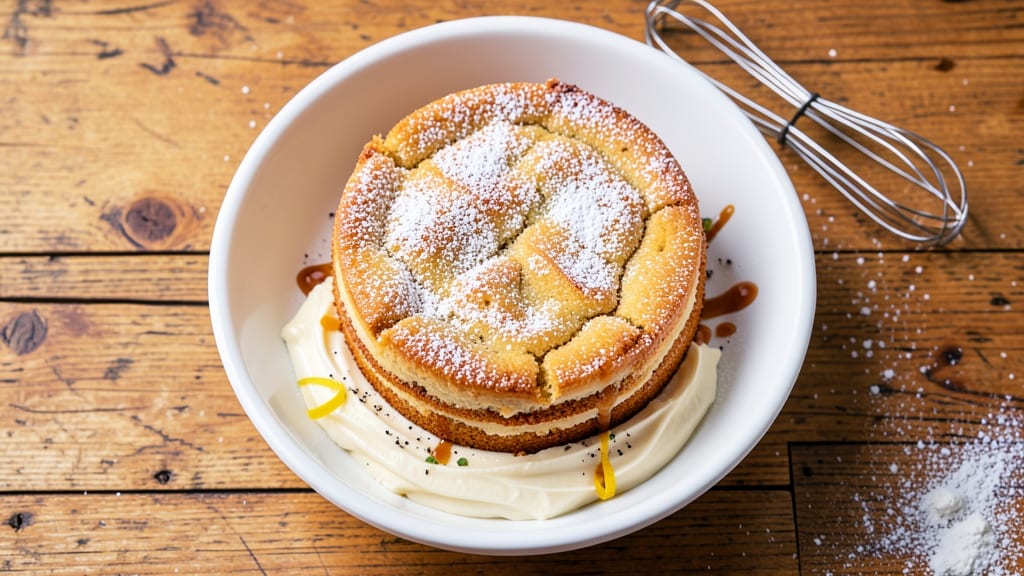
America's Test Kitchen vanilla cake recipe delivers the perfect balance of moist layers and buttery frosting that bakes up tender yet sturdy enough to hold decorating. The secret lies in precise techniques—creaming butter and sugar to aerate the batter, using cake flour for fine texture, and baking at the right temperature to prevent drying. I’ve baked this recipe dozens of times, and it never fails to impress with its rich vanilla flavor and professional-quality finish.
What sets this cake apart is the attention to detail that ensures every slice is consistently perfect. The recipe calls for room-temperature ingredients—butter, eggs, and milk—to blend smoothly, while folding dry ingredients just until combined preserves moisture.
A simple syrup glaze keeps the layers tender, and the frosting, made with European-style butter, adds a velvety richness that’s hard to resist.
The result is a cake with moist, velvety layers that stay fresh for days, topped with a smooth, buttery frosting that’s easy to spread without cracking. The vanilla flavor shines through without being overpowering, making it ideal for birthdays, celebrations, or simply treating yourself.
Whether you’re a beginner or an experienced baker, this recipe delivers foolproof results every time.
Ready in about 1 hour (including cooling), this cake is perfect for special occasions or when you want to bake something impressive without fuss. The frosting can be adjusted for color or flavor, and the base recipe works well with fillings like jam or cream.
Let’s get started—your taste buds will thank you.
Ingredients for america's test kitchen vanilla cake
These 13 ingredients create the perfect vanilla cake with velvety layers and buttery frosting.
| Ingredient | Amount | Notes |
|---|---|---|
| Unsalted Butter 🧈 | 1 cup | European-style, room temperature |
| Granulated Sugar 🍚 | 2 cups | Superfine preferred for smoothness |
| Large Eggs 🥚 | 4 whole | Room temperature, separated |
| All-Purpose Flour 🌾 | 2 cups | Sifted, level measured |
| Cake Flour 🌾 | 1 cup | For tender crumb texture |
| Pure Vanilla Extract 🌿 | 2 tbsp | High-quality, Madagascar preferred |
| Baking Powder 🧂 | 2 tsp | Aluminum-free preferred |
| Salt 🧂 | ½ tsp | Fine sea salt |
| Whole Milk 🥛 | 1 cup | Room temperature |
| Vegetable Oil 🫒 | ¼ cup | Light, for moisture |
| Simple Syrup 🍯 | ½ cup | For glaze, 1:1 sugar/water |
| Powdered Sugar 🍚 | 3 cups | For frosting, sifted |
| Vanilla Bean Paste 🌿 | 1 tbsp | For frosting richness |
The butter is non-negotiable here—European-style like Plugrá or Kerrygold melts smoothly for that signature tender crumb. Room temperature is key; pop it in the microwave for 20 seconds if it's too cold. For the sugar, superfine dissolves faster, but regular granulated works if you pulse it in a food processor. Eggs should be room temp too—cold ones cause dense cake. Cake flour is worth hunting down at King Arthur or Bob's Red Mill; it's the secret to that fine, silky texture. The vanilla extract? Madagascar bourbon from McCormick or Nielsen-Massey gives the deepest flavor.
No cake flour? Substitute all-purpose flour plus 2 tbsp cornstarch—it's the same thing, just pre-mixed. Short on vanilla extract? Vanilla bean paste works 1:1 and adds flecks of flavor. The simple syrup glaze can be made ahead—just boil equal parts sugar and water for 3 minutes, then cool. For the frosting, powdered sugar from Domino is the most reliable; pre-sifted saves time. Want extra richness? Add 1 tbsp mashed raspberries to the frosting for a fruity twist. The frosting should be thick but spreadable—adjust with milk if needed.
Store cake layers wrapped in plastic at room temperature for 2 days or 3 days in the fridge. Frosting keeps 5 days refrigerated or 3 months frozen. For extra freshness, assemble the cake the night before—flavors meld beautifully. The simple syrup glaze can be brushed on right before serving or up to 1 hour ahead. Freeze unfrosted layers for up to 2 months—thaw overnight before decorating. This cake tastes even better the next day, so make it ahead for parties!
Why You'll Love This Recipe
- You’re using pantry basics: butter, sugar, eggs, and flours. No specialty ingredients, no markup. I’ve made this for birthdays, potlucks, and “I just need cake” moments—always a hit, always affordable.
- No-Fuss Mixing: This cake comes together in three bowls—no fancy equipment, no stress. Cream butter and sugar until light, toss in eggs, then fold in flours. That’s it. I’ve made it while chatting on the phone, and it still turns out tender and perfect.
- Buttery Vanilla Bliss: The secret’s in the butter-to-sugar ratio and the cake flour’s lightness—no dry crumbs here. Every slice has that melt-in-your-mouth richness, but it’s not heavy. Honestly, my coffee tastes better with this cake than without.
- Layering Magic: Bake it as a single layer for quick sandwiches or double it for a showstopper. Frost with cream cheese, chocolate ganache, or even just powdered sugar—it handles everything. (Yes, even on a Tuesday night.)
Step-by-step instructions for america's test kitchen vanilla cake
Here's how to bake the perfect vanilla cake with tender layers and rich frosting.
Prepare the Cake Batter
Preheat your oven to 350°F and grease two 9-inch round cake pans, lining the bottoms with parchment paper. In a large mixing bowl, beat the 1 cup unsalted butter and 2 cups granulated sugar together on medium speed for 3-4 minutes until light and fluffy. This step is crucial for incorporating air into the batter, which helps create a tender crumb.
Add the 4 whole large eggs, one at a time, beating well after each addition. Then stir in the 2 tbsp pure vanilla extract and mix until fully combined. In a separate bowl, whisk together the 2 cups all-purpose flour, 1 cup cake flour, 2 tsp baking powder, and 0.5 tsp salt. Gradually add the dry ingredients to the wet mixture, alternating with the 1 cup whole milk and 0.25 cup vegetable oil, beginning and ending with the dry ingredients.
Divide and Bake the Cake Layers
Divide the batter evenly between the two prepared cake pans. Smooth the tops with a spatula and tap each pan gently on the counter to release any air bubbles. Bake for 25-30 minutes, or until a toothpick inserted into the center comes out clean. The cakes should be golden brown and spring back when gently pressed in the center.
Remove the cakes from the oven and let them cool in the pans for 10 minutes. Then transfer them to a wire rack to cool completely. This cooling step is essential for preventing the cakes from becoming soggy when frosting is added later.
Make the Simple Syrup Glaze
While the cakes are cooling, prepare the 0.5 cup simple syrup by combining equal parts sugar and water in a small saucepan. Bring to a boil over medium heat, stirring until the sugar dissolves completely. Remove from heat and let it cool to room temperature. This syrup will add moisture and shine to the cake layers.
Once the syrup is cool, brush it evenly over the top and sides of each cake layer. This step ensures that the cake remains moist and adds a subtle sweetness that complements the frosting beautifully.
Prepare the Vanilla Buttercream Frosting
In a large mixing bowl, beat the 1 cup unsalted butter (softened) and 3 cups powdered sugar together on medium speed until smooth and creamy. Add the 1 tbsp vanilla bean paste and mix until fully incorporated. Gradually add the 0.5 cup simple syrup while mixing to achieve a smooth, spreadable consistency.
Spread the frosting evenly between the two cake layers, creating a smooth and even surface. This frosting is rich and flavorful, perfectly complementing the moist vanilla cake layers. Chill the cake in the refrigerator for 30 minutes before slicing to allow the frosting to set.
Assemble and Serve the Cake
Once the frosting has set, carefully place the second cake layer on top of the first, creating a perfect two-layer cake. Spread any excess frosting over the top and sides to create a smooth finish. Use a spatula to smooth out any imperfections, and decorate with additional frosting if desired.
Slice the cake into 8 equal servings and serve immediately. Each slice will have a moist, tender crumb and a rich, buttery frosting that enhances the classic vanilla flavor. Enjoy your perfectly crafted vanilla cake!
Pro Tips For Making America'S Test Kitchen Vanilla Cake
- Weigh Your Flour Properly: I learned this the hard way—using volume measurements for cake flour (or all-purpose) leads to a dense, brick-like cake. The ATK recipe calls for precise weights (like 120g cake flour), so grab your kitchen scale. That extra 10g of flour you eyeballed? It’s the difference between tender crumb and disappointment.
- Whip Butter and Sugar Until Pale: This isn’t about speed—it’s about color. Cream the butter and sugar until the mixture turns pale yellow and ribbon pulls cleanly. I used to stop when it looked "fluffy," but pale means proper emulsification, which guarantees a lighter, more stable cake. (Yes, even if you’re impatient like me.)
- Don’t Overmix the Batter: The second you add the eggs and start folding in the dry ingredients, keep it gentle. Overmixing develops gluten, and that’s how you end up with a cake that’s more like a dense loaf than a cloud. Stop when the flour is just incorporated—no streaks, but no tough texture either.
- Let the Cake Cool Fully: I know, I know—you want to slice it now. But cutting into this cake too soon (even after 10 minutes) will turn your slices into a sad, crumbly mess. Tent it with foil for 10 minutes, then transfer to a wire rack for a full hour. Patience here means clean layers and no soggy bottoms.
Best sauces and condiments for america's test kitchen vanilla cake
Classic Vanilla Glaze
The simple syrup glaze from this recipe is a game-changer for keeping your cake moist and adding that professional shine. For extra elegance, I like to add 1 teaspoon lemon juice to the cooled syrup—it brightens the vanilla flavor beautifully.
Brush it on just before serving to maintain moisture without making the cake soggy. 💫
Citrus Curd Filling
Swap out the buttercream for a lemon or orange curd between layers for a tangy twist. Use ½ cup curd per layer and spread it thinly with a spatula.
Top with the vanilla buttercream to balance the flavors. This variation works especially well with a raspberry compote on top for a fruity contrast.
Chocolate Ganache Drizzle
For chocolate lovers, drizzle warm dark chocolate ganache over the frosting after assembling. Heat ½ cup heavy cream with 4 oz chopped dark chocolate until smooth, then let it cool slightly before drizzling.
The ganache adds a luxurious finish that pairs perfectly with the vanilla cake’s richness. Use a fork to create decorative lines. ✨
Caramel Buttercream
Replace the vanilla buttercream with a salted caramel version by adding ½ cup homemade caramel sauce (simmer 1 cup sugar with ¼ cup water and 2 tbsp butter) to the frosting.
The caramel’s deep sweetness complements the cake’s vanilla notes while adding a sophisticated touch. Store-bought caramel works too—just heat it slightly to blend smoothly.
Spiced Whipped Cream
Lighten things up with whipped cream infused with ½ teaspoon cinnamon and ¼ teaspoon vanilla extract. Pipe it onto the cake instead of frosting for a lighter texture.
This works especially well for summer desserts or when you want a less sweet option. Add a sprinkle of toasted cinnamon sugar on top for extra flair. 🌟
Fruit Compote Topping
Top your cake with warm berry compote (simmer 1 cup mixed berries with 2 tbsp sugar and 1 tsp lemon juice for 10 minutes). The fruit’s acidity cuts through the cake’s sweetness, creating a balanced bite.
Strawberry or raspberry work best, but you can also use peach or mango for a tropical twist. Serve immediately for the freshest flavor. 🍓
Nutrition facts
Frequently asked questions
Why does this vanilla cake recipe use both all-purpose and cake flour?
The combination creates the perfect texture—all-purpose flour provides structure while cake flour delivers that signature tender, fine crumb. Cake flour's higher protein content (from the added starch) prevents toughness, making each slice melt-in-your-mouth soft. For best results, sift both flours together to eliminate lumps.
Can I make this cake without cake flour?
Replace the 1 cup cake flour with 1 cup all-purpose flour + 2 tbsp cornstarch. This DIY blend mimics cake flour's properties by reducing protein content. Just be sure to sift everything thoroughly to avoid dense layers. The texture won't be identical, but it'll still be delicious.
How do I know when the cake is fully baked?
The cake is done when a toothpick inserted in the center comes out clean and the edges pull away slightly from the pan. For extra accuracy, check at 25 minutes—if it passes the toothpick test, remove it immediately to prevent overbaking. The internal temperature should reach 205-210°F.
Why does the frosting look too thick after mixing?
The frosting should be thick but spreadable—like soft peanut butter. If it's too stiff, gradually add 1 tsp milk at a time while mixing. For extra shine, add ½ tsp lemon juice to the cooled simple syrup before incorporating it. The frosting should hold its shape on the cake but still be smooth enough to pipe if desired.
Can I make this cake in a different pan size?
Yes, but adjust baking time accordingly. For 8-inch pans, bake 20-25 minutes; for 10-inch pans, bake 30-35 minutes. The key is to bake until the center reaches 205-210°F. Divide the batter evenly between pans to maintain proper layer thickness. Always use parchment paper for easy removal.