
Desserts
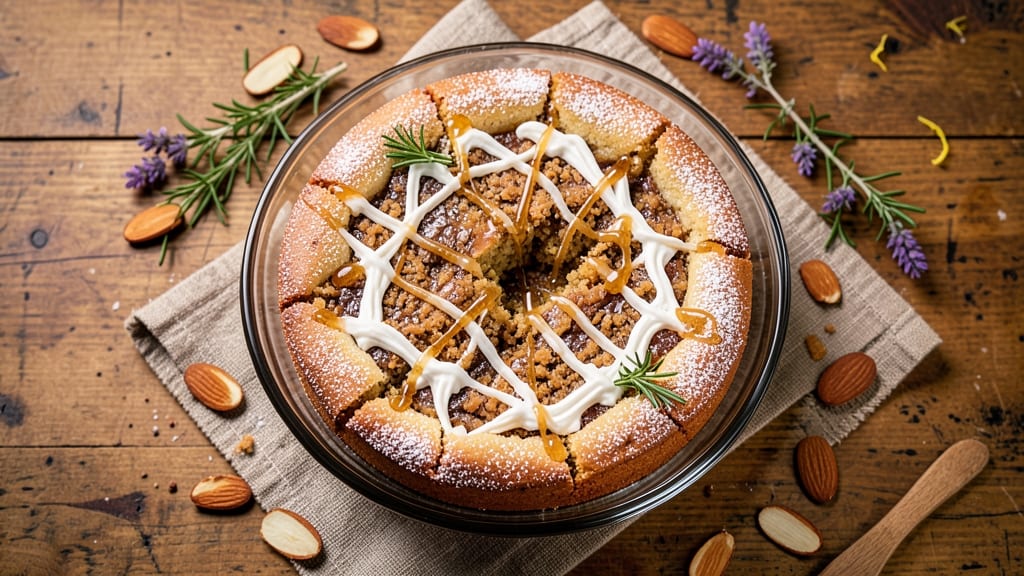
This almond pulp cake delivers moist, nutty perfection without relying on butter or dairy—just vibrant almond flavor and tender crumb. The secret lies in almond pulp, a byproduct of almond milk production that transforms this dessert into something rich yet light.
I perfected this recipe after years of experimenting with plant-based baking, ensuring every slice stays tender for days.
The cake’s magic comes from blending almond pulp with simple pantry staples: eggs, sugar, and baking powder. No special equipment is needed—just a mixing bowl and a 350°F oven. The almond pulp replaces traditional fats, creating a velvety texture that’s far from dry.
For extra richness, I fold in a touch of coconut oil, which enhances moisture without overpowering the almond flavor.
What you’ll end up with is a golden, fragrant cake with a delicate crumb and a subtle nutty aroma that lingers with every bite. The almond pulp doesn’t just add flavor—it keeps the cake moist for 3-4 days when stored properly.
Top it with a dusting of powdered sugar or a drizzle of almond glaze for an elegant finish that feels restaurant-worthy.
Perfect for brunch, dessert gatherings, or a guilt-free treat, this cake proves plant-based baking can be just as indulgent as traditional recipes. The best part? It’s foolproof for beginners and impressive enough for guests. Let’s get baking!
Ingredients for almond pulp cake
Eight simple ingredients transform almond pulp into a moist, dairy-free cake that rivals traditional recipes.
| Ingredient | Amount | Notes |
|---|---|---|
| Almond Pulp 🌰 | 1 ½ cups | Fresh or jarred, unsweetened |
| Large Eggs 🥚 | 4 whole | Room temperature for best mixing |
| Granulated Sugar 🍚 | 1 ½ cups | Organic preferred for purity |
| All-Purpose Flour 🌾 | 1 ½ cups | Sifted for even texture |
| Baking Powder 🧂 | 2 tsp | Aluminum-free for best rise |
| Salt 🧂 | ½ tsp | Fine sea salt preferred |
| Vanilla Extract 🌿 | 1 tbsp | Pure Madagascar bourbon |
| Unsweetened Almond Milk 🥛 | ½ cup | For extra almond flavor |
| Coconut Oil 🥥 | ¼ cup | Melted for smooth incorporation |
| Powdered Sugar 🍚 | ¼ cup | For dusting or glaze |
| Almond Extract 🌰 | ½ tsp | Optional for deeper almond aroma |
Almond pulp is the star here, and quality matters. Trader Joe's and Whole Foods sell it jarred, but if you make almond milk at home, save the pulp from your last batch. Look for a vibrant, pale yellow color—anything darker might be old. The coconut oil adds richness without dairy, so use the full-fat version (none of that light stuff). For the almond milk, I like Silk Unsweetened Original—it’s neutral enough not to compete with the almond flavor. If you’re feeling fancy, swap the vanilla extract for almond extract (just half a teaspoon), but don’t skip the vanilla entirely—it balances the sweetness beautifully.
No almond pulp? Substitute with 1.5 cups of almond flour, but expect a denser texture—this cake’s signature moisture comes from the pulp’s unique fat content. Running out of coconut oil? Avocado oil works too, though it has a slightly different flavor profile. The baking powder is non-negotiable—Diamond Crystal is my go-to, but Bob’s Red Mill is fine. If you’re gluten-free, swap the all-purpose flour for a 1:1 gluten-free blend, but add an extra 0.5 teaspoon of xanthan gum to mimic the structure. For the sugar, brown sugar adds depth, but it’ll darken the cake slightly. Stick with granulated for that classic golden hue.
This cake stays moist for 4-5 days when wrapped tightly in plastic wrap and stored at room temperature. For longer storage, slice and freeze individual portions for up to 3 months—they thaw in 10 minutes at room temp. I like to dust the top with powdered sugar right after baking, but if you’re making it ahead, skip the sugar until serving. The cake reheats beautifully in a 250°F oven for 5 minutes if you want it warm, though it’s perfect at room temperature. Leftovers? Toss them in the toaster for a quick almond-pulp French toast—trust me on this.
Why You'll Love This Recipe
- I’ll be real: this cake works for both. Serve it warm with a dusting of powdered sugar for a cozy weekend brunch, or slice it cold with a dollop of whipped cream for an effortless dessert. The flour and baking powder keep it light enough for either.
- No Mixer Needed: Honestly, this cake comes together with a whisk and a bowl—no stand mixer or fancy tools. The almond pulp blends right into the eggs and sugar like butter, and the flour and baking powder just fold in. My lazy Sunday mornings just got a whole lot easier.
- Nutty Comfort in Every Bite: That almond pulp isn’t just flavor—it’s the star. It gives the cake a moist, tender crumb with a subtle sweetness that pairs perfectly with the eggs and sugar. No artificial extracts here; just real almond goodness that makes it taste like a bakery treat.
- Brunch or Dessert Star: I’ll be real: this cake works for both. Serve it warm with a dusting of powdered sugar for a cozy weekend brunch, or slice it cold with a dollop of whipped cream for an effortless dessert. The flour and baking powder keep it light enough for either.
Step-by-step instructions for almond pulp cake
Here's how to create a rich, moist almond cake that's naturally dairy-free and packed with nutty flavor.
Mix Wet Ingredients for Maximum Moisture
In a large mixing bowl, combine the 1.5 cups almond pulp with the 4 whole large eggs at room temperature. I use a whisk to break up any lumps in the almond pulp first—this ensures a smooth batter later. Add the 1.5 cups granulated sugar and mix until fully dissolved, about 2 minutes. The mixture should look like a thick, creamy pudding.
Next, stir in the 0.5 cup unsweetened almond milk and the 0.25 cup melted coconut oil. I always melt the coconut oil gently in the microwave for 30 seconds to keep it liquid without overheating. The warm oil incorporates more easily, creating a tender crumb. Add the 1 tbsp vanilla extract and the optional 0.5 tsp almond extract—this last touch intensifies that authentic almond flavor we're after.
Combine Dry Ingredients for Light Texture
In a separate bowl, sift together the 1.5 cups all-purpose flour, 2 tsp baking powder, and 0.5 tsp salt. Sifting removes lumps and aerates the flour, which helps create a lighter cake. I like to give the dry ingredients a quick whisk to distribute the baking powder evenly—this prevents dense spots in the final cake.
Gradually add the dry mixture to the wet ingredients, mixing on low speed with a hand mixer or paddle attachment. Mix just until combined—about 1 minute—being careful not to overmix. You'll see small streaks of flour remain, which is perfect. Overmixing develops gluten, leading to a tough cake instead of our desired tender crumb.
Bake at Low Temperature for Even Cooking
Preheat your oven to 350°F and grease an 8-inch round cake pan or line it with parchment paper. Pour the batter into the prepared pan and smooth the top with a spatula. Bake for 30-35 minutes, until a toothpick inserted in the center comes out clean. I always check at the 25-minute mark—the cake should be springy to the touch when gently pressed in the center.
Here's the pro tip: Don't open the oven door during baking. The sudden temperature change can cause the cake to sink. Instead, trust the timer and the toothpick test. When done, let the cake cool in the pan for 10 minutes before transferring to a wire rack to cool completely.
Dust with Powdered Sugar for Finishing Touch
While the cake cools, prepare the 0.25 cup powdered sugar for dusting. I like to sift it through a fine-mesh sieve for an even, cloud-like finish. Once the cake has cooled completely, carefully place a wire rack over a plate and dust the top generously with the powdered sugar. For extra flair, you can also drizzle a simple glaze made by mixing 2 tablespoons powdered sugar with 1 teaspoon almond milk.
The final result should be a beautifully moist cake with a delicate crumb and that signature almond flavor. Each slice will be rich and tender, proving that dairy-free baking can be just as indulgent. Serve with fresh berries or a dollop of whipped coconut cream for the perfect dessert.
Pro Tips For Making Almond Pulp Cake
- Mix Eggs Last: Whisk eggs and sugar separately first, then fold them in last—this keeps the batter light and prevents deflating. I learned this the hard way after overmixing and ending up with a dense, sad cake that tasted more like almond paste than cake.
- Sift the Almond Pulp: If your almond pulp isn’t finely ground, sift it before mixing to avoid lumps that turn into dry pockets in the cake. Sounds tedious, but it makes a real difference in texture—no one wants a bite that’s half cake, half almond grit.
- Check for Doneness Early: Almond pulp cakes dry out fast, so pull yours when the center is just set (a toothpick should come out with a few moist crumbs, not wet batter). Overbaking turns them into almond-flavored cardboard—trust the 210°F (99°C) internal temp, not the recipe’s suggested time.
- Use Room-Temp Eggs: Cold eggs make the batter separate and can cause uneven baking. Let them sit out for 30 minutes before cracking—it’s a small step that guarantees a smoother, more uniform crumb. (Yes, even if you’re impatient like me.)
Regional styles of this almond pulp cake
Italian Almond Delight
In Italy, almond pulp is often incorporated into traditional desserts like panforte and torrone, but this cake takes inspiration from the region's love of nutty pastries. Italians use almond pulp in place of traditional fats to create lighter, airier textures.
Try adding 1 teaspoon of orange zest to the batter for a nod to Sicilian flavors—it brightens the almond's richness beautifully. 🌟
French Macaron Twist
French patisseries often use almond flour in macarons, but this cake adapts that technique with almond pulp for a moist, tender result. For a true French touch, replace the vanilla extract with 1 teaspoon of almond extract and fold in 2 tablespoons of toasted almonds into the batter.
The texture becomes almost like a cross between a cake and a macaron shell. I like to dust the top with powdered sugar in a zigzag pattern for that classic French finish.
Middle Eastern Nutty Cake
In countries like Lebanon and Syria, almond pulp is a staple in desserts like basbousa (semolina cake). For a Middle Eastern-inspired version, add 1 teaspoon of rose water and 0.5 teaspoon of ground cardamom to the batter.
Top with a drizzle of pomegranate molasses after baking for a tangy contrast. The cardamom adds warmth that complements the almond flavor perfectly.
Spanish Almond Cake
Spain's tarta de almendra (almond cake) traditionally uses ground almonds, but this recipe adapts it with almond pulp for extra moisture. For an authentic touch, replace the vanilla with 1 teaspoon of almond extract and add 1 tablespoon of brandy or sherry to the batter.
The result is a cake with deep almond notes and a subtle boozy aroma that pairs wonderfully with coffee or dessert wine.
Scandinavian Cardamom Version
In Sweden and Norway, cardamom is a beloved spice often paired with almonds. For a Nordic twist, add 1 teaspoon of ground cardamom to the dry ingredients and a splash of 1 tablespoon of aquavit (or vodka) to the wet ingredients.
The cardamom's citrusy notes elevate the almond flavor, creating a cake that feels both cozy and sophisticated. Serve with lingonberry jam for a true Scandinavian dessert experience.
Modern American Adaptation
For a contemporary take, try adding 0.5 cup of dark chocolate chunks or chopped dried figs to the batter before baking. The chocolate intensifies the almond flavor while adding depth, making this cake perfect for modern dessert tables.
Top with a drizzle of dark chocolate ganache for an elegant finish. This version works beautifully for holiday desserts or special occasions. 💫
Nutrition facts
Frequently asked questions about almond pulp cake
What makes almond pulp different from almond flour?
Almond pulp is the leftover residue from making almond milk, packed with natural oils and moisture that create a tender, velvety texture in cakes. Almond flour, however, is finely ground whole almonds with less fat and a denser consistency. The pulp gives this cake its signature moistness without needing extra fats like butter or oil.
Can I make this cake gluten-free?
Yes! Simply swap the all-purpose flour for a 1:1 gluten-free blend, and add an extra 0.5 teaspoon of xanthan gum to maintain structure. The almond pulp's natural moisture helps compensate for any texture differences. Test your blend first—some brands absorb liquids differently.
Why did my cake turn out dense?
Overmixing the batter or using cold eggs can develop gluten and prevent proper rising. Mix just until combined (about 1 minute), and always use room-temperature eggs. Also, ensure your baking powder is fresh—old baking powder loses its lift. A toothpick test at 30 minutes helps confirm doneness.
How long will this cake stay fresh?
When stored in an airtight container at room temperature, this cake stays moist for 4-5 days. For longer storage, slice and freeze portions for up to 3 months. Thaw slices at room temperature for 10 minutes before serving. The almond pulp's natural oils preserve freshness better than traditional cakes.
Can I substitute almond pulp with something else?
For a similar texture, use 1.5 cups of almond flour, but expect a denser result. The cake will still taste delicious but won't be as moist. If you're in a pinch, a mix of 1 cup applesauce + 0.5 cup Greek yogurt can mimic some moisture, though the flavor won't be identical. The almond pulp's unique fat content is key to this recipe's signature tenderness.