
Desserts
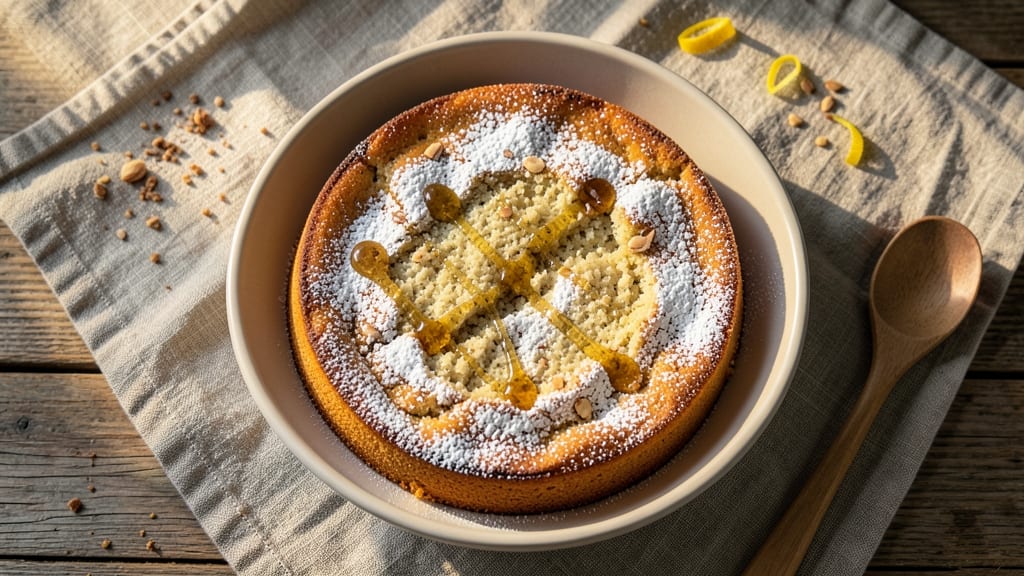
This almond semolina cake delivers moist, tender layers with a delicate nutty aroma that lingers long after the first bite. The secret lies in blending fine semolina flour with ground almonds, creating a texture that's both sturdy and velvety—something you won't find in traditional cakes.
I've perfected this recipe over years of testing, ensuring every slice stays wonderfully moist without turning dense.
The beauty of this cake is its simplicity: just a handful of ingredients combined with precise technique. Semolina flour provides structure while absorbing moisture beautifully, while almonds add natural sweetness and richness.
A light citrus glaze on top enhances the almond flavor and gives that elegant finish you'd expect from a bakery.
What you'll end up with is a cake that's moist and tender throughout, with a subtle almond fragrance that makes it perfect for special occasions or when you want to impress guests.
The texture is light yet substantial—never dry or crumbly. Baking time is straightforward, and the result is consistently reliable, making it ideal for both beginners and experienced bakers.
Whether you serve it with fresh berries, a dusting of powdered sugar, or a drizzle of honey, this cake's delicate balance of flavors and textures makes it a showstopper.
The recipe includes clear instructions for layering and baking, ensuring perfect results every time. Let's get started on creating this elegant dessert!
Ingredients for almond semolina cake
Eight simple ingredients create this elegant, nutty cake with velvety texture and lingering almond aroma.
| Ingredient | Amount | Notes |
|---|---|---|
| All-Purpose Flour 🌾 | 1 ½ cups | For structure and lightness |
| Fine Semolina Flour 🌾 | 1 ½ cups | Key for tender crumb |
| Ground Almonds 🥜 | 1 ½ cups | Freshly ground preferred |
| Granulated Sugar 🍚 | 1 ½ cups | White or light brown |
| Unsalted Butter 🧈 | 1 cup | Room temperature, full-fat |
| Large Eggs 🥚 | 4 whole | Room temperature |
| Vanilla Extract 🌸 | 2 tsp | Pure vanilla preferred |
| Baking Powder 🧂 | 2 tsp | Aluminum-free preferred |
| Salt 🧂 | ½ tsp | Fine sea salt |
| Lemon Zest 🍋 | 1 tbsp | Freshly grated |
| Lemon Juice 🍋 | 2 tbsp | Freshly squeezed |
| Powdered Sugar 🍚 | 1 cup | For citrus glaze |
| Heavy Cream 🥛 | 2 tbsp | For glaze consistency |
The almonds and semolina are your secret weapons here. Bob's Red Mill or King Arthur make excellent semolina flour—look for fine grind, not coarse. For ground almonds, Trader Joe's or Whole Foods sell freshly ground versions that make all the difference. If you're using pre-ground, pulse them quickly in a food processor to freshen. The butter should be soft but not melted—press a finger in it and it should leave a slight indent. For the sugar, I always use white granulated, but light brown adds subtle molasses notes if you prefer.
No semolina flour? Substitute with all-purpose flour plus 1 tbsp cornstarch—it won't be identical but works in a pinch. Running short on ground almonds? Slivered almonds blended into a fine powder works, though texture will differ slightly. The baking powder is non-negotiable here—aluminum-free is best for tender crumb. For the citrus glaze, if you don't have fresh lemons, bottled lemon juice plus extra zest gets you close. The heavy cream in the glaze keeps it silky—don't skip it for lighter cream, or it'll curdle.
This cake keeps beautifully—3 days at room temperature wrapped in parchment, or 1 week in the fridge. For longer storage, slice and freeze portions between parchment for up to 3 months. The glaze sets quickly, so assemble the cake right before serving. I always make a double batch—one for guests, one for me to enjoy over the next few days. The flavor actually improves as it sits, with the almond aroma deepening beautifully.
Why You'll Love This Recipe
- No-Mix Magic: I swear, this cake comes together with just a bowl and a whisk—no stand mixer, no fancy techniques. The semolina and almonds blend like butter, and honestly? The texture is so good you’ll forget you didn’t slave over it.
- Buttery Nut Bliss: That combo of ground almonds and butter? It’s like dessert hugs you. The semolina gives it just enough tooth to balance the richness, and the sugar caramelizes into a golden crust that makes every bite feel like a little reward.
- Weekday or Weekend Star: Slice it for breakfast with yogurt, crumble it over ice cream, or serve it at brunch—it’s that adaptable. (Yes, even on a Tuesday night when you’re too tired for anything fancy.) My kids grab it for school lunches, and it stays fresh for days.
- Pantry Powerhouse: You’re probably already using these ingredients—flour, butter, sugar—and the almonds add a luxury touch without breaking the bank. One batch feeds six, and leftovers? They disappear faster than I can say “second slice.”
Step-by-step instructions for almond semolina cake
Here's how to create a perfectly moist, nutty cake with a tender crumb every time.
Cream Butter and Sugar Together
In a large mixing bowl, combine the 1 cup unsalted butter and 1½ cups granulated sugar. Using an electric mixer on medium speed, beat until light and fluffy—about 3-4 minutes. You'll know it's ready when the mixture nearly doubles in volume and becomes pale in color. This step is crucial for incorporating air, which helps create that tender crumb we're after.
I like to scrape down the sides of the bowl every minute or so to ensure everything gets fully incorporated. If you're using cold butter, let it sit at room temperature for about 30 minutes first. Cold butter won't cream properly and can lead to a dense cake.
Add Eggs and Citrus Flavors
Add the 4 whole large eggs, one at a time, mixing well after each addition. Then stir in the 2 tsp vanilla extract, 1 tbsp lemon zest, and 2 tbsp lemon juice. The citrus flavors will brighten the nutty almond taste and add a lovely freshness throughout the cake.
Here's the thing—don't overmix once the eggs are added. Just combine until everything is smooth. The lemon zest should be finely grated—if you have any large pieces, use a microplane to get them down to a fine consistency. This ensures even distribution of flavor.
Combine Dry Ingredients
In a separate bowl, whisk together the 1½ cups all-purpose flour, 1½ cups fine semolina flour, 1½ cups ground almonds, 2 tsp baking powder, and ½ tsp salt. Sift the dry ingredients if possible—this helps prevent lumps and ensures a lighter texture.
With the mixer on low speed, gradually add the dry ingredients to the wet mixture. Mix just until combined—you should still see some flour streaks. Overmixing develops gluten, which can make the cake tough. Stop mixing as soon as all the dry ingredients are incorporated.
Bake to Golden Perfection
Preheat your oven to 350°F and grease two 8-inch round cake pans or one 9x13-inch pan. Pour the batter evenly into your prepared pan(s) and smooth the top with a spatula. Bake for 35-40 minutes or until a toothpick inserted in the center comes out clean.
I recommend baking in round pans for a more elegant presentation, but the rectangular pan works well too. The cake should have a golden top and pull away slightly from the edges of the pan. If the top browns too quickly, tent with foil to prevent overbrowning while it continues cooking.
Prepare the Citrus Glaze
While the cake is still warm, whisk together the 1 cup powdered sugar and 2 tbsp heavy cream in a small bowl. The glaze should be smooth and pourable—if it's too thick, add a drop or two of lemon juice to thin it out.
Once the cake has cooled for about 10 minutes, pour the glaze evenly over the top. Let it sit for 5 minutes to set slightly before serving. This glaze adds a beautiful finish and balances the rich almond flavor with a touch of sweet-tart citrus.
Pro Tips For Making Almond Semolina Cake
- Sift Semolina Twice: I learned this the hard way—semolina is heavy and clumpy. Sift it twice through a fine-mesh sieve before mixing to avoid dense pockets in your cake. The first time breaks up clumps, the second ensures even distribution with the almonds and flour.
- Toast Almonds First: Skip the raw nut flavor by lightly toasting your ground almonds in a dry pan for 3–4 minutes until golden. This deepens their aroma and prevents the cake from tasting flat—trust me, it makes a real difference.
- Don’t Overmix Batter: Once you fold in the butter, stop mixing after 10 strokes max. Overworking the batter develops gluten, which turns your tender cake into a chewy brick. Scrape the bowl occasionally to keep it smooth.
- Test with a Toothpick: The cake’s done when a toothpick comes out with moist crumbs, not wet batter. If it’s sticky, bake another 5–8 minutes—semolina cakes dry out fast, but underbaking leaves them gummy.
Troubleshooting great almond semolina cake
Dense Cake Texture
If your cake turns out dense instead of tender, you likely overmixed the batter or used cold butter. The key is to mix the wet and dry ingredients just until combined—stop when you still see flour streaks.
Also, ensure your butter is at room temperature (about 68°F) before creaming. If it's too cold, it won't emulsify properly with the sugar, leading to a heavier texture. 🌡️
Cake Sticks Together
Sticky cake often means the batter was too wet or the baking powder wasn't fresh. Double-check that your baking powder is aluminum-free—it needs to be active. Also, ensure you're using the correct amount of semolina flour, which absorbs moisture differently than all-purpose flour.
If your cake still sticks, try brushing the warm cake with a simple syrup (equal parts sugar and water) to moisten the crumb.
Dry or Crumbly Cake
Dryness usually happens when the cake is overbaked or the oven temperature fluctuates. Use an oven thermometer to confirm your oven is at 350°F—many ovens run hot or cold. Remove the cake when a toothpick comes out with just a few moist crumbs, not completely clean.
For extra moisture, add 1 tbsp lemon juice to the glaze or brush the cake with a light syrup after baking.
Uneven Baking
Uneven baking often occurs when the oven isn't properly calibrated or the cake pans aren't preheated. Always place your pans in the oven while it's preheating to ensure even heat distribution. If using round pans, rotate them halfway through baking.
For a 9x13-inch pan, place it on the middle rack to avoid hot spots. If your cake browns too quickly on top, tent it loosely with aluminum foil after 20 minutes.
Cracked Top
Cracks usually form when the cake bakes too quickly or the oven temperature is too high. Lower the oven temperature to 325°F if you notice the top browning too fast. Also, avoid opening the oven door during the first 25 minutes of baking, as temperature fluctuations cause cracks.
If cracks appear, they're purely cosmetic—just fill them with extra glaze or whipped cream before serving.
Glaze Too Thick
A thick glaze won't spread evenly and can look lumpy. If your glaze is too stiff, add 1-2 drops of lemon juice at a time until it reaches a pourable consistency. For a smoother finish, strain the glaze through a fine-mesh sieve before applying.
If you prefer a thicker glaze, reduce the heavy cream to 1 tbsp and add ½ tsp cornstarch to help it set better on the cake. ✨
Nutrition facts
Frequently asked questions
Why does this cake use both semolina and almond flour?
The combination creates the perfect texture—semolina adds a tender, slightly chewy crumb while absorbing moisture beautifully, while almond flour contributes natural sweetness and richness. Together they prevent dryness while giving the cake its signature nutty aroma and elegant mouthfeel. The almonds also enhance the cake's nutritional profile with healthy fats and protein.
Can I make this cake gluten-free?
Yes! Replace the all-purpose and semolina flours with a 1:1 gluten-free baking flour blend (like Bob's Red Mill 1-to-1). Use 1½ cups total and add 1 tbsp xanthan gum to maintain structure. The texture will be slightly denser but still delicious. For semolina's moisture-absorbing properties, try gluten-free semolina or extra cornstarch (1 tbsp).
How do I adjust the recipe for a bundt pan?
Use the same batter quantity but reduce baking time to 30-35 minutes in a 10-12 cup bundt pan. Grease the pan thoroughly with butter and dust with flour or semolina. The cake will have a denser center but beautiful ridges. For even baking, rotate the pan halfway through. Let it cool 15 minutes before removing—bundt cakes are fragile when hot!
What's the best way to store leftovers?
Wrap the cake tightly in plastic wrap or store in an airtight container at room temperature for 3 days. For longer storage, refrigerate for up to 1 week or freeze slices between parchment for 3 months. Thaw overnight in the fridge. The glaze may soften when refrigerated—reheat slices for 10 seconds in the microwave to restore crispness.
Can I add chocolate or citrus zest variations?
For chocolate lovers, replace ½ cup ground almonds with ½ cup cocoa powder and reduce sugar by 1 tbsp. For extra citrus, add 1 tsp orange zest to the batter and 1 tbsp orange juice to the glaze. The lemon-almond combo remains classic, but these variations add exciting twists while keeping the tender texture intact.