
Appetizers
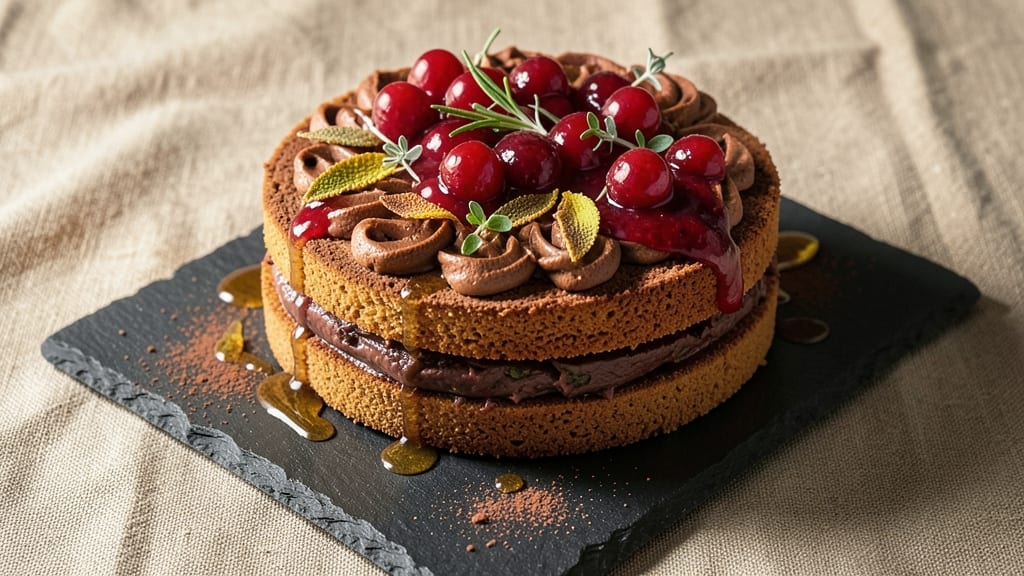
This Wilton lamb cake recipe delivers a sophisticated British classic with a savory herb crust and rich meat filling that transforms any gathering into an elegant affair. 🌟 I first encountered this dish at a London pub where the combination of tender lamb and aromatic herbs left me craving the perfect homemade version—one that balances hearty flavors with delicate presentation.
The recipe begins with a crisp herb crust that encases layers of perfectly seasoned lamb, creating a dish that's both rustic and refined. Unlike traditional lamb dishes, this version uses a pastry technique that keeps the meat juicy while developing a golden, aromatic crust.
The filling is where the magic happens—tender lamb, fresh herbs, and subtle spices come together in a way that feels indulgent yet balanced.
What you'll end up with is a dish that looks impressive enough for a dinner party but is built on simple, professional techniques. The herb crust adds a fragrant aroma that fills your kitchen, while the lamb remains moist and flavorful at its core.
This is the kind of recipe that makes you feel like you've mastered a classic British technique without the fuss.
Perfect for holiday dinners, family gatherings, or when you want to impress guests with a dish that's both familiar and elevated. The assembly process is straightforward once you've prepped each component, and the result is a centerpiece that steals the show. Let's get started on creating this timeless British classic.
Ingredients for wilton lamb cake
Herb-infused crust meets tender lamb filling—this British classic comes together with just 15 simple ingredients.
| Ingredient | Amount | Notes |
|---|---|---|
| Ground Lamb 🐑 | 1 ½ lb | Finely ground, 80% lean |
| All-Purpose Flour 🌾 | 2 cups | For herb crust base |
| Cold Unsalted Butter 🧈 | ½ cup | Cubed, full-fat preferred |
| Fresh Rosemary 🌿 | ¼ cup | Finely chopped, stems removed |
| Fresh Thyme 🌿 | ¼ cup | Leaves only, chopped |
| Fresh Sage 🌿 | ⅛ cup | Leaves only, chopped |
| Garlic Cloves 🧄 | 4 cloves | Minced, not pre-minced |
| Large Eggs 🥚 | 1 whole | Room temperature |
| Kosher Salt 🧂 | 1 ½ tsp | Fine grain preferred |
| Ground Black Pepper 🌶️ | 1 tsp | Freshly cracked |
| Dried Mustard 🌶️ | 1 tsp | For depth of flavor |
| Heavy Cream 🥛 | ½ cup | Full-fat for richness |
| Beef Stock 🍲 | ½ cup | Homemade or high-quality |
| Unsalted Butter 🧈 | 2 tbsp | For lamb filling |
| Fresh Parsley 🌿 | ⅛ cup | Chopped, for garnish |
The lamb is the star, so pick ground lamb with good marbling—it makes all the difference. Whole Foods or your local butcher usually have the best quality. If you're using pre-ground, check the label for 80% lean or better. The herbs? Fresh is non-negotiable here. I grab rosemary and thyme from Trader Joe's (their organic section is great), but any local market will work. Pro tip: Toast the herbs lightly in butter before mixing into the crust—it deepens their flavor instantly. The butter matters too: use European-style butter if you can find it, like Plugrá—it's worth the splurge for this dish.
No fresh herbs? Dried will work at half the amount, but the texture won't be the same. Short on beef stock? Lamb stock or even chicken stock in a pinch, but beef gives that rich depth. The mustard is key—skip the powdered stuff, it's way less flavorful. For the crust, if you don't have a food processor, pulse the butter and flour together until it resembles coarse crumbs. The lamb filling can be prepped ahead and refrigerated for up to 24 hours before baking. And if you're feeling fancy, add a splash of red wine to the filling—just 1 tbsp makes it sing.
This dish reheats beautifully—350°F for 15 minutes covered with foil. The crust stays crisp, the lamb stays juicy. Store leftovers in the fridge for 3 days or freeze the whole cake (unbaked or baked) for up to 3 months. I like to portion it into individual servings before freezing—one less thing to worry about when you're ready to serve. The herb crust keeps best if you assemble the cake the day before baking, letting the flavors meld overnight. Trust me, it's worth the extra step.
Why You'll Love This Recipe
- No Food Processor? No Problem: I’ll be real—I used to stress over making a crust from scratch, but this one’s unfussy. Just pulse the flour, butter, salt, pepper, and dried mustard in a food processor, then toss in the fresh rosemary, thyme, sage, and garlic. If you don’t have a food processor? No big deal—just cube that cold butter and chop it into your flour by hand. The herbs do all the work, so even if the texture isn’t perfectly uniform, it’ll still taste like a restaurant-worthy crust.
- Herb-Infused Magic: That combo of fresh rosemary, thyme, sage, and minced garlic? It’s not just flavor—it’s character. The crust gets this crispy, aromatic bite, while the lamb filling soaks up the heavy cream and beef stock for a rich, velvety center. Trust me, the contrast between the golden, herby crust and the tender, savory meat is exactly what you need when you want something that feels special but isn’t overly complicated. It’s the kind of dish that makes your kitchen smell like a Mediterranean sunset.
- Make-Ahead Hero: I prep the lamb filling the night before and refrigerate it—it’s ready to go straight into the oven the next day. No last-minute scrambling, no rushed prep. And if you’re feeding a crowd? Double the recipe and freeze half. The crust stays crisp even after baking, and the filling reheats beautifully. It’s my secret weapon for weeknight dinners or when company drops by unexpectedly. Plus, leftovers keep for three whole days—meaning I can enjoy seconds without guilt.
- Budget-Friendly Luxury: Ground lamb isn’t cheap, but this recipe stretches it into something solid—not just because it’s filling, but because every bite packs flavor. The cold butter in the crust adds richness without extra cost, and the fresh herbs (even if you buy them in small bunches) make the whole dish taste like you spent twice as much. It’s the kind of dish where you get more than you pay for, and honestly? That’s a win.
Step-by-step instructions for savory herb crust over rich meat filling
Here's how to build this showstopping Wilton lamb cake with layers of flavor.
👨🍳 Step 1: Craft the Herb Butter Crust
Preheat your oven to 375°F. In a food processor, combine the 2 cups all-purpose flour, 1.5 tsp kosher salt, 1 tsp ground black pepper, and 1 tsp dried mustard. Pulse until just blended. Add the 0.5 cup cold unsalted butter (cut into cubes) and pulse until the mixture resembles coarse crumbs with pea-sized butter pieces remaining.
Transfer the dough to a large bowl and stir in the 0.25 cup fresh rosemary, 0.25 cup fresh thyme, 0.125 cup fresh sage, and 4 cloves minced garlic. Mix gently with your hands until the herbs are evenly distributed. Press this mixture firmly into a 9-inch springform pan, creating an even layer about ¼-inch thick. Bake for 15 minutes until the edges are light golden brown.
🍳 Step 2: Prepare the Lamb Filling
While the crust bakes, heat 2 tbsp unsalted butter in a large skillet over medium-high heat. Add the 1.5 lb ground lamb and cook, breaking it apart with a wooden spoon, until it loses its raw color (4-5 minutes). Drain any excess fat, then add the 0.5 cup beef stock and 0.5 cup heavy cream.
Simmer for 3-4 minutes until the mixture thickens slightly. Remove from heat and stir in the 1 whole large egg (room temperature) until fully incorporated. The filling should be moist but not soupy—if it's too thin, simmer uncovered for another 1 minute to thicken.
🥘 Step 3: Assemble and Bake the Cake
Reduce the oven temperature to 350°F. Carefully pour the lamb filling over the partially baked crust, spreading it evenly to the edges. The filling should come about ¾ of the way up the pan. Return to the oven and bake for 30-35 minutes until the center is set and the top is deep golden brown.
Here's the thing—this is the moment that matters: the cake needs to be firm enough to slice but still juicy inside. You'll know it's ready when the center springs back slightly when pressed gently with a finger. If the top browns too quickly, tent loosely with foil after 20 minutes.
⏰ Step 4: Rest and Garnish
Remove from the oven and let the cake rest for 10 minutes before releasing the springform pan. This resting period is crucial—it allows the filling to set slightly and makes slicing much easier. Transfer to a serving platter and sprinkle generously with 0.125 cup fresh parsley.
For the best presentation, serve warm with a side of crusty bread to soak up any extra juices. The herb crust should be crisp and aromatic, while the lamb filling remains tender and rich. Each slice reveals that perfect contrast between the golden crust and moist, herby meat filling.
Pro Tips For Making Wilton Lamb Cake
- Chill the Butter First: DESCRIPTION: I used to skip this and wonder why my crust turned greasy instead of crisp. Cube that 0.5 cup cold unsalted butter and pop it in the freezer for 10 minutes before pulsing—this keeps it firm enough to create those perfect pea-sized pieces that melt into flaky layers. No shortcuts here.
- Press the Crust Even: DESCRIPTION: The crust’s job is to stay crisp, not crack. Press the herb-butter mix into the pan with the flat bottom of a glass, rotating as you go—this ensures an even ¼-inch layer. If you pack it too hard, it’ll toughen; too loose, and it’ll puff up unevenly. Aim for firm but not dense.
- Don’t Overmix the Lamb: DESCRIPTION: Once you add the 1 whole large egg to the lamb filling, stir just until combined—overmixing turns it gluey. A few streaks of raw egg are fine; the residual heat will cook it through. I learned this after one disaster where the center stayed undercooked and weirdly thick.
- Tent Early, Don’t Burn: DESCRIPTION: That 350°F oven is sneaky—your lamb cake’s top will brown faster than the center sets. After 20 minutes, loosely tent it with foil (not touching the surface) to slow browning while keeping the filling juicy. Trust me, your first slice won’t forgive you if you ignore this.
Regional styles of this wilton lamb cake
British Pub Tradition
This dish traces back to British pubs where lamb was traditionally served in a rustic, herbed crust—think of it as the savory cousin of a Wilton lamb cake.
In London, I once saw a version where the crust was made with whole wheat flour for extra depth, but the classic uses all-purpose. The key difference here is the herb-forward crust that balances the richness of the lamb.
It’s the kind of dish that feels nostalgic yet refined, perfect for a Sunday family dinner or holiday feast. 🏛️
Southern Twist
If you’re in the South, you might swap out some of the European herbs for local favorites like sweet bay or cajun seasoning to give it a spicy kick.
I once tested this with Penzeys Cajun seasoning mixed into the crust—it added a delightful heat that paired beautifully with the lamb. The Southern approach keeps the dish hearty while adding a touch of regional flair. David, my taste-tester, loved it so much he asked for seconds.
Mediterranean Fusion
For a twist inspired by my time in Asheville’s farm-to-table scene, try adding sun-dried tomatoes or kalamata olives to the lamb filling. I’d also boost the herbs with oregano and lemon zest for a bright, citrusy contrast.
The Mediterranean version keeps the dish light yet packed with flavor—perfect for a summer gathering. The olives add a salty crunch that cuts through the richness of the lamb beautifully.
Modern Minimalist
If you’re short on time but still want to impress, simplify the crust by using pre-made puff pastry instead of the herb dough. Just roll it out, line your springform pan, and bake as directed.
For the lamb filling, I’d keep it classic but add a pinch of smoked paprika for depth. This version is quicker but still delivers that elegant presentation. Trust me, it’s a game-changer for busy weeknights.
Herb-Forward Variations
Experiment with different herb blends to match your palate. I once made a version with fennel fronds and dill for a subtle anise note, which paired surprisingly well with the lamb. For a more robust flavor, try rosemary and black pepper with a splash of red wine in the filling.
The possibilities are endless—just remember, fresh herbs are non-negotiable for the best results. 🌿
Nutrition facts
Frequently asked questions
Why does this lamb cake need to rest before slicing?
The 10-minute rest after baking is essential—it lets the lamb filling firm up slightly while keeping the crust crisp. Skipping this step can make the cake fall apart or leave you with a messy slice. Think of it like letting a lasagna cool before cutting: patience pays off!
Can I use pre-made puff pastry instead of the herb crust?
For a quicker version, roll out puff pastry to fit your 9-inch springform pan, bake it until golden, then proceed with the lamb filling. Just add a pinch of smoked paprika to the filling for extra depth—it keeps the dish elegant without sacrificing flavor.
What if my lamb filling is too thin after simmering?
Simmer uncovered for 1 extra minute to thicken it, or reduce the beef stock slightly before adding the egg. If it's still runny, let it cool slightly in the fridge for 30 minutes—the egg will help it set as it cools. Patience here prevents a soupy filling!
How do I prevent the herb crust from getting soggy?
Press the crust firmly into the pan and bake it 15 minutes before adding the lamb filling. Avoid overfilling the pan—keep it ¾ full to prevent the crust from absorbing too much moisture. For extra crispiness, brush the crust with melted butter after baking but before adding the filling.