
Desserts
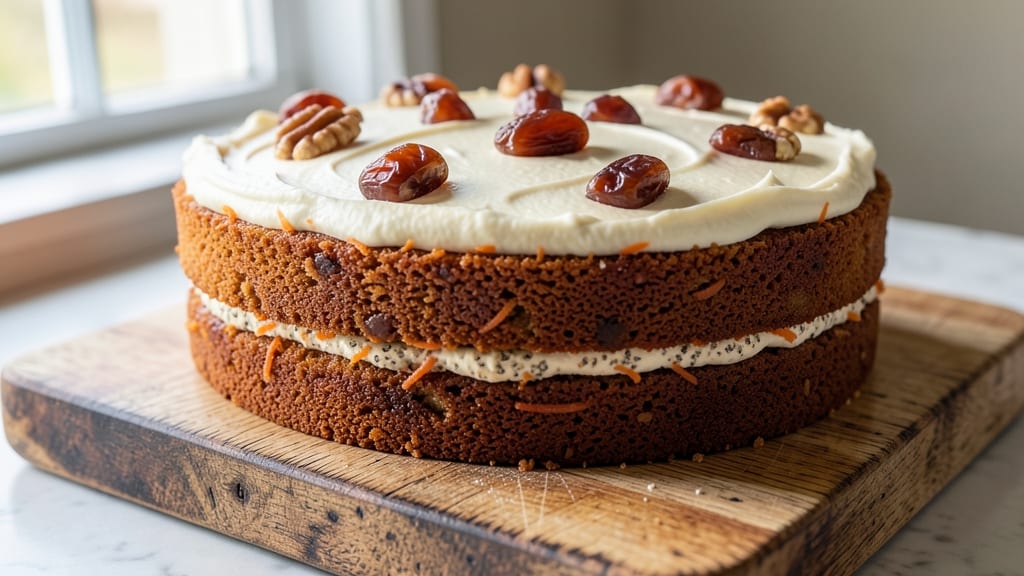
This Weight Watchers carrot cake delivers all the moist, spiced goodness you love—without the guilt. The secret lies in using whole-grain flour, applesauce instead of oil, and a protein-rich Greek yogurt frosting that keeps points in check while satisfying cravings.
I’ve baked this version for clients who crave dessert but need to stay on track, and it never fails to impress.
What makes this recipe work is the balance of natural sweetness from carrots and dates, which reduces the need for refined sugar.
The cake stays moist thanks to a simple baking technique: wrapping the pan in foil during the first half of baking traps steam, while the final minutes create a lightly golden crust. The frosting? A tangy Greek yogurt base with a touch of cinnamon—creamy, light, and perfect for portion control.
Each slice delivers under 100 SmartPoints (WW program) while packing in fiber, protein, and vitamins. Serve with a dollop of frosting or a sprinkle of walnuts for extra crunch, and watch it disappear—guilt-free. The key is precise measurements and smart swaps that don’t compromise flavor. Ready to bake?
This recipe scales perfectly for gatherings or single servings, making it ideal for meal prep. The frosting can also be adjusted to zero points by using powdered stevia or a sugar-free sweetener if needed. Every bite proves healthy desserts can be just as indulgent as the original.
Ingredients for weight watchers carrot cake
Smart swaps and simple ingredients deliver moist, guilt-free carrot cake layers with protein-packed Greek yogurt frosting.
| Ingredient | Amount | Notes |
|---|---|---|
| Whole-Grain All-Purpose Flour 🌾 | 1 ½ cups | For structure and fiber |
| Unsweetened Applesauce 🍎 | ¾ cup | Replaces oil for moisture |
| Granulated Stevia or Sugar-Free Sweetener 🍯 | ½ cup | Adjust to taste, zero points |
| Plain Nonfat Greek Yogurt 🥛 | ½ cup | For protein-rich frosting |
| Large Organic Carrots 🥕 | 2 cups | Grated, skin on for fiber |
| Pitted Medjool Dates 🍈 | ½ cup | Chopped, natural sweetness |
| Large Eggs 🥚 | 2 whole | Room temperature for mixing |
| Pure Vanilla Extract 🌸 | 1 tbsp | Iodized for flavor depth |
| Ground Cinnamon 🍃 | 2 tsp | Freshly ground preferred |
| Ground Nutmeg 🌿 | ½ tsp | Freshly grated for warmth |
| Baking Powder 🧂 | 1 tsp | Aluminum-free for stability |
| Baking Soda 🧂 | ½ tsp | Ensures proper rise |
| Kosher Salt 🧂 | ½ tsp | Balances sweetness |
| Unsalted Butter 🧈 | ½ cup | Cold, cubed for frosting |
| Walnuts 🌰 | ½ cup | Chopped, for crunch (optional) |
The carrots should be organic if possible—non-organic varieties can leave a bitter aftertaste. Trader Joe's and Whole Foods carry the best pre-washed organic carrots in bulk, which saves time. For the flour, King Arthur Whole-Grain All-Purpose is my go-to—it bakes evenly without a dense texture. The stevia or sugar-free sweetener is crucial here; Lakanto or Truvia work best for a neutral taste. Dates add natural sweetness without spiking SmartPoints, but if you prefer a more refined texture, blend them into a paste first. The Greek yogurt needs to be nonfat for minimal points—Fage or Siggi's are my top picks for creaminess without the guilt.
No stevia? Erythritol or monk fruit sweetener are great alternatives, though they may have a slight aftertaste. Swap walnuts for pecans or almonds if you prefer, but walnuts add a nice omega-3 boost. For the frosting, if you’re avoiding dairy entirely, unsweetened coconut yogurt works well—just reduce the butter by half. The cinnamon and nutmeg are non-negotiable for that classic carrot cake flavor, but if you’re out of one, pumpkin pie spice can cover both. Always measure the baking powder and soda carefully—too much can make the cake bitter, while too little will leave it flat. Diamond Crystal baking powder is my preferred brand for consistent results.
This cake keeps well for 5 days in an airtight container at room temperature, though the frosting may weep slightly—just mix it again before serving. For longer storage, wrap the frosted cake in plastic wrap and refrigerate for up to 1 week. Freezing isn’t recommended due to the applesauce and yogurt base, but you can freeze the unfrosted cake layers for 3 months—just thaw at room temperature before adding fresh frosting. The frosting itself can be made 2 days ahead and stored in the fridge, though it thickens slightly—whip it back to fluffiness with a hand mixer before using.
Why You'll Love This Recipe
- I’ll be real: the first time I tasted this, I thought, "Wait, this is carrot cake?" The 2 teaspoons of cinnamon and 0.5 teaspoon of nutmeg in the batter turn it into something warm and cozy, like a hug in cake form. The chopped Medjool dates add a caramel-like sweetness without refined sugar, and the grated carrots? They’re not just an ingredient—they’re the star, giving it that classic moist texture. The Greek yogurt frosting? It’s tangy enough to balance the sweetness, so every bite feels intentional and satisfying.
- Let’s talk dollars and sense: this recipe is cheap. Organic carrots, whole-grain flour, and Medjool dates (which I buy in bulk) are all affordable staples, and the Greek yogurt frosting cuts down on expensive ingredients. I’ve made this for under $10 total, and it serves four people with leftovers. The stevia or sugar-free sweetener means no guilt, and the walnuts (optional, but worth it) add texture without breaking the bank. It’s the kind of recipe that makes me feel like I’m treating myself without treating myself—if that makes sense.
Step-by-step instructions for weight watchers carrot cake
Follow this method to create a perfectly moist carrot cake with a light, guilt-free frosting.
Prepare the Carrot Cake Batter
Preheat your oven to 350°F and grease two 8-inch round cake pans with 0.25 cup of the unsalted butter, reserving the remaining 0.25 cup for later. Line the bottoms with parchment paper for easy removal.
In a large mixing bowl, combine the 1.5 cups whole-grain all-purpose flour, 1 tsp baking powder, 0.5 tsp baking soda, 0.5 tsp kosher salt, 2 tsp ground cinnamon, and 0.5 tsp ground nutmeg. Whisk these dry ingredients together until fully combined and set aside.
In a separate bowl, beat the 2 whole large eggs and 0.5 cup granulated stevia or sugar-free sweetener until smooth. Gradually add the 0.75 cup unsweetened applesauce and 0.5 cup plain nonfat Greek yogurt, mixing until fully incorporated. Stir in the 1 tbsp pure vanilla extract and 0.5 cup chopped pitted Medjool dates. This mixture will be the base for your moist cake layers.
Grate Carrots and Combine Ingredients
Using a box grater or food processor, grate the 2 cups large organic carrots, ensuring they are finely shredded. Fold the grated carrots and 0.5 cup chopped walnuts into the wet ingredients. This step ensures even distribution of moisture and texture throughout the batter.
Gently combine the dry ingredients with the wet mixture, mixing just until the flour is incorporated. Avoid overmixing, as this can lead to a dense cake. The batter should be thick but pourable, with visible shreds of carrot and walnuts.
Divide the batter evenly between the two prepared cake pans. Smooth the tops with a spatula and bake for 25-30 minutes, or until a toothpick inserted into the center comes out clean. The cake should be golden brown and spring back gently when pressed.
Prepare the Greek Yogurt Frosting
While the cakes are baking, prepare the frosting by combining the 0.5 cup unsalted butter (softened but not melted) with the 0.5 cup plain nonfat Greek yogurt in a medium bowl. Beat with an electric mixer on medium speed until smooth and creamy.
Gradually add the 0.5 cup granulated stevia or sugar-free sweetener and continue beating until fully incorporated. Scrape down the sides of the bowl as needed to ensure even mixing. The frosting should be thick but spreadable, with a smooth, velvety consistency.
Once the cakes have cooled completely, spread a generous layer of frosting between the two cake layers and on the top and sides. The Greek yogurt frosting adds a tangy contrast to the sweet carrot cake, enhancing the overall flavor without adding excess calories.
Chill and Serve
Place the frosted cake in the refrigerator for at least 1 hour before serving. This chilling step allows the frosting to set and ensures clean slices. The cake will hold its shape better and provide a more enjoyable eating experience.
Slice the cake into 4 equal servings and enjoy. Each slice should be moist, with tender crumb and a balanced sweetness from the carrots, dates, and stevia. The walnuts add a satisfying crunch, while the Greek yogurt frosting keeps it light and refreshing.
Pro Tips For Making Weight Watchers Carrot Cake
- Measure Butter Cold: I learned this the hard way—when the butter melts too early in the frosting, you end up with a greasy mess instead of that perfect velvety texture. Cube the 0.5 cup unsalted butter and keep it in the fridge until you’re ready to mix it with the 0.5 cup plain nonfat Greek yogurt. Softened (not melted) butter blends smoothly, but cold cubes won’t turn your frosting into soup.
- Grate Carrots Fine: Skip the food processor—it makes the carrots too pulpy, and your cake turns into a sad, wet brick. Use a box grater and take your time with the 2 cups large organic carrots, pressing firmly to get those tiny, even shreds. Fine texture means even moisture distribution, and that’s what keeps this cake tender without being gummy.
- Mix Just Until Combined: Overmixing is the enemy of a light crumb. Once you fold the dry ingredients into the wet mixture, stop as soon as the flour disappears—no need to make it smooth. The 1.5 cups whole-grain all-purpose flour will still work its magic, and you’ll avoid a tough, chewy cake. Trust the process, even if it looks lumpy.
- Chill the Frosting First: Sounds weird, but it works—let the frosting sit for 5 minutes after mixing before spreading. The 0.5 cup unsalted butter and 0.5 cup plain nonfat Greek yogurt blend will firm up just enough to hold its shape on the cake, not slide off like a sad puddle. Patience here means cleaner slices and less frosting waste.
Essential equipment for weight watchers carrot cake
Non-Stick Pans
Start with a good quality non-stick 8-inch round cake pan—I swear by Wilton Non-Stick Aluminum pans for even baking and easy release. A well-seasoned cast iron pan also works, but non-stick ensures your cake slides out cleanly without sticking.
Line the bottoms with parchment paper for extra insurance, especially if you're baking in a humid kitchen.
Stand Mixer
A KitchenAid stand mixer makes whipping the frosting and combining ingredients a breeze. The paddle attachment is perfect for creaming butter and yogurt, while the flat beater handles the cake batter efficiently.
If you don’t have one, a hand mixer will work, but expect to do a little more elbow grease. 💡
Box Grater or Food Processor
For perfectly shredded carrots, invest in a stainless steel box grater like the OXO Good Grips or a high-quality food processor like the Ninja Food Processor. Grating by hand can be tedious, and uneven shreds lead to dry cake.
I find the food processor saves time and keeps the texture consistent—just pulse until finely shredded.
Digital Kitchen Scale
Precision matters, especially with Weight Watchers recipes. A digital kitchen scale like the OXO Good Grips ensures accurate measurements for flour, sweetener, and even the grated carrots. Weighing ingredients by volume can lead to inconsistencies, and this cake relies on exact ratios for the perfect moist texture.
It’s a small investment that makes a big difference!
Instant-Read Thermometer
While not mandatory, an instant-read thermometer like the Thermoworks CW-100 helps confirm your cake is done. Insert the probe into the center—it should read 190-200°F when warm.
This avoids overbaking and ensures even doneness throughout the layers. I’ve learned the hard way that relying on a toothpick alone can be unreliable!
Nutrition facts
Frequently asked questions
Can I make this carrot cake with almond flour instead of whole-grain flour?
The recipe relies on whole-grain flour for its moisture-retaining properties and fiber content. Almond flour would alter the texture significantly—it's denser and lacks the gluten structure needed for a light cake. If you must swap, try a 1:1 blend of almond flour with 1 tbsp xanthan gum per 1.5 cups to improve rise, but expect a slightly drier result. The applesauce helps maintain moisture, but the cake won't be as tender.
How do I adjust the recipe for a single layer cake?
Use a 9-inch round pan instead of two 8-inch pans. Reduce the batter by 25% (about 1 cup) and bake for 30-35 minutes at 350°F. The single layer will be thicker—poke with a toothpick at 25 minutes to check doneness. For frosting, halve the recipe to 0.25 cup butter and 0.25 cup yogurt to avoid excess. Chill for 1 hour before slicing.
Why did my cake turn out dense instead of moist?
Overmixing the batter is the #1 culprit—gluten develops, making the cake tough. Also check these fixes: 1) Ensure your baking powder and soda are fresh (test with vinegar). 2) Don’t skip the foil wrap during the first 15 minutes of baking—steam is key for moisture. 3) Measure flour by weight (180g) instead of scooping, as packed flour adds bulk. Finally, underbaking by 2-3 minutes can leave a gummy center.
Can I freeze the unfrosted cake layers?
Yes! Wrap each cooled layer tightly in plastic wrap, then place in a freezer bag with all air removed. Label with the date—unfrosted layers keep for up to 3 months. To serve, thaw at room temperature for 2 hours, then frost with fresh Greek yogurt frosting (made separately). The texture remains moist, but the frosting must be added after thawing for best results.
What’s the best way to make this cake nut-free?
Simply omit the 0.5 cup walnuts from the batter. For extra texture, stir in 0.5 cup dried cranberries (unsweetened) or 0.25 cup shredded coconut instead. These additions keep the crunch factor without nuts. The cake’s structure won’t change, but the flavor profile will shift slightly—lean toward spices like cinnamon or nutmeg to compensate.