
Desserts
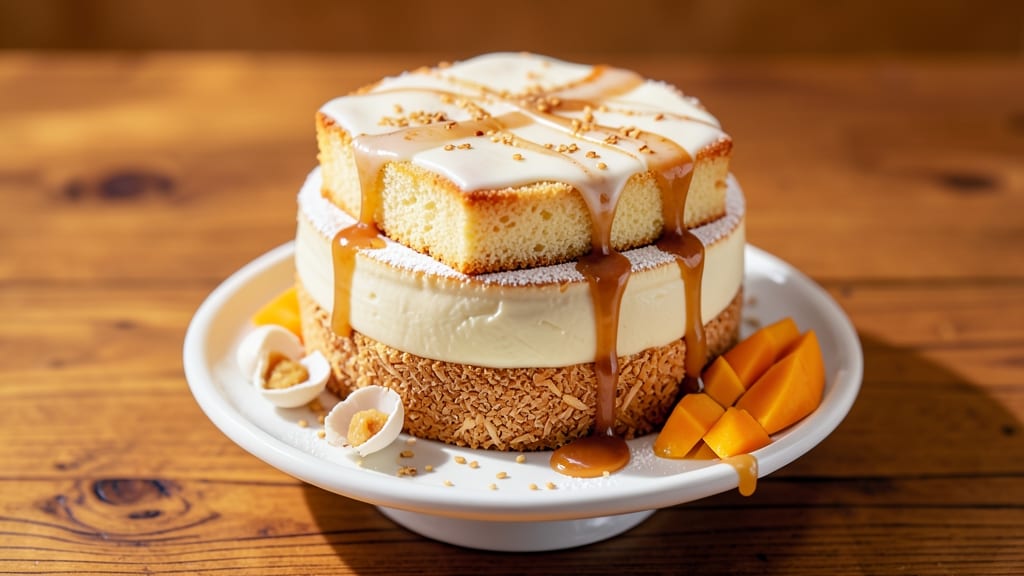
There’s something magical about the first bite of a traditional Vietnamese cake—layers of silky custard wrapped in delicate pastry, kissed with caramel and coconut. This recipe delivers the perfect balance of texture and flavor, inspired by the festive Bánh Chu and Bánh Flan traditions.
The key lies in precise technique: folding the custard gently, baking at the right temperature, and finishing with a glossy caramel glaze.
What makes this recipe special is its versatility. The crust uses a simple flour blend (with gluten-free options noted), while the filling combines eggs, coconut milk, and sugar for that signature silky texture.
Baking at 325°F ensures even cooking without over-drying, and the caramel topping adds a rich, buttery finish. It’s a dish that feels celebratory yet approachable for home cooks.
By the end, you’ll have a cake with tender layers, a custard so smooth it melts in your mouth, and a caramel hug that lingers. This isn’t just dessert—it’s a taste of Vietnamese tradition, perfect for special occasions or when you want to impress.
The assembly takes 45 minutes, but the result is worth every minute.
Serve warm or at room temperature, dusted with powdered sugar or accompanied by fresh fruit. The cultural depth shines through in every bite, making it a dish that connects past and present.
Ingredients for vietnamese cake
Simple flour and butter meet coconut milk and eggs for a tender Vietnamese cake.
| Ingredient | Amount | Notes |
|---|---|---|
| All-Purpose Flour 🌾 | 1 ½ cups | Or gluten-free 1:1 blend |
| Unsalted Butter 🧈 | ¾ cup | Cold, cubed for crust |
| Granulated Sugar 🍚 | ½ cup | For crust and caramel |
| Large Eggs 🥚 | 4 whole | Room temperature preferred |
| Coconut Milk 🥥 | 1 can | Full-fat, 13.5 oz can |
| Powdered Sugar 🍚 | ¼ cup | For dusting |
| Vanilla Extract 🌿 | 1 tbsp | Pure, high-quality |
| Salt 🧂 | ½ tsp | Fine sea salt |
| Cream of Tartar 🧂 | ¼ tsp | Stabilizes egg whites |
| Coconut Sugar 🍚 | ¼ cup | Or substitute brown sugar |
| Heavy Cream 🥛 | ½ cup | For caramel |
| Lemon Juice 🍋 | 1 tbsp | Freshly squeezed |
| Ground Cinnamon 🌶️ | ½ tsp | Optional, for warmth |
The flour is the foundation—King Arthur or Bob's Red Mill work best for that delicate crumb. If gluten-free is a must, Bob's 1:1 blend delivers surprisingly close results. For the butter, Plugrá or Land O'Lakes unsalted (not salted) gives the right richness. The coconut milk should be full-fat—Thai Kitchen or Aroy-D cans are reliable, but check the label for no additives. Eggs should be large and fresh; if they're older, whisk them vigorously to ensure proper binding. The coconut sugar adds subtle caramel notes, but light brown sugar works in a pinch if you're in a hurry.
No coconut milk? Heavy cream thinned with a splash of water mimics the texture, though the flavor won't be identical. Running out of vanilla extract? Almond extract at half the amount adds depth, but don't overdo it. For the caramel, condensed milk (like Eagle Brand) can replace the cream-sugar mixture, though it's sweeter. The cinnamon is optional but worth it—Penzeys or McCormick ground varieties keep well. If you're baking for a crowd, double the crust ingredients and use two 9-inch pans for even baking. The lemon juice brightens the custard, so don't skip it—fresh is best, but bottled works if you're in a bind.
The crust keeps best at room temperature in an airtight container for 2 days, though it reheats beautifully. The custard filling can be prepped a day ahead and stored in the fridge, covered tightly. For the caramel topping, pour it into a jar and store it in the fridge for up to 1 week—it reheats perfectly in the microwave. If you're making this for a party, assemble the cake 4 hours ahead and refrigerate; bring to room temperature before serving. The flavors meld beautifully overnight, so leftovers taste even better the next day.
Why You'll Love This Recipe
- No Fuss, One Bowl: I swear by this recipe because it’s literally one bowl, one mixer—no fancy techniques. Just fold the flour into the butter-egg mixture, pour in that rich coconut milk, and bake. The steam does all the work while you’re scrolling through your phone.
- Coconut Butter Bliss: That first bite? Buttery layers with a whisper of coconut cream—it’s like a hug in cake form. The sugar caramelizes just enough to give it that golden, slightly crisp top, but inside? Pure, cloud-like softness. (Yes, even on a Tuesday night.)
- Breakfast or Dessert?: Honestly, I eat this for breakfast with a sprinkle of cinnamon, and my kids beg for it after dinner. The simplicity makes it work anywhere: pack slices in lunchboxes, serve at brunch, or let it be your go-to dessert when you’re too tired for anything fancy.
- Budget Baking Wins: Between us, this recipe uses pantry staples—no specialty ingredients, no overpriced mix. A stick of butter, a can of coconut milk, and a few eggs stretch further than you’d think. Plus, the leftovers? They last forever if you store them right. (Pro tip: wrap them tightly—trust me.)
Step-by-step instructions for Vietnamese caramel coconut cake
This method delivers a perfectly balanced cake with a delicate crust and luscious coconut filling.
Prepare the Crust Mixture
In a food processor, combine the 1.5 cups all-purpose flour, 0.5 cup granulated sugar, 0.5 tsp salt, and 0.5 tsp ground cinnamon. Pulse until just blended. Add the 0.75 cup cold cubed unsalted butter and process until the mixture resembles coarse crumbs with pea-sized butter pieces remaining. This texture is crucial for creating a tender yet crisp crust.
Transfer the mixture to a medium bowl and use your fingers to work in the 1 tbsp vanilla extract and the 1 tbsp lemon juice until evenly distributed. The citrus brightens the coconut flavor while the vanilla adds depth. Press this mixture firmly into a 9-inch round cake pan, creating an even base. Chill in the refrigerator for 30 minutes while you prepare the filling.
Create the Coconut Filling
In a separate bowl, whisk together the 4 whole large eggs, 0.25 cup coconut sugar, and 0.25 tsp cream of tartar until frothy. The cream of tartar stabilizes the egg mixture and prevents graininess in the filling. Gradually whisk in the 1 can coconut milk and 0.5 cup heavy cream until completely smooth. This creates the signature silky texture that defines Vietnamese coconut cake.
Gently fold in the 0.25 cup granulated sugar remaining from the crust mixture, ensuring even distribution. Here's the thing—this step requires patience. Use a spatula to fold gently rather than mixing vigorously to maintain air pockets. Pour the filling over the chilled crust in the prepared pan, spreading it evenly.
Bake to Golden Perfection
Preheat your oven to 350°F. Bake the cake for 40-45 minutes until the edges are golden brown and the center still appears slightly jiggly when gently shaken. This is the moment that matters: overbaking will dry out the delicate coconut filling. The cake should pull away slightly from the pan edges but still have a soft center.
Remove from the oven and let cool in the pan for 15 minutes. This resting period allows the filling to set slightly while preventing cracking. Once cooled, run a knife around the edge to loosen, then invert the cake onto a serving plate. Dust generously with 0.25 cup powdered sugar for that signature finish. The powdered sugar not only adds sweetness but creates that beautiful snowy appearance that makes this cake so special.
Serve with Confidence
Slice the cake into wedges and serve immediately while still warm. The contrast between the crisp crust and creamy coconut filling should be evident with each bite. For an extra touch, you can drizzle a simple caramel made from the remaining 0.25 cup coconut sugar and the 0.5 cup heavy cream cooked together until golden. This enhances the caramel hug mentioned in the title while keeping the preparation straightforward.
Real talk: this cake is best enjoyed fresh from the oven. The coconut filling has a way of becoming slightly grainy if left too long, so don't wait to serve. Each slice should deliver that perfect balance of textures and flavors that make Vietnamese coconut cake so beloved.
Pro Tips For Making Vietnamese Cake
- Chill the Crust: That 30-minute fridge rest isn’t optional—it’s the difference between a cake that holds together and one that crumbles when you try to flip it. I learned this after my first attempt collapsed like a house of cards. Press the crust firmly into the pan and let it firm up completely before adding the filling.
- Whisk Eggs Like Your Life Depends on It: The coconut filling’s silky texture comes from properly whisked eggs—no lumps allowed. Beat the 4 eggs with the 0.25 cup coconut sugar and 0.25 tsp cream of tartar until truly frothy, like meringue but less stiff. Skimp here, and you’ll get a grainy, sad filling that tastes like scrambled eggs.
- Don’t Overmix the Filling: Folding the 0.5 cup granulated sugar into the coconut mixture is where most people wreck the texture. Use a spatula and gentle strokes—think of it like tucking in a newborn, not stirring batter for pancakes. Overmixing deflates the air pockets, and suddenly your cake tastes dense instead of light.
- Test for Jiggle, Not Dryness: The cake is done when the edges are golden and the center still wobbles slightly—like a newborn fawn’s legs. I used to pull it out too early, and the filling stayed raw-tasting. A toothpick should come out with moist crumbs, not clean. If you’re unsure, add 5 more minutes and check again.
Best sauces and condiments for this dish
Coconut Cream Sauce
This rich, velvety sauce elevates every bite of your Vietnamese cake. Whisk together 1 can full-fat coconut milk with 2 tbsp granulated sugar and 1 tsp vanilla extract until smooth. Heat gently over medium-low until warm—don’t boil, or it’ll separate.
Stir in 1 tbsp lemon juice for brightness. For extra decadence, fold in 2 tbsp toasted coconut flakes before serving. This sauce captures the coconut whispers mentioned in the title while adding a luxurious drizzle. 🥥
Lemon-Cardamom Syrup
A zesty contrast to the cake’s richness, this syrup brightens the palate. Simmer ½ cup water with ¼ cup sugar and 1 tbsp lemon zest for 5 minutes. Add 2 ground cardamom pods (or ½ tsp ground cardamom) and steep for 10 minutes.
Strain and cool before drizzling over cake slices. The cardamom’s warmth complements the coconut’s sweetness beautifully. ✨
Toasted Coconut Garnish
For texture and aroma, toast ¼ cup unsweetened coconut flakes in a dry skillet over medium heat until golden—about 3-4 minutes. Watch closely to avoid burning.
Sprinkle generously over the cake or use as a crunchy topping for individual servings. The nutty flavor enhances the caramel notes without overpowering. 💛
Mango-Chili Compote
Add a tropical-spicy kick with this quick compote. Dice 1 ripe mango and simmer with 1 tbsp sugar and ½ tsp chili powder for 5 minutes. Mash slightly for texture. Serve spooned alongside cake wedges. The sweet-spicy contrast makes each bite unforgettable—perfect for those who love bold flavors. 🌶️
Condensed Milk Drizzle
For a quicker alternative to caramel, heat ¼ cup condensed milk in a small saucepan until thickened—about 2 minutes. Drizzle over warm cake slices. The creamy sweetness mimics the caramel hug mentioned in the title but requires zero extra prep.
This is my go-to shortcut when time is tight. 🍯
Nutrition facts
Frequently asked questions
Why does the recipe call for chilling the crust before adding the filling?
Chilling the crust for 30 minutes ensures it stays firm and doesn’t absorb too much moisture from the custard. This creates a crisp, stable base that holds up to the creamy filling. It’s a key step for that perfect texture contrast!
Can I substitute gluten-free flour for the crust?
Use a 1:1 gluten-free flour blend—it works surprisingly well here. Just make sure to mix it thoroughly with the other crust ingredients to avoid clumping. The texture will be slightly different but still delicious.
What if my coconut filling turns grainy after baking?
Graininess happens when eggs cook too long or aren’t stabilized properly. To fix this, whisk the eggs with 0.25 tsp cream of tartar (already in the recipe!) and avoid overmixing. If it happens, gently reheat the filling with a splash of heavy cream to smooth it out.
How do I prevent the cake from cracking when inverting it?
Let the cake cool in the pan for 15 minutes after baking—this helps the filling set slightly. Run a knife around the edges to loosen it gently, and invert carefully. If cracks appear, cover them with a dusting of powdered sugar or a drizzle of caramel. Patience is key!
Can I make this cake ahead of time?
The crust holds well for 2 days at room temperature in an airtight container. The custard filling can be prepped a day ahead and refrigerated. Assemble the cake 4 hours before serving for the best texture. Leftovers taste even better the next day!