
Main Courses
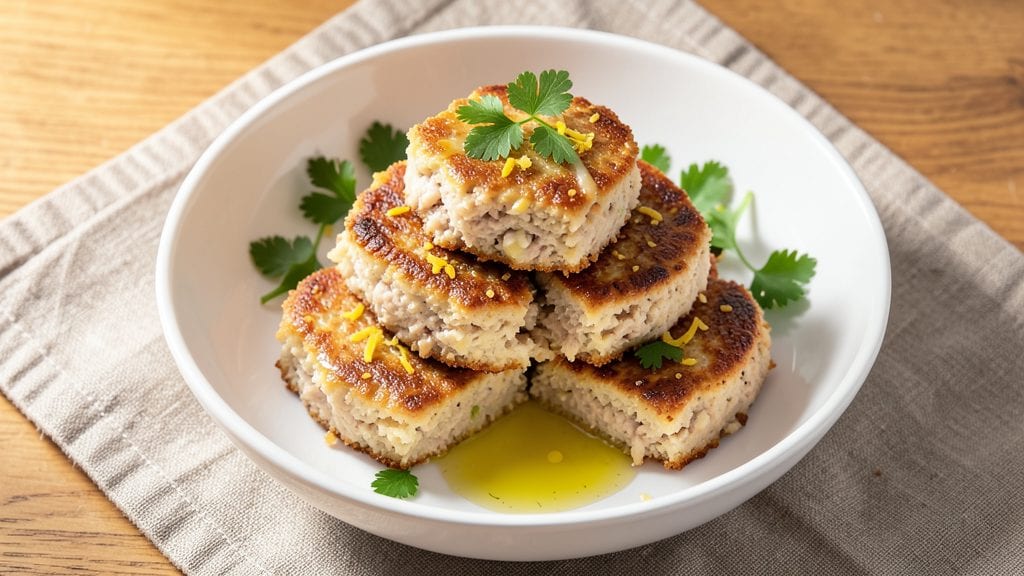
This tuna fish cake recipe delivers crispy, golden bites that balance flaky texture with bright lemon zest and savory depth—exactly what transforms a simple protein into a restaurant-worthy dish.
After years of perfecting the mix of breadcrumbs, egg, and fresh herbs, I’ve developed a method that ensures every bite stays tender inside while achieving that satisfying crunch.
The secret lies in proper pan-frying technique and a squeeze of lemon at the end, which cuts through the richness and elevates the flavor profile.
The beauty of these fish cakes is their versatility—they work as a main course for lunch or dinner, or as an elegant appetizer when served with lemon wedges and tartar sauce.
What makes this recipe stand out is the crispy exterior that forms without frying in oil, using a simple baking powder trick that creates air pockets for extra crunch. The result?
A dish that’s light enough to enjoy with a fresh salad but hearty enough to satisfy when paired with roasted potatoes.
Balancing flavors is key: the tuna’s natural oiliness pairs perfectly with the acidity of lemon, while breadcrumbs and egg bind everything into a cohesive, crispy bite. Whether you’re feeding a crowd or prepping for meal prep, these fish cakes hold together beautifully and reheat without losing their texture.
The recipe scales effortlessly, making it ideal for weeknight dinners or holiday gatherings where you want a dish that feels special but doesn’t require hours of prep.
For those who love customization, variations like adding smoked paprika, fresh dill, or a pinch of cayenne can transform these into a completely different flavor profile—spicy, herby, or slightly smoky. The method remains the same, proving that a few simple ingredients can create a dish that’s both comforting and impressive.
Let’s get started on making these crispy, golden bites that taste like a coastal bistro’s finest offering.
Ingredients for tuna fish cake
Pantry staples meet coastal flavors—just a handful of ingredients for crispy, golden bites.
| Ingredient | Amount | Notes |
|---|---|---|
| Canned Tuna in Water 🐟 | 15 oz | Drained well, flaked by fork |
| Panko Breadcrumbs 🍞 | 1 cup | Light and crispy preferred |
| Large Eggs 🥚 | 1 whole | Room temperature for best binding |
| Fresh Lemon Zest 🍋 | 1 tbsp | Bright yellow, finely grated |
| Lemon Juice 🍋 | 1 tbsp | Freshly squeezed, no pulp |
| Fresh Parsley 🌿 | ¼ cup | Chopped, stems removed |
| Dijon Mustard 🍯 | 1 tsp | Mild or medium heat preferred |
| Baking Powder 🧂 | ½ tsp | For extra crispiness |
| Salt 🧂 | ½ tsp | Kosher or sea salt |
| Ground Black Pepper 🌶️ | ¼ tsp | Freshly ground preferred |
| Extra-Virgin Olive Oil 🫒 | 2 tbsp | For light pan-frying |
| Mayonnaise 🥛 | 1 tbsp | For optional tartar sauce |
| Capers 🌿 | 1 tsp | Chopped, optional garnish |
The tuna quality makes all the difference here. Wild-caught, high-grade tuna from brands like Wild Planet or Starkist Premium flakes beautifully and holds its texture during frying. Avoid the cheapest canned tuna—it’s often mushy and waterlogged. For the breadcrumbs, Panko is non-negotiable; its light, airy texture creates that perfect crispy exterior. If you can’t find it, toast regular breadcrumbs in a dry pan for 2-3 minutes to mimic the effect. The lemon zest should be bright yellow and finely grated—no need to use the whole lemon, just the outer layer. For fresh parsley, Trader Joe’s or Whole Foods often carry the best quality at a reasonable price.
No Dijon mustard? Yellow mustard at half the amount works in a pinch, though the flavor won’t be as refined. Short on lemon juice? Lime juice at the same quantity adds a tangy twist, though the color will differ slightly. For a spicier kick, add ½ tsp smoked paprika or a pinch of cayenne to the mix. The baking powder is key for that extra crunch—don’t skip it. If you’re prepping ahead, mix everything except the olive oil and store the mixture in an airtight container in the fridge for up to 24 hours. The capers in the tartar sauce can be swapped for chopped cornichons or relish if you prefer a different tang.
These fish cakes reheat beautifully—just pop them in a 350°F oven for 8-10 minutes until warmed through. For best results, make them fresh and serve immediately, but they’ll keep in the fridge for 3 days if stored properly in an airtight container. Freeze any leftovers on a parchment-lined tray for 1 hour, then transfer to a bag for up to 1 month. The crispiness holds up surprisingly well when reheated, though they’re best enjoyed fresh. Serve with lemon wedges and tartar sauce for that classic bistro touch—trust me, it’s worth the extra minute.
Why You'll Love This Recipe
- No-Fuss Assembly: I mix everything in a bowl—tuna, egg, panko, lemon zest—then form patties while watching TV. No fancy prep, just dump-and-stir magic.
- Lemon Zing Boost: That fresh lemon juice and zest? Game-changer. It brightens up the tuna so you don’t even miss the mayo, and the patties stay moist without soggy breadcrumbs.
- Freezer-Friendly Hack: Make a double batch, freeze half, and pop them in the fridge overnight for dinner. Thawed patties crisp right up in the pan—no weird texture, just instant meal prep win.
- Budget’s Best Friend: A can of tuna, eggs, and panko? Under $5 for a dish that feeds four. Plus, leftovers reheat like they’re fresh, so no food waste here.
Step-by-step instructions for tuna fish cake recipe
Here's how to create golden, crispy tuna cakes with a perfect balance of texture and flavor.
Prepare the Tuna Mixture
Drain the 15 oz canned tuna in water thoroughly and flake it using a fork, breaking it into small, even pieces. In a large mixing bowl, combine the flaked tuna with the 1 tbsp Dijon mustard, 0.5 tsp salt, 0.25 tsp ground black pepper, 0.25 cup chopped fresh parsley, 1 tbsp fresh lemon zest, and 1 tbsp lemon juice. Mix gently with a rubber spatula, ensuring all ingredients are evenly distributed.
This step is where the flavors come together. The lemon zest and juice brighten the tuna, while the Dijon mustard adds depth. Don’t overmix—just combine until everything is incorporated. The mixture should look moist but not wet, with the tuna pieces evenly distributed throughout.
Bind and Coat for Crispiness
In a separate bowl, beat the 1 whole large egg until lightly frothy. Add the egg to the tuna mixture and stir gently to combine, ensuring the egg coats the tuna evenly. In another bowl, combine the 1 cup panko breadcrumbs with the 0.5 tsp baking powder. The baking powder helps create extra crispiness in the cakes.
Now, fold the breadcrumb mixture into the tuna and egg combination. Use a spatula to gently mix until just combined—you want the panko to cling to the tuna without overworking the mixture. If the mixture feels too dry, add a splash of water (about 1 tablespoon) to help bind it. The texture should be moist but hold together when pressed.
Form and Chill the Cakes
Using a lightly oiled spoon or your hands, form the mixture into 4 equal-sized cakes, each about ½-inch thick. Place them on a parchment-lined plate and smooth the tops lightly with your fingers. This ensures even cooking and a uniform shape.
Refrigerate the cakes for at least 30 minutes—this step is crucial for crispiness. Chilling firms up the mixture, preventing the cakes from falling apart when you pan-fry them. While they chill, heat 2 tablespoons extra-virgin olive oil in a large skillet over medium heat until shimmering but not smoking.
Pan-Fry to Golden Perfection
Carefully slide the chilled tuna cakes into the skillet, leaving space between them. Cook for 3-4 minutes per side until they develop a deep golden-brown crust. The cakes are ready when the edges are crisp and the centers are just set—no longer translucent. Avoid pressing down on them, as this can cause the breadcrumbs to fall off.
Transfer the cooked cakes to a paper towel-lined plate to drain any excess oil. They’ll stay warm and crispy while you finish preparing the optional tartar sauce. For the sauce, mix the 1 tbsp mayonnaise with 1 tsp chopped capers and a pinch of salt and lemon juice if desired. Spoon the sauce over the cakes or serve it on the side for dipping.
Serve Immediately
Serve the tuna cakes warm, garnished with an extra sprinkle of fresh parsley and a few chopped capers for a pop of color and briny contrast. The crispy exterior should give way to a tender, flavorful tuna center with a bright lemon finish. Pair with lemon wedges or a side of greens for a complete meal.
These cakes are best enjoyed fresh, so don’t let them sit too long after frying. If you need to reheat, warm them in a dry skillet over low heat for 1-2 minutes per side to restore crispiness without drying them out.
Pro Tips For Making Tuna Fish Cake
- Prep Panko Right: Toss your 1 cup panko breadcrumbs with the 0.5 tsp baking powder before folding it in—this keeps the crispiness even, not just on the edges. I used to skip this, and my cakes always turned out splotchy. Trust me, that extra 10 seconds makes a real difference.
- Don’t Rush the Chill: The 30-minute fridge rest isn’t optional—it’s what keeps your cakes from crumbling when they hit the pan. I learned this the hard way after frying wet, sad patties that fell apart. Let them firm up, even if you’re itching to eat them sooner.
- Oil Matters More Than You Think: Use 2 tbsp extra-virgin olive oil and get it shimmering (not smoking) before adding the cakes. Too little oil = sticking. Too much = soggy crumbs. Medium heat is key—high heat burns the panko before the inside cooks.
- Flake Tuna Like You Mean It: Break the 15 oz canned tuna into small, even pieces with your fork—no big chunks hiding in there. Uneven flaking means uneven texture in your cakes. I used to be lazy and end up with a mushy bite in every patty. Worth the extra 30 seconds.
Perfect pairings for this recipe
Classic Lemon Tartar Sauce
No fish cake spread is complete without a bright, tangy tartar sauce that balances the richness of the tuna. Mix 1 tbsp mayonnaise with 1 tsp chopped capers, ½ tsp lemon juice, and a pinch of salt.
For extra depth, add ¼ tsp Dijon mustard or a dash of Worcestershire sauce. This sauce should be spooned over the cakes or served alongside for dipping. The acidity cuts through the oiliness of the tuna while the capers add a briny contrast. 🍋
Fresh Green Salad
A simple arugula salad with lemon vinaigrette makes the perfect side. Toss 4 cups baby arugula with 2 tbsp extra-virgin olive oil, 1 tbsp lemon juice, ½ tsp honey, and a pinch of salt.
Top with ¼ cup thinly sliced red onion and 2 tbsp crumbled feta cheese for a Mediterranean-inspired contrast. The peppery greens cleanse the palate between bites of crispy fish cake.
Roasted Potatoes
For a heartier meal, pair your tuna cakes with roasted baby potatoes. Toss 1 lb baby potatoes with 1 tbsp olive oil, ½ tsp smoked paprika, ½ tsp garlic powder, and salt.
Roast at 400°F for 25-30 minutes until golden and crispy. The caramelized edges add a satisfying crunch that complements the cakes’ texture. Serve alongside for a balanced, filling plate. 🔥
Grilled Vegetable Platter
Seasonal vegetables elevate the dish to a lighter, fresher level. Grill 1 bell pepper, 1 zucchini, and ½ red onion in 1 tbsp olive oil and ½ tsp dried oregano until charred. Top with 2 tbsp crumbled goat cheese and a drizzle of balsamic glaze.
The smoky, charred flavors pair beautifully with the bright lemon zest in the cakes. This side keeps the meal light yet satisfying.
Crispy Sides
Add crispy shoestring fries or air-fried Brussels sprouts for extra texture contrast. Toss 1 lb Brussels sprouts in 1 tbsp olive oil, ½ tsp garlic powder, and salt, then air-fry at 400°F for 12-15 minutes until crispy.
The crunchy exterior mirrors the fish cakes, creating a cohesive bite experience. For fries, bake at 425°F for 15-20 minutes until golden and crisp. Both sides add a satisfying crunch. 💫
Nutrition facts
Frequently asked questions
Why do I need to chill the tuna cakes before frying?
Chilling the cakes for at least 30 minutes is crucial—the cold temperature firms up the mixture so it holds together perfectly during frying. Without this step, the cakes might crumble or fall apart when you cook them, ruining that crispy exterior you're aiming for. Think of it like letting dough rest before baking!
Can I use regular breadcrumbs instead of panko?
You can, but panko is the secret to that extra crispy texture. If you don’t have panko, toast regular breadcrumbs in a dry pan for 2-3 minutes to mimic its light, airy quality. The difference is noticeable—panko creates a more delicate crunch that regular breadcrumbs can’t match.
How do I prevent the fish cakes from sticking to the pan?
Start with a hot, lightly oiled skillet—this creates a non-stick barrier. Avoid pressing down on the cakes while cooking, as this can cause them to flatten and stick. If they do stick slightly, use a flexible spatula to gently loosen them. For extra insurance, pat the cakes dry before frying to remove any excess moisture.
Can I make these fish cakes ahead of time?
Mix everything except the olive oil and store the mixture in an airtight container in the fridge for up to 24 hours. Shape and chill the cakes just before frying for best results. They also freeze beautifully—cook them, let them cool, then freeze on a tray before bagging. Reheat in a dry pan for 1-2 minutes per side to restore crispiness.
What’s the best way to reheat leftover fish cakes?
For crispiness, reheat in a dry skillet over low-medium heat for 1-2 minutes per side. Avoid the microwave—it steams the cakes and ruins the texture. If you’re short on time, a 350°F oven for 8-10 minutes works too, but the skillet method is best for that golden crust.