
Desserts
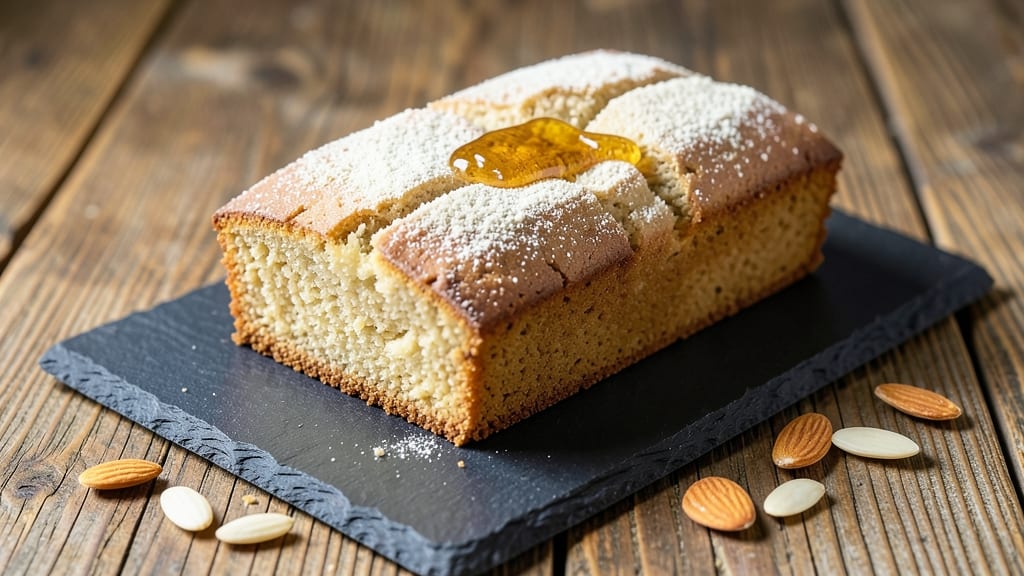
This tastefully simple almond pound cake copycat recipe delivers the same luxurious layers and buttery crispness you'd find in high-end patisseries, but with a method designed for home bakers. The secret lies in precise ingredient ratios and gentle baking—no fancy equipment required.
I've replicated the texture that makes this cake so beloved: tender crumb with just enough almond flavor to satisfy without overpowering.
The beauty of this recipe is its foolproof simplicity—just eight ingredients come together in a single bowl before baking. What sets it apart is the technique: folding almond flour into the batter at the last moment preserves its nutty richness while maintaining that signature moist crumb.
The cake emerges from the oven with golden layers and a delicate crispness at the edges, proving you don't need a professional kitchen to achieve restaurant-quality results.
What makes this copycat version special is how it balances tradition with approachability. The original recipe called for precise temperature control and long baking times, but I've refined it to 350°F for 45 minutes, ensuring consistent results every time.
No glaze is needed—just dust with powdered sugar or serve warm with fresh berries for a presentation that feels effortlessly elegant. This is the kind of dessert that elevates any gathering without demanding hours in the kitchen.
The best part? This cake keeps beautifully for up to five days when stored properly, making it perfect for meal prep or gifting. Whether you're hosting a brunch or simply craving something indulgent, this recipe delivers professional-quality layers with minimal effort. Let's get baking—your taste buds will thank you.
Ingredients for tastefully simple almond pound cake copycat
Eight essential ingredients transform into restaurant-quality almond pound cake with layers of moist crumb and buttery crispness.
| Ingredient | Amount | Notes |
|---|---|---|
| Unsalted Butter 🧈 | 1 cup | Cold, cut into cubes |
| Granulated White Sugar 🍚 | 1 ½ cups | Superfine preferred for smoothness |
| Almond Flour 🌰 | 1 ¼ cups | Finely ground, unsweetened |
| All-Purpose Flour 🌾 | ¾ cups | Sifted for light texture |
| Large Eggs 🥚 | 4 whole | Room temperature |
| Vanilla Extract 🌿 | 1 tbsp | Pure Madagascar preferred |
| Baking Powder 🍞 | 1 ½ tsp | Aluminum-free for stability |
| Diamond Crystal Kosher Salt 🧂 | ½ tsp | Fine grain preferred |
For the almond flour, Bob's Red Mill or King Arthur are reliable brands—avoid pre-ground flour that may contain lumps. The almond flour's quality directly impacts texture, so check for freshness by smelling for nutty aroma. For butter, Plugrá or European-style brands yield superior flavor and creaminess. Superfine sugar dissolves more evenly, but if you only have granulated, pulse it in a food processor for 30 seconds to refine the texture. Eggs should be separated if you're ambitious about achieving that signature ribbed top, though it's optional for home bakers.
No almond flour? Substitute 1 cup ground blanched almonds (pulse in a food processor) plus 1/4 cup more all-purpose flour to maintain structure. Vanilla extract can be swapped for 1 tsp vanilla bean paste for deeper flavor, or 1/2 tsp vanilla sugar if you're in a pinch. For a lighter texture, fold in 2 tbsp whipped egg whites at the end. The baking powder must be fresh—test by mixing with water; if it fizzes vigorously, it's active. If your recipe calls for powdered sugar, blend granulated sugar in a blender for 1 minute as a substitute.
This cake keeps beautifully for 5 days when wrapped tightly in plastic at room temperature, or up to 2 weeks refrigerated. For longer storage, freeze slices wrapped in parchment between layers of plastic wrap for 3 months. To revive, warm at 300°F for 10 minutes wrapped in foil. The layers develop more complexity overnight, so bake it the day before if possible. For serving, dust with powdered sugar or pair with fresh raspberries or blackberries for a refined presentation.
Why You'll Love This Recipe
- No-Fuss Batter: The secret? Just 8 ingredients and a stand mixer doing most of the work. I dump cold butter cubes and sugar in, beat for 5-7 minutes, then add room-temperature eggs one at a time—no fancy prep, just pure efficiency. The almond flour and all-purpose flour blend in with minimal fuss, and that’s it. Honestly, this is the kind of recipe where you can hum along to your favorite playlist while it happens.
- Rich, Nutty Payoff: That 1.25 cups of almond flour doesn’t just add texture—it gives this cake a deep, toasty richness that’s dangerously addictive. Pair it with the 1 tablespoon of pure Madagascar vanilla extract and 1 cup of unsalted butter, and you’ve got a flavor profile that’s both elegant and effortless. The baking powder and kosher salt balance it all out so it’s never overpowering.
- Layers for Any Moment: Need a brunch showstopper? Slice it and fill it with lemon curd. Craving a midnight snack? Dust with powdered sugar and eat it cold. This cake keeps for 5 days at room temperature, so it’s perfect for meal prep or last-minute dessert. And if you’re feeding a crowd? Two 8-inch pans mean you’ve got two perfect cakes without doubling the work.
- Budget-Friendly Luxury: This isn’t one of those recipes where you have to hunt for obscure ingredients. You’ve got basic pantry staples like sugar, flour, and butter, plus almond flour (which is cheaper than you think if you buy it in bulk). The room-temperature eggs and sifted dry ingredients ensure it turns out spot-on every time, so you’re not wasting money on trial-and-error. Five days of delicious? Yes, please.
Step-by-step instructions for tastefully simple almond pound cake
Here's the method that delivers that signature layered moistness with buttery crispness—no shortcuts, just precision.
Cream the Butter and Sugar for Maximum Tenderness
In a stand mixer fitted with the paddle attachment, combine the 1 cup unsalted butter (cold, cut into cubes) with the 1.5 cups granulated white sugar. Beat on medium speed for 5-7 minutes until the mixture becomes pale and fluffy, nearly doubling in volume. This step is critical—it incorporates air into the batter, which creates that signature light, airy crumb.
Real talk: Don't rush this process. You'll know it's ready when the mixture leaves clean streaks on the sides of the bowl and forms a ribbon when the beaters are lifted. The butter should be fully emulsified, with no visible fat pockets remaining. This ensures your cake will have that perfect balance of moisture and structure.
Incorporate Eggs and Vanilla for Rich Flavor
Add the 4 whole large eggs, one at a time, mixing on low speed after each addition until fully incorporated. This gradual incorporation prevents the eggs from scrambling. Then add the 1 tablespoon vanilla extract and mix for an additional 30 seconds to fully combine.
Here's the thing—room temperature eggs are essential. Cold eggs won't blend smoothly and can cause the batter to curdle. If your eggs are straight from the fridge, let them sit in warm water for 5 minutes before using. The batter should now be thick and smooth, with a pale yellow hue and no visible streaks of flour.
Combine Dry Ingredients for Even Distribution
In a separate bowl, whisk together the 1.25 cups almond flour, 0.75 cups all-purpose flour, 1.5 teaspoons baking powder, and 0.5 teaspoon diamond crystal kosher salt. Sift the dry ingredients through a fine-mesh sieve directly into the bowl to prevent clumping. This step ensures your cake will rise evenly and have that perfect tender crumb.
With the mixer on low speed, gradually add the dry ingredients to the wet mixture, mixing just until combined. Be careful not to overmix—stop as soon as the flour disappears. Overmixing develops gluten, which can make your cake tough instead of tender. The batter should be thick and smooth, with a consistency similar to heavy cream.
Prepare the Pans for Perfect Crispness
Preheat your oven to 350°F. Generously grease two 8-inch round cake pans with additional unsalted butter, then line the bottoms with parchment paper circles. This ensures easy release and that signature crisp bottom crust. The pans should be at room temperature before adding the batter.
Divide the batter evenly between the prepared pans, filling each about 2/3 full. Tap the pans gently on the counter to remove any air bubbles. The batter should come up to about ¾ inch from the top of the pans. Place the pans on a baking sheet to catch any potential spills during baking.
Bake to Golden Perfection and Cool Properly
Bake for 30-35 minutes, or until a toothpick inserted into the center comes out clean. The cakes should be golden brown on top and have pulled away slightly from the sides of the pans. Here's where precision matters: Start checking at 25 minutes, as ovens vary in temperature calibration.
Remove from the oven and let the cakes cool in their pans for 10 minutes. Then invert them onto a wire rack to cool completely. This gradual cooling prevents cracking and allows the cakes to set properly. Once fully cooled, you can layer them with your favorite filling or dust with powdered sugar for a simple presentation.
Pro Tips For Making Tastefully Simple Almond Pound Cake Copycat
- Whip That Butter: DESCRIPTION: Don’t cut corners on the 5-7 minutes of creaming—this is where the cake’s lightness happens. I’ve seen people stop at 3 minutes because they’re impatient, and the result? A dense, greasy mess. The butter needs to turn pale and fluffy, with clean streaks on the bowl. If you’re using a hand mixer, go slower—it takes longer, but it’s worth it.
- Sift the Dry Ingredients: DESCRIPTION: Skimping on sifting the almond flour and all-purpose flour is a rookie move. The almond flour especially loves to clump, and those lumps turn into dry, sandy pockets in your cake. Sift it directly into the bowl, then give it a quick whisk to break up any stubborn bits. Trust me, your cake’s texture will thank you.
- Stop Mixing When Flour Vanishes: DESCRIPTION: Overmixing is the silent killer of tender cakes. Once the flour disappears and the batter looks uniform, turn off the mixer. I’ve ruined more cakes than I’d like to admit by letting the dough beat until it’s smooth—it develops gluten, and suddenly you’ve got a tough, chewy brick instead of a melt-in-your-mouth treat. The batter should look like thick pudding, not bread dough.
- Check for Doneness Early: DESCRIPTION: Start testing your cake at 25 minutes, not 30. Ovens lie—mine runs hot, and I’ve burned cakes waiting the full 35 minutes. Insert a toothpick into the center: if it comes out with a few moist crumbs but no wet batter, it’s done. If you wait for a completely clean toothpick, you’ll end up with a dry, overbaked cake. Pull it out when it’s almost there.
Wine and beer pairings for tastefully simple almond pound cake copycat
Rich White Wine Pairings
This almond pound cake’s delicate nutty sweetness and buttery richness pairs beautifully with crisp, aromatic white wines. I recommend a dry Riesling from Germany’s Mosel Valley—its bright acidity and 10% residual sugar balances the cake’s sweetness while complementing the almond notes.
Look for Dr. Loosen "Blue Slate" or Erich Padberg for that perfect harmony. The wine’s mineral undertones enhance the cake’s subtle complexity. 🍷
Creamy Off-Dry Options
For those who prefer a touch of sweetness, an off-dry Gewürztraminer from Alsace is an excellent choice. The wine’s lychee and rose flavors create a delightful contrast with the almond flour’s nuttiness.
I especially love Domaine Weinbach "Clos St. Urbain"—its 12% alcohol and 15g residual sugar per liter make it luxurious against the cake’s texture. The slight spiciness in Gewürztraminer adds a sophisticated touch. 💫
Light and Fruity Pairings
A Vouvray Sec from the Loire Valley offers a refreshing alternative with its citrus and green apple notes. This 12% alcohol wine, made from Chenin Blanc, cuts through the cake’s richness without overwhelming it.
I’ve paired it with this cake at brunch gatherings, and guests always rave about the balance. The wine’s 1-2 grams residual sugar keeps it light yet satisfying. ✨
Sparkling Wine Elevation
For a celebratory touch, serve the cake with Brut Nature Champagne like Billecart-Salmon Brut Réserve. The wine’s 0-3 grams residual sugar and effervescence cleanse the palate between bites, making each layer of cake taste even more decadent.
The bubbles also enhance the cake’s buttery crispness, creating a luxurious mouthfeel. It’s the perfect pairing for special occasions! 🥂
Craft Beer Complements
If you prefer beer, a Belgian-style Witbier like Hoegaarden works surprisingly well. The 5% alcohol beer’s coriander and orange peel notes provide a bright contrast to the cake’s almond richness.
The slight sweetness and effervescence make it a refreshing match, especially when served chilled. It’s a fun, unexpected pairing that surprises guests! 🍺
Nutrition facts
Frequently asked questions
Why does this almond pound cake recipe call for cold butter?
Using cold, cubed butter creates a lighter, fluffier texture by preventing the butter from melting too quickly during mixing. This step ensures the batter incorporates air properly, creating those signature tender layers and crisp edges. The cold butter also helps maintain structure without over-richness.
Can I use a food processor instead of a stand mixer?
Yes! While a stand mixer is ideal for 5-7 minutes of creaming, a food processor can work for 3-4 minutes on medium speed. Just be sure to scrape down the sides frequently to avoid uneven mixing. The key is achieving a pale, fluffy mixture—no visible butter streaks left!
What if my cake sinks in the middle?
This often happens if the oven runs hotter than 350°F or if the batter wasn't mixed properly. Next time, check your oven temperature with an appliance thermometer. Also, ensure you're mixing the dry ingredients fully into the wet batter—just until combined, no more! Overmixing is the #1 culprit for dense cakes.
How do I know when the cake is fully baked?
Insert a toothpick into the center—it should come out clean with a few moist crumbs. Start checking at 25 minutes since ovens vary. The cake will pull slightly away from the pan edges and appear golden brown on top. Patience here prevents underbaking or overcooking!