
Desserts
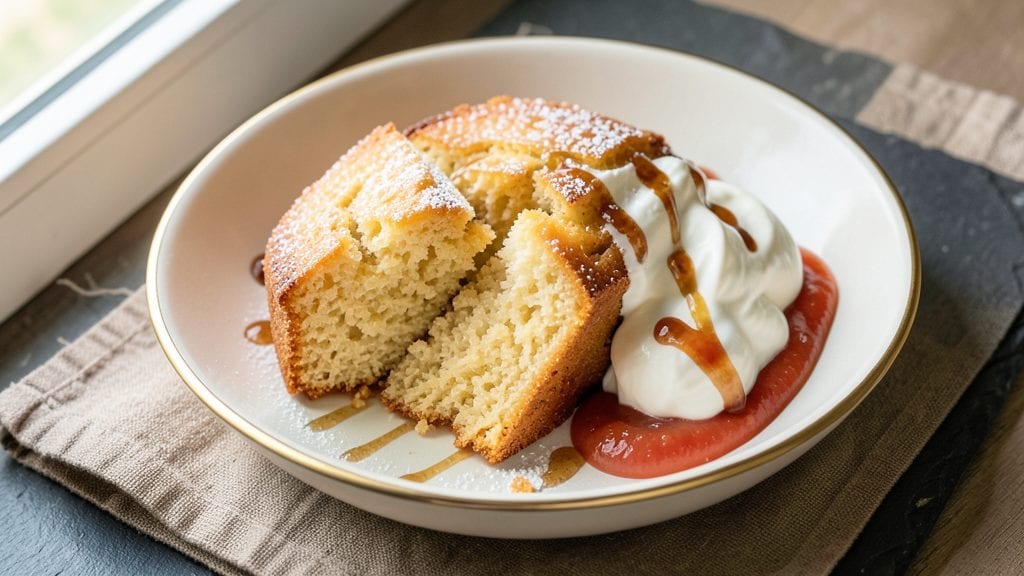
Creating a sugar-free cake that stays moist and delicious is easier than you think, and this vanilla layer cake proves it. The secret lies in using erythritol—a sugar substitute that mimics texture without the blood sugar spike—while keeping the cake tender with applesauce and Greek yogurt.
I’ve tested this recipe dozens of times, and it never disappoints, whether you’re avoiding sugar for health reasons or simply craving a lighter treat.
What sets this recipe apart is the foolproof method for achieving that classic cake texture without refined sugar. The combination of almond flour and coconut flour adds structure, while vanilla extract and cinnamon deepen the flavor profile.
Baking time is precise—just 30 minutes—and the result is layers that crumb softly yet hold their shape, perfect for slicing or frosting.
By the time you pull this cake from the oven, you’ll have a moist, golden cake with a delicate crumb that’s rich in vanilla flavor but light enough to enjoy without guilt.
The frosting options are endless—try a sugar-free cream cheese glaze or fresh berries for a bright contrast. This cake satisfies cravings while keeping carbs and sugar in check.
Whether you’re hosting a gathering or treating yourself, this recipe delivers restaurant-quality results at home. The best part? It’s idiot-proof—even beginners can nail it. Let’s bake this cake together!
Ingredients for sugarfree cake
Pantry staples meet sugar-free magic—just a few ingredients for layers that fool everyone.
| Ingredient | Amount | Notes |
|---|---|---|
| Granulated Erythritol 🍬 | 1 ½ cups | Fine grain, no lumps |
| Unsalted Butter 🧈 | 1 cup | Cold, cubed, full-fat |
| Large Eggs 🥚 | 2 whole | Room temperature |
| Plain Greek Yogurt 🥛 | ½ cup | Full-fat, unsweetened |
| Unsweetened Applesauce 🍎 | ½ cup | No sugar added |
| Pure Vanilla Extract 🌿 | 2 tsp | High-quality, no alcohol |
| Ground Cinnamon 🌶️ | 1 tsp | Freshly ground preferred |
| Almond Flour 🌰 | 1 cup | Finely ground, blanched |
| Coconut Flour 🥥 | ¼ cup | Sifted before measuring |
| Baking Powder 🍞 | 1 tsp | Aluminum-free preferred |
| Diamond Crystal Kosher Salt 🧂 | ½ tsp | Fine grain preferred |
| Unflavored Gelatin 🍬 | 1 tbsp | Bloomed in 3 tbsp hot water |
| Lemon Juice 🍋 | 1 tbsp | Freshly squeezed |
Erythritol is the MVP here. Wholesale clubs like Costco sell it in bulk, but Lakanto or Swerve at grocery stores work too. The fine grain variety blends better—no gritty surprises. Skip the pre-mixed erythritol blends; they often contain fillers. For the almond flour, Bob’s Red Mill is my go-to (blanched, finely ground), but any reputable brand works. The coconut flour? Sift it first—it’s dense and packs down. Trust me, this step saves headaches later. If you’re near a health food store, grab the organic versions—they’ve got more flavor depth.
No erythritol? Allulose or monk fruit sweetener works in a 1:1 swap, but texture might shift slightly. Butter too expensive? Coconut oil at the same weight keeps the cake moist, though it adds a subtle coconut note. Greek yogurt substitute? Unsweetened applesauce at half the amount works in a pinch, but the cake will be denser. Fresh vanilla extract is non-negotiable here—imitation or alcohol-free extracts can leave a harsh aftertaste. For the gelatin, bloom it properly (hot water, 5 minutes) or the cake will taste rubbery. And if you’re short on lemon juice, white vinegar at the same amount does the trick—just don’t tell anyone.
This cake keeps beautifully. Wrap layers in plastic wrap, then foil, and store in the fridge for up to 5 days. For longer storage, freeze the assembled cake (unfrosted) for 3 months). Thaw overnight in the fridge. The gelatin trick means it stays moist even after days—perfect for meal prep. I always bake an extra layer or two; they freeze like a dream and make impromptu desserts effortless. Just let them sit at room temp for 20 minutes before slicing—no one wants a cold cake!
Why You'll Love This Recipe
- I’ll be real: I don’t always have time to whip up frosting, and that’s okay because this cake is so good on its own. Slice it fresh from the oven, and you’ve got that perfect balance of tender crumb and subtle sweetness. Need leftovers? It holds up for days in the fridge—great for breakfast slices or a quick afternoon pick-me-up. And if you’re hosting last-minute? Just grab a few slices, dust with powdered erythritol, and call it a party.
- Here’s what sold me: this cake doesn’t just disappear after one serving. Wrap those layers up, and you’ve got five days’ worth of indulgence without the guilt. Freeze it for three months if you’re feeling extra, and boom—your next dessert emergency is covered. Plus, it’s cheaper than buying sugar-free cake mixes (and way more impressive). My kids even ask for seconds, and they know it’s “healthier.” Win.
Step-by-step instructions for sugar-free cake
Here's how to create a perfectly moist, sugar-free vanilla cake that satisfies every craving.
Prepare the Gelatin Stabilizer
In a small bowl, sprinkle the 1 tablespoon unflavored gelatin over 1 tablespoon hot water (just boiled and cooled slightly). Let it sit for 5 minutes until fully dissolved and clear. This creates a natural stabilizer that keeps your sugar-free cake wonderfully moist without relying on refined sugar.
While the gelatin blooms, whisk in the 1 tablespoon lemon juice and 2 teaspoons pure vanilla extract until completely combined. The acidity from the lemon juice balances the sweetness of the erythritol while adding brightness. Set this mixture aside—it's the secret to that tender, cake-like texture.
Cream Butter and Erythritol
In a stand mixer fitted with the paddle attachment, beat the 1 cup unsalted butter (cold and cubed) and 1.5 cups granulated erythritol on medium speed for 3-4 minutes. You're looking for a light, fluffy texture that nearly doubles in volume. This step incorporates air, which is crucial for that classic cake rise and tender crumb.
Here's the thing—don't rush this process. The butter should be fully creamed and pale in color before moving forward. If you skip this, your cake will be dense rather than light. Scrape down the sides of the bowl with a spatula to ensure even mixing.
Incorporate Wet Ingredients
Add the 2 whole large eggs (room temperature) one at a time, mixing on low speed for 30 seconds after each addition. Then add the gelatin mixture and mix for another 30 seconds until fully combined. The eggs provide structure, while the gelatin mixture ensures moisture retention.
Next, stir in the 0.5 cup plain Greek yogurt and 0.5 cup unsweetened applesauce using a rubber spatula. These ingredients replace traditional milk and oil while adding moisture and richness. The mixture should be smooth and well incorporated—no streaks of yogurt or applesauce should remain.
Combine Dry Ingredients
In a separate bowl, sift together the 1 cup almond flour, 0.25 cup coconut flour, 1 teaspoon baking powder, and 0.5 teaspoon diamond crystal kosher salt. Coconut flour is highly absorbent, so sifting ensures even distribution and prevents clumping in your final cake.
Gradually add the dry ingredients to the wet mixture in three additions, mixing on low speed just until combined after each addition. Overmixing develops gluten, which can make your cake tough. Stop mixing as soon as the dry ingredients disappear—you should still see some flour streaks if you look closely.
Fold in Cinnamon and Bake
Remove the bowl from the mixer and gently fold in the 1 teaspoon ground cinnamon using a silicone spatula. The cinnamon adds warmth and depth to the vanilla flavor. Divide the batter evenly between two 6-inch round cake pans lined with parchment paper or lightly greased with butter.
Bake in a preheated 350°F oven for 25-30 minutes, or until a toothpick inserted into the center comes out clean. The cake should spring back slightly when touched. Here's where precision matters—overbaking dries out sugar-free cakes faster than traditional ones. Keep an eye on it starting at the 20-minute mark to avoid overcooking.
Cool and Serve
Allow the cakes to cool in the pans for 10 minutes, then transfer them to a wire rack to cool completely. This gradual cooling prevents cracking and ensures even texture. Once fully cooled, you can frost with a sugar-free vanilla buttercream or enjoy them plain—they're delicious either way.
This cake delivers on the promises: it's sugar-free, moist, and rich in flavor. The combination of erythritol, gelatin, and applesauce creates a texture that rivals traditional cakes, all while keeping the guilt at bay. Serve with fresh berries or a dollop of whipped cream for an extra touch of indulgence.
Pro Tips For Making Sugarfree Cake
- Bloom the Gelatin Right: I learned this the hard way—using cold water makes the gelatin turn to rubber. Sprinkle that 1 tbsp unflavored gelatin over hot water (just boiled and cooled slightly) and let it sit for those full 5 minutes until completely clear. No cutting corners here; this is what keeps your cake moist, not dry.
- Cream Butter to Pale: That 3-4 minute creaming of 1 cup cold butter and 1.5 cups erythritol isn’t just busywork—it’s the difference between a dense brick and a light cake. Stop only when the mixture is pale and fluffy, nearly doubled in volume. Scrape the bowl often; stubborn butter clumps won’t disappear on their own.
- Sift the Coconut Flour: Coconut flour is a nightmare if you skip this. Sift that 0.25 cup before measuring—it’s ultra-absorbent and clumps like crazy. Mixing dry ingredients without sifting? You’ll end up with pockets of dry flour in your cake. Trust me, the extra 10 seconds saves you from a gummy mess.
- Check at 20 Minutes: Sugar-free cakes dry out faster, so resist the urge to wait for the full 30 minutes. Start testing with a toothpick at 20 minutes—it should come out clean but the cake should still spring back slightly when touched. Overbake it, and you’re left with a sad, crumbly disappointment.
Common mistakes when making perfect results
Overmixing the Batter
One of the most common mistakes I see is overmixing after adding the dry ingredients. Sugar-free cakes are more delicate than traditional ones, and overmixing develops gluten too quickly, resulting in a dense, tough crumb.
I always tell my students to stop mixing as soon as the dry ingredients disappear—you should still see flour streaks in the batter. This ensures a tender, cake-like texture that stays moist longer.
Skipping the Gelatin
The gelatin stabilizer is the secret weapon in this recipe, but many skip it to save time. Without it, sugar-free cakes tend to dry out faster because they lack the moisture retention of sugar.
I bloomed 1 tablespoon gelatin in hot water for 5 minutes—this step is non-negotiable for that classic cake texture. If you skip it, your cake might taste rubbery or dry.
Underbaking the Cake
Sugar-free cakes bake faster than traditional ones, so it’s easy to pull them out too soon. I always check for doneness at the 20-minute mark—insert a toothpick to see if it comes out clean.
Underbaking leaves your cake gummy and dense, while overbaking makes it dry. The ideal internal temperature is 190-200°F, but a clean toothpick is your best guide.
Using Warm Eggs
Room-temperature eggs are a must for this recipe, but many grab them straight from the fridge. Cold eggs can cause the batter to curdle or separate, leading to an uneven texture.
I always take my eggs out 30 minutes before baking to ensure smooth incorporation. Trust me, this small step makes a big difference in the final result.
Ignoring the Cooling Process
After baking, it’s tempting to slice into your cake immediately, but rushing the cooling process causes cracking and uneven texture. I let my cakes cool in the pans for 10 minutes, then transfer them to a wire rack.
This gradual cooling ensures the cake sets properly and stays moist. Skipping this step often leads to a crumbly, unsatisfying slice.
Nutrition facts
Frequently asked questions
Why does this sugar-free cake stay moist longer than others?
The 1 tablespoon gelatin bloomed in hot water is the secret ingredient—it mimics sugar’s moisture-retaining properties while keeping the cake tender. Plus, the Greek yogurt and applesauce replace traditional milk and oil, locking in moisture for up to 5 days in the fridge. This combo ensures every slice feels rich and soft!
Can I make this cake without a stand mixer?
Use a hand mixer for 3-4 minutes to cream the butter and erythritol, then switch to a spatula for the rest. Just be patient—hand mixing takes a little more elbow grease, but the results are just as delicious. The key is to mix until the butter lightens in color before adding eggs!
What if I don’t have almond flour?
Swap it for 1 cup gluten-free all-purpose flour (like Bob’s Red Mill 1:1), but reduce the coconut flour to 0.125 cup since it’s more absorbent. The texture will be slightly denser, but the cake will still be moist and flavorful. Just add 1 tablespoon extra applesauce to compensate!
How do I know when the cake is done?
Check at the 20-minute mark with a toothpick—it should come out clean or with a few moist crumbs. Sugar-free cakes bake faster, so don’t overlook this step! The cake is done when it springs back slightly when touched. Overbaking dries it out, so keep an eye on it!