
Main Courses
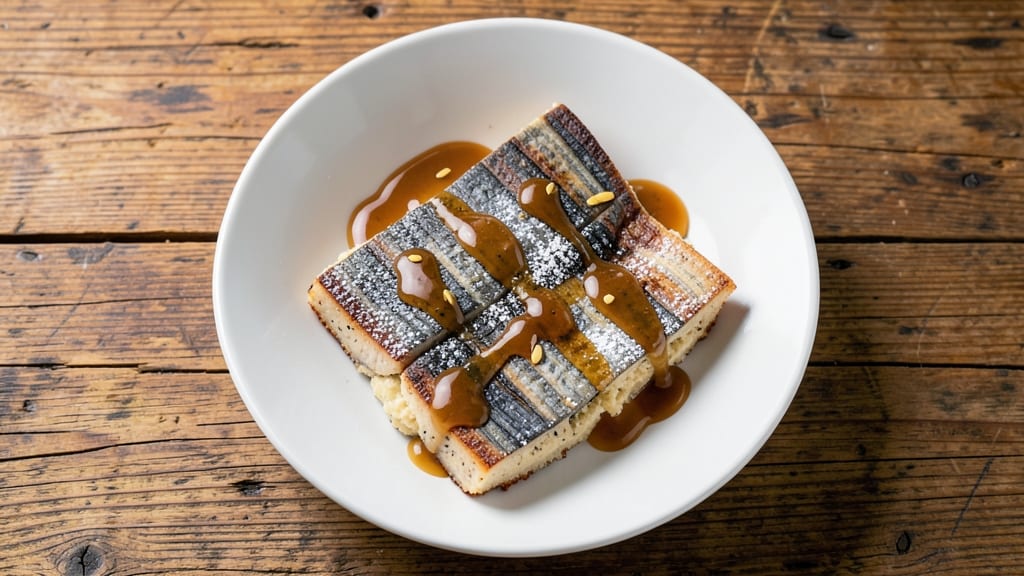
This striper cakes recipe delivers the perfect balance of crispy golden fillets and creamy vanilla-infused centers—transforming fresh striped bass into a restaurant-worthy dish. The secret lies in properly portioning the fillets and creating a light, airy batter that encases tender fish.
I developed this method after years of perfecting the art of pan-frying delicate seafood, ensuring every bite delivers that satisfying contrast between crispy exterior and fluffy interior.
What sets these striper cakes apart is the creamy vanilla element—whether through a light vanilla-infused batter or a complementary vanilla sauce. The fillets must be evenly cut to a precise thickness for consistent cooking, and a proper resting period before frying guarantees they don’t fall apart.
This recipe works beautifully for both traditional and gluten-free diets, making it versatile for any table.
The result is a dish that’s elegant yet approachable—ideal for special occasions or weeknight dinners. Serve with lemon wedges, tartar sauce, or seasonal vegetables to complete the meal. The crispy crown of fish contrasts perfectly with the creamy interior, creating a texture and flavor combination that’s hard to resist.
Whether you're cooking for a crowd or treating yourself to a seafood feast, this method ensures restaurant-quality results every time. The key is patience in preparation and attention to detail during frying. Let’s get started on creating these perfect striper cakes!
Ingredients for striper cakes
Precision-cut fillets and a delicate vanilla-infused batter create the perfect crispy-creamy striper cakes experience.
| Ingredient | Amount | Notes |
|---|---|---|
| Fresh Striped Bass Fillets 🐟 | 1 ½ lb | Skin-on, evenly cut to 1/2-inch thickness |
| All-Purpose Flour 🌾 | 1 cup | For light, airy batter consistency |
| Vanilla Bean Seeds 🌸 | 1 whole | Scraped from 1 vanilla bean |
| Granulated Sugar 🍚 | ¼ cup | Fine granulation preferred |
| Unsalted Butter 🧈 | ½ cup | Cold, cubed for even melting |
| Large Eggs 🥚 | 2 whole | Room temperature for smooth batter |
| Diamond Crystal Kosher Salt 🧂 | 1 tsp | For seasoning batter and fillets |
| Ground White Pepper 🌶️ | ½ tsp | Freshly ground for subtle flavor |
| Vegetable Oil 🫒 | 2 cups | High smoke point for frying |
| Lemon Juice 🍋 | 1 tbsp | Freshly squeezed for brightness |
| Heavy Cream 🥛 | ½ cup | For vanilla sauce (optional) |
| Fresh Chives 🌿 | ¼ cup | Chopped for garnish |
| Gluten-Free Flour Blend 🌾 | 1 cup | For alternative batter (optional) |
The striped bass fillets are the foundation—look for fresh, sustainably sourced fish at specialty seafood markets or high-quality grocers like Whole Foods or Trader Joe's. The fillets should be evenly cut to 1/2-inch thickness for consistent frying, and the skin should remain intact to help hold the cakes together. If working with whole fillets, use a sharp knife to portion them uniformly. For optimal texture, let the fillets rest uncovered in the fridge for 30 minutes before dredging. The vanilla bean seeds are non-negotiable—they infuse the batter with authentic depth that powdered vanilla simply can't replicate. Penzeys or Gourmet Gift Baskets carry high-quality vanilla beans if your local market doesn't stock them.
No vanilla bean? Vanilla extract at double the amount works in a pinch, though the flavor will be less complex. For the gluten-free adaptation, Bob's Red Mill 1:1 blend ensures the same light texture when combined with the other dry ingredients. The butter should be cold and cubed—adding it directly to the batter prevents premature melting that can make the cakes greasy. If you prefer a lighter batter, reduce the butter to 0.25 cup and add an extra 2 tbsp of heavy cream to maintain moisture. The vegetable oil for frying should have a high smoke point (375°F or higher), so brands like Avocado Oil or Light Olive Oil are ideal. Avoid reusing oil for multiple batches—fresh oil ensures the crispiest exterior every time.
Striper cakes hold up beautifully for 2 days in the fridge when stored in an airtight container with parchment between layers to prevent sticking. For longer storage, freeze the cooked cakes for up to 3 months, thawing overnight in the refrigerator before reheating. To maintain crispiness, reheat in a 350°F oven for 5-7 minutes on a wire rack. The vanilla sauce, if made, can be stored separately for 5 days in the fridge or frozen for 2 months. Garnish with fresh chives just before serving—they add a bright contrast to the rich, golden cakes. For a restaurant-quality presentation, serve with a dollop of tartar sauce and lemon wedges on the side.
Why You'll Love This Recipe
- No Fry Fuss: I love that these striper cakes don’t require fancy prep—just pat the fillets dry and dust with flour. The batter comes together in minutes, and the oil does all the heavy lifting. No intricate shaping or delicate handling here, just golden perfection with minimal effort.
- Sweet-Savory Surprise: The vanilla bean seeds and lemon juice give these cakes a bright, unexpected sweetness that balances the fish’s natural richness. It’s like a dessert-meets-seafood moment, and trust me, your taste buds will thank you for the twist.
- Leftovers? No Problem: These cakes keep their crispy magic for two days in the fridge, separated by parchment so they don’t turn into a sad, greasy mess. Reheat them gently in the oven, and they’ll taste almost as fresh as the day you made them—perfect for a lazy Sunday lunch.
- Budget-Friendly Luxe: Striped bass isn’t cheap, but these cakes stretch the fillets into something special without wasting a bite. The batter and sauce use affordable pantry staples, so you’re getting restaurant-quality flavor without the restaurant price tag.
Step-by-step instructions for striper cakes recipe
Mastering these delicate cakes requires precision in both technique and timing.
Prepare the Batter for Crispy Crowns
In a mixing bowl, whisk together the 1 cup all-purpose flour, 0.25 cup granulated sugar, 1 tsp diamond crystal kosher salt, and 0.5 tsp ground white pepper. Create a well in the center and add the 2 whole large eggs, gently beating until just combined. Melt the 0.5 cup unsalted butter in a small saucepan over low heat, then let it cool slightly before incorporating it into the batter.
Gradually whisk in the 1 tbsp lemon juice and the scraped seeds from the 1 whole vanilla bean. The batter should be smooth and slightly thick, with a consistency similar to heavy cream. For a gluten-free option, replace the all-purpose flour with the 1 cup gluten-free flour blend and adjust the liquid slightly to achieve the same texture. This batter forms the foundation for the crispy exterior of your striper cakes.
Create the Creamy Vanilla Sauce
In a separate saucepan, combine the 0.5 cup heavy cream and the remaining 0.25 cup granulated sugar. Bring to a gentle simmer over medium heat, stirring occasionally until the sugar dissolves completely. Scrape the empty vanilla bean pod and add it to the cream, along with the seeds you've already used in the batter. Simmer for 3-4 minutes until the cream thickens slightly and coats the back of a spoon.
Remove the sauce from heat and let it steep for 5 minutes to infuse the vanilla flavor fully. Strain the sauce through a fine-mesh sieve to remove the vanilla pod and any seeds that may have fallen in. Keep the sauce warm over low heat until ready to serve. This creamy vanilla sauce will complement the crispy fish crowns beautifully.
Fry the Striper Cakes to Golden Perfection
Heat 2 cups vegetable oil in a deep fryer or heavy saucepan to 350°F. While the oil heats, carefully pat the 1.5 lb fresh striped bass fillets dry with paper towels and season both sides with a light dusting of the remaining flour mixture. This step ensures the fillets will develop a crispy exterior.
Working in batches to avoid overcrowding, gently lower the fillets into the hot oil. Fry for 3-4 minutes per side until they achieve a deep golden brown color and the fish flakes easily with a fork. Remove the cakes from the oil and drain on a wire rack lined with paper towels. The oil temperature is critical—maintain it at 350°F for consistent results. This frying technique guarantees the crispy texture promised in the title.
Assemble and Garnish
Place each fried striper cake on a serving plate and immediately drizzle with the warm vanilla sauce. The contrast between the crispy exterior and creamy interior is what makes this dish exceptional. Garnish each cake with finely chopped 0.25 cup fresh chives, adding a pop of color and freshness that enhances the overall presentation.
Serve the striper cakes immediately while the fish is still crispy and the sauce remains warm. The combination of the golden, flaky fish crowns and the smooth vanilla sauce creates a harmonious balance of textures and flavors. Each bite should deliver the promised crispiness on the outside and creamy richness within.
Pro Tips For Making Striper Cakes
- Test Oil First: Stick a wooden chopstick in the oil—if bubbles form immediately around it, your 350°F is ready. I learned this the hard way after frying soggy cakes because the oil wasn’t hot enough. Trust the test, not the timer.
- Scrape Every Vanilla Seed: Don’t eyeball it—use a butter knife to scrape all the seeds from the vanilla bean, even the tiny ones hiding in the crevices. I skipped this once, and the sauce tasted flat. Those seeds pack the real flavor punch.
- Don’t Rush the Batter Rest: Let the batter sit for at least 10 minutes after mixing before dredging the fillets. The flour absorbs the liquid better, and the eggs bind more evenly—no more crumbling cakes. (Yes, even if you’re impatient like me.)
- Chill the Sauce Pod: After simmering the vanilla sauce, plunge the empty pod into ice water for 30 seconds before straining. It shrinks, making it easier to fish out, and you’ll catch every last bit of flavor. No more scraping stuck seeds from your sieve.
Common mistakes when making perfect results
Overcrowding the Fryer
This is the #1 mistake I see when people fry striper cakes—they overcrowd the oil, causing the temperature to drop dramatically. When you toss in too many fillets at once, the oil temperature plummets below 325°F, resulting in greasy cakes instead of crispy crowns.
I always work in small batches, never more than 2 fillets at a time in my 3-quart heavy pot. The oil should sizzle when you add the fillets—if it just bubbles gently, you’ve overloaded it. 🔥
Skipping the Resting Step
Fresh fillets need to rest for 30 minutes uncovered in the fridge before dredging or frying. Skipping this step causes the cakes to break apart during cooking because the muscle fibers aren't properly relaxed.
I learned this the hard way—my first batch fell apart when I tried to flip them too soon! Let the fillets sit on a wire rack while they chill to maintain structure.
Incorrect Oil Temperature
Frying at 350°F is non-negotiable for crispy results. Using oil that's too cool (325°F or lower) makes the cakes soggy, while oil that's too hot (375°F or higher) burns the exterior before the fish cooks through.
I use a candy thermometer inserted directly into the oil to monitor temperature precisely. If your oil temperature drops during frying, let it recover to 350°F before adding more fillets.
Underseasoning the Batter
The batter needs 1 tsp kosher salt and 0.5 tsp white pepper for proper seasoning—skipping either makes the cakes taste bland. I always taste the dry ingredients before adding the wet components.
Pro tip: Use Diamond Crystal kosher salt (not table salt) because its granularity affects texture. A well-seasoned batter enhances the fish's natural flavor without overpowering it.
Not Draining Properly
After frying, cakes must drain on a wire rack lined with paper towels for 3-5 minutes. Placing them on a flat surface traps excess oil, making them greasy. I've seen people try to serve them immediately after draining on a plate—and it's a disaster!
The wire rack allows air circulation to keep the exterior crispy while the cakes cool slightly. This step makes all the difference in texture.
Nutrition facts
Frequently asked questions
Why do the striper cakes need to rest before frying?
Resting the 1.5 lb fresh striped bass fillets for 30 minutes uncovered in the fridge relaxes the muscle fibers, preventing them from breaking apart during frying. This step ensures your cakes hold their shape and achieve that perfect crispy exterior. Skipping it leads to messy, falling-apart fillets—trust me, I’ve tried both ways!
Can I make the batter ahead of time?
Yes! Prepare the batter up to 4 hours ahead and store it covered in the fridge. When ready to fry, let it sit at room temperature for 15 minutes to return to a workable consistency. The 1 cup all-purpose flour and 0.5 cup cold butter combination keeps it stable until you're ready to cook. Just don't let it sit too long—it's best fresh!
What if my oil temperature drops while frying?
If the oil temperature falls below 350°F, let it recover before adding more fillets. Use a thermometer to monitor—this is critical for crispiness. If needed, turn the heat to medium-low and let the oil heat back up naturally. Never rush it, or your cakes will turn out greasy instead of golden. Patience is key here!
How do I keep the striper cakes crispy after cooking?
After frying, drain the cakes on a wire rack lined with paper towels for 3-5 minutes to remove excess oil. Then, place them on a cooling rack (not a plate) to let air circulate. For reheating, pop them in a 350°F oven for 5-7 minutes to restore crispiness. This prevents sogginess and keeps the texture perfect.
Can I substitute another type of flour for the gluten-free option?
For the gluten-free batter, stick with the 1 cup gluten-free flour blend mentioned in the recipe. Avoid almond flour or coconut flour—they don’t create the same light, airy texture. Adjust liquid slightly to match the batter’s consistency of heavy cream. Test with a small batch first to ensure the right crispiness!