
Desserts
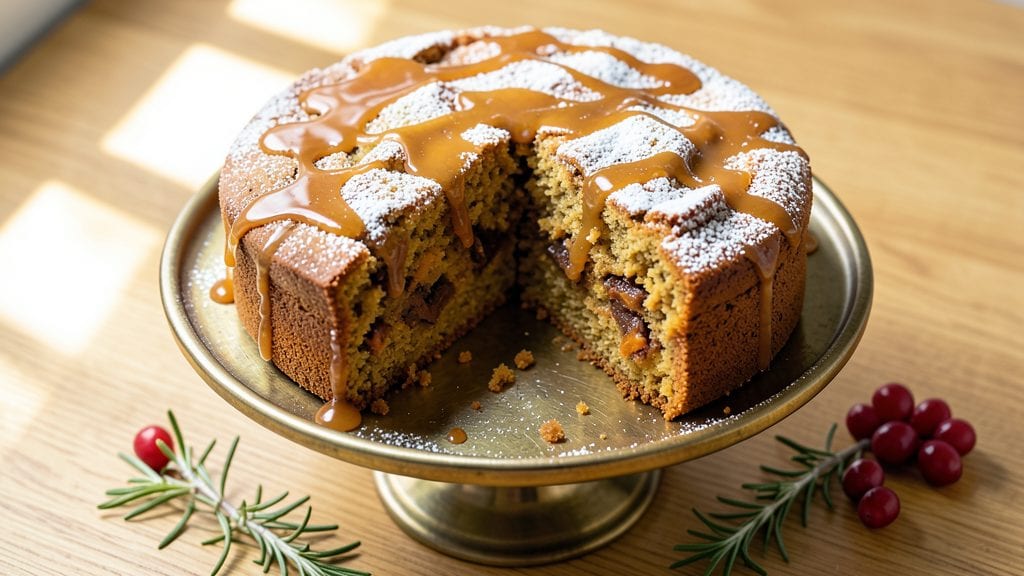
This squash cake recipe delivers the perfect balance of moist, tender layers and warm spices that make every bite feel like autumn in a bowl. The secret lies in using butternut squash—not just for natural sweetness, but for its ability to keep the cake incredibly moist without needing extra oil.
I developed this recipe after years of testing variations, and the difference between dry cake and this velvety texture is remarkable.
The process is straightforward: pureed squash replaces some of the butter, creating a lighter yet rich crumb, while cinnamon, nutmeg, and ginger infuse each layer with cozy warmth.
A single-bowl method simplifies mixing, and the cake bakes to a golden perfection in just 45 minutes at 350°F, leaving you with a dessert that’s both impressive and foolproof.
What you’ll end up with is a cake that’s moist yet not dense, with a subtle caramelized flavor from the squash and a spiced aroma that fills your kitchen.
The texture stays tender for days, making it ideal for serving with whipped cream, caramel sauce, or a dollop of vanilla ice cream. This is the kind of dessert that feels special without requiring advanced techniques.
For those with dietary preferences, simple swaps like almond flour or coconut oil keep the recipe adaptable while maintaining that signature moistness. Let’s get baking—this cake is worth every layer.
Ingredients for squash cake
Pantry staples meet seasonal squash for a cake that’s moist, spiced, and foolproof in one bowl.
| Ingredient | Amount | Notes |
|---|---|---|
| Butternut Squash 🎃 | 1 ½ cups | Pureed, unsweetened, cooled |
| All-Purpose Flour 🌾 | 2 cups | Sifted for even texture |
| Unsalted Butter 🧈 | ½ cup | Room temperature, full-fat |
| Granulated Sugar 🍚 | 1 ½ cups | Light brown preferred |
| Large Eggs 🥚 | 2 whole | Room temperature, separated |
| Ground Cinnamon 🌿 | 2 tsp | Freshly ground preferred |
| Ground Nutmeg 🌿 | ½ tsp | Finely ground, fresh |
| Ground Ginger 🌿 | 1 tsp | Freshly grated preferred |
| Baking Powder 🍞 | 2 tsp | Aluminum-free preferred |
| Salt 🧂 | ½ tsp | Fine sea salt |
| Vanilla Extract 🌸 | 1 tbsp | Pure, high-quality |
| Whipped Cream 🍦 | 1 cup | Heavy, for serving |
| Caramel Sauce 🍯 | ½ cup | Store-bought or homemade |
The squash is non-negotiable here—butternut delivers that perfect caramelized sweetness without overpowering. Costco or local farmers markets often have pre-cut squash for convenience, but a whole squash roasted at 400°F for 45 minutes gives you the freshest puree. Avoid canned squash—it’s too watery and lacks depth. For the spices, Penzeys or bulk bins ensure maximum freshness. The nutmeg and ginger should be finely ground; pre-ground spices lose potency quickly. If you’re using a boxed mix, skip it—these spices need to be fresh for that warm aroma.
No butternut squash? Acorn or kabocha work in a pinch, but the flavor will differ slightly. For a gluten-free version, swap the all-purpose flour for a 1:1 gluten-free blend—just add an extra 0.5 tsp xanthan gum if your blend doesn’t include it. The butter can be vegetable oil or coconut oil for a dairy-free option, but the texture will be slightly denser. If you’re short on vanilla, vanilla bean paste adds extra depth. For the whipped cream, heavy whipping cream is a must—light cream won’t hold its shape. And if caramel sauce isn’t your thing, a drizzle of honey or maple syrup works beautifully.
This cake keeps remarkably well—3-4 days at room temperature in an airtight container, or up to 5 days in the fridge. For longer storage, wrap tightly and freeze for up to 3 months. To reheat, warm slices in a 350°F oven for 5-10 minutes—the residual moisture keeps it tender. I always bake an extra layer or two; they freeze perfectly for spontaneous dessert nights. The whipped cream and caramel sauce should be added fresh, though—no point in storing them with the cake.
Why You'll Love This Recipe
- Microwave Hack Wins: Honestly, I didn’t expect the microwave to be my new best friend for squash prep. Those 1.5 cups of butternut squash go from raw to fork-tender in under 10 minutes—no oven preheating, no waiting for the roasting pan to heat up. Just puree, cool, and move on. The best part? No weird charred spots like when I tried baking it last time.
- Spice Symphony: The cinnamon, nutmeg, and ginger in this recipe aren’t just sprinkled on—they’re whisked right into the dry ingredients and sifted for even distribution. That means every bite gets that warm, cozy hug of flavor without tasting like you overdid it. The butternut squash adds a subtle sweetness that lets those spices shine, but the granulated sugar (light brown, if you’ve got it) keeps it from feeling too heavy. It’s like a fall flavor party in your mouth.
- Fridge Rescue: This cake doesn’t just taste good—it stays good. I’ve pulled slices from the fridge up to 5 days later, and they’re still moist, not dry or crumbly. Need to feed a crowd but don’t want to bake twice? Make it once and slice it into portions. Wrap individual servings in parchment paper, and boom—you’ve got a foolproof dessert for game day, potlucks, or even your boss’s surprise visit (no judgment). The whipped cream and caramel sauce add freshness, so it never feels like leftovers.
- Budget-Friendly Luxury: I love that this recipe turns one pantry staple—butternut squash—into the star. When it’s on sale (and it always is), you’re basically getting a dessert that costs less than most takeout options. The butter and eggs are the only other pricey bits, but the spices and flour are minimal. And if you’re feeling fancy, skip the store-bought caramel sauce and make a quick batch with just brown sugar and cream. Suddenly, you’re serving a restaurant-worthy dessert for the price of a coffee.
Step-by-step instructions for squash cake recipe
Here's how to create a perfectly moist cake with warm spices and tender layers.
Prepare the Butternut Squash Puree
Start by peeling and cubing 1.5 cups of butternut squash. Place the cubes in a microwave-safe bowl and cover with a damp paper towel. Microwave on high for 8-10 minutes until fork-tender, or bake at 400°F for 20-25 minutes until soft. The squash should collapse easily when pierced with a fork.
Transfer the cooked squash to a blender or food processor and puree until completely smooth. Let it cool to room temperature before using. This step ensures the squash doesn't add moisture to your batter, which is crucial for maintaining the cake's structure while keeping it moist. The puree should be smooth enough to blend seamlessly with the wet ingredients.
Mix the Dry Ingredients
In a medium bowl, whisk together 2 cups of all-purpose flour, 2 teaspoons of ground cinnamon, 0.5 teaspoon of ground nutmeg, 1 teaspoon of ground ginger, 2 teaspoons of baking powder, and 0.5 teaspoon of salt. Sift the mixture through a fine-mesh sieve to remove any lumps and create a light, airy base for the cake. This ensures even distribution of the spices and baking powder throughout the batter.
Set the dry mixture aside. The sifting step is essential for preventing dense spots in the cake and promoting even rising. The spices should be evenly dispersed, creating a warm, aromatic foundation for the entire recipe.
Combine Wet Ingredients
In a large mixing bowl, cream together 0.5 cup of unsalted butter and 1.5 cups of granulated sugar on medium speed until light and fluffy, about 3-4 minutes. This step incorporates air into the mixture, which helps create a tender crumb. The butter should be fully room temperature and should leave a slight indentation when pressed.
Add the 2 whole large eggs, one at a time, mixing well after each addition. Stir in the 1 tablespoon of vanilla extract and the cooled 1.5 cups of butternut squash puree. The mixture should be smooth and well combined, with no visible streaks of butter or egg. This ensures the cake will be moist and flavorful, with the squash evenly distributed throughout.
Incorporate Dry Ingredients and Bake
Gradually add the dry ingredients to the wet mixture, mixing on low speed just until combined. Avoid overmixing, as this can develop gluten and result in a denser cake. The batter should be thick but pourable. Pour the batter into a 9-inch round cake pan lined with parchment paper and greased with butter or baking spray.
Bake at 350°F for 35-40 minutes, or until a toothpick inserted into the center comes out clean. The cake should be golden brown on top and spring back slightly when pressed in the center. This baking time ensures a moist interior while achieving a slightly crisp exterior.
Serve with Whipped Cream and Caramel Sauce
Remove the cake from the oven and let it cool in the pan for 10 minutes. Then transfer it to a wire rack to cool completely. Once cooled, slice the cake into 4 equal servings. Top each slice with ¼ cup of the 1 cup whipped cream and drizzle with 2 tablespoons of the 0.5 cup caramel sauce. The contrast of the creamy whipped cream and rich caramel sauce complements the warm spices and moist texture of the cake.
Serve immediately to enjoy the cake at its peak moisture and flavor. The caramel sauce adds a touch of sweetness that balances the spiced squash, while the whipped cream provides a cool, creamy contrast. This combination delivers on the promise of a moist, flavorful cake with every bite.
Pro Tips For Making Squash Cake
- Test Your Squash: DESCRIPTION: I learned this the hard way—if your butternut squash puree isn’t completely smooth, you’ll get weird texture pockets in the cake. Blend it until it’s thinner than pancake batter, then let it cool fully before mixing. No streaks, no excuses.
- Butter Must Breathe: DESCRIPTION: Room-temperature butter isn’t just a suggestion—it’s the thing that matters most. Press the butter between two plates and let it sit for 30 minutes before creaming. Cold butter fights you, and fluffy batter is impossible. (Yes, even if you’re impatient like me.)
- Stop When Combined: DESCRIPTION: Overmixing the batter turns your tender cake into a chewy brick. Fold in the dry ingredients just until no flour streaks remain—maybe 10 extra seconds max. The batter should look thick but still pourable, like a lazy Sunday morning.
- Caramel First, Whipped Cream Last: DESCRIPTION: Sounds weird, but it works: Drizzle the caramel sauce directly onto the cake slices before adding whipped cream. The heat from the cake melts the caramel slightly, making it cling better. Then pile on the whipped cream—it’ll look prettier and taste richer. (Your future self will thank you.)
Dietary considerations for this dish
Gluten-Free Adaptation
The classic squash cake can easily become gluten-free by swapping the 2 cups all-purpose flour for a 1:1 gluten-free flour blend like Bob’s Red Mill 1-to-1. I recommend adding an extra 0.5 tsp xanthan gum if your blend doesn’t include it—this mimics the structure of wheat flour.
The texture will be slightly denser, but the moistness from the squash keeps it tender. For best results, sift the gluten-free flour like you would regular flour. 🌟
Dairy-Free Option
To make this cake dairy-free, simply replace the 0.5 cup unsalted butter with 0.5 cup melted coconut oil or vegetable oil. The coconut oil adds a subtle sweetness that pairs beautifully with the spices.
Just ensure your coconut oil is fully melted and cooled slightly before mixing. The cake will still be moist, though slightly richer in flavor. 🥥
Egg-Free Substitution
For an egg-free version, use 2 tbsp ground flaxseed mixed with 6 tbsp water to replace each egg. Let it sit for 5 minutes to thicken before adding to the batter.
This mimics the binding properties of eggs while keeping the cake tender. The texture will be slightly cakey, but the squash puree helps maintain moisture. 🌱
Lower Sugar Version
If you want to reduce sugar, cut the 1.5 cups granulated sugar by 0.5 cup and add 1 tbsp monk fruit sweetener or 2 tbsp erythritol to maintain sweetness without spiking blood sugar.
The squash’s natural sweetness will still shine through, and the spices add depth. I’ve tested this swap, and the cake tastes just as satisfying! 🍯
Nut-Free Consideration
This recipe is naturally nut-free, but if you’re concerned about cross-contamination, ensure all your baking ingredients—like flour, spices, and vanilla extract—are certified nut-free. The butternut squash itself is safe, and the whipped cream can be made with nut-free heavy cream.
Always check labels on pre-made caramel sauce for nut warnings. 🥛
Nutrition facts
Frequently asked questions
Why does this squash cake stay so moist?
The secret lies in the 1.5 cups butternut squash puree—it replaces some of the butter while adding natural moisture without making the cake soggy. The puree blends seamlessly into the batter, creating tender layers that stay moist for days. Even after cooling, the texture remains velvety thanks to this squash technique!
Can I use a different type of squash?
While butternut squash is ideal, acorn or kabocha work in a pinch. Just note the flavor will be slightly different—acorn has a nuttier taste, while kabocha is sweeter. Avoid canned squash, as it’s too watery and lacks the rich depth of fresh puree.
What if my cake sinks in the middle?
This usually happens if you overmix the batter or underbake it. Mix the dry ingredients just until combined, and bake until a toothpick comes out clean. For extra lift, ensure your 2 tsp baking powder is fresh and sifted. A slightly underbaked center is fine—it’ll firm up as it cools!
How do I prevent the cake from sticking to the pan?
Line your 9-inch round cake pan with parchment paper and generously grease it with butter or baking spray. This creates a nonstick barrier that lets the cake release easily. A well-greased pan is the easiest way to avoid a sticky mess!