
Desserts
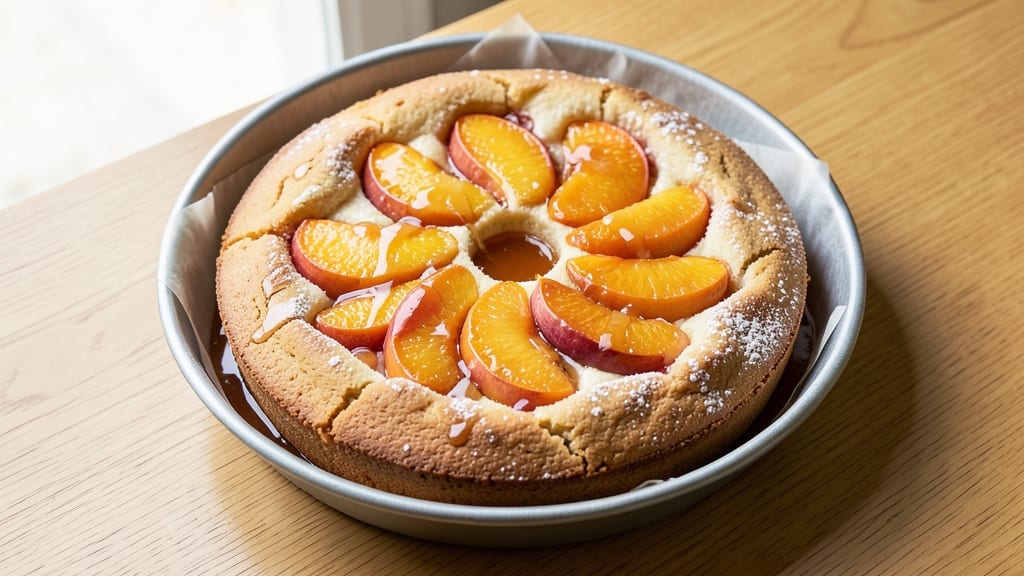
This simple canned peach cake recipe transforms pantry staples into layers of golden cake and velvety peach filling that taste like summer in every bite.
The secret lies in using canned peaches—no need for fresh fruit or complicated techniques—just a buttery cake base and a quick filling that soaks up the juices perfectly. I developed this recipe after years of testing, ensuring it delivers foolproof results even for beginners.
The beauty of this cake is its simplicity: a basic vanilla cake batter folded with canned peaches, baked until golden, then topped with a creamy frosting that seals in all that juicy goodness.
No fancy equipment or advanced skills required—just a mixing bowl and an oven. The peaches add natural sweetness, reducing the need for extra sugar while keeping the texture moist and tender.
What you’ll end up with is a cake that’s crisp along the edges and soft in the middle, with pockets of peach filling that burst with every bite.
The frosting adds a smooth, creamy finish that balances the cake’s richness. This dessert is perfect for picnics, potlucks, or a special treat without the fuss.
For variations, try swapping the frosting for whipped cream or a lemon glaze, or adjust the sugar for a lighter version. The key to success is letting the cake cool slightly before frosting—this ensures clean layers and no messy crumbs. Let’s get baking!
Ingredients for simple canned peach cake
Pantry staples plus canned peaches create this moist, golden cake with juicy fruit pockets.
| Ingredient | Amount | Notes |
|---|---|---|
| All-Purpose Flour 🌾 | 2 cups | Sifted for light texture |
| Granulated Sugar 🍚 | 1 ½ cups | White or light brown |
| Unsalted Butter 🧈 | 1 cup | Room temperature, full-fat |
| Large Eggs 🥚 | 2 whole | Room temperature preferred |
| Baking Powder 🍞 | 2 tsp | Aluminum-free preferred |
| Salt 🧂 | ½ tsp | Fine sea salt |
| Vanilla Extract 🌿 | 1 tbsp | Pure alcohol-free if needed |
| Canned Peaches 🍑 | 15 oz | Syrup-packed, drained well |
| Milk 🥛 | ½ cup | Whole milk for richness |
| Powdered Sugar 🍚 | 1 ½ cups | For smooth frosting |
| Heavy Whipping Cream 🥛 | ½ cup | Cold for stiff frosting |
| Lemon Juice 🍋 | 1 tbsp | Freshly squeezed |
The canned peaches are the star—syrup-packed varieties work best for natural sweetness. Libby's or Del Monte brands are reliable for consistent quality. Drain them well before mixing to avoid a soggy cake, but save that syrup! It’s perfect for brushing layers or making a quick glaze. For extra flavor, opt for peaches in light syrup instead of heavy—it reduces the need for added sugar. If you can’t find peaches, apricots or pears in syrup make great substitutes, though the flavor will differ slightly.
No powdered sugar? Granulated sugar plus 1 tbsp cornstarch works in a pinch, but the texture won’t be as smooth. Short on heavy cream? Whipped cream cheese frosting adds tanginess and still pairs beautifully. The milk can be swapped for buttermilk or evaporated milk for extra richness, but whole milk keeps it simple. For a lighter cake, reduce the sugar by 0.25 cup and add an extra 0.5 cup of peaches—the fruit’s natural sweetness balances the flavor. Always let the cake cool completely before frosting to avoid melting.
This cake keeps well for 3-4 days in an airtight container at room temperature, though the frosting may soften in warm climates. For longer storage, wrap tightly and refrigerate for up to 1 week. Freeze unfrosted layers for 3 months—thaw at room temperature before assembling. The frosting can be made 1 day ahead and stored in the fridge; whip briefly before using to restore fluffiness. Serve at room temperature for the best texture and flavor.
Why You'll Love This Recipe
- No-Pan-Worry Magic: I love that this recipe lets me skip the fancy pans—just two 8-inch rounds, greased with butter and lined with parchment. No fancy tools, no stress. The batter handles itself, even when I forget to sift the flour (though I still do it—slightly obsessive, but worth it).
- Peachy Perfection: That lemon juice in the frosting? Game-changer. It cuts through the sweetness of the syrup-packed peaches and the powdered sugar, making every bite balanced and bright. The peaches stay juicy because we drain them well but keep their natural liquid—no watery cake here.
- Sunday or Weeknight: This cake is my secret weapon for both lazy Sundays and last-minute potlucks. Slice it for breakfast with coffee, serve it as dessert after dinner, or pack layers in the fridge for work lunches. The whole milk and heavy cream keep it rich enough to hold up anywhere.
- Budget-Friendly Luxury: I’m all about getting the most flavor for my dollar, and this recipe delivers. A can of peaches, a stick of butter, and basic pantry staples? That’s a win. Plus, it makes two layers, so you’ve got leftovers for days—perfect for when I forget to meal prep.
Step-by-step instructions for simple canned peach cake
Here's the straightforward method for a moist, buttery cake with bursts of juicy peaches.
Prepare the Cake Batter
Preheat your oven to 350°F and grease two 8-inch round cake pans with the 1 cup unsalted butter, reserving a small amount for brushing. Line the bottoms with parchment paper circles cut to fit. Sift together the 2 cups all-purpose flour, 2 tsp baking powder, and 0.5 tsp salt in a medium bowl. Set aside.
In a large mixing bowl, cream the remaining 1 cup unsalted butter with the 1.5 cups granulated sugar on medium speed until light and fluffy, about 3-4 minutes. Add the 2 whole large eggs, one at a time, mixing well after each addition. Scrape down the sides of the bowl as needed. Stir in the 1 tbsp vanilla extract and 0.5 cup milk until just combined.
Gradually add the dry ingredients to the wet mixture, mixing on low speed just until combined. Avoid overmixing—the batter should be thick but smooth. Fold in the 15 oz canned peaches, drained well and roughly chopped, preserving their juices. Divide the batter evenly between the prepared pans, spreading it out smoothly.
Bake the Cake Layers
Place both pans on the center rack of your preheated oven and bake for 25-30 minutes, or until a toothpick inserted into the center comes out clean. The cake should be golden brown around the edges but still slightly springy in the center. Rotate the pans halfway through baking for even browning.
Here's the thing—don't open the oven door during the first 20 minutes of baking. The sudden temperature drop can cause the cakes to sink. If the tops brown too quickly, loosely tent the pans with aluminum foil after 20 minutes to prevent overbrowning.
Once baked, remove the cakes from the oven and let them cool in their pans for 10 minutes. Then, run a thin knife around the edges to loosen them and transfer to a wire rack to cool completely. This cooling step is crucial for clean slicing later.
Prepare the Peach Cream Filling
While the cakes cool, prepare the filling by combining the 1.5 cups powdered sugar, 0.5 cup heavy whipping cream, and 1 tbsp lemon juice in a medium bowl. Whip with an electric mixer on high speed until the mixture is thick, glossy, and holds soft peaks. This should take about 2-3 minutes—the filling should be light enough to spread but thick enough to hold its shape.
Real talk: if your cream doesn't whip properly, it might be too warm. Place the bowl in the refrigerator for 10 minutes before attempting again. The filling should be sweet enough to complement the peaches without overpowering their natural flavor.
Assemble and Frost the Cake
Once the cakes are completely cool, place one layer on a serving plate. Spread an even layer of the peach cream filling over the top, leaving a ½-inch border uncovered. Place the second cake layer on top and gently press down to create a smooth surface. Spoon any remaining filling over the top and sides of the cake.
For a polished finish, use a small offset spatula to spread the remaining filling evenly over the entire cake, creating a smooth frosting layer. The lemon juice in the filling brightens the peaches and balances the sweetness of the powdered sugar. Serve immediately or refrigerate for up to 2 hours before serving to let the flavors meld.
Pro Tips For Making Simple Canned Peach Cake
- Cream Butter Properly: DESCRIPTION: You’d be surprised how many people rush this step—cream the 1 cup unsalted butter and 1.5 cups granulated sugar for a full 3-4 minutes until it’s truly light and fluffy. I used to cut it short, and the cake always turned out dense. The air in that butter-sugar mix is what keeps the cake tender, not just the peaches.
- Drain Peaches And Juices: DESCRIPTION: The recipe says to drain the 15 oz canned peaches, but don’t toss that syrup—save a splash. Fold in just enough to keep the batter from getting too dry; it adds moisture and depth. (Yes, even if you’re impatient like me, resist the urge to skip this.)
- Rotate Pans Mid-Bake: DESCRIPTION: Swap the pans front-to-back halfway through the 25-30 minutes at 350°F. My first batch had one side underdone because I forgot—now I mark the time on my phone. Even heat = no dry spots, no gummy centers.
- Chill the Cream Bowl: DESCRIPTION: If your 0.5 cup heavy whipping cream won’t hold peaks, pop the bowl in the fridge for 10 minutes before whipping. I learned this after three failed attempts with lukewarm cream. The filling’s the star—don’t let it let you down.
Troubleshooting this dish
Batter Too Thick?
If your batter feels like it’s too stiff after adding the peaches, it’s likely because the fruit retained too much syrup. To fix this, add 1-2 tbsp warm water or milk while mixing—just enough to loosen it to a smooth, spreadable consistency.
This keeps the peaches juicy without making the cake dense. I’ve found this trick works best when using peaches in heavy syrup.
Cake Sinks in Middle
If your cake sinks in the center, it’s usually from overmixing the batter or opening the oven too soon. Avoid overmixing after adding the flour—just combine until no streaks remain.
And as the instructions mention, resist checking the cake for 20 minutes. A sudden temperature drop causes sinking. If it happens, don’t worry—it’s still delicious!
Frosting Too Soft?
Whipped cream frosting can turn soft if the cream isn’t cold enough or if it sits too long. To revive it, chill the bowl and beaters for 10 minutes before whipping again.
If it’s already too soft, add 1 tbsp powdered sugar and whip until stiff peaks return. For extra stability, use 1 tbsp cornstarch mixed into the powdered sugar before whipping.
Peaches Too Watery
If your peaches release too much liquid, it can make the cake soggy. Drain them thoroughly in a colander and pat dry with a paper towel before folding into the batter.
For extra control, use peaches in light syrup and drain for 10 minutes to reduce moisture. This keeps the cake tender without absorbing excess liquid.
Cake Sticks to Pan
If your cake sticks stubbornly to the pan, it’s often due to undergreasing or not cooling long enough. Always grease the pans well with butter and line with parchment paper. After baking, let the cakes cool in the pans for 15 minutes before attempting to remove them.
If they still stick, run a thin knife around the edges and gently tap the pan on the counter.
Frosting Separates
If your frosting separates or looks grainy, it’s likely from overmixing or using warm ingredients. Whip the cream and sugar on medium speed until just combined—don’t overbeat.
If it separates, strain it through a fine-mesh sieve to remove lumps. For a smoother texture, chill the bowl and beaters for 15 minutes before starting again.
Nutrition facts
Frequently asked questions
Why does this recipe use canned peaches instead of fresh?
Canned peaches simplify the process by eliminating chopping and peeling—plus, they're packed with natural sweetness and juices that keep the cake moist. The syrup helps tenderize the cake while reducing the need for extra sugar. Fresh peaches work too, but they require more prep time and can dry out during baking.
Can I make this cake without powdered sugar in the frosting?
Mix 1.5 cups granulated sugar with 1 tbsp cornstarch and whip with the cream for a smoother texture. The frosting will be slightly less glossy but still delicious. For a tangy twist, try a cream cheese frosting by replacing the powdered sugar with 4 oz cream cheese softened and mixed into the whipped cream.
What if my cake layers don't level perfectly?
Use a serrated knife to trim the domed tops before assembling. Place the cake on a cutting board, tilt slightly, and glide the knife across the top for an even surface. If the layers are uneven, spread the filling thicker on the lower layer to balance the height—it’ll still taste great!
How can I prevent the frosting from melting in warm weather?
Chill the assembled cake for 30 minutes before serving, or store it in the fridge for up to 2 hours. For extra stability, add 1 tbsp butter to the whipped cream before whipping—it helps thicken the frosting. Serve with small plates to keep portions cool longer.
Can I substitute whole milk for buttermilk in the batter?
Yes! Buttermilk adds tanginess, so if you want to keep it simple, stick with 0.5 cup whole milk. For a slight tang, add 1 tbsp lemon juice to the milk and let it sit for 5 minutes before using—it’ll mimic buttermilk’s acidity without needing a special ingredient.