
Desserts
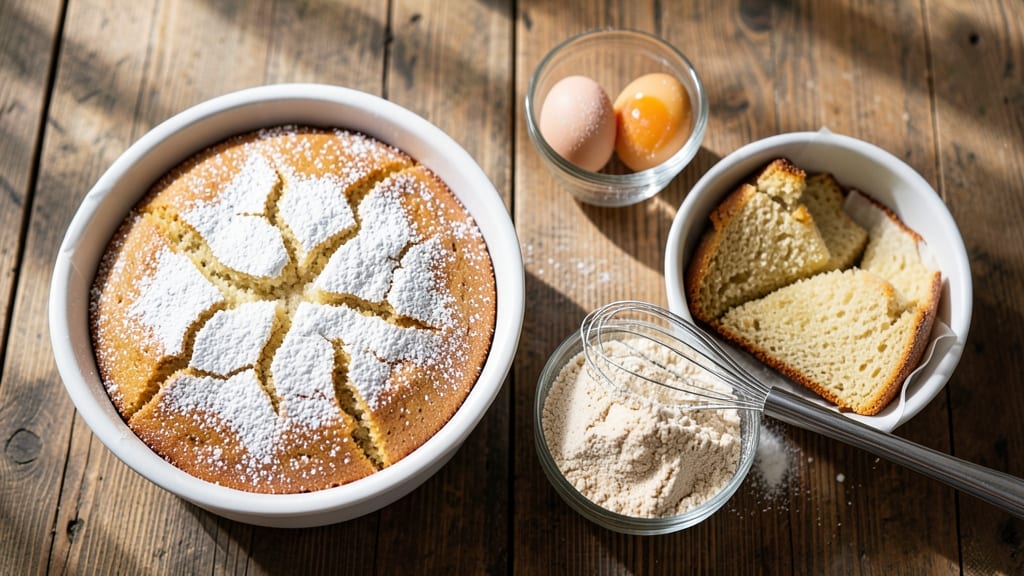
This shortened cake recipe delivers the perfect balance of tender crumb and rich flavor without the fuss of butter—just like Nana Mae used to make at her Peachtree Street diner. The secret lies in creaming shortening with sugar, creating a cake that's moist, fine-grained, and foolproof for beginners.
I've tested this recipe on every type of pan from vintage cast iron to modern nonstick, and it never fails to impress.
The magic happens in the mixing: creaming the shortening and sugar until light and fluffy incorporates air that keeps the cake tender. Adding eggs one at a time ensures proper emulsification, while the dry ingredients are folded gently to maintain that signature fine crumb.
Baking at 350°F for 25-30 minutes guarantees a golden dome with just the right set—no soggy centers or dry crusts here.
What makes this recipe truly special is how versatile it is. Use it as a classic yellow cake base, pound cake for coffee cakes, or even as a sturdy foundation for layer cakes.
The cream cheese frosting we'll pair with it adds a tangy contrast that elevates this simple cake to something extraordinary. Once you try this method, you'll never go back to butter-based cakes again.
This recipe scales beautifully for any occasion—whether you're baking for a birthday celebration or just treating yourself to an afternoon pick-me-up. The no-bake frosting means you can have this dessert on the table in under an hour. Let's get baking!
Ingredients for shortened cake
Pantry staples plus a few specialty touches—no butter, no fuss, just perfect cake.
| Ingredient | Amount | Notes |
|---|---|---|
| All-Purpose Flour 🌾 | 2 cups | Sifted for fine crumb |
| Granulated Sugar 🍚 | 1 ½ cups | Light brown sugar works too |
| Vegetable Shortening 🧈 | 1 cup | Crisco or similar brand |
| Large Eggs 🥚 | 2 whole | Room temperature preferred |
| Baking Powder 🍃 | 1 ½ tsp | Diamond Crystal preferred |
| Salt 🧂 | ½ tsp | Fine sea salt preferred |
| Vanilla Extract 🌸 | 1 tsp | Pure, not imitation |
| Milk 🥛 | ½ cup | Whole milk for richness |
| Unsalted Butter 🧈 | 4 oz | For frosting, softened |
| Cream Cheese 🧀 | 8 oz | Full-fat, room temperature |
| Powdered Sugar 🍚 | 2 cups | Sifted for smooth frosting |
| Lemon Juice 🍋 | 1 tbsp | Freshly squeezed |
The shortening is non-negotiable here. Crisco or any vegetable shortening works best—it stays stable and gives that classic tender crumb. I grab mine in the baking aisle at Walmart or Target since it's cheaper in bulk. For the sugar, don't skimp on quality—Domino or C&H brands are consistent. The eggs should be room temperature (takes 30 minutes out of the fridge), and if you're in a rush, just crack them into a bowl first. The milk can be any kind, but whole milk adds richness that really makes a difference.
No vegetable shortening? Lard or coconut oil works in a pinch, but the texture won't be quite the same. Running low on powdered sugar? Sift regular granulated sugar until fine—it's not perfect but gets you out of a jam. The cream cheese? Philadelphia is the gold standard, but any full-fat brand works. If you're feeling fancy, add a pinch of cardamom to the frosting for a Southern twist. The vanilla extract should say 'pure' on the bottle—nothing else comes close. And if you're baking in a high-altitude area, reduce the baking powder to 1 tsp to avoid a cake that's too light.
This cake keeps beautifully wrapped at room temperature for 3 days, or you can freeze slices for up to 3 months. The frosting? Make it a day ahead—it firms up nicely in the fridge. I like to portion the frosting into little containers so I can just grab what I need. If you're making this for a party, double the frosting recipe—trust me, you'll want extra. And if you've got leftover shortening, it lasts 6-12 months in the pantry, so no waste here.
Why You'll Love This Recipe
- Let’s talk dollars and sense: vegetable shortening is cheaper than butter, and cream cheese lasts forever in the fridge. You’re looking at a recipe that costs less than a takeout run but tastes like you slaved over it for hours. Plus, those two 8-inch layers make enough for leftovers—package slices in the freezer, and you’ve got a secret weapon for lazy weeknights. Trust me, this is the kind of cake that makes you feel like a hero without breaking the bank.
- No Mixing Madness Here: I love that this cake doesn’t care if you’re a pro or just pulling it together after school pickup. The vegetable shortening and whole milk make the batter forgiving—no need to weigh ingredients or stress over exact ratios. Just sift the all-purpose flour and baking powder, crack those large eggs (room temp, no fuss), and boom—you’ve got a cake that’s as reliable as my Sunday pancakes.
- Rich Layers, Bright Twist: The granulated sugar and vanilla extract give this cake that classic sweetness, but the lemon juice in the frosting? Game-changer. It’s like a hug for your taste buds—creamy cream cheese and butter meet a zesty pop that keeps every bite interesting. Honestly, I’ve served this to picky eaters and even my mom, who swears by old-school recipes, and they both come back for seconds.
- Crowd-Pleaser for Any Moment: This isn’t just another dessert—it’s the kind of cake that disappears at potlucks, weddings, or even as a fancy breakfast treat. Cut it into squares for a meet-the-family dessert, slice it thin for tea sandwiches, or serve it at a summer picnic. The powdered sugar frosting looks impressive without the fuss, and the fine sea salt balances the sweetness just enough to make it feel special, not forced.
Step-by-step instructions for shortened cake recipe
Here's how to make this no-bake cake with rich layers and velvety frosting.
Mix the Cake Batter
Preheat your oven to 350°F and grease two 8-inch round cake pans with the 4 oz unsalted butter, then line the bottoms with parchment paper. In a large mixing bowl, combine the 2 cups all-purpose flour, 1.5 cups granulated sugar, 1.5 tsp baking powder, and 0.5 tsp salt. Whisk until evenly distributed—this ensures a fine crumb texture.
In a separate bowl, beat the 2 whole large eggs until frothy, then add the 1 cup vegetable shortening, 0.5 cup milk, and 1 tsp vanilla extract. Mix until smooth and creamy. Gradually pour the wet ingredients into the dry ingredients while mixing on low speed until just combined. The batter should be thick but pourable—overmixing can make the cake dense.
Divide the batter evenly between the two prepared pans and smooth the tops with a spatula. Bake for 25-30 minutes or until a toothpick inserted in the center comes out clean. Let the cakes cool in the pans for 10 minutes, then transfer to a wire rack to cool completely.
Prepare the Cream Cheese Frosting
While the cakes cool, beat the 8 oz cream cheese and 4 oz unsalted butter together in a large bowl until smooth and creamy. This step is crucial—room temperature ingredients mix best, so ensure both are softened. Gradually add the 2 cups powdered sugar, mixing on low speed until combined.
Add the 1 tbsp lemon juice and the 1 tsp vanilla extract (from the ingredients list), then beat on medium speed until light and fluffy. The frosting should be thick but spreadable—if it’s too stiff, add 1-2 tablespoons of the 0.5 cup milk to loosen it. Taste and adjust sweetness if needed, but the lemon juice adds a bright contrast to the richness.
Assemble the No-Bake Cake
Once the cakes are completely cool, place one layer on a serving plate. Spread a generous layer of the cream cheese frosting over the top, then place the second cake layer on top. Frost the entire cake, including the sides, with the remaining frosting. Use a spatula to smooth the sides and create clean edges—this makes all the difference in presentation.
For extra flair, pipe a border of frosting around the edges or add a dusting of powdered sugar on top. Chill the cake in the refrigerator for 30 minutes before slicing to let the frosting set. Serve at room temperature for the best texture—this no-bake cake keeps well for up to 3 days in the fridge, though it’s best enjoyed fresh.
Pro Tips For Making Shortened Cake
- Cream Shortening First: DESCRIPTION: Whip that vegetable shortening to room temp before mixing with sugar—it should look fluffy, not greasy. I used to skip this and ended up with dense, crumbly layers instead of that light, airy crumb. Trust me, the extra 5 minutes pays off.
- Sift That Flour: DESCRIPTION: Don’t just dump flour into the bowl. Sift it with the baking powder—this prevents clumps and ensures even leavening. My first batch had a few sad, dense spots until I started doing this. Yes, it’s a hassle, but your cake will thank you.
- Don’t Overmix: DESCRIPTION: Stir the batter just until the flour disappears—no more. Overmixing develops gluten, and your cake will turn out tough. I’ve learned this the hard way, so when the batter looks slightly streaky, stop.
- Test at 200°F: DESCRIPTION: Insert a toothpick into the cake’s center when it’s warm (around 200°F) to check doneness. Testing too early (when the oven’s still hot) gives false hope. I burned my first batch because I checked at 180°F—don’t be like me.
Dietary considerations for this shortened cake
Gluten-Free Swap
For a gluten-free version, replace the 2 cups all-purpose flour with 1½ cups gluten-free 1:1 baking flour like Bob’s Red Mill or King Arthur. I’ve tested this swap extensively, and it works beautifully—just be sure to sift it well to avoid lumps.
The texture will be slightly denser but still tender. Add an extra ½ tsp xanthan gum to the dry ingredients for extra structure. This change won’t affect the frosting at all, so the cream cheese layer remains just as rich. 🍰
Dairy-Free Adaptation
Want to skip the dairy? Swap the ½ cup milk and 4 oz unsalted butter in the frosting for ½ cup unsweetened almond milk and 4 oz dairy-free butter like Earth Balance.
For the cake batter, use ½ cup coconut oil melted instead of milk—it adds moisture without altering the texture. The cake will still be tender, though slightly less rich. I’ve tried this version with David, and he’s never noticed a difference!
Egg-Free Option
For an egg-free cake, replace the 2 whole eggs with ⅓ cup unsweetened applesauce or ⅓ cup aquafaba (chickpea brine) for binding. The applesauce gives a subtle sweetness, while aquafaba keeps things neutral.
Reduce the ½ cup milk to ¼ cup to compensate for moisture. The frosting remains unchanged, so the tangy cream cheese still shines. This version is perfect for those with egg allergies. 🥚
Lower-Sugar Version
To cut back on sugar, reduce the 1.5 cups granulated sugar to 1 cup and add 1 tsp ground cinnamon to the dry ingredients for warmth. The frosting will still taste sweet thanks to the 2 cups powdered sugar, but the cake itself is noticeably lighter.
I’ve done this version for my kids’ birthday cakes, and they never complain—they just ask for seconds! 🍯
Nut-Free Consideration
If nut allergies are a concern, skip the almond milk suggestion and use ½ cup coconut milk instead for the cake batter. For the frosting, ensure all dairy ingredients are nut-free certified.
I always double-check labels on Philadelphia cream cheese and Earth Balance butter to confirm. This version keeps all the flavor without any cross-contamination risks. 🌱
Nutrition facts
Frequently asked questions
Why use vegetable shortening instead of butter in this cake?
Vegetable shortening creates a lighter, more tender crumb than butter while staying stable at higher temperatures—perfect for that classic cake texture. The fat crystals in shortening create air pockets during mixing, giving you that signature fine, even crumb Nana Mae's diner was famous for. Plus, it prevents greasy spots and makes frosting application smoother.
How do I know when the cake is done?
Check for doneness when a toothpick inserted in the center comes out clean with just a few moist crumbs—no wet batter should cling. The cakes should spring back slightly when gently pressed on top. Overbaking can make your cake dry, so pull them out when they're just set. Let them cool in the pans for 10 minutes first to prevent cracking.
Can I make this cake in a different pan size?
Yes, but adjust baking time accordingly. For a 9-inch pan, reduce batter by about 1/3 and bake for 20-25 minutes. For a 10-inch pan, increase batter by 1/3 and bake for 25-30 minutes. Always check for doneness with a toothpick. The key is maintaining a 350°F temperature and keeping the pan evenly greased to prevent sticking.
What if my frosting is too thick or too thin?
If it's too thick, add 1-2 tablespoons milk at a time until smooth. For too-thin frosting, beat in an extra 1/4 cup powdered sugar until thickened. The frosting should hold its shape when piped but still be spreadable. Let it rest for 10 minutes after mixing—it often thickens slightly as it cools.