
Desserts
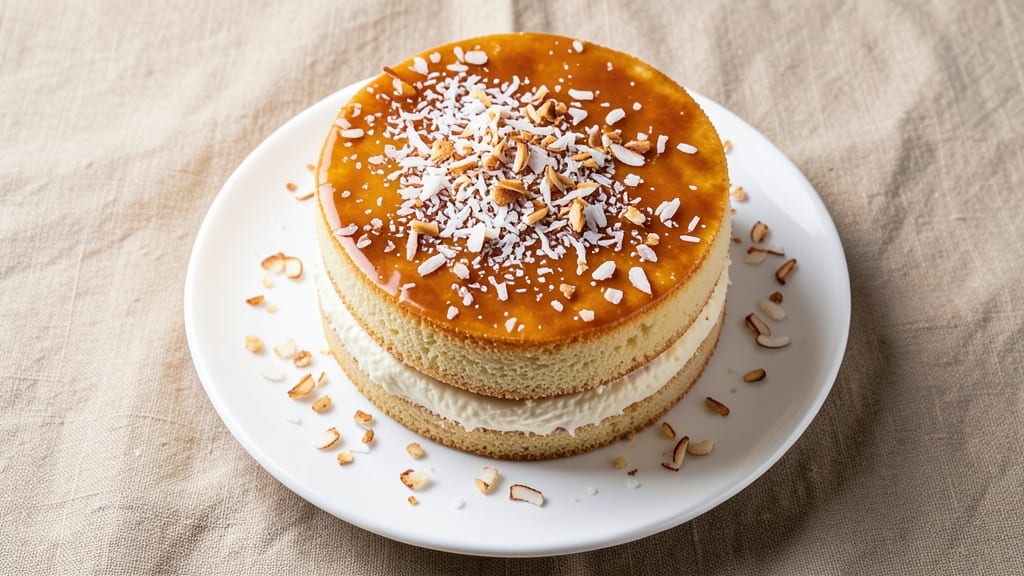
This Sally's Baking Addiction coconut cake delivers layers of tropical moisture with a toasted coconut crunch that’ll make you question why you ever bought boxed cake. The secret lies in a perfectly balanced batter—creamy yet tender, with just enough spice to complement the coconut’s natural sweetness.
I’ve baked this version dozens of times, and every slice proves that homemade dessert beats store-bought any day.
The recipe starts with a simple yet precise method: creaming butter and sugar until light and fluffy, then folding in shredded coconut that’s been toasted to golden perfection. This step ensures the cake stays moist while adding that irresistible crunch in every bite.
The layers are soaked in a light coconut syrup before frosting, creating a texture that’s rich without being heavy.
What you’ll end up with is a cake that looks as stunning as it tastes—tropical layers with a crisp coconut crown and a velvety frosting that ties everything together.
The aroma alone will have guests asking for seconds, and the flavor combination (vanilla, coconut, and a hint of cinnamon) makes this a crowd-pleaser for birthdays, holidays, or just because.
Ready in about 1 hour with minimal effort, this recipe delivers restaurant-quality results at home. The frosting is optional, but trust me—it’s worth the extra 10 minutes for that polished finish. Let’s get baking!
Ingredients for sally's baking addiction coconut cake
Butter, sugar, and coconut—just enough to create layers of tropical perfection.
| Ingredient | Amount | Notes |
|---|---|---|
| Unsalted Butter 🧈 | 1 cup | Room temperature, full-fat for richness |
| Granulated Sugar 🍚 | 2 cups | White or light brown preferred |
| Large Eggs 🥚 | 4 whole | Room temperature, separated yolks/whites |
| All-Purpose Flour 🌾 | 2 ½ cups | Sifted, spooned lightly |
| Shredded Unsweetened Coconut 🥥 | 2 cups | Sweetened or unsweetened, toasted |
| Vanilla Extract 🌸 | 2 tsp | Pure, high-quality preferred |
| Ground Cinnamon 🌿 | 1 tsp | Freshly ground for best flavor |
| Baking Powder 🍞 | 2 tsp | Aluminum-free preferred |
| Salt 🧂 | ½ tsp | Fine sea salt preferred |
| Coconut Milk 🥛 | ½ cup | Full-fat canned, for syrup |
| Powdered Sugar 🍚 | 2 cups | For frosting, sifted |
| Heavy Cream 🥛 | ½ cup | Cold, for frosting |
| Lemon Zest 🍋 | 1 tbsp | Fresh, bright flavor |
The coconut is non-negotiable here. Trader Joe's has the best pre-shredded (unsweetened, so you control the sweetness), but if you're toasting your own, unsweetened flakes toast faster and taste fresher. Toast them in a dry pan over medium heat until golden—about 5 minutes—and let them cool completely before folding into the batter. The butter? Use European-style if you can—it stays creamy longer. I always buy it in 1-pound blocks from Whole Foods or Costco—way better than those tubs.
No vanilla extract? Vanilla bean paste works perfectly—just use half the amount. Running low on powdered sugar? Process granulated sugar in a blender for a quick substitute. The coconut milk for the syrup can be swapped for light coconut cream, but it'll be thicker. For extra moisture, add 1 tbsp melted butter to the syrup. The frosting is optional, but trust me—it’s worth the extra 10 minutes for that polished finish. If you're making this ahead, bake the layers first and store them wrapped at room temp for up to 2 days.
This cake keeps beautifully—3 days at room temperature if wrapped tightly, or 1 week in the fridge if you add the frosting. For long-term storage, freeze the unfrosted layers for up to 3 months. Thaw overnight in the fridge, then add the frosting. The toasted coconut crown? Make it fresh before serving—it loses its crunch if stored too long. I always make a double batch of frosting—half for the cake, half for dipping slices. Worth every extra spoonful.
Why You'll Love This Recipe
- No-Fuss Assembly: I love that this cake lets me multitask—while the layers bake, I’m already whipping up the coconut milk syrup and frosting. No last-minute scrambling, just smooth steps that flow together like a dream.
- Tropical Flavor Bomb: The toasted shredded unsweetened coconut on top? Chef’s kiss. That crispy edge with the creamy center, plus the bright kick from the fresh lemon zest, makes every bite taste like a mini vacation.
- Perfect for Sharing: This cake is that kind of dish—big enough to feed a crowd but not so overwhelming that leftovers go to waste. Trust me, it keeps beautifully for days, so you can enjoy it fresh or save slices for later without guilt.
- Budget-Friendly Luxury: Full-fat unsalted butter and high-quality vanilla extract? Yes, please—but the rest of the ingredients are simple and affordable. It’s the kind of treat that feels indulgent without breaking the bank.
Step-by-step instructions for sally's baking addiction coconut cake
Here's how to create layers of tropical moistness with a toasted coconut crunch.
Prepare the Cake Layers and Toast the Coconut
Preheat your oven to 350°F and grease two 9-inch round cake pans with the 1 cup unsalted butter, reserving a small amount for brushing. Line the bottoms with parchment paper for easy removal. In a large bowl, cream together the 1 cup unsalted butter and 2 cups granulated sugar until light and fluffy, about 3-4 minutes using an electric mixer. This step is crucial—it incorporates air that makes your cake tender.
Add the 4 whole large eggs, one at a time, mixing well after each addition. Then stir in the 2 tsp vanilla extract and 1 tbsp lemon zest. Sift together the 2.5 cups all-purpose flour, 2 tsp baking powder, 1 tsp ground cinnamon, and 0.5 tsp salt in a separate bowl. Gradually fold the dry ingredients into the wet mixture until just combined—don't overmix, or your cake will be dense.
Divide the batter evenly between the prepared pans. For the toasted coconut crunch, spread 1 cup shredded unsweetened coconut evenly over each layer. Bake for 25-30 minutes, or until a toothpick inserted into the center comes out clean. Let the cakes cool in the pans for 10 minutes before transferring to a wire rack to cool completely. This cooling step prevents cracking when you frost later.
Make the Coconut Milk Syrup and Cream Frosting
While the cakes cool, prepare the 0.5 cup coconut milk syrup by combining it with 1 cup granulated sugar in a small saucepan. Bring to a gentle simmer over medium heat, stirring constantly until the sugar dissolves completely. Remove from heat and let it cool slightly—this syrup will add moisture and richness to your cake layers.
For the frosting, beat the 0.5 cup heavy cream until soft peaks form. Gradually add the 2 cups powdered sugar, mixing on low speed until smooth. The frosting should be thick but spreadable—if it's too stiff, add 1 tsp coconut milk to loosen it. This step ensures a light, airy frosting that won't weigh down your cake.
Assemble the Cake with Syrup and Frosting
Once the cakes are completely cool, level the tops if needed. Place the first cake layer on a serving plate and brush it generously with half of the coconut milk syrup. This step is key—it keeps the cake moist and adds that signature tropical flavor. Sprinkle ½ cup shredded unsweetened coconut over the syrup layer, pressing it gently to create a crunchy barrier.
Add the second cake layer on top and brush it with the remaining syrup. Spread a thin layer of the cream frosting over the top and sides of the cake to create a smooth base for the final decoration. This "crumb coat" ensures your final frosting looks professional and sticks perfectly.
Frost and Decorate for a Show-Stopping Finish
Let the crumb coat set for 15 minutes in the refrigerator. Then, spread the remaining frosting evenly over the entire cake, creating a smooth surface. Use a spatula to create clean edges and swirls if desired. The final touch is pressing the remaining 1 cup shredded unsweetened coconut onto the sides and top of the cake, gently pressing it into the frosting for that signature toasted crunch.
Chill the cake in the refrigerator for at least 1 hour before serving to allow the flavors to meld and the frosting to set. Each slice should reveal moist, tender layers with bursts of toasted coconut throughout. The lemon zest adds a bright contrast to the sweetness, making every bite feel like a tropical escape.
Pro Tips For Making Sally'S Baking Addiction Coconut Cake
- SIFT THAT FLOUR: I used to eyeball the flour and wonder why my cake turned dense—sifting the 2.5 cups all-purpose flour before folding it in removes air pockets and ensures even distribution of baking powder. Spoon it lightly into the bowl so you don’t pack it down, or you’ll end up with a brick instead of layers.
- TOAST THE COCONUT RIGHT: The recipe says to spread coconut on the batter, but I learned the hard way—raw coconut stays soggy. Toast 1 cup of shredded unsweetened coconut in a dry pan over medium-low heat for 3-4 minutes, stirring constantly, until golden and fragrant. Cool it completely before baking, or the steam will make your cake gummy.
- BRUSH THE SYRUP FAST: Don’t skip the coconut milk syrup—it’s what keeps this cake moist. But here’s the trick: brush it on immediately after assembling, while the cake is still slightly warm. The syrup absorbs better, and you’ll avoid that dry, crumbly texture that ruins all the hard work.
- CHILL THE FROSTING: The frosting needs to be cold when you add it to the heavy cream, or you’ll end up with buttercream instead of that light, airy texture. Whip the 0.5 cup heavy cream last and keep the 2 cups powdered sugar in the freezer for 10 minutes before mixing—it makes all the difference when spreading.
Common mistakes when making your sally's baking addiction coconut cake
Overmixing the Batter
This is the #1 mistake I see in home bakers—overmixing the batter turns your cake dense and tough. When you fold in the dry ingredients, stop mixing as soon as they're just combined. You'll see flour streaks disappear but still have a few visible—this is perfect.
Overmixing develops gluten, which makes your cake chewy instead of tender. Trust me, I've learned this the hard way after several sad, heavy cakes. 💡
Skipping the Toasted Coconut
Raw coconut in the batter or frosting just doesn't compare to toasted coconut. The toasted version adds that signature crunch and deeper flavor. If you skip toasting, your cake will taste flat and lack that tropical punch.
Toast your coconut in a dry pan for about 5 minutes until golden—don't skip this step! I always toast mine right before adding to the batter for maximum freshness.
Underbaking the Layers
Pulling the cake out too early is a common mistake that leads to gummy centers. Your cake is done when a toothpick comes out clean—no wet batter clinging to it. Underbaked cakes collapse when cooled and won't hold their shape when you add frosting.
I always set a timer for 25 minutes and check at 20 minutes to be sure it's fully cooked through.
Forgetting to Cool Properly
Rushing to frost your cake right after baking is a recipe for disaster. Let those layers cool completely in the pans for 10 minutes before transferring to a rack.
This prevents cracking when you add frosting. I've seen cakes split open like a banana when people try to frost them too soon—trust the process and wait it out.
Overloading the Syrup
The coconut milk syrup is what keeps your cake moist, but too much can make it soggy. Use just ½ cup total—half for each layer. If you use more, the cake will absorb it all and become waterlogged.
I always measure mine carefully with a small spoon to avoid overdoing it. The syrup should just lightly coat the layers, not drench them.
Pressing Too Hard on Coconut
When you press the toasted coconut onto the cake, don't go crazy with the pressure. You want it to stick lightly for that crunchy barrier, not get smashed into the frosting. Gently pat it into place with your fingers—just enough to make it adhere.
I've seen cakes where the coconut looks like it was mashed into the frosting, which ruins the texture. Light pressure is key here.
Nutrition facts
Frequently asked questions
Why does this coconut cake need toasted coconut instead of raw?
Toasted coconut adds that signature crunch and deeper, caramelized flavor that raw coconut can't match! The 5-minute dry pan toasting until golden transforms the texture and taste. Skipping this step leaves your cake tasting flat and lacking that tropical punch—trust me, the difference is noticeable.
Can I make this cake ahead of time?
Bake the layers first and store them wrapped at room temperature for up to 2 days. If you add the frosting, it keeps beautifully for 3 days at room temp or 1 week in the fridge. Just let them come to room temperature before frosting if storing unfrosted.
What if my cake layers crack when cooling?
Cracking happens when cakes cool too quickly or are frosted too soon. Let them cool in the pans for 10 minutes before transferring to a rack, then wait until completely cool before frosting. If cracks appear, gently smooth them with a thin layer of frosting before decorating.
Can I substitute ingredients like coconut milk or powdered sugar?
For the syrup, you can use light coconut cream instead of coconut milk—it'll be thicker. If you're out of powdered sugar, blend granulated sugar in a blender for the frosting. Just adjust consistency with 1 tsp coconut milk if needed. The 1 tbsp lemon zest can't be substituted—it's what balances the sweetness!
How do I get the coconut to stick properly to the cake?
Press the toasted coconut gently but firmly into the syrup-coated layers—don't smash it! Use your fingertips to create a light barrier. For extra adhesion, lightly brush the cake with a thin layer of melted butter before adding the coconut. This helps it cling perfectly without losing that crisp texture.