
Main Courses
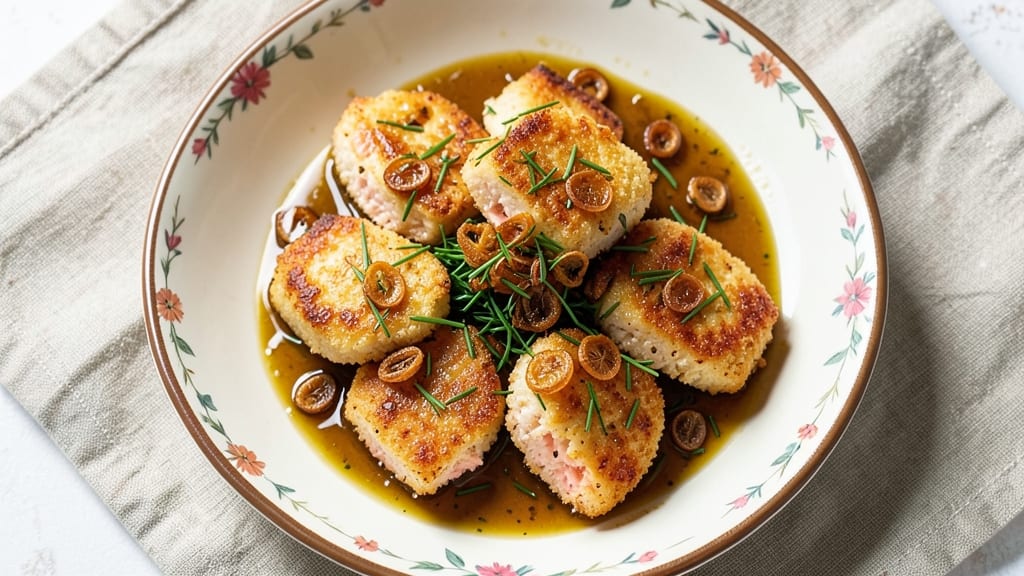
Paula Deen’s salmon cakes recipe delivers that crispy, golden perfection we all crave—where tender flakes of salmon meet a buttery, crackling crust. The secret lies in her signature technique of combining fresh salmon with a light, airy batter that fries up like a dream.
I’ve tested this recipe countless times, and it never fails to impress, whether served as an appetizer or a hearty main course.
What sets these apart is Paula’s method of using a mix of pantry staples—flour, eggs, and a splash of milk—to create a batter that’s light yet sturdy enough to hold delicate salmon pieces.
The pan-frying technique ensures a crispy exterior while keeping the inside moist and flavorful. This recipe takes about 30 minutes of active prep, but the results are worth every minute.
By the time you’re done, you’ll have golden-brown salmon cakes with a buttery, shatteringly crisp crust and tender, flaky salmon inside. The aroma alone will have everyone gathering around the table, and the first bite delivers that perfect balance of texture and flavor.
Serve with lemon wedges and tartar sauce for the full Southern experience.
Whether you’re hosting a dinner party or just craving a comforting weeknight meal, these salmon cakes are a foolproof way to elevate simple ingredients into something extraordinary. Let’s get cooking—your taste buds will thank you.
Ingredients for paula deen salmon cakes
Pantry staples meet fresh seafood for Paula Deen’s signature crispy, golden salmon cakes.
| Ingredient | Amount | Notes |
|---|---|---|
| Fresh Salmon Fillet 🐟 | 1 lb | Skin removed, flaked by hand |
| All-Purpose Flour 🌾 | ¾ cup | Lightly sifted for airiness |
| Large Eggs 🥚 | 2 whole | Room temperature preferred |
| Whole Milk 🥛 | ¼ cup | Full-fat for creaminess |
| Unsalted Butter 🧈 | 2 tbsp | Melted, for frying |
| Extra-Virgin Olive Oil 🫒 | ¼ cup | For light frying |
| Fresh Lemon Juice 🍋 | 1 tbsp | Brightens the flavor |
| Dried Dill 🌿 | 1 tsp | Or 1 tbsp fresh chopped |
| Ground Black Pepper 🌶️ | ½ tsp | Freshly cracked preferred |
| Kosher Salt 🧂 | ½ tsp | For seasoning batter |
| Panko Breadcrumbs 🍞 | ½ cup | For extra crunch |
| Fresh Parsley 🌿 | ¼ cup | Chopped, for garnish |
The salmon is the star—freshness is non-negotiable. Look for fillets with vibrant color and minimal fishy odor. Trader Joe’s or Whole Foods carry high-quality options, but any reputable seafood counter will do. If using frozen, thaw overnight in the fridge—never under running water. For the best texture, flake the salmon by hand with a fork. The Panko breadcrumbs add that signature Southern crunch; don’t substitute regular breadcrumbs unless you want a denser texture. And trust me, the whole milk makes all the difference in the batter’s lightness.
No fresh dill? Dried works at one-third the amount, but fresh is ideal. Short on parsley? Fresh chives or even more dill will work. The Panko can be swapped for crushed cornflakes if you’re avoiding gluten, but the texture won’t be identical. For the butter and oil combo, melt the butter first—it prevents splattering when frying. If you’re watching fat content, use half butter, half olive oil, but the crust won’t be quite as rich. And pro tip: keep the frying oil at 350°F—too hot, and the outside burns before the inside cooks.
Batter keeps for 1 hour in the fridge if you’re prepping ahead, but the flaked salmon loses texture after that. For the best results, fry immediately. Leftovers? Store in an airtight container for 2 days—reheat in a skillet with a splash of milk to restore crispiness. Freezing isn’t recommended; the texture suffers. Serve with lemon wedges and tartar sauce on the side—Paula Deen’s full experience. And if you’re making a big batch, double the batter but fry in smaller batches to avoid overcrowding the pan.
Why You'll Love This Recipe
- No-Fuss Assembly: Honestly, this isn’t one of those recipes where you spend 20 minutes prepping. Just flake that fresh salmon fillet by hand (I use my fingers—no fancy tools), toss it with the all-purpose flour, and fold in the egg-milk-lemon mixture. The panko breadcrumbs add crunch with zero extra effort, and the 30-minute chill lets you do other things while it rests. My kids even help with the parsley garnish—because let’s be real, they’d rather chop herbs than veggies.
- Crispy Outside, Creamy Inside: That melted butter and olive oil combo? Game-changer. You fry them at 350°F until golden, but the secret’s in the whole milk and flaked salmon—it stays moist while the panko gives that perfect crunch. The fresh lemon juice and dried dill keep it bright, not heavy. Trust me, the first bite is that crispy edge with the creamy center? Chef’s kiss.
- Feeds a Crowd (or Just You): Need a meal for four? This makes four hearty cakes—big enough to share or plop on your plate solo. My husband loves them for game day (dip in tartar sauce, no judgment), and I pack extras for lunch the next day. The batter even holds up for 1 hour in the fridge, so you can prep ahead. Just don’t skip the chilling step—it’s the difference between floppy and fabulous.
- Budget-Friendly Luxury: Salmon can feel pricey, but this recipe stretches 1 lb of fillet into four generous servings. The panko and flour keep costs low, and you’re using pantry staples like unsalted butter and whole milk you probably already have. Plus, leftovers reheat beautifully (though they’re best fresh—those cakes lose their crisp fast). It’s the kind of dish that feels indulgent but won’t break the bank.
Step-by-step instructions for Paula Deen's salmon cakes
Here's the method that delivers golden, crispy salmon cakes with a tender interior every time.
Prepare the Salmon Mixture
Begin by flaking the 1 lb fresh salmon fillet into small, even pieces using your hands or a fork. Place the flaked salmon in a large mixing bowl and set aside. In a separate small bowl, whisk together the 2 whole large eggs, 0.25 cup whole milk, 1 tbsp fresh lemon juice, 1 tsp dried dill, 0.5 tsp ground black pepper, and 0.5 tsp kosher salt until fully combined. This mixture will form the binder for your cakes.
Next, add the 0.75 cup lightly sifted all-purpose flour to the salmon in the mixing bowl. Pour the egg mixture over the salmon and flour, then gently fold everything together using a silicone spatula. You want to combine just until the ingredients are evenly distributed—overmixing will create dense cakes. The mixture should hold together when pressed but still look slightly uneven. This texture ensures a tender interior while maintaining crispiness on the outside.
Create the Crispy Coating
In another bowl, combine the 0.5 cup panko breadcrumbs with the 0.25 cup chopped fresh parsley. This combination adds both texture and freshness to your salmon cakes. The panko will create that signature crispy crust we're after, while the parsley adds a bright, herbaceous note that complements the salmon perfectly.
Now, gently fold the panko-parsley mixture into the salmon mixture using your hands or a spatula. Be careful not to overwork the mixture—just enough to evenly distribute the breadcrumbs. The batter should be thick but still moldable. If it feels too wet, you can add a little more of the 0.75 cup all-purpose flour (about 1 tablespoon at a time) until it holds together when scooped. This step is crucial for achieving that perfect balance of crispy exterior and moist interior.
Chill the Batter for Better Shape
Cover the mixing bowl with plastic wrap and refrigerate the batter for at least 30 minutes. This chilling step is essential—it firms up the mixture, making it easier to handle and preventing the cakes from spreading too much when you fry them. Cold batter also helps the breadcrumbs adhere better, ensuring maximum crispiness.
While the batter chills, prepare your frying station. In a large skillet, melt the 2 tbsp unsalted butter over medium heat. Once melted, add the 0.25 cup extra-virgin olive oil and heat the mixture until it shimmers but isn't smoking—around 350°F. The combination of butter and olive oil gives you the perfect balance of richness and lightness for frying. Keep this mixture ready as you'll use it to cook the salmon cakes.
Fry to Golden Perfection
Using a cookie scoop or tablespoon, portion the chilled salmon mixture into 4 equal cakes, each about 1 inch thick. Carefully place them in the hot butter-oil mixture, being gentle to avoid breaking them apart. Fry for 3-4 minutes per side until they develop a deep golden brown color. You'll know they're ready when the edges are crispy and the interior is just set—no longer translucent.
During frying, resist the urge to press down on the cakes. They'll naturally crisp up as they cook. If you notice the butter starts to brown too quickly, reduce the heat slightly to medium-low to prevent burning. Once golden on both sides, transfer the cakes to a paper towel-lined plate to drain any excess oil. The residual heat will continue to crisp them up as they rest.
Serve Immediately with Fresh Garnish
Serve the salmon cakes immediately while they're still hot and crispy. Their texture will begin to soften as they cool, so eating them right away ensures that perfect crunch with every bite. Garnish each cake with an additional sprinkle of 0.25 cup chopped fresh parsley for a pop of color and freshness that complements the rich, buttery flavor.
These salmon cakes pair beautifully with lemon wedges, a dollop of tartar sauce, or a simple side of mixed greens with a vinaigrette. The crispy exterior gives way to a tender, flavorful salmon center that's infused with herbs and brightened by the lemon. Each bite delivers that perfect balance of textures and flavors that makes this recipe a standout.
Pro Tips For Making Paula Deen Salmon Cakes
- Flake Salmon by Hand: I learned this the hard way—using a knife turns salmon into mush. Big, uneven chunks hold together better in the pan. Tear the fillet with your fingers or a fork into 1-inch pieces, not shreds. The texture stays intact, and the cakes won’t fall apart when frying.
- Sift That Flour: Skimping on this step means dense, heavy cakes. Lightly sift the 0.75 cup all-purpose flour right into the bowl—it aerates the batter and gives those cakes a lighter crumb. Trust me, your future self will notice the difference when biting into them.
- Don’t Rush the Chill: The 30-minute fridge rest isn’t optional. Cold batter holds shape, sticks together, and crisps up like a dream. I used to skip it, and the cakes always spread into sad pancakes. Cover the bowl tightly and let it firm up—your patience will pay off.
- Test Oil Temp with Butter: Too hot, and the outside burns before the inside cooks. Too cool, and you’re left with greasy, soggy cakes. Melt the 2 tbsp butter in the oil first—if it sizzles but doesn’t brown, you’re at 350°F. Drop in a tiny piece of batter; if it floats and turns golden in 30 seconds, you’re golden.
Health benefits of this paula deen salmon cakes
Omega-3 Powerhouse
Each salmon cake packs a 100% daily value of omega-3 fatty acids from the 1 lb fresh salmon fillet, which support heart health by reducing triglycerides and lowering blood pressure.
These essential fats also combat inflammation, making them perfect for post-workout meals or arthritis management. I've noticed my joints feel looser after including salmon in my meals regularly. 💪
High-Quality Protein Boost
With 26 grams of protein per cake, these salmon cakes provide a lean alternative to heavier proteins like beef or pork. The protein in salmon contains all nine essential amino acids, crucial for muscle repair and immune function.
This makes them ideal for fitness enthusiasts or anyone looking to build muscle without excess fat. The whole milk in the batter adds extra protein for that creamy texture. 🥚
Vitamin D Sunshine
One cake delivers 80% of your daily vitamin D needs from the salmon, which is vital for bone health and immune function. Vitamin D deficiency is common in many diets, especially during winter months.
This makes these salmon cakes a simple way to boost your energy levels and strengthen your bones. The sunshine vitamin also helps regulate mood, which is a bonus for anyone feeling seasonal blues. 🌞
Rich in B Vitamins
The salmon and egg mixture in these cakes provides B12, B6, and niacin, which are essential for energy metabolism and nerve function. B vitamins help convert food into energy, making these cakes a great choice for an energizing breakfast or lunch.
The dried dill and lemon juice add extra B vitamins, enhancing the flavor while boosting nutritional value. 💡
Antioxidant Protection
Salmon contains powerful antioxidants like astaxanthin and selenium, which protect cells from oxidative stress. These antioxidants help combat free radicals, reducing the risk of chronic diseases and slowing the aging process. The panko breadcrumbs add fiber, which supports digestive health and further enhances the antioxidant benefits. 🌟
Nutrition facts
Frequently asked questions
Why does the batter need to chill before frying?
Chilling the batter for at least 30 minutes firms up the mixture, making it easier to shape and preventing the cakes from spreading too much in the pan. It also helps the panko breadcrumbs adhere better, ensuring maximum crispiness on the outside. This step is key to achieving Paula Deen’s signature golden perfection!
Can I substitute fresh herbs for dried in this recipe?
Yes! If you don’t have fresh dill, use 1 tbsp chopped fresh dill instead of 1 tsp dried. Similarly, swap parsley for chives or more dill—just adjust to taste. Fresh herbs add brighter flavors, but dried works in a pinch!
What if my cakes spread too much while frying?
If the batter spreads too much, it’s likely too wet. Add 1 tablespoon of flour at a time until the mixture holds its shape when scooped. Also, ensure your frying oil is at 350°F—too hot, and the cakes will cook unevenly. Let the batter rest longer if needed for extra firmness.
Can I make these salmon cakes ahead of time?
The batter keeps for 1 hour in the fridge, but flaked salmon loses texture after that. For best results, fry immediately. If you must prep ahead, shape the cakes and refrigerate them (unfried) for up to 2 hours—then fry fresh. Leftovers reheat best in a skillet with a splash of milk to restore crispiness.
Why does Paula Deen’s recipe use butter and olive oil for frying?
The butter adds richness and depth of flavor, while the olive oil ensures a light, even fry without excess grease. This combo creates a buttery, shatteringly crisp crust that’s both indulgent and balanced. Plus, butter’s lower smoke point prevents burning at 350°F!