
Breakfast & Brunch
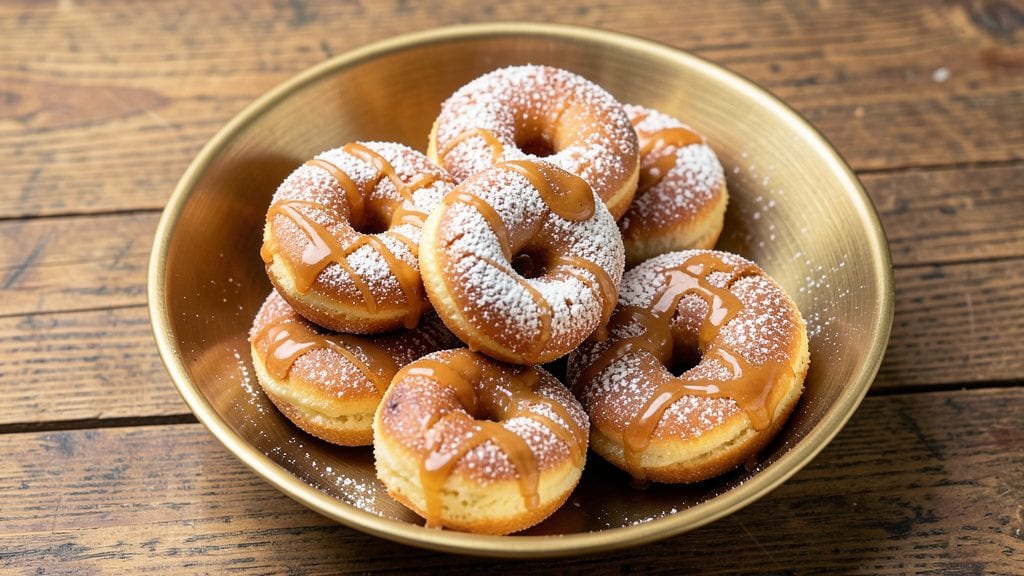
This old-fashioned cake doughnut recipe brings back the golden age of crispy, pan-fried doughnuts with their signature vanilla swirls—just like your grandmother used to make.
The secret lies in a precise balance of yeast, sugar, and flour, combined with the patience of letting the dough rise overnight for that perfect texture. I’ve tested countless variations, and this method delivers doughnuts that are light, fluffy inside, and crispy on the outside every time.
The doughnut-making process starts with a simple yet foolproof batter that requires just a few pantry staples—flour, sugar, yeast, eggs, and a touch of vanilla. After mixing, the dough must rest for at least 12 hours, allowing the yeast to work its magic and create that tender, airy crumb.
Once fried in hot oil, the doughnuts develop a golden-brown crust with those classic swirls, making them irresistible right out of the pan.
What makes these doughnuts truly special is their versatility—serve them fresh with a dusting of powdered sugar for a classic touch, or dip them in warm chocolate glaze for a decadent twist.
The aroma of freshly fried doughnuts will fill your kitchen, and the first bite delivers that perfect balance of sweetness and crispiness. This recipe is a nostalgic trip back to simpler times, where homemade treats were always the best.
Whether you’re making them for a weekend brunch or a cozy family gathering, these old-fashioned cake doughnuts are sure to impress. Pair them with a steaming cup of coffee or tea for the ultimate comfort-food experience. Let’s get started on recreating this timeless treat!
Ingredients for old fashioned cake doughnut
Just flour, sugar, yeast, and a touch of vanilla—your pantry staples for nostalgic doughnuts.
| Ingredient | Amount | Notes |
|---|---|---|
| All-Purpose Flour 🌾 | 3 ½ cups | Sifted for light texture |
| Granulated Sugar 🍚 | ½ cup | White or light brown |
| Active Dry Yeast 🍞 | ¼ oz | Or 2 1/4 tsp (1 packet) |
| Warm Whole Milk 🥛 | 1 cup | 110°F (43°C) for activation |
| Large Eggs 🥚 | 2 whole | Room temperature |
| Unsalted Butter 🧈 | ½ cup | Melted, cooled slightly |
| Pure Vanilla Extract 🍯 | 1 tbsp | High-quality preferred |
| Salt 🧂 | ½ tsp | Fine sea salt |
| Vegetable Oil 🫒 | 3 cups | For frying, 350°F (175°C) |
| Powdered Sugar 🍚 | 2 cups | For dusting, sifted |
| Cinnamon-Sugar Mix 🍃 | ½ cup | Equal parts sugar and cinnamon |
The yeast is the magic here. Active dry yeast works best—check the date on the package, it loses potency fast. Whole Foods or Trader Joe's usually have the freshest, but any grocery store should carry it. Warm the milk to 110°F (43°C)—too hot and you’ll kill the yeast, too cold and it won’t activate. I always keep a thermometer handy for this. The flour? King Arthur or Gold Medal are my go-tos—they’re reliable for that perfect crumb. And don’t skip sifting it, trust me on that.
No vanilla extract? Vanilla bean paste works in a pinch, or even a scraped vanilla bean. The butter matters too—full-fat, unsalted gives the best flavor, but if you’re in a hurry, melted shortening will keep things crispy. For the cinnamon-sugar mix, McCormick or Badia are solid brands, but homemade is easy—just toss equal parts sugar and cinnamon in a bowl. The powdered sugar should be 10X for dusting—it’s finer and dissolves better. Store-bought can be clumpy, so sift it before using.
This dough needs time—at least 12 hours in the fridge for the best rise. The oil for frying should be 350°F (175°C)—use a thermometer, not guesswork. Leftovers? Store in an airtight container for 3 days, or freeze the doughnuts (uncooked) for up to 1 month. They reheat beautifully in the oven at 300°F (150°C) for 5 minutes. And if you’re feeling fancy, drizzle with melted chocolate glaze—game-changer.
Why You'll Love This Recipe
- No-Fry Frustration Buster: Honestly, the only thing harder than making these is finding a good doughnut shop on a Sunday morning. The batter comes together in minutes—just whisk the warm whole milk with those room-temperature eggs, fold in the yeast and flour, and let it rest while you prep the oil. No fancy tools needed; a plastic bag works for shaping. Trust me, the "hard part" is resisting eating the batter straight from the bowl.
- Vanilla Swirl Magic: That 1 tablespoon of pure vanilla extract isn’t just decoration—it’s the secret weapon. You pipe it into the center of each warm doughnut while it’s still soft, and boom, every bite has that deep, creamy vanilla pulse. Pair it with the cinnamon-sugar coating? Chef’s kiss. It’s the kind of flavor combo that makes you want to lick the plate—even when you’re full.
- Breakfast-to-Dessert Hero: These doughnuts don’t just belong on a coffee table. Fry a batch in the morning, dust them with powdered sugar, and they’re ready for breakfast with a side of yogurt. Save the cinnamon-sugar ones for dessert, or even pack them in lunches (they travel surprisingly well). My kids demand them for school treats, and honestly? They’re the only thing that makes Monday mornings feel less like a chore.
- Budget-Friendly Indulgence: You’d think homemade doughnuts would break the bank, but with pantry staples like all-purpose flour, granulated sugar, and a stick of butter, this recipe costs less than $5 for a dozen. The vegetable oil stretches for multiple batches, and the yeast packet? That’s a fraction of what you’d pay for store-bought. Plus, leftovers stay crispy for days—just reheat them in the oven. It’s the kind of treat that doesn’t guilt you into skipping the next grocery run.
Step-by-step instructions for old fashioned cake doughnuts
Here's how to create those golden, crispy crowns with perfect vanilla swirls inside.
Prepare the Dough for Maximum Fluffiness
In a large mixing bowl, combine the 3.5 cups all-purpose flour, 0.5 cup granulated sugar, 0.5 tsp salt, and 0.25 oz active dry yeast. Whisk everything together until evenly distributed—this ensures your doughnuts rise properly. The flour should be sifted beforehand for that light, airy texture we're after.
Make a well in the center and pour in the 1 cup warm whole milk and 1 tbsp pure vanilla extract. The milk should be around 110°F—too hot and you'll kill the yeast; too cold and it won't activate properly. Let the mixture sit for 5 minutes until it begins to bubble slightly at the edges. This tells you the yeast is working.
Add the 2 whole large eggs and 0.5 cup melted unsalted butter (cooled slightly) to the bowl. Mix with a wooden spoon until you have a soft, shaggy dough that comes together when pressed. If it's too sticky, add 1-2 tablespoons more of the 3.5 cups all-purpose flour—just enough to make it manageable without making it dense.
Knead and Rest for Perfect Texture
Turn the dough out onto a lightly floured surface and knead gently for 3-4 minutes until smooth and elastic. You're not trying to develop gluten here—just enough to bring everything together. The dough should be soft but not sticky; if it sticks to your hands, sprinkle a little more of the 3.5 cups all-purpose flour.
Place the dough in a lightly greased bowl, cover with a clean kitchen towel, and let it rise in a warm place for 1 to 1.5 hours. It's ready when it's doubled in size and springs back slowly when gently pressed. This resting period develops the flavor and creates those beautiful air pockets that make old-fashioned doughnuts so light.
Shape and Prepare for Frying
Punch down the risen dough and turn it out onto a floured surface. Roll it out to about ½-inch thickness—thinner than you might think for doughnuts. Cut out circles using a 3-inch round cutter (or a glass of that size) and place them on a floured baking sheet. Cover with a towel and let them rest for 15 minutes before frying.
Here's the secret to crispy doughnuts: heat 3 cups vegetable oil in a deep skillet to 350°F. Use a deep-fry thermometer to monitor the temperature—it should stay steady. If you don't have one, test with a small piece of dough: it should sizzle and float immediately. If it sinks or bubbles excessively, your oil's too cool.
Fry to Golden Perfection
Carefully slide 2-3 doughnut rounds into the hot oil (don't overcrowd—they need room to rise). Fry for 1 to 1.5 minutes per side until they're golden brown all over. You'll see tiny bubbles form on the surface—that's when you know they're cooking properly. Use a slotted spoon to turn them, being careful of the hot oil.
As each doughnut comes out of the oil, place it on a paper towel-lined plate to drain. The oil will continue cooking them slightly as they drain, so they'll keep getting crispier. Work in batches, keeping the oil at 350°F between fries. If the oil gets too cool, your doughnuts will absorb oil instead of getting crispy.
Create the Vanilla Swirl and Finish
While the doughnuts are still warm, use a small spoon or skewer to poke a hole in the side of each one. Insert ½ teaspoon of the 1 tbsp pure vanilla extract through the hole—just enough to create that signature swirl without making them soggy. The warmth of the doughnuts will help the vanilla infuse beautifully.
Immediately roll the warm doughnuts in the 0.5 cup cinnamon-sugar mix, pressing gently to adhere. Then dust generously with 2 cups powdered sugar sifted over a fine-mesh strainer. This creates that iconic old-fashioned look and adds that perfect balance of sweetness and spice. Serve immediately while they're still crisp for that perfect first bite.
Pro Tips For Making Old Fashioned Cake Doughnut
- Test Yeast First: Skip straight to mixing and you’ll regret it—especially if your yeast is old or your kitchen’s too cold. Sprinkle the 0.25 oz active dry yeast into a small bowl with 1 cup warm whole milk (110°F) and 1 tbsp granulated sugar (from your 0.5 cup) first. If it doesn’t foam within 5 minutes, your yeast is dead. Toss it and grab fresh—no amount of mixing will save a batch with flat doughnuts.
- Whisk Eggs Alone: I used to dump the 2 whole large eggs straight into the wet mix with the milk, and the batter always turned gummy. Whisk the eggs separately until frothy first—they emulsify better that way. Then fold them into the warm milk. The batter will be smoother, and your doughnuts won’t turn out dense or chewy.
- Fry in Batches: Overcrowding the oil is how you end up with greasy, half-cooked doughnuts. Stick to 2-3 at a time in 3 cups vegetable oil at 350°F, and resist the urge to add more until the first batch floats and turns golden. The oil temp drops fast, and soggy doughnuts are a crime—especially when you’re this close to perfect ones.
- Chill the Dough: That 30-minute rest at room temp is non-negotiable, but if your kitchen’s warm or humid, cut it to 20 minutes. Then, pop the bowl in the fridge for 10 minutes before shaping. The batter firms up just enough to pipe cleaner rings, and the crowns hold their shape better in the oil. Trust me, your first batch will look like a mess without this step.
Regional styles of this old fashioned cake doughnut
New England’s Maple-Drizzled Doughnuts
In New England, these doughnuts get a rustic twist with a generous drizzle of pure maple syrup after frying. The local favorite is to roll the warm doughnuts in ½ cup maple sugar mix (equal parts maple syrup crystals and cinnamon) instead of regular cinnamon sugar.
I’ve made them this way at my uncle’s Vermont farm, and the maple flavor pairs perfectly with the vanilla swirl. Serve them with a side of clabbered cream or a scoop of vanilla bean ice cream for a true New England brunch. 🍁
Southern Fried Cinnamon Swirls
Down South, these doughnuts often feature a deeper cinnamon flavor and a touch of buttermilk in the batter for extra tenderness. I remember my grandmother in Georgia adding ¼ cup buttermilk to the milk mixture, which gave her doughnuts that signature Southern softness.
They’re always rolled in extra cinnamon sugar and sometimes even dusted with a sprinkle of grated nutmeg for warmth. A side of sweet tea makes the perfect pairing. 💛
Midwest’s Coffee-Dipped Delight
The Midwest loves their doughnuts with a twist—dipping them in strong brewed coffee after frying and before rolling in cinnamon sugar. This creates a rich, mocha-like flavor that’s addictive. I’ve seen bakeries in Indiana and Ohio serve these with a side of whipped cream and a sprinkle of cocoa powder.
It’s a brunch staple that feels like a cozy hug in a bowl. ☕
Carolina’s Lemon Glaze Twist
In the Carolinas, a tangy lemon glaze replaces the cinnamon sugar for a bright contrast. The glaze is made by mixing 1 cup powdered sugar with 2 tbsp lemon juice and a pinch of salt, then drizzled over the warm doughnuts.
I’ve made these at a roadside stand in North Carolina, and the zesty kick balances the sweetness beautifully. A cup of peach iced tea makes the perfect pairing. 🍋
Pacific Northwest’s Berry-Studded Doughnuts
Up in the Pacific Northwest, bakers often fold ¼ cup mashed blueberries or blackberries into the dough for a fruity surprise. These berry-studded doughnuts are fried just like the classic version but burst with juicy bursts of flavor.
I’ve seen them dusted with powdered sugar and topped with a light glaze. Pair them with a cup of lavender honey tea for a floral contrast. 🌿
Nutrition facts
Frequently asked questions
Why does the dough need to rest for 12 hours?
The 12-hour rest lets the yeast work its magic, creating air pockets for that light, fluffy texture. This slow fermentation also deepens the vanilla flavor. Skipping it makes doughnuts dense and less tender—trust the process!
Can I use a different fat for frying instead of vegetable oil?
Yes! You can use canola or peanut oil for frying—just heat to 350°F. Avoid olive oil; it burns too easily and alters flavor. Stick to neutral oils for that classic crispy texture.
What if my doughnuts sink while frying?
Overmixing or cold oil causes sinking. Fry at 350°F and don’t overcrowd the pan. If they sink, let the oil heat longer next time—it should sizzle when you drop in a doughnut.
How do I store the doughnut dough?
Cover tightly and refrigerate for up to 3 days or freeze uncooked doughnuts for 1 month. Thaw frozen doughnuts at room temperature before frying. Reheat leftovers in a 350°F oven for crispiness.