
Desserts
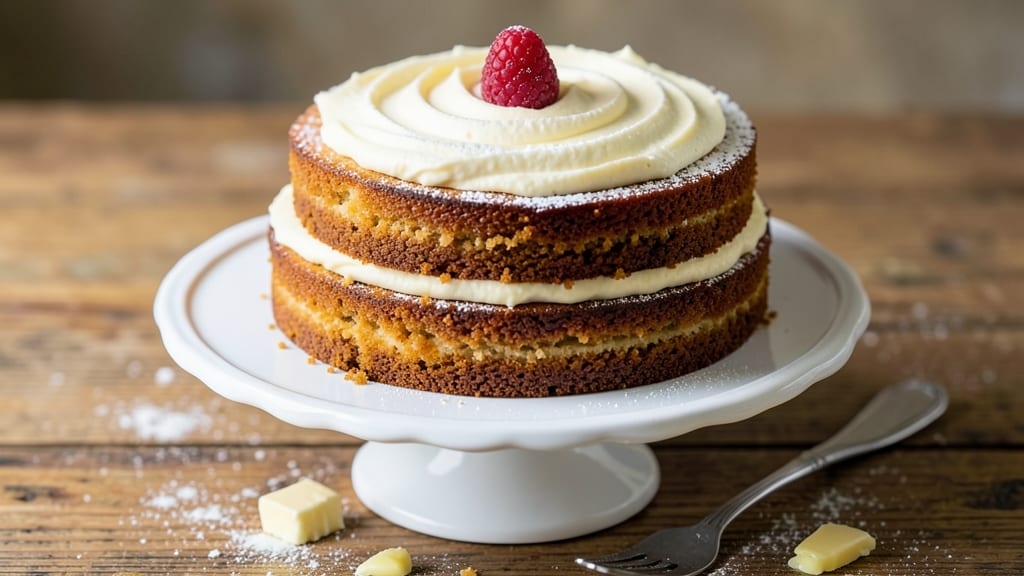
This old-fashioned butter cake recipe delivers the nostalgic, melt-in-your-mouth texture that made it a Southern classic—layers of tender vanilla sponge crowned with a crispy brown sugar crust that cracks like glass when sliced.
The secret lies in high-fat butter, which creates that signature crumb and golden edge, while the brown sugar topping caramelizes into a sticky, buttery finish. I first made this version during a family reunion when my grandmother insisted "real butter cake" couldn't be replicated with margarine, and she was right.
The recipe balances precision with tradition: butter at room temperature ensures even layers, while precise folding keeps the crumb light yet substantial. The brown sugar crown isn't just decoration—it's the star, forming a crackly shell that holds together until the first slice.
This cake stays moist for days, making it ideal for gatherings or as a centerpiece dessert that tastes better the next day. For those who love citrus, a hint of lemon zest in the batter adds brightness without overpowering the vanilla.
What you'll achieve is a cake that looks like it belongs in a 1950s diner—golden layers with a crispy crown, tender crumb, and that unmistakable buttery aroma that fills every room. The technique is straightforward but requires patience in the baking process, ensuring even heat distribution for perfect results.
Whether served with whipped cream or fresh berries, this recipe brings back the warmth of homemade desserts from decades past.
For variations, swap vanilla for almond extract or add a layer of lemon curd between the sponge. The key to success is never skipping the butter—it's what makes this cake truly old-fashioned. Let's create something timeless together.
Ingredients for old fashioned butter cake
Butter, sugar, and flour—plus a few secrets for that signature crackly crown.
| Ingredient | Amount | Notes |
|---|---|---|
| Unsalted Butter 🧈 | 1 ½ cups | Room temperature, full-fat preferred |
| Granulated White Sugar 🍚 | 2 cups | Superfine for even dissolving |
| Light Brown Sugar 🍚 | ½ cup | Packed, for moisture |
| All-Purpose Flour 🌾 | 2 ½ cups | Sifted, plus extra for dusting |
| Baking Powder 🧂 | 2 tsp | Aluminum-free preferred |
| Salt 🧂 | ½ tsp | Fine sea salt |
| Pure Vanilla Extract 🌸 | 2 tsp | Bourbon-infused for depth |
| Milk 🥛 | 1 cup | Room temperature, whole preferred |
| Large Eggs 🥚 | 3 whole | Room temperature, separated |
| Lemon Zest 🍋 | 1 tbsp | Fresh, for brightness |
| Dark Brown Sugar 🍚 | 1 ½ cups | Packed, for caramelized crown |
| Light Corn Syrup 🍯 | ¼ cup | For chewy texture |
| Ground Cinnamon 🌿 | 1 tsp | For crown flavor |
| Powdered Sugar 🍚 | ¼ cup | For dusting crown |
The butter is non-negotiable here. Land O'Lakes or Plugrah work best—no margarine or low-fat substitutes. Room temperature is key: press it between wax paper with a rolling pin until just soft (about 10 minutes). For the sugar, Domino brand is my go-to, but any granulated works. The brown sugar crown needs dark brown sugar—light won't caramelize right. I grab mine from the bulk bins at Whole Foods for freshness, but the store brand is fine too. Don't skip the vanilla extract—McCormick's bourbon-infused adds that classic depth, but any pure vanilla will work.
No vanilla extract? Almond extract at half the amount works in a pinch, but the flavor will be different. Short on eggs? Flax eggs (1 tbsp ground flax + 3 tbsp water per egg) keep the structure, though texture will shift slightly. The lemon zest can be skipped if you're not a fan, but it's what keeps this cake from tasting too sweet. For the corn syrup, Karo is the gold standard, but any light corn syrup will do. The baking powder? Clabber Girl is my favorite—it's reliable and affordable. If you're gluten-sensitive, swap the all-purpose flour for a 1:1 gluten-free blend, but expect a denser crumb.
This cake keeps beautifully—4-5 days in an airtight container at room temperature, or up to 3 months frozen. To reheat, wrap slices in foil and warm at 300°F for 10 minutes. The crown stays crispy even after baking, but if you want extra crunch, broil for 1-2 minutes right after baking. Store the powdered sugar in a sealed jar to keep it fresh—it loses its kick fast. I always make a double batch because this cake tastes even better the next day.
Why You'll Love This Recipe
- No-Fuss Assembly: Honestly, the only tricky part is waiting for the cake to cool. After that? Smooth the batter, slap on that dark brown sugar crown with cinnamon, chill for 15 minutes, and boom—you’ve got a showstopper. The thin layer of batter between layers? Game-changer. No fancy piping or frosting required.
- Chewy Crown Magic: That crispy, caramelized top with its cinnamon-kissed edges? It’s the reason I’ll never go back to plain vanilla cake. The 1.5 cups of dark brown sugar and 0.25 cup light corn syrup create a texture that’s dangerously addictive—like a buttery, spiced cookie on top of a cloud. Trust me, the first bite will make you groan.
- Feeds a Crowd (Without the Stress): This isn’t one of those recipes that disappears after two slices. With two 8-inch layers, you’re looking at 12-16 generous pieces—perfect for a brunch crowd, a potluck, or even a last-minute dessert for your book club. And because it keeps like a dream for 4-5 days, you can bake it Sunday and stress-free all week.
- Budget’s Friend: Full-fat butter, whole milk, and a handful of pantry staples? This cake costs less than a fancy grocery-store dessert but tastes like a bakery secret. The only splurge is the bourbon-infused vanilla, but even that’s cheaper than you’d think. Plus, leftovers? Free ice cream toppings for days.
Step-by-step instructions for old-fashioned butter cake
Here's how to bake layers of tender vanilla cake with that signature crispy brown sugar crown.
Cream Butter and Sugars Together
In a stand mixer fitted with the paddle attachment, beat the 1.5 cups unsalted butter on medium speed until completely smooth and free of lumps. Add the 2 cups granulated white sugar and 0.5 cup light brown sugar, then mix on medium-high speed for 4-5 minutes until the mixture is light and fluffy. You'll notice it nearly doubles in volume and becomes pale in color.
Here's the thing—this creaming process incorporates air into the batter, which creates that classic tender crumb. Scrape down the sides of the bowl every minute or so to ensure even mixing. If you're using room-temperature butter, it should be soft enough to leave a slight indent when pressed with your finger.
Add Eggs, Milk, and Flavorings
Add the 3 whole large eggs, one at a time, mixing well after each addition. Then stir in the 1 cup milk, 2 tsp pure vanilla extract, and 1 tbsp lemon zest. The batter should be smooth and slightly thick. I like to add the lemon zest last—it brightens the whole cake without overpowering the vanilla flavor.
In a separate bowl, whisk together the 2.5 cups all-purpose flour, 2 tsp baking powder, and 0.5 tsp salt. Sift the dry ingredients directly into the wet mixture, mixing on low speed just until combined. Don't overmix—you should still see a few flour streaks. Overmixing develops gluten and can make the cake tough.
Prepare the Crown Mixture
In a small bowl, combine the 1.5 cups dark brown sugar, 0.25 cup light corn syrup, and 1 tsp ground cinnamon. This mixture is what creates that signature crispy crown on top of the cake. The corn syrup adds chewiness while the cinnamon gives it depth of flavor. Set this aside while you prepare the cake layers.
Divide the batter evenly between two 8-inch round cake pans lined with parchment paper and lightly greased with butter. Smooth the tops with a spatula. Bake at 350°F for 25-30 minutes or until a toothpick inserted into the center comes out clean. Let the layers cool in the pans for 10 minutes before removing.
Assemble and Create the Crown
Once the layers are completely cool, level the tops if needed. Place one layer on a cake stand or plate. Spread a thin layer of the remaining batter (about 1/4 cup) over the top layer, then add the second layer. This thin layer of batter helps create a strong base for the crown.
Spread the brown sugar mixture evenly over the top of the cake, making sure to cover the entire surface. The goal is to create a thick, even layer that will caramelize beautifully. Place the cake in the refrigerator for 15 minutes to help the brown sugar mixture set slightly before baking.
Bake the Crown and Dust with Powdered Sugar
Transfer the cake to a preheated 350°F oven and bake for 12-15 minutes or until the brown sugar topping is golden brown and crispy. Watch it closely—it can go from perfect to burnt quickly. Once the crown is set, remove the cake from the oven and let it cool completely.
While the cake is still warm, dust the crown generously with the 0.25 cup powdered sugar using a fine-mesh sieve. This gives it that classic "snowed" look and adds a touch of sweetness. Serve slices with a dollop of whipped cream or a scoop of vanilla ice cream for the ultimate old-fashioned butter cake experience.
Pro Tips For Making Old Fashioned Butter Cake
- Press Butter First: Before creaming, press the 1.5 cups unsalted butter between parchment paper with a rolling pin—this melts any cold spots and ensures it’s uniformly soft. I learned this the hard way after struggling with butter that looked room temp but still had lumps mid-whip.
- Sift the Dry Mix: Whisk the 2.5 cups all-purpose flour, 2 tsp baking powder, and 0.5 tsp salt together before sifting it into the wet ingredients. This prevents clumps in the batter, and the sifting step actually aerates the flour—trust me, it makes the cake lighter.
- Chill the Crown: Skip the fridge trick if you’re in a rush, but the 15-minute chill before baking the crown is what keeps it from sliding off the cake. The cold sets the brown sugar mixture just enough to hold its shape—otherwise, you’ll end up with a sticky mess.
- Use Superfine Sugar: The 2 cups granulated white sugar must be superfine—regular sugar won’t dissolve evenly and leaves gritty bits. If you’re in a pinch, pulse regular sugar in a food processor for 10 seconds, but don’t skip this step entirely. Your cake will thank you.
Regional styles of old fashioned butter cake
Southern Comfort Classic
This recipe traces its roots to Southern kitchens, where butter was never an afterthought but the star ingredient. My grandmother swore by her 1950s-era Land O’Lakes butter—none of that margarine nonsense.
The crispy brown sugar crown we love today evolved from simpler sugar-glazed cakes, but the room-temperature butter technique (soaked in warm water for 10 minutes) became the secret to that tender crumb.
Southern bakers would often bake this cake in cast-iron skillets for extra richness, though I prefer my 8-inch round pans for even baking. 🍯
Midwest's Creamy Twist
In the Midwest, bakers like to boost the richness by adding an extra egg yolk to the batter—some even swap whole milk for half-and-half. The lemon zest gets an upgrade here with a splash of orange zest for a brighter citrus note.
I’ve seen versions where the crown mixture includes crushed pecans for crunch, inspired by apple butter cake traditions. It’s all about balancing that buttery depth with regional flair.
New England's Spiced Crown
New England bakers take the crown to another level by adding nutmeg and ginger to the dark brown sugar mixture, giving it a warm, spiced aroma. Some even incorporate maple syrup into the crown for a fall-inspired twist.
The powdered sugar dusting becomes a maple glaze drizzle, nodding to the region’s love of maple syrup in desserts. This version feels cozy, like a harvest celebration in every bite.
Pacific Northwest's Citrus Infusion
Out here, the lemon zest gets a bigger role, often paired with orange or lime zest for a bright, tangy balance. Some bakers even add a splash of Grand Marnier to the batter for a citrusy depth.
The crown sometimes includes toasted coconut flakes for a tropical touch, inspired by the region’s love of fresh produce. It’s all about keeping that buttery foundation while embracing local flavors. 🌿
Modern Decadence Upgrades
Today’s bakers love elevating the classic—think white chocolate chips in the batter or a caramel drizzle on top. Some swap vanilla extract for almond or coconut extract for unique twists. I’ve even seen matcha powder added to the crown for a modern, earthy contrast.
The powdered sugar gets replaced with cocoa powder for a chocolate-dusted crown, proving this cake’s versatility knows no bounds.
Nutrition facts
Frequently asked questions
Why does this recipe call for room-temperature butter?
Room-temperature butter creates the perfect light, fluffy texture by incorporating air during the creaming process. Cold butter forms lumps, while room-temperature butter blends smoothly, resulting in that signature tender crumb. Press it between wax paper with a rolling pin if it's too firm—just a few minutes should do the trick!
Can I skip the brown sugar crown and still get a great cake?
Yes, but you’ll miss the crispy, caramelized topping that defines this classic! The crown adds depth of flavor and texture contrast. If you skip it, simply bake the cake as directed and dust with powdered sugar instead. The cake will still be delicious—just less nostalgic!
What happens if I overmix the batter?
Overmixing develops gluten, making the cake dense and tough instead of tender. Mix just until the flour is no longer visible—you should still see a few streaks. Stop as soon as the batter comes together. This is especially important with the flour and baking powder mix!
How do I prevent the crown from burning?
Watch it closely during the final 12-15 minutes of baking—it burns fast! Rotate the pan halfway through for even browning. If the top darkens too quickly, tent it with foil. The crown should be golden, not black. Patience is key here!