
Appetizers
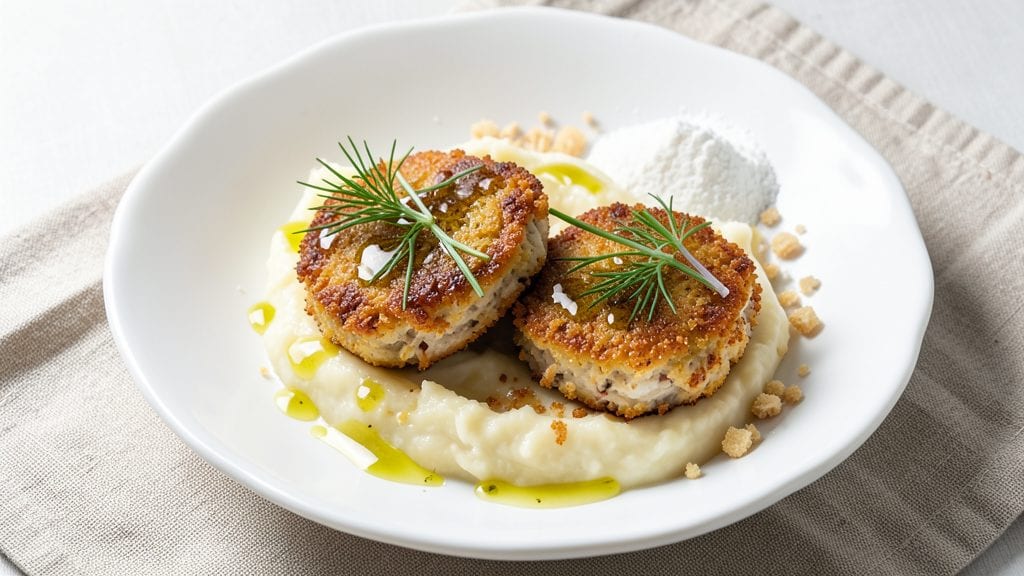
Recreating Obrycki’s legendary crab cakes at home delivers that perfect balance of crispy exterior and tender, flaky interior—something I’ve spent years perfecting after my first disastrous attempt at a restaurant-style version.
The key lies in properly draining the crab meat and chilling the mixture before cooking, techniques I’ve refined through countless batches. This recipe stays true to the classic New England style while making it accessible for home cooks.
What sets these crab cakes apart is their crispy-golden crust paired with a bright lemon-dill flavor that brightens every bite. Using a mix of breadcrumbs and finely chopped herbs creates a texture that’s both sturdy enough to handle frying and delicate enough to melt in your mouth.
The recipe uses simple pantry staples and basic kitchen tools, so you don’t need special equipment to achieve professional results.
By following this method, you’ll achieve crab cakes with a perfectly seared exterior and a moist, flaky interior—just like the ones from Obrycki’s. The zesty lemon-dill sauce complements the rich crab perfectly, making these cakes ideal for appetizers or a light main course.
This recipe transforms what could be a fussy dish into a foolproof success.
Serve these crab cakes with classic sides like tartar sauce or remoulade, or pair them with a crisp white wine for the full dining experience.
The beauty of this recipe is that it scales easily, so you can make just a few for a small gathering or double the batch for a crowd without losing quality.
Ingredients for obrycki's crab cake
Simple pantry staples meet premium seafood for Obrycki's signature crispy-golden crab cakes.
| Ingredient | Amount | Notes |
|---|---|---|
| Fresh Lump Crab Meat 🦀 | 1 ½ lb | Backfin preferred, drained well |
| All-Purpose Flour 🌾 | ½ cup | For binding mixture |
| Panko Breadcrumbs 🍞 | ¾ cup | Japanese-style for extra crunch |
| Fresh Dill Weeds 🌿 | ¼ cup | Finely chopped, stems removed |
| Fresh Chives 🌱 | 2 tbsp | Finely chopped for brightness |
| Extra-Virgin Olive Oil 🫒 | ¼ cup | Light variety for frying |
| Large Eggs 🥚 | 2 whole | Room temperature preferred |
| Mayonnaise 🥫 | ¼ cup | Full-fat for binding |
| Lemon Juice 🍋 | 2 tbsp | Freshly squeezed |
| Kosher Salt 🧂 | 1 ½ tsp | Adjust to taste |
| Ground Black Pepper 🌶️ | ½ tsp | Freshly cracked |
| Unsalted Butter 🧈 | ½ cup | Cold, cubed for frying |
| Lemon Zest 🍋 | 1 tbsp | From 1 large lemon |
| Dijon Mustard 🍯 | 1 tbsp | For sauce binding |
| Heavy Cream 🥛 | ¼ cup | For lemon-dill sauce |
The crab meat makes or breaks these cakes. Backfin lump is ideal—it holds its shape better than claw meat, but a mix works too. Always drain it thoroughly, pressing between paper towels to remove excess moisture. Seafood markets often sell pre-drained crab, but if buying frozen, thaw it overnight in the fridge. For the freshest dill and chives, local farmers markets offer the best quality—look for vibrant green leaves with no wilting. The panko should be Japanese-style for maximum crunch, though regular breadcrumbs work in a pinch.
No panko? Crushed cornflakes or Ritz crackers create a similar texture. Substitute fresh dill with 1 tbsp dried dill, but fresh is non-negotiable for that bright Obrycki's flavor. The mayo binds the mixture—use full-fat for best results. For the sauce, Greek yogurt can replace heavy cream if you prefer lighter texture. Always zest the lemon fresh; pre-grated zest loses its punch quickly. The butter for frying should be cold and cubed—this ensures a crispy crust without burning.
Store crab cakes uncovered on a wire rack for 30 minutes after frying to set the crust properly. They reheat beautifully—just 5 minutes in a 350°F oven restores that golden crunch. The lemon-dill sauce keeps for 3 days in the fridge, though it's best used fresh. For large gatherings, double the batch—these cakes freeze well for up to 2 months. Always make the sauce last minute to preserve its bright flavor.
Why You'll Love This Recipe
- I’ve got a secret: these crab cakes come together in less than 15 minutes of active time—just mix the crab with the flour, mayo, and herbs, then dip and coat. The panko breadcrumbs make the crust magic happen with minimal effort, and the fresh dill and chives? They fold in while you prep the pan. Honestly, the only time-consuming part is draining that fresh lump crab meat, and it’s worth it.
- No Fuss Assembly: I’ve got a secret: these crab cakes come together in less than 15 minutes of active time—just mix the crab with the flour, mayo, and herbs, then dip and coat. The panko breadcrumbs make the crust magic happen with minimal effort, and the fresh dill and chives? They fold in while you prep the pan. Honestly, the only time-consuming part is draining that fresh lump crab meat, and it’s worth it.
- Crispy Outside, Creamy Inside: That panko crust? Chef’s kiss. The combo of olive oil and cold butter at 350°F gives you that perfect golden-brown crunch, while the crab stays tender and juicy inside. And the lemon-dill sauce—thickened with heavy cream and zingy Dijon—cuts through the richness like a cool breeze on a hot day. Trust me, the texture contrast is addictive.
- Date Night or Weeknight Win: These crab cakes are that versatile. Serve them with a simple green salad and a crisp white wine for a fancy dinner, or pair them with buttery mashed potatoes and a cold beer for a laid-back weekend. My kids even ask for seconds (yes, even on a Tuesday night), so they’re crowd-pleasers for any occasion. Plus, the lemon-dill sauce keeps for days, so you can always have backup flavor.
Step-by-step instructions for Obrycki's crab cakes
Here's the professional method for achieving that signature crispy-golden crust and bright lemon-dill flavor.
Prepare the Crab Mixture
In a large mixing bowl, combine the 1.5 lb fresh lump crab meat with the 0.5 cup all-purpose flour, 1.5 tsp kosher salt, and 0.5 tsp ground black pepper. Using your hands, gently fold these ingredients together until just incorporated—avoid overmixing, which can break down the delicate crab texture.
Next, add the 0.25 cup mayonnaise, 2 tbsp lemon juice, 1 tbsp lemon zest, and 1 tbsp Dijon mustard to the bowl. Mix thoroughly until the ingredients form a cohesive, slightly sticky paste. This binding mixture ensures your crab cakes hold together without falling apart during frying.
Fold in the 0.25 cup finely chopped fresh dill weeds and 2 tbsp finely chopped fresh chives, distributing them evenly throughout the mixture. The herbs will infuse the crab cakes with bright, fresh flavor that complements the sweetness of the crab.
Create the Crispy Coating
In a shallow bowl, whisk together the 2 whole large eggs until fully beaten. This will serve as the egg wash for binding the breadcrumb crust. In another shallow bowl, combine the 0.75 cup panko breadcrumbs with any remaining herbs from your mixing bowl.
Dip each crab cake mixture portion into the beaten eggs, allowing excess to drip off, then press firmly into the panko breadcrumbs, coating each piece evenly. The panko's light, airy texture creates that signature crispy crust while maintaining a delicate crunch. Work quickly to prevent the coating from becoming soggy.
Shape each coated portion into 1-inch thick patties, pressing gently to ensure they hold their shape during frying. Place the formed crab cakes on a wire rack set over a baking sheet to allow air circulation, preventing them from steaming.
Fry to Golden Perfection
Heat 0.25 cup extra-virgin olive oil and 0.5 cup unsalted butter in a large skillet over medium heat until the butter has melted and the mixture reaches 350°F. The combination of olive oil and butter creates a rich, flavorful frying medium that promotes even browning.
Carefully place the crab cakes in the skillet, leaving space between each piece. Fry for 3-4 minutes per side until they develop a deep golden-brown crust. You'll know they're ready when the edges are crispy and the internal temperature reaches 145°F—the crab should be just cooked through but still tender.
Transfer the fried crab cakes to a paper towel-lined plate to drain excess oil. Keep them warm in a 200°F oven while you prepare the lemon-dill sauce to maintain their crispy texture.
Make the Lemon-Dill Sauce
In a small saucepan, combine the 0.25 cup heavy cream, 1 tbsp lemon zest, and 1 tbsp Dijon mustard. Bring the mixture to a gentle simmer over medium-low heat, stirring constantly to prevent scorching. The sauce should thicken slightly but remain smooth and silky.
Remove the sauce from heat and stir in the 2 tbsp lemon juice and 1 tbsp finely chopped fresh dill weeds. Taste and adjust seasoning with additional kosher salt or ground black pepper if needed. This bright, tangy sauce cuts through the richness of the crab cakes beautifully.
Serve the crab cakes immediately with the lemon-dill sauce spooned generously over the top. The contrast of crispy crust, tender crab, and zesty sauce creates the perfect balance of textures and flavors.
Pro Tips For Making Obrycki'S Crab Cake
- Prep the Crab Right: Drain the 1.5 lb fresh lump crab meat thoroughly—press it between paper towels to remove every drop of moisture. Wet crab means soggy cakes, and nobody wants that. I learned this the hard way when my first batch turned out like damp hockey pucks.
- Don’t Rush the Coating: Press the panko onto the egg-washed crab cakes firmly—don’t just dust it on. The 0.75 cup panko breadcrumbs need to cling like armor, or you’ll end up with crumbs floating in your pan. Work fast, but don’t skimp on the pressure.
- Hit 350°F—No Guessing: Use a thermometer to nail 350°F in that oil-butter mix. Too low, and your crust turns greasy; too high, and you’ll burn the outside before the crab cooks. I used to eyeball it and ended up with uneven results—now I trust the gauge.
- Sauce Off Heat: Once the 0.25 cup heavy cream sauce hits a simmer, immediately remove it from heat. Stirring constantly won’t save it if it boils—scorched sauce ruins the whole dish. Let the residual heat thicken it gently, then finish with the lemon and dill.
Perfect pairings for obrycki's crab cake
Classic Sides
I always serve these crab cakes with a simple crispy potato salad—just diced new potatoes tossed with mayonnaise, celery, red onion, and fresh dill. The creamy texture contrasts beautifully with the crispy crust.
For a lighter option, asparagus spears roasted with olive oil, lemon zest, and a pinch of salt add freshness that cuts through the richness.
Sauce Complements
The lemon-dill sauce is a must, but I also love offering remoulade on the side for guests who prefer extra tang. Mix mayonnaise, Dijon mustard, capers, and a touch of horseradish for that classic New England touch.
For a creamy alternative, Greek yogurt tartar sauce with pickles, lemon juice, and fresh chives brings a refreshing twist.
Wine Pairings
A crisp Sauvignon Blanc from New Zealand—like Cloudy Bay—cuts through the richness with its bright citrus notes. For red wine lovers, a light Pinot Noir from Oregon provides enough acidity to balance the dish without overpowering it.
I always keep a bottle of chilled Prosecco on hand too for a festive touch.
Beverage Balance
For non-alcoholic options, sparkling lemonade with fresh mint and a splash of simple syrup keeps things refreshing. If you're serving at a summer gathering, iced hibiscus tea adds a floral contrast that pairs surprisingly well with the seafood. The tartness cleanses your palate between bites.
Garnish Elevation
Finish each plate with a sprinkle of flaky sea salt like Maldon and a few extra lemon wedges. I also love adding microgreens or arugula for a pop of color—it makes the dish look restaurant-worthy. A drizzle of extra-virgin olive oil over the sauce adds a final touch of sophistication.
Seasonal Twists
In spring, I swap the lemon-dill sauce for a peppercorn sauce with heavy cream, white wine, and toasted peppercorns—it adds earthy depth. For summer gatherings, a mango-habanero sauce with lime juice and cilantro brings a tropical kick that surprises guests. The sweet-spicy contrast is always a hit.
Nutrition facts
Frequently asked questions
Why does my crab cake mixture turn soggy instead of crispy?
Soggy crab cakes often happen when the mixture isn’t properly drained or the coating gets too wet. Always press 1.5 lb fresh lump crab meat between paper towels to remove excess moisture, and work quickly when coating with the 0.75 cup panko breadcrumbs. Let the cakes rest on a wire rack for 30 minutes after shaping to set the crust before frying. This prevents steam from softening the exterior!
Can I make these crab cakes ahead of time?
Shape the uncooked crab cakes and refrigerate them in an airtight container for up to 12 hours. When ready to cook, pat them dry, dip in egg wash, and bread again with panko breadcrumbs. Fry as directed—they’ll crisp up beautifully. Just avoid freezing before cooking, as the texture suffers.
What’s the best way to reheat leftover crab cakes?
For best results, reheat in a 350°F oven for 5-7 minutes on a wire rack. This restores that golden crust without making them greasy. Avoid microwaving—it steams the cakes instead of crisping them. Serve with fresh lemon wedges to brighten the flavors!
Can I substitute other seafood for the crab?
While 1.5 lb fresh lump crab meat is ideal, you can blend in ½ lb shrimp or ½ lb scallops for variety. Just drain them thoroughly and adjust the mayonnaise binding if needed. The texture will change slightly, but the crispy crust technique remains the same. Experiment with fresh dill and lemon zest to keep the flavor balanced!